Quick answer
Buy a non slip rubber yoga mat for home decor only if you plan to use it daily and can store or display it deliberately; otherwise choose a mat you can roll away, because rubber grips well but is heavier and less decorative than fabric or printed mats.
Where a rubber mat fits in a decorated room
A rubber yoga mat works as home decor when it reads as part of a workout zone rather than a rug. Place it in a home gym corner, beside a mirror, or at the foot of a storage bench so the mat has a clear job. In a living room or bedroom, a permanently unrolled rubber mat usually looks out of place because its surface is designed for grip, not for walking on or styling with cushions.
If you want the mat visible, treat it like equipment: choose a size that fits the floor area without covering walkways, and keep the surrounding decor simple. If you want a mat that blends into a guest room or reading nook, a printed or fabric-topped mat is the better decor choice, while a rubber mat is the better practice choice.
The trade-off: grip versus weight and care
Natural rubber is chosen for traction, and that same density makes a rubber mat heavier and bulkier to move than a thin travel mat. A rubber mat for home use is therefore a poor fit if you need to carry it to a studio daily or store it in a narrow closet. It is a strong fit if the mat stays in one room and you value a stable base for warm-ups, stretching, and daily workouts.
Rubber also needs care to keep its non-slip performance. Before you buy, confirm you are willing to wipe the mat after sweaty sessions and let it dry fully rather than folding it damp into a cabinet. If that routine sounds unrealistic, a lighter mat you can hang or roll loosely may serve you better.
Placement rules that protect both floor and mat
Put the mat on a dry, level surface and avoid leaving it on heated floors or in direct sun for long periods, since rubber can degrade with sustained heat. In a home gym, leave clearance at the edges so the mat cannot slide against a wall or rack. If the floor is polished tile or hardwood, test the backing with a short warm-up before committing to a permanent spot.
For decor, avoid placing a rubber mat where guests will walk on it in shoes. Keep a separate entry mat for shoes and reserve the yoga mat for bare feet or socks so grit does not get pressed into the surface.
Decision rules for buying a rubber yoga mat for your home
- Use frequency rule: Choose a rubber mat if you will practice at least several times a week in the same room. If you practice occasionally and want the mat to disappear between sessions, choose a lighter rollable mat instead. Count your realistic weekly sessions before you decide.
- Placement rule: Reserve a dedicated zone of floor that stays clear of walkways, and keep the mat out of direct sun and away from heated floors. If no such zone exists, a rubber mat will end up stored badly or left in the way. Measure the clear floor area before choosing a size.
- Surface rule: Match the mat to your floor: test the anti-slip backing on your actual tile, wood, or concrete before you rely on it. If the mat shifts during a warm-up, add a grippy underlay or move to a textured floor. Test grip on your own floor, not the store floor.
- Care rule: Commit to wiping the mat after sweaty sessions and drying it fully before storage. If you cannot let it air dry, choose a mat that tolerates looser storage. Plan where the mat will dry, not just where it will sit.
- Decor rule: Display a rubber mat only as part of a workout zone. For a living room, guest room, or styled reading corner, choose a printed or fabric mat that is meant to be seen. Decide whether the mat is equipment or decor before you buy.
Product facts
-
Yoga Mat - Non Slip Rubber Material: The mat pairs a microfiber suede top with a natural rubber bottom. The smooth top feels comfortable for bare feet, while the rubber base supplies the grip that keeps the mat steady during poses.
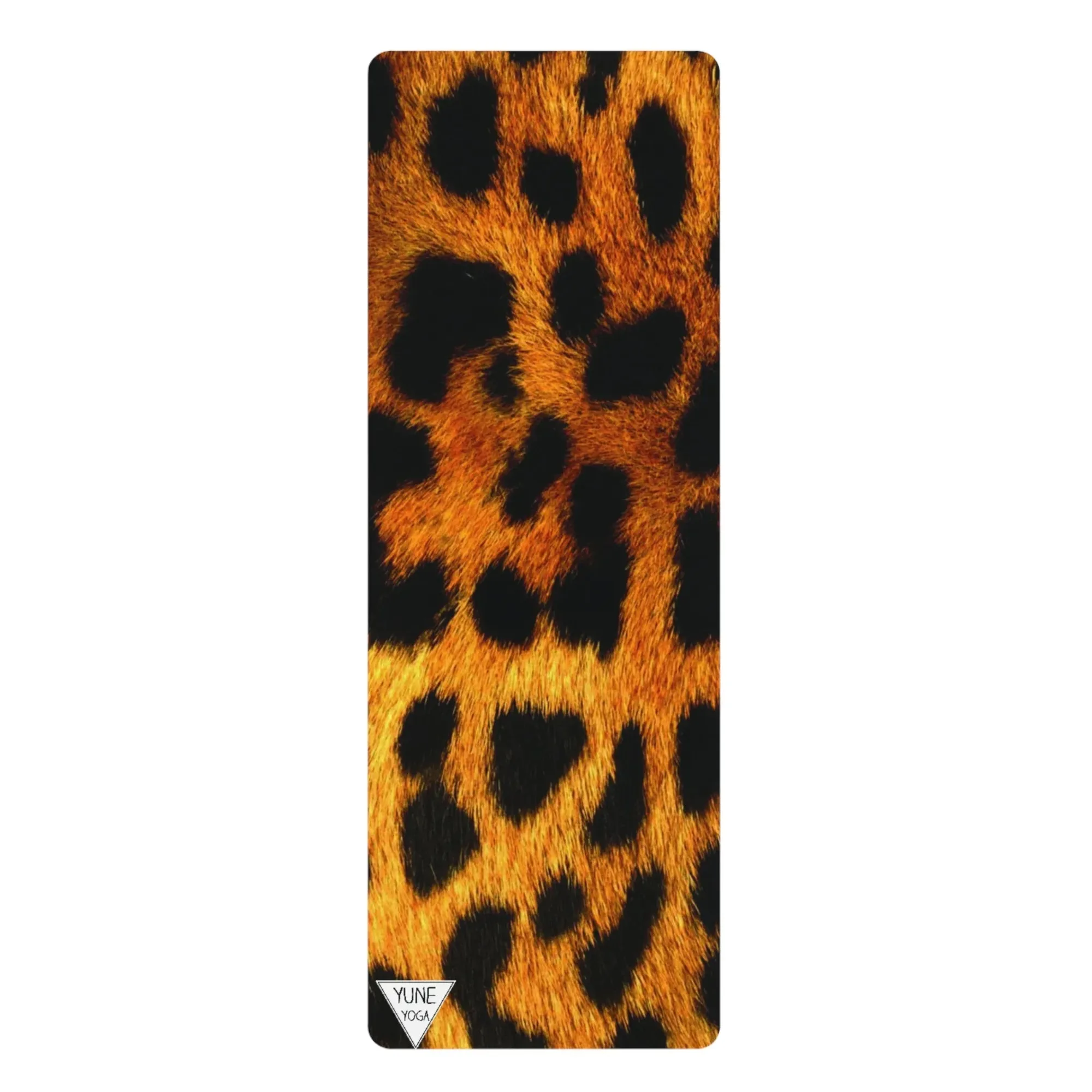
Yoga Mat - Non Slip Rubber Material
-
Yoga Mat - Non Slip Rubber Material: It is described as lightweight and soft, with an anti-slip backing. That combination suits movers who want a mat they can set up and carry between rooms without giving up stability.
-
Yoga Mat - Non Slip Rubber Material: It is offered with a size option. Check the available size against your floor area before buying, since a mat that is too large will crowd a small home gym.
Who should buy it
Best for
- Home yogis who practice in one room several times a week and want a stable, non-slip base
- People building a home gym corner who want a mat that stays set up
- Buyers who value a smooth suede-feel top over a purely decorative mat
Not for
- Commuters who need to carry a mat to a studio daily
- Shoppers who want a mat to blend into a styled living room or bedroom
- Anyone unwilling to wipe and air-dry the mat after sweaty sessions