Creating a safe and cozy nursery is one of the top priorities for new parents. While soft blankets and plush bedding may seem inviting, experts warn that loose bedding can pose serious risks for infants. Understanding nursery bedding safety is crucial to ensure your baby sleeps soundly and securely. This guide covers everything you need to know about crib sheets, blankets, and safe sleep practices for infants.
From choosing the right mattress fit to knowing when to introduce a blanket, we break down the latest recommendations from pediatricians and safe sleep organizations. Whether you're preparing for your first baby or updating your nursery, these tips will help you make informed decisions that prioritize your child's well-being.
Why Crib Sheet Safety Matters More Than You Think
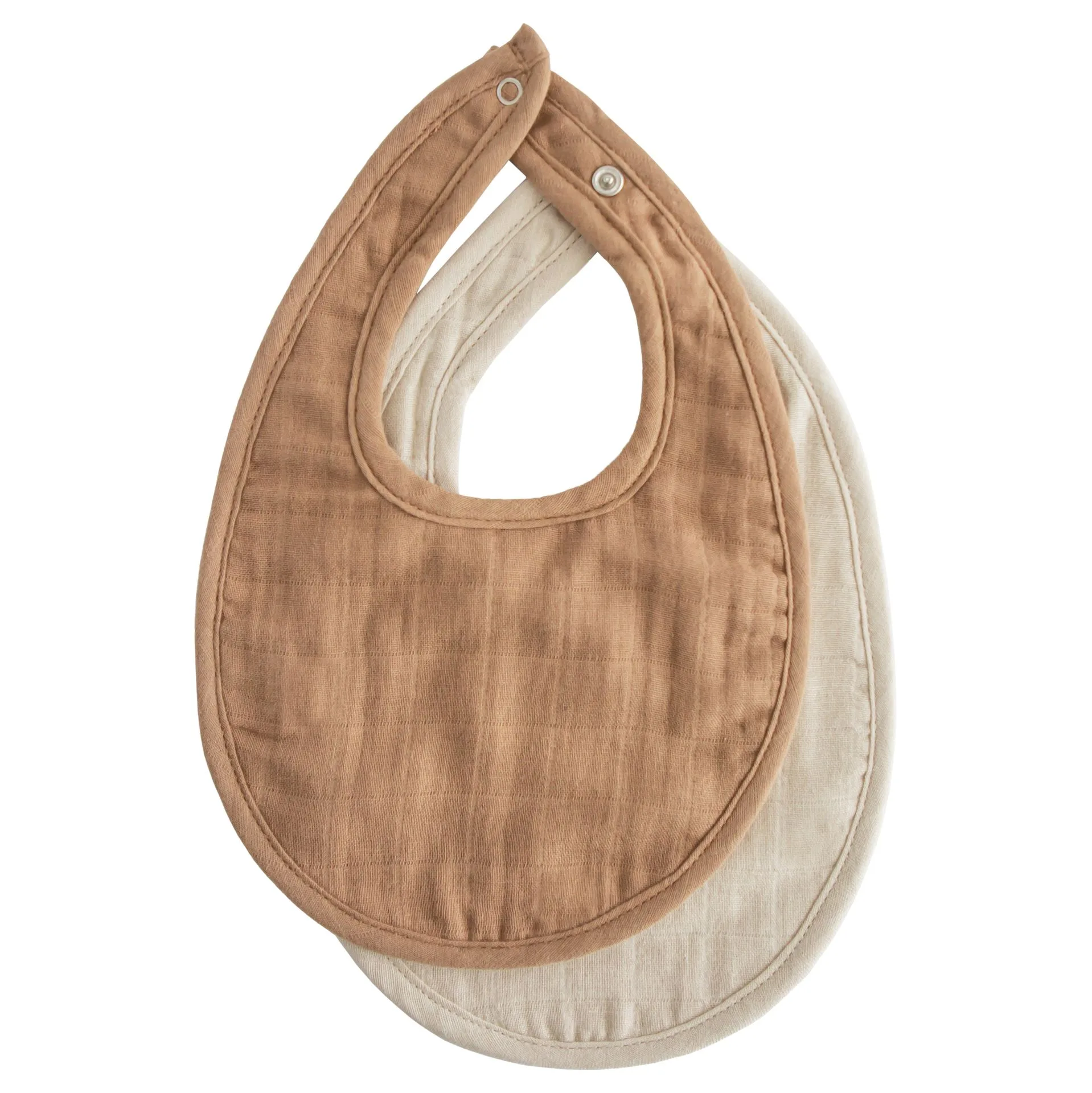
Crib sheets are a foundational element of nursery bedding, but not all sheets are created equal. The most important safety factor is fit. A loose or ill-fitting sheet can bunch up and create a suffocation hazard. Always choose fitted crib sheets with deep pockets and strong elastic that hug the mattress tightly. Look for sheets made from breathable materials like muslin or organic cotton, which reduce the risk of overheating and promote airflow.
Another key consideration is the number of sheets in your rotation. Experts recommend having at least two to three fitted sheets on hand so you can quickly change them during nighttime accidents. Avoid using any additional padding, mattress toppers, or crib bumpers, as these increase the risk of Sudden Infant Death Syndrome (SIDS) and accidental suffocation. The safest crib is a bare crib with a tight-fitting sheet and nothing else.
- Ensure the sheet fits snugly—try to pinch the fabric; if it lifts easily from the mattress, it's too loose.
- Choose 100% cotton or muslin sheets for breathability and softness.
- Avoid crib bumpers, pillows, and stuffed animals in the sleep area until at least 12 months.
Baby Blanket Safety: When and How to Introduce a Blanket
Many parents wonder when it's safe to give their baby a blanket. The American Academy of Pediatrics (AAP) advises keeping loose bedding out of the crib until your baby is at least 12 months old. Until then, the safest option is a wearable blanket or sleep sack, which keeps your baby warm without the risk of covering their face. Once your child reaches their first birthday, you can introduce a lightweight, breathable blanket.
When selecting a baby blanket, look for muslin or cotton materials that are thin and breathable. Avoid heavy quilts, fleece, or blankets with loose threads or embellishments. The blanket should be small enough that it cannot be wrapped around your baby's head. Always place your baby on their back to sleep, and ensure the blanket is tucked securely under the mattress at the foot of the crib, reaching no higher than your baby's chest.
- Use a sleep sack or wearable blanket for babies under 12 months.
- Choose a lightweight muslin or cotton blanket for toddlers.
- Never place a blanket over your baby's head or face.
Safe Sleep Environment: Beyond Bedding
Nursery bedding safety extends beyond sheets and blankets. The entire sleep environment plays a role in reducing SIDS risk. Keep the crib free of all soft objects, including pillows, bumper pads, and stuffed toys. Ensure the mattress is firm and fits the crib with no gaps around the edges. Room temperature should be kept comfortable, ideally between 68-72°F (20-22°C), to prevent overheating.
Consider using a pacifier at nap time and bedtime, as studies show it can reduce SIDS risk. If you're looking for a safe pacifier option, products like the FRIGG Lucky Symmetrical Silicone Pacifier 2-Pack (0-6 Months) are designed with a symmetrical nipple that supports natural oral development. For nighttime use, the FRIGG Daisy Night Natural Rubber Pacifier 2-Pack glows in the dark, making it easy to find without turning on lights. Both options are made from safe, BPA-free materials and meet strict safety standards.
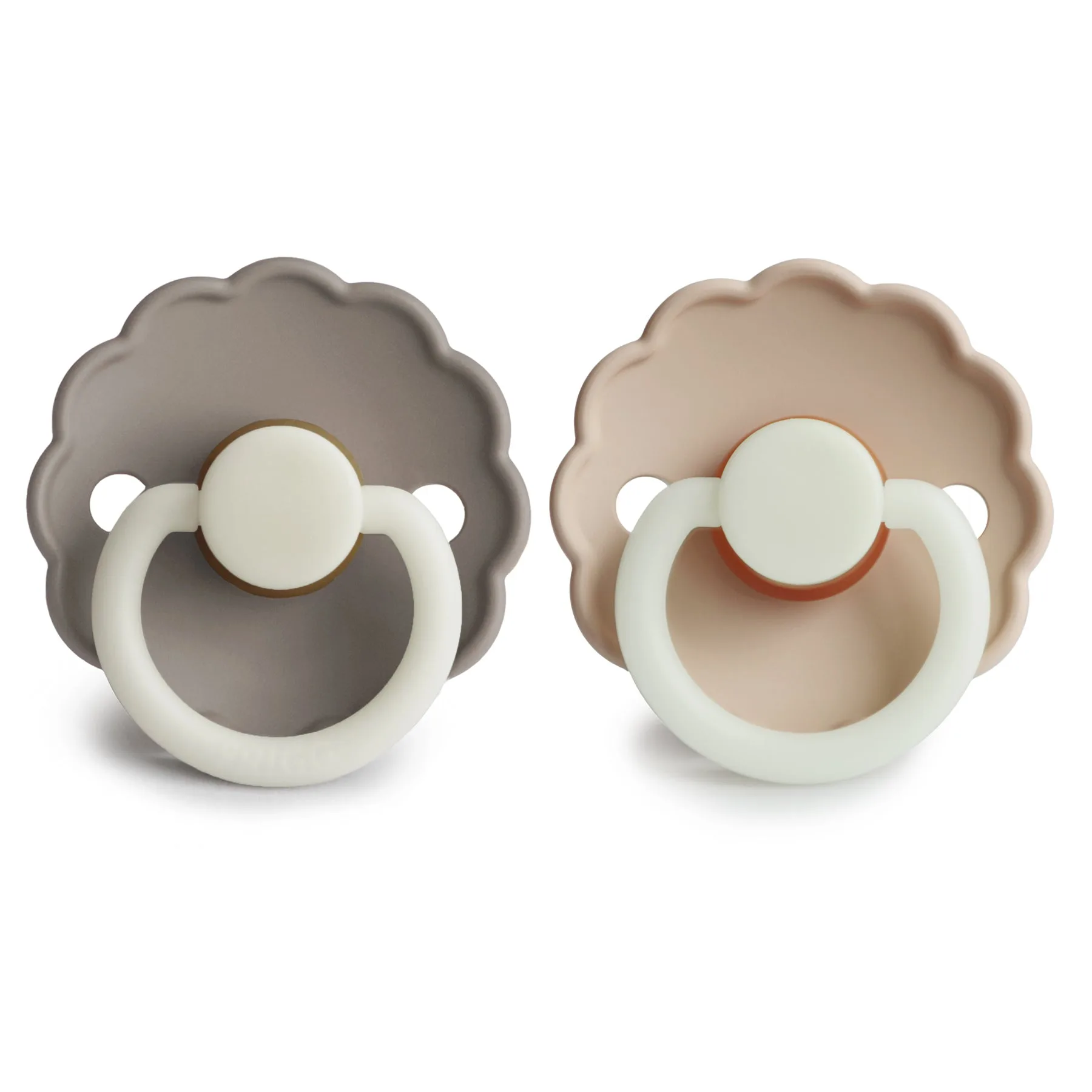
FRIGG Daisy Night Natural Rubber Pacifier 2-Pack
- Maintain a firm mattress with a tight-fitting sheet.
- Keep the room cool and well-ventilated.
- Offer a pacifier at sleep time, but don't force it.
Choosing the Right Crib Mattress and Accessories
Your crib mattress is the foundation of safe sleep. Look for a firm, flat mattress that meets federal safety standards. Avoid memory foam or soft mattresses, which can conform to your baby's face and increase suffocation risk. The mattress should fit snugly in the crib—if you can fit more than two fingers between the mattress and crib frame, it's too small.
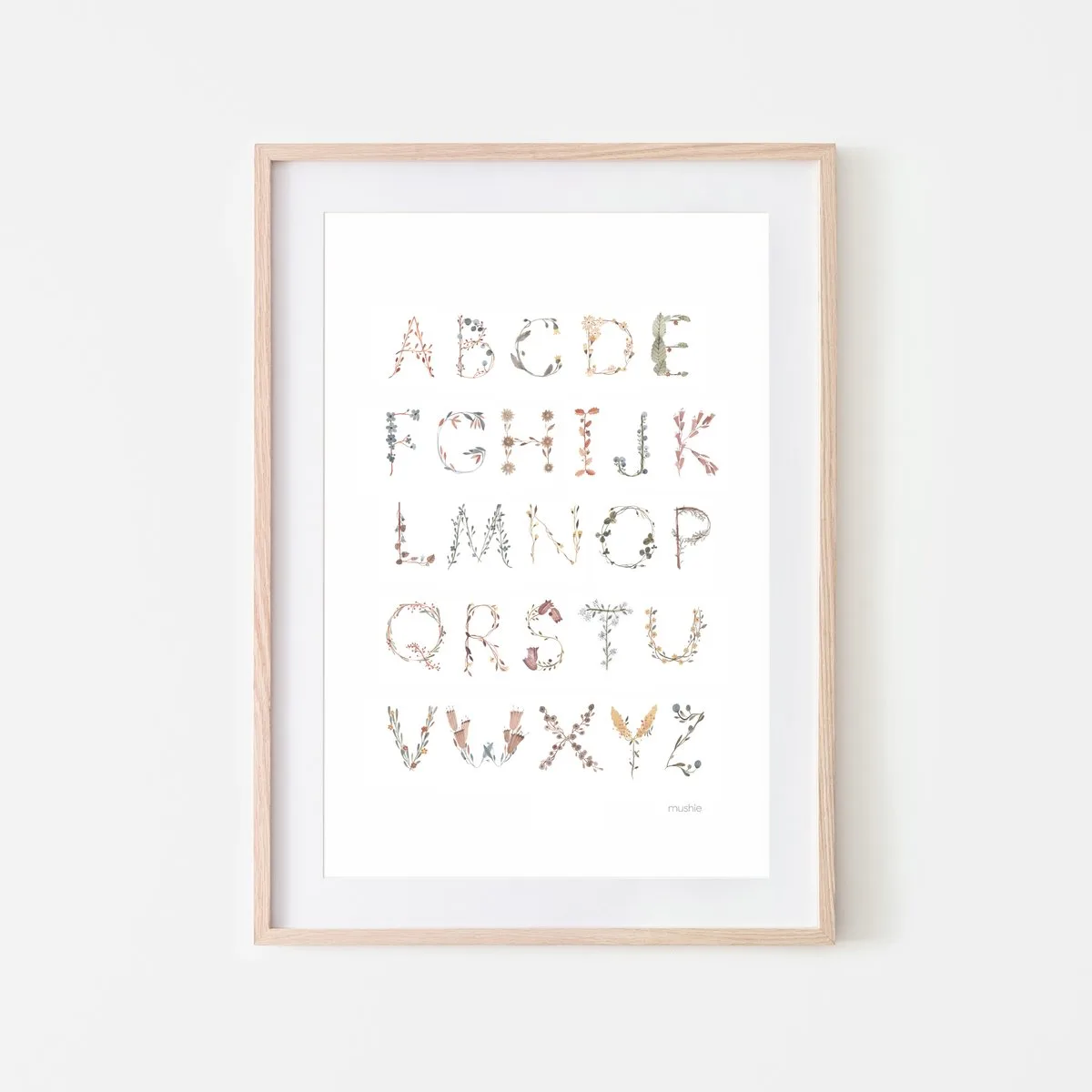
When it comes to accessories, less is more. Skip crib skirts with long fabric that can be pulled, and avoid decorative pillows or blankets. For parents who want to add a touch of personality to the nursery without compromising safety, consider wall art like the Alphabet Floral Poster. It adds charm to the room while keeping the sleep zone bare and secure. Remember, safety always comes before aesthetics.
- Choose a firm, flat mattress with a waterproof cover.
- Check the fit regularly as your baby grows.
- Decorate the walls, not the crib.
Common Nursery Bedding Mistakes to Avoid
Even well-meaning parents can make mistakes when setting up the nursery. One common error is using a crib bumper, which was once thought to prevent limb entrapment but is now linked to suffocation and SIDS. Another mistake is placing the crib near windows with cords from blinds or curtains, which pose strangulation risks. Always keep the crib away from windows, heaters, and dangling cords.
Parents also sometimes use adult blankets or comforters in the crib, which are too heavy and can overheat the baby. Stick to products specifically designed for infant sleep. If you're using a pacifier clip to keep a pacifier within reach, ensure it's a breakaway clip that won't get caught on clothing or bedding. The Silicone Pacifier Clip | Hera is a safe option that attaches securely to your baby's clothing without posing a choking hazard.
- Never use crib bumpers or sleep positioners.
- Keep cords, blinds, and curtains out of reach.
- Use only infant-safe bedding and accessories.
Nursery bedding safety doesn't have to be complicated. By following simple guidelines—using a firm mattress, a tight-fitting sheet, and no loose items in the crib—you can create a safe sleep environment for your baby. As your child grows, you can gradually introduce safe blankets and accessories. For more essential nursery products designed with safety in mind, explore the FRIGG Lucky Symmetrical Silicone Pacifier 2-Pack (0-6 Months) to support your baby's comfort and peace of mind.