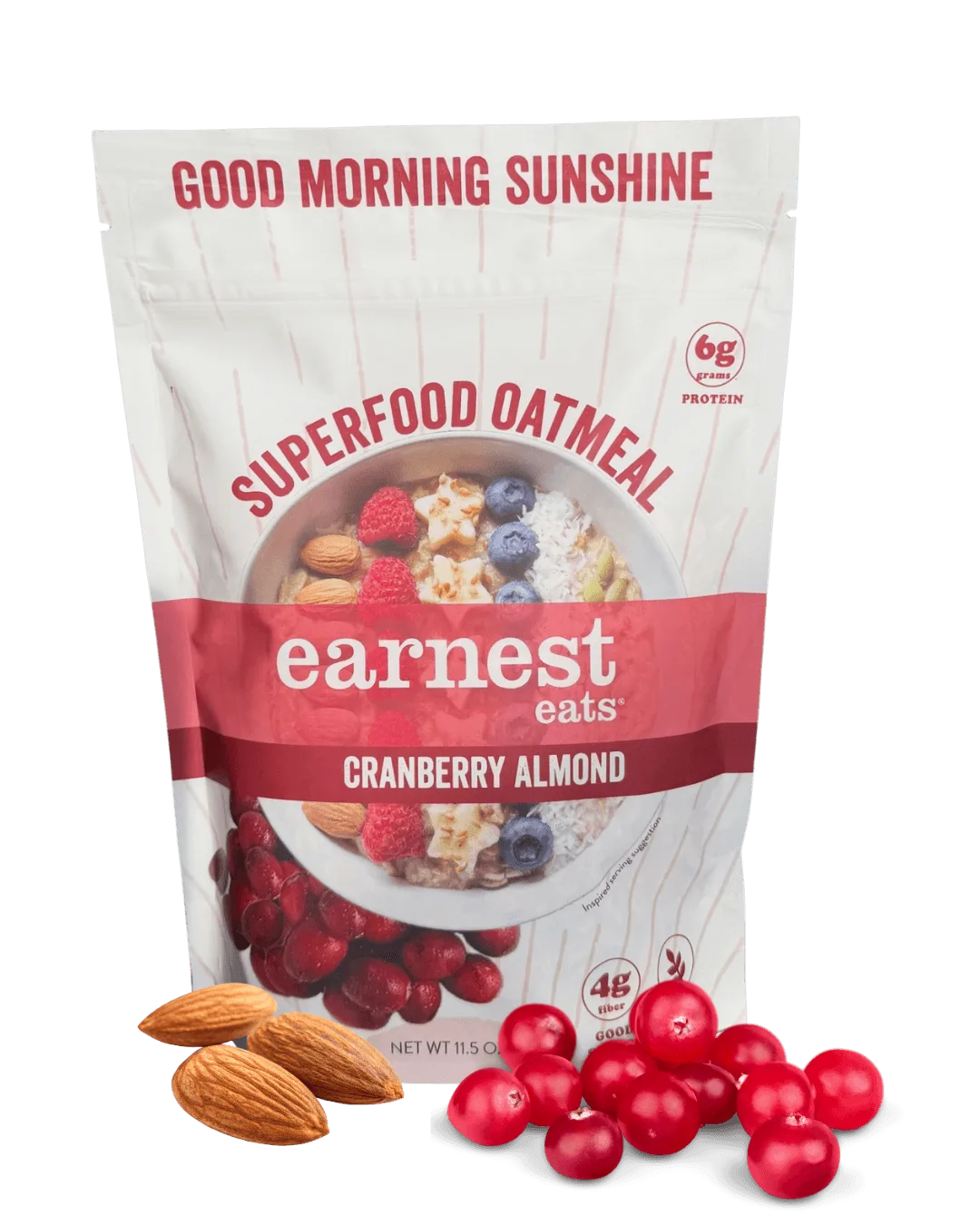
When it comes to nurturing your digestive system, few breakfast choices rival the power of oatmeal. Beyond its comforting warmth and versatility, oatmeal is a standout source of prebiotic fiber—a type of carbohydrate that feeds the beneficial bacteria in your gut. This article explores the science behind oatmeal gut health, explains how prebiotic fiber oatmeal works, and offers practical advice for incorporating oats into your daily routine for optimal digestive wellness.
Your gut microbiome plays a crucial role in everything from immune function to mental health. Feeding it the right nutrients is essential, and oats digestive health benefits are backed by decades of research. Whether you prefer instant cups, bags, or baked goods, understanding how oats support your microbiome can transform your morning meal into a targeted health strategy.
What Is Prebiotic Fiber and Why Does It Matter?
Prebiotic fiber is a non-digestible food ingredient that selectively stimulates the growth and activity of beneficial bacteria in the colon. Unlike probiotics, which are live bacteria, prebiotics serve as food for those microbes. Oats are particularly rich in beta-glucan, a soluble fiber that acts as a powerful prebiotic. When you consume oatmeal, beta-glucan travels to your large intestine, where gut bacteria ferment it, producing short-chain fatty acids (SCFAs) that reduce inflammation and strengthen the gut lining.
A diet low in prebiotic fiber can lead to an imbalance in gut flora, linked to digestive discomfort, bloating, and even chronic conditions. By including prebiotic fiber oatmeal regularly, you provide a steady fuel source for beneficial species like Bifidobacteria and Lactobacilli. This not only improves digestion but also enhances nutrient absorption and supports immune regulation.
- Beta-glucan in oats is one of the most studied prebiotic fibers for gut health.
- Short-chain fatty acids from fiber fermentation nourish colon cells and reduce inflammation.
- Consistent intake of prebiotic fiber helps maintain a diverse and resilient microbiome.
How Oatmeal Supports Digestive Health Beyond Fiber
While prebiotic fiber is the star, oatmeal offers other compounds that benefit the gut. Oats contain polyphenols, avenanthramides, and antioxidants that reduce oxidative stress in the digestive tract. These compounds work synergistically with fiber to protect the gut lining and promote regular bowel movements. Soluble fiber also absorbs water, softening stool and preventing constipation—a common complaint for those with sluggish digestion.
Moreover, oatmeal is naturally low in FODMAPs (fermentable oligosaccharides, disaccharides, monosaccharides, and polyols) compared to many other grains, making it gentler for people with irritable bowel syndrome (IBS) or sensitive stomachs. Choosing minimally processed options, such as steel-cut or rolled oats, preserves the fiber structure and maximizes prebiotic benefits. For convenience, products like the Cranberry Almond Superfood Oatmeal Cups offer a quick way to enjoy these benefits without sacrificing quality.
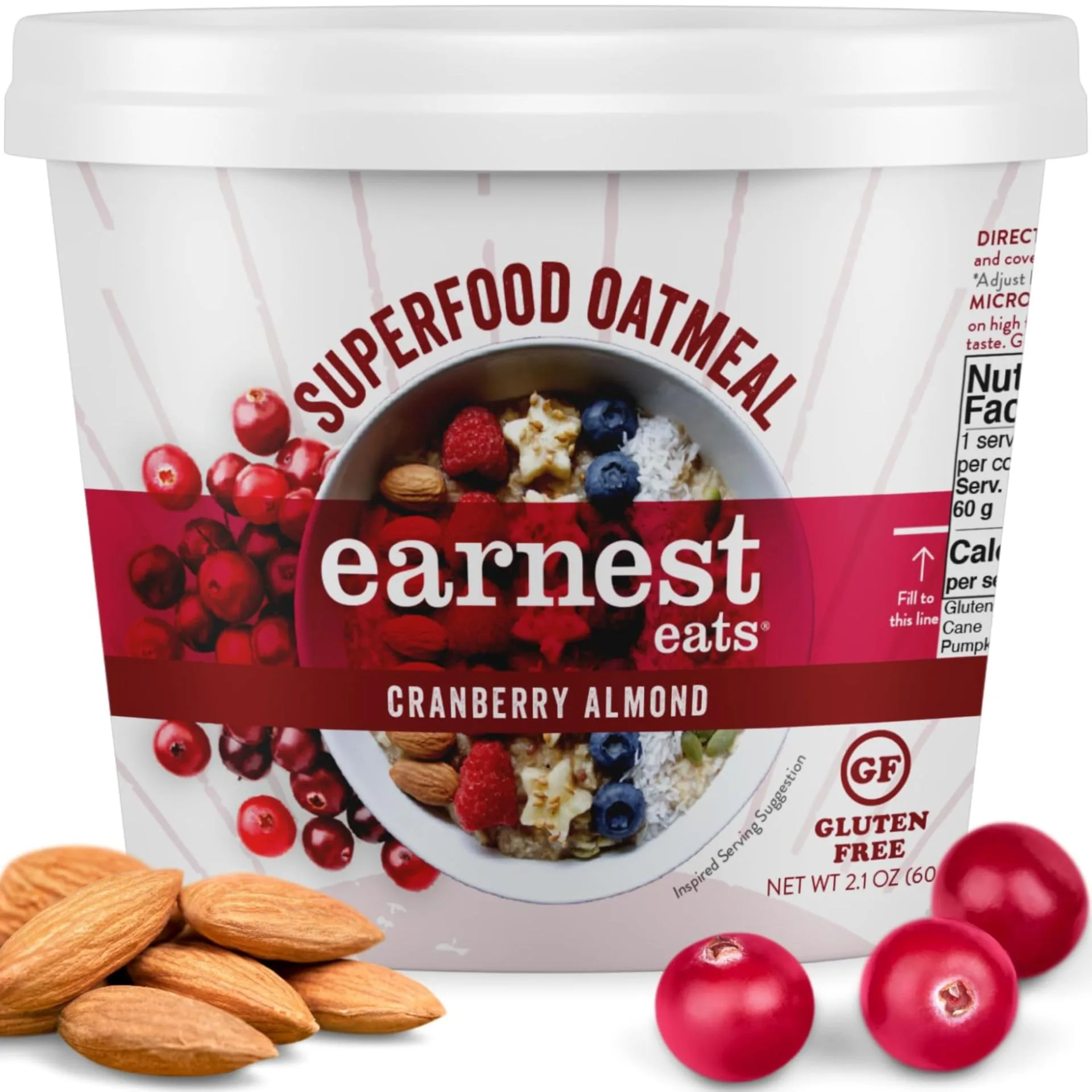
Cranberry Almond Superfood Oatmeal Cups
- Avenanthramides in oats reduce inflammation in the gut lining.
- Oatmeal's low FODMAP content makes it suitable for many digestive sensitivities.
- Pairing oats with probiotic foods (e.g., yogurt) can enhance gut health synergy.
Choosing the Best Oatmeal for Gut Health: Cups, Bags, and Pantry Staples
Not all oatmeal products are created equal when it comes to gut health. Highly processed instant oats often have a lower fiber content and may contain added sugars or artificial flavors that can disrupt the microbiome. For maximum prebiotic benefit, opt for whole oat groats, steel-cut, or rolled oats. However, if you need convenience, look for options with minimal ingredients and no added sweeteners. The Superfood Oatmeal Cups Variety Pack provides a range of flavors while keeping the oat base intact, making it a smart choice for busy mornings.

Superfood Oatmeal Cups Variety Pack
Another factor is the addition of gut-friendly toppings. Adding a spoonful of honey—such as Wild Nectar Australian Organic Ironbark Honey—can provide natural sweetness along with antimicrobial properties that support oral and gut health. Similarly, incorporating nuts, seeds, or berries adds extra fiber and polyphenols. For a complete pantry approach, consider stocking both oatmeal cups for travel and oatmeal bags for home preparation, ensuring you always have a gut-healthy option available.
- Choose oats with at least 4 grams of fiber per serving for prebiotic benefits.
- Avoid products with high fructose corn syrup or artificial sweeteners that can harm gut bacteria.
- Store oats in an airtight container to preserve freshness and fiber integrity.
Practical Tips to Maximize Oatmeal's Prebiotic Effects
To get the most out of your oatmeal for gut health, preparation matters. Soaking oats overnight or cooking them thoroughly helps break down phytic acid, which can interfere with mineral absorption. This also makes the beta-glucan more accessible to gut bacteria. Adding a pinch of salt and a splash of lemon juice or vinegar during cooking can further reduce phytic acid levels.
Consider rotating your oat varieties to expose your microbiome to different fiber structures. Steel-cut oats take longer to digest, providing a slower release of prebiotic fuel, while rolled oats offer a moderate option. For those with sensitive digestion, starting with smaller portions and gradually increasing intake can help avoid gas or bloating as your gut adjusts. Pairing oatmeal with a source of healthy fat (like almond butter) can also slow digestion and enhance satiety.
- Soak oats overnight to improve digestibility and prebiotic availability.
- Rotate between steel-cut, rolled, and quick oats for diverse fiber profiles.
- Add fermented foods like kefir or kimchi to your oatmeal bowl for a probiotic boost.
The Long-Term Benefits of Oats for Digestive Wellness
Regular consumption of oatmeal is associated with a lower risk of digestive disorders, including diverticulitis, colorectal cancer, and inflammatory bowel disease. The SCFAs produced from beta-glucan fermentation help maintain the integrity of the intestinal barrier, preventing leaky gut syndrome. Over time, a diet rich in prebiotic fiber from oats can also improve metabolic health by regulating blood sugar and cholesterol levels.
Incorporating oatmeal into your routine doesn't have to be boring. Experiment with savory oatmeal bowls topped with sautéed greens and a poached egg, or sweet versions with cinnamon and apple. The key is consistency—aim for at least one serving of whole-grain oats per day to support your gut microbiome. With the wide variety of products available, from cups to bags to pantry staples, there's no excuse not to make oatmeal a daily habit.
- Studies show that oat beta-glucan can increase beneficial gut bacteria within weeks.
- Oats digestive health benefits extend to improved immune function and reduced inflammation.
- A diverse diet with multiple fiber sources, including oats, yields the best microbiome results.
Your gut is the foundation of your overall health, and oatmeal is one of the simplest, most effective ways to support it. By choosing high-quality, minimally processed oats and pairing them with gut-friendly toppings, you can harness the prebiotic power of beta-glucan every morning. Start your journey to better digestive wellness today with a bowl of superfood oatmeal—your microbiome will thank you.