Two health-monitoring litters with different targets
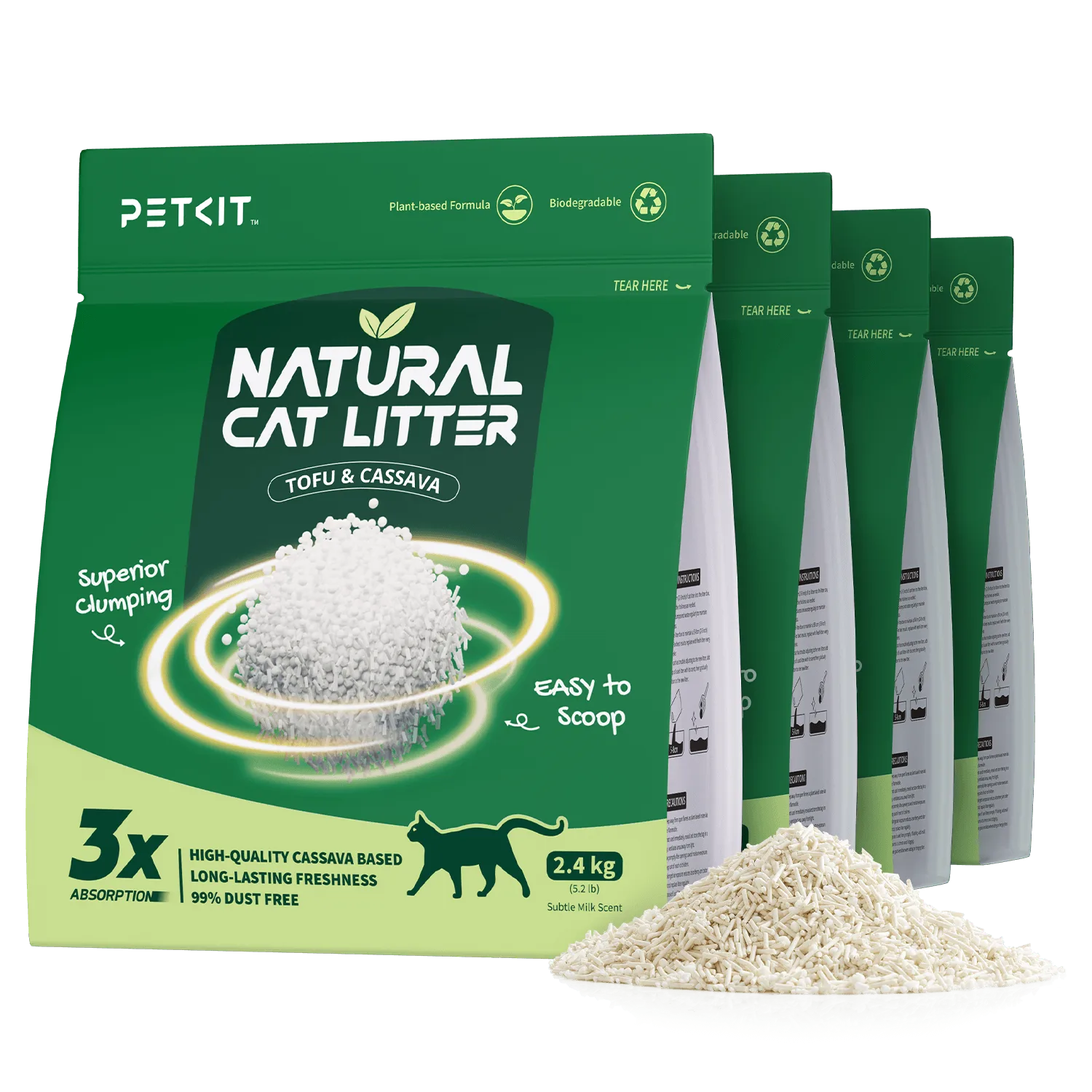
PETKIT offers two litters designed to give you insight into your cat's urinary health, but they work in fundamentally different ways. The Occult Blood Test Cat Litter is a clumping clay litter that changes color when it contacts trace blood in urine. The Urine Monitor Crystal Litter (pH Detection) is a crystal litter specifically made for the PETKIT Purobot Crystal Duo automatic litter box and changes color to reveal urine pH shifts. Understanding what each detects—and what it doesn't—helps you choose the right tool for your cat's health monitoring routine.
What the products actually do
-
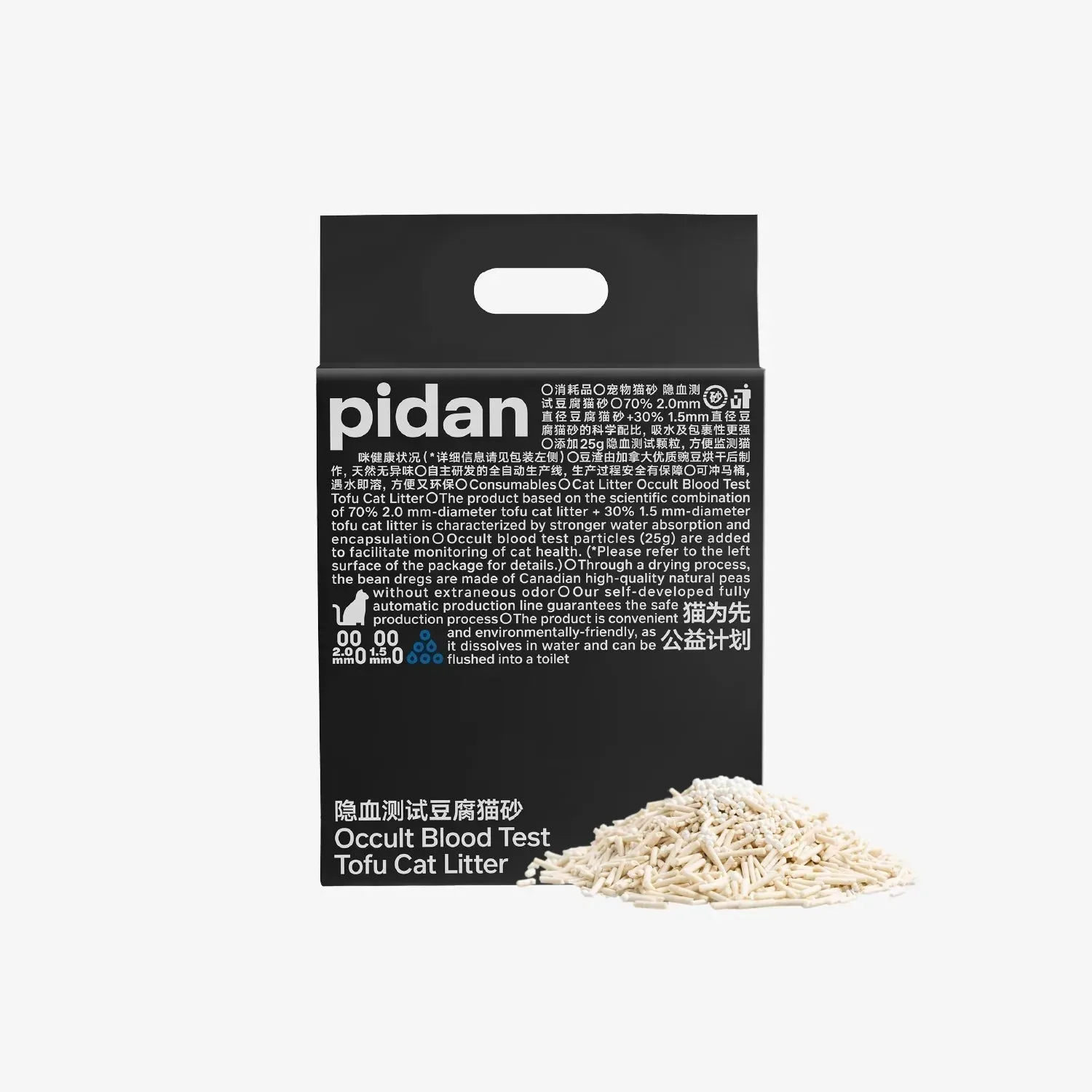
Occult Blood Test Cat Litter: The test particles in the cat litter will change color within 3s when exposed to trace blood and the color will remain visible for 7 days, enabling easy detection of occult blood in your cat's urine. This gives you a quick, visual alert for potential internal bleeding or urinary tract issues—but only for blood, not for pH or other markers.
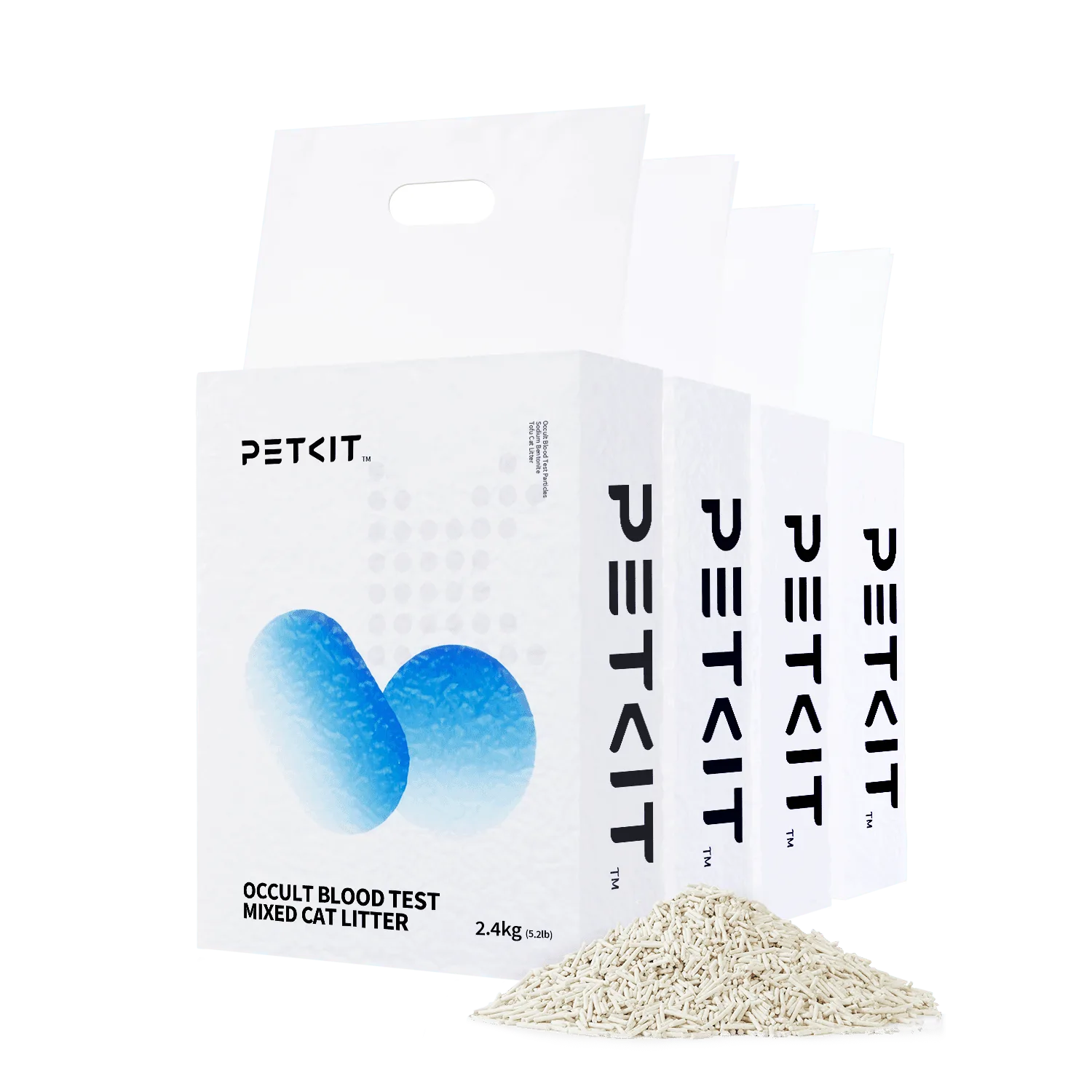
Occult Blood Test Cat Litter
-
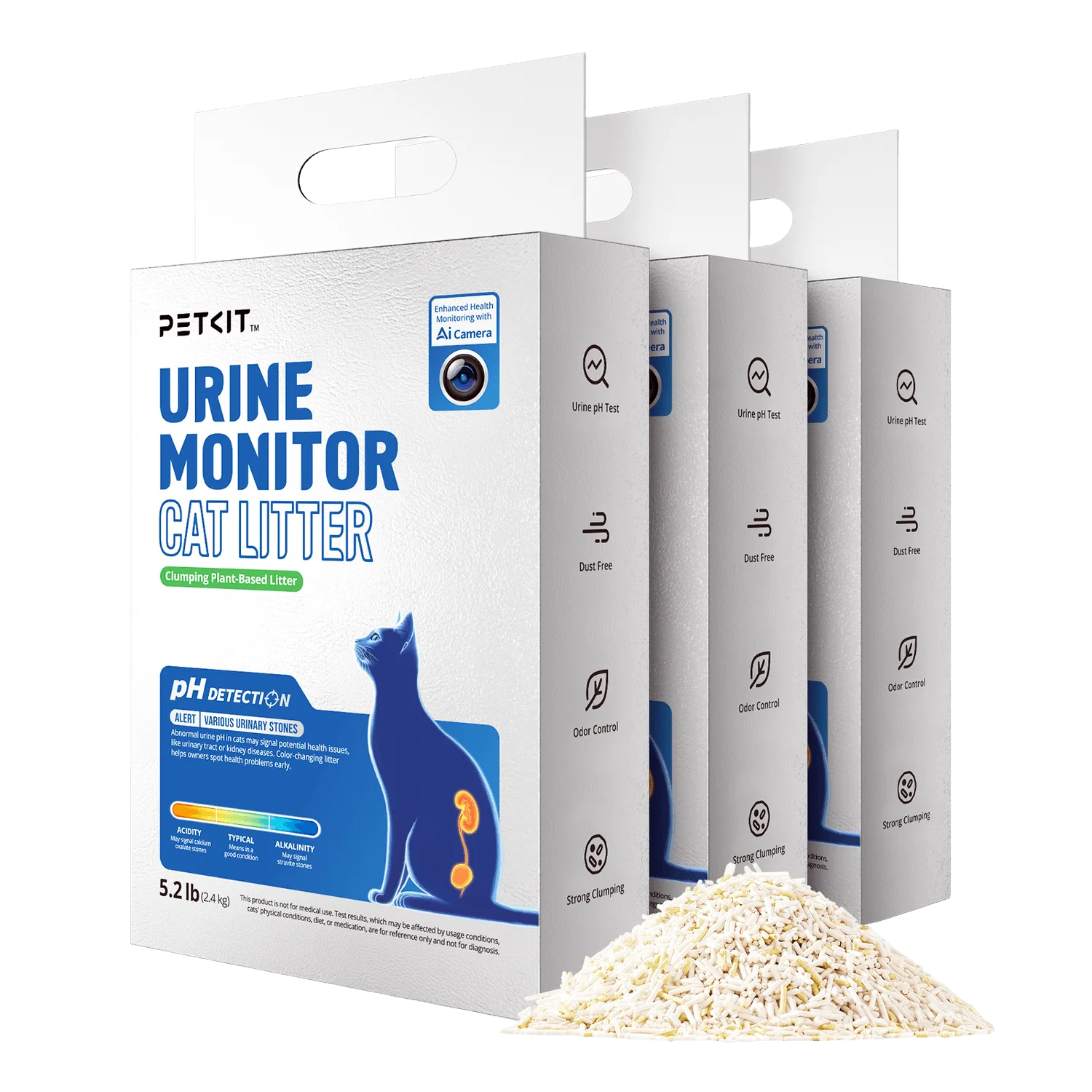
Urine Monitor Crystal Litter (pH Detection): Its color-changing formula reveals urine pH changes, helping you spot early signs of cat urinary risks right from home. pH changes can indicate conditions like urinary tract infections or crystals, but this litter does not detect blood. It is also designed exclusively for the Purobot Crystal Duo litter box.
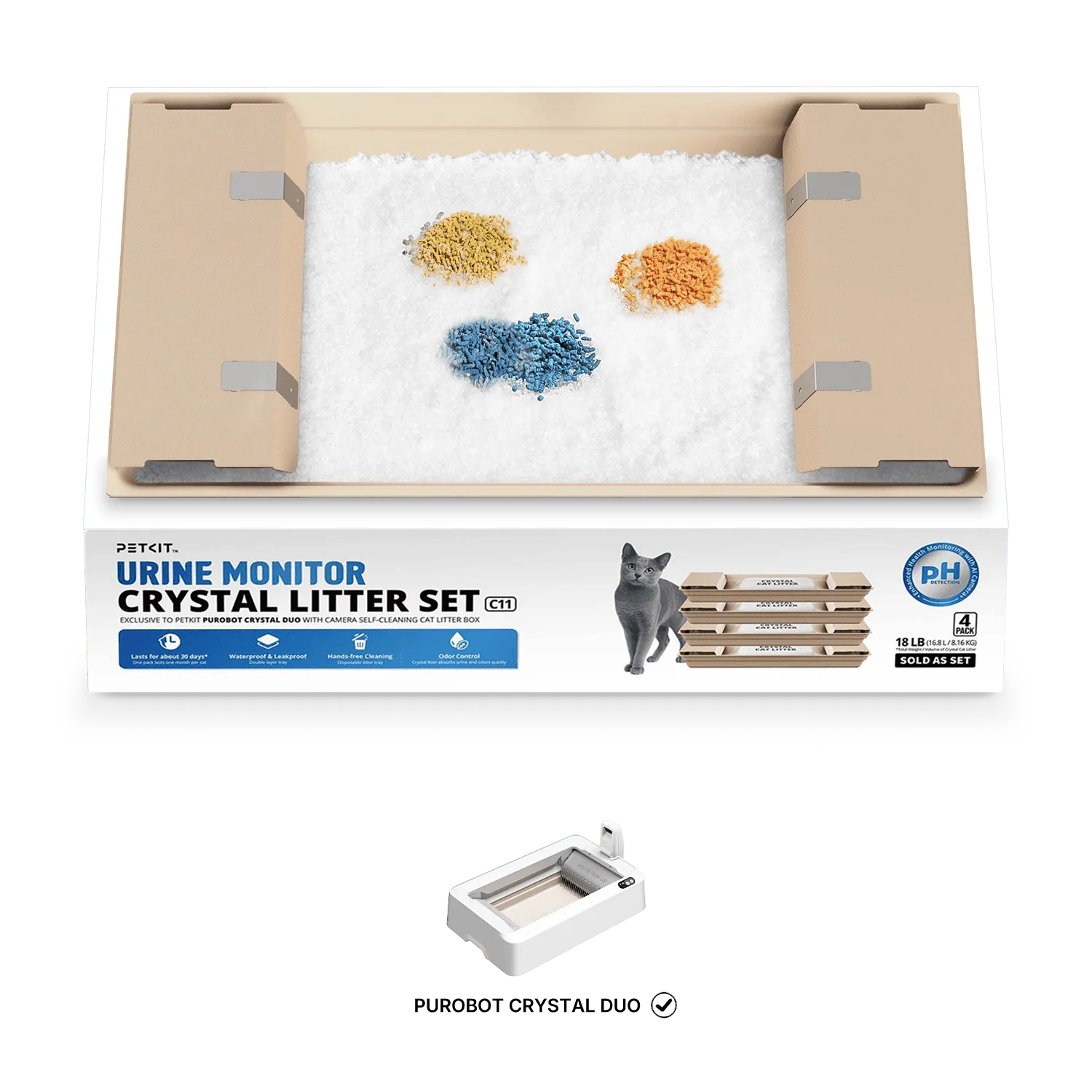
Urine Monitor Crystal Litter (pH Detection)
Compatibility and setup differences
The Occult Blood Test Cat Litter is a standard clumping litter that works in any litter box. It forms tight clumps and reduces odor, making it easy to scoop and monitor. The Urine Monitor Crystal Litter is only compatible with the PETKIT Purobot Crystal Duo automatic litter box. If you don't own that specific box, the crystal litter cannot be used effectively. This is a key practical constraint: the blood detection litter offers more flexibility, while the crystal litter locks you into a specific hardware system.
What each litter does not tell you
Neither litter provides a complete health picture. The occult blood test litter detects blood only—it won't show pH, glucose, or other markers. The crystal litter detects pH changes but not blood. If your goal is comprehensive urinary health monitoring, you may need to use both products in sequence or consult your vet for additional testing. The supplied information does not confirm that either litter can detect infections, kidney disease, or other conditions without further veterinary diagnosis.
Occult Blood Test Litter vs Crystal Litter: Quick Comparison
- What it detects: Occult Blood Test Litter: Trace blood in urine. Crystal Litter: pH changes in urine.
- Litter type: Occult Blood Test Litter: Clumping clay. Crystal Litter: Crystal (silica-based).
- Compatible litter boxes: Occult Blood Test Litter: Any standard litter box. Crystal Litter: PETKIT Purobot Crystal Duo only.
- Color change duration: Occult Blood Test Litter: Color remains visible for up to 7 days. Crystal Litter: Not specified in supplied information.
- Dust level: Occult Blood Test Litter: 99% dust-free formula. Crystal Litter: Not specified in supplied information.
- Odor control: Occult Blood Test Litter: Rapidly forms tight clumps, reducing odor. Crystal Litter: Long-lasting freshness (from catalog facts).
- Package options: Occult Blood Test Litter: 2-bag or 4-bag packs. Crystal Litter: Standard single pack.
Choosing between them
If you want to monitor for blood in your cat's urine and prefer using a standard litter box, the Occult Blood Test Cat Litter is the straightforward choice. It works with any box, clumps well, and gives you a week-long visual cue. If you already own the Purobot Crystal Duo and want to track pH trends, the Urine Monitor Crystal Litter integrates seamlessly with that system. For a broader health picture, you might use the blood test litter in a standard box and the crystal litter in the Purobot—but that requires two separate setups. Neither product replaces a vet visit; both are early-warning tools for specific markers.