Start With the Fiber Blend
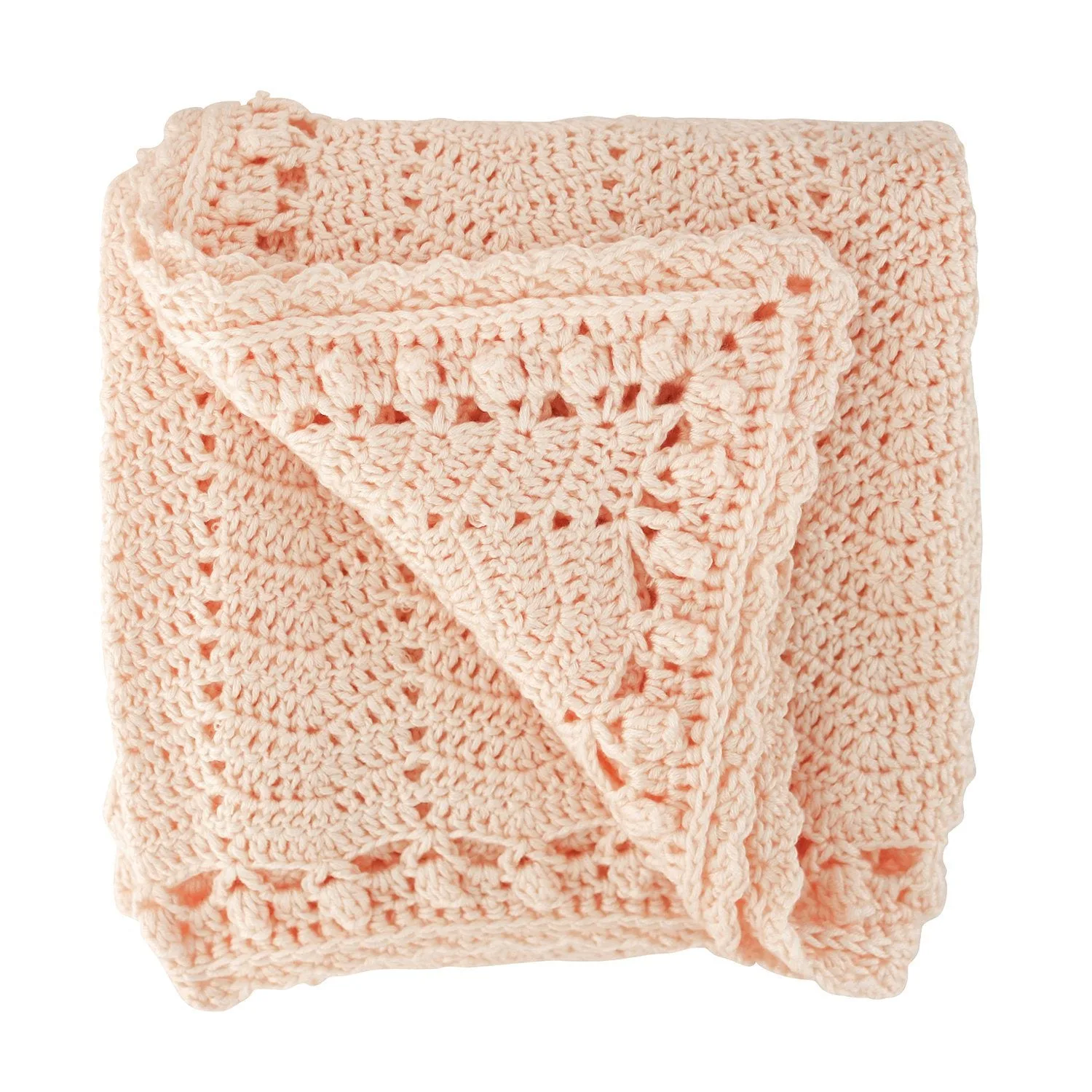
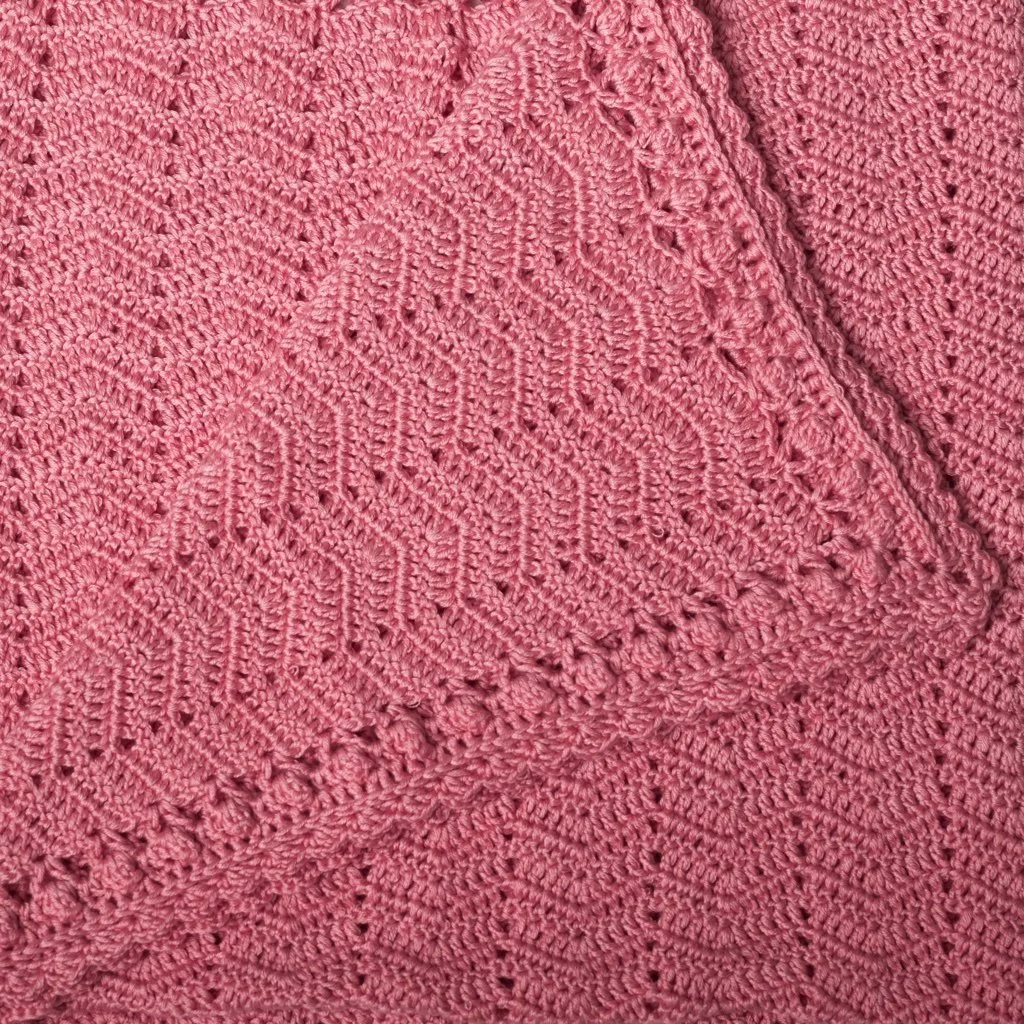
The Ocean Blue Crochet Baby Blanket is 60% cotton, 30% milk fiber, and 10% cashmere, hand-crocheted to a 36 x 36in size. That blend feels soft and breathable, but it also means you should treat the blanket gently: the supplied care guidance recommends hand washing.
Before you wash, check the swing tag on your blanket. It is made from recycled material and may carry the same hand-wash recommendation. If the tag is missing, use the hand-wash method below as your default rather than guessing at machine settings.
What the Label Tells You
-
Ocean Blue Crochet Baby Blanket: Hand Wash Recommended. This is the only supplied care instruction, so it should guide every wash decision.
Ocean Blue Crochet Baby Blanket
-
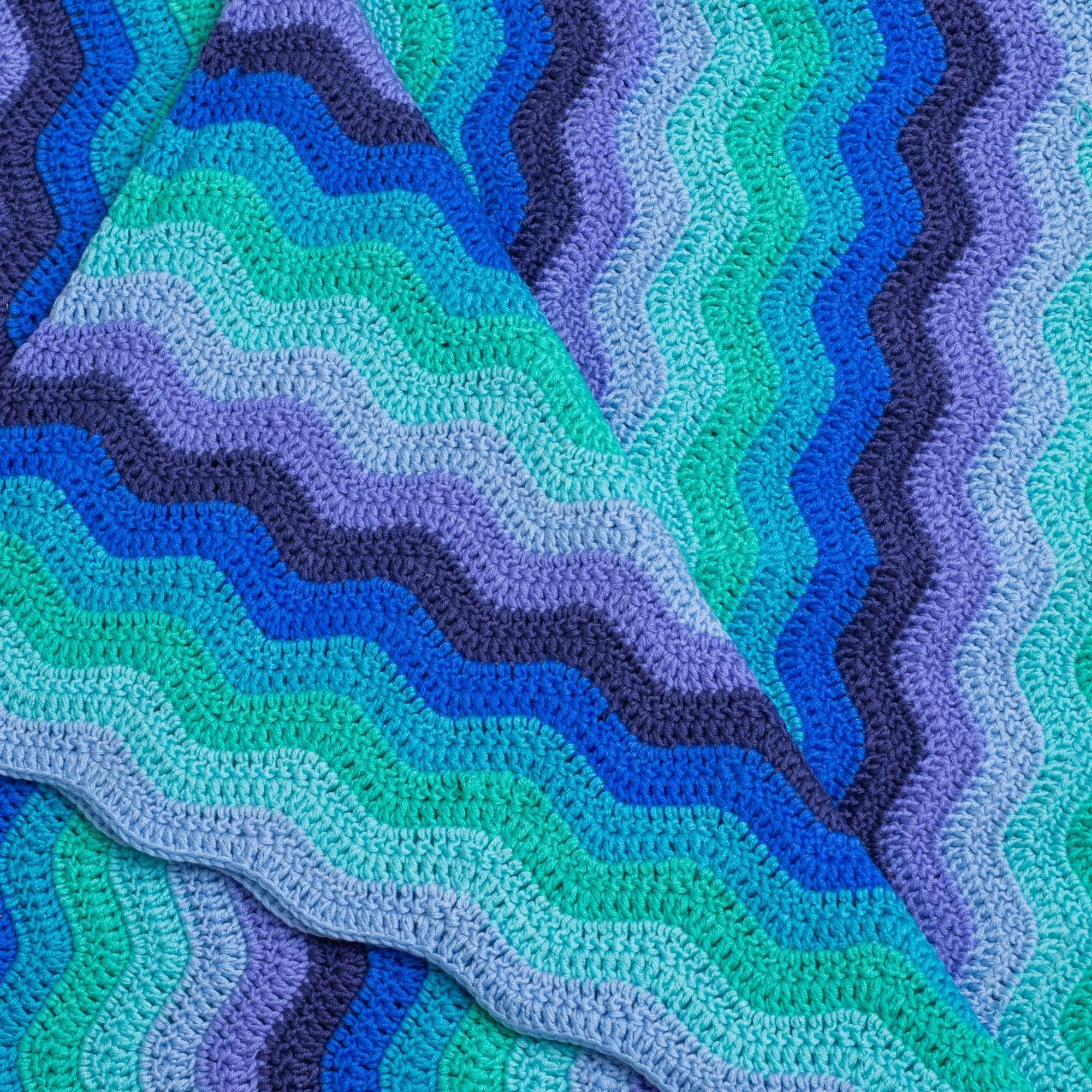
Ocean Blue Crochet Baby Blanket: 36 x 36in / 60% COTTON, 30% MILK FIBER, 10% CASHMERE The natural-fiber blend explains why gentle handling matters for softness and shape.
How to Hand Wash Your Crochet Baby Blanket
Use these steps when the blanket needs a full wash. Work in a clean sink or basin and keep the water cool or lukewarm—hot water can stress natural fibers.
- Fill a basin with cool water: Add a small amount of mild detergent made for delicate or woolen items. Swish it through the water before adding the blanket.
- Submerge and soak gently: Place the blanket in the water and press it down softly. Let it soak for a few minutes, but avoid rubbing or wringing the crochet stitches.
- Rinse without twisting: Lift the blanket out and drain the basin. Refill with clean cool water and press the blanket gently to rinse. Repeat until the water runs clear.
- Remove excess water carefully: Do not wring or twist. Instead, press the blanket between two clean towels or roll it in a towel to absorb water.
Drying Tips That Protect the Stitches
Lay the blanket flat on a clean, dry towel or a drying rack in a shape that matches its 36 x 36in size. Keep it out of direct sunlight and away from radiators or other heat sources, which can make natural fibers feel stiff or cause shrinkage.
Turn the blanket over once halfway through drying so air reaches both sides. Avoid hanging the wet blanket, because the weight of the water can stretch the crochet fabric out of shape.
Keeping the Blanket Soft
The cotton, milk fiber, and cashmere blend is naturally soft, but repeated washing with harsh detergent can leave it feeling rough. Use only a mild, pH-neutral detergent and skip fabric softener, which can coat the fibers and reduce breathability.
A gentle shake after drying helps separate the crochet stitches and fluff the surface. Store the blanket folded rather than compressed so the fibers have room to relax.
What to Do About Pilling
Pilling is small balls of fiber that form on the surface of natural-fiber knits and crochet. If you notice pills on your blanket, do not pull them off—that can tug the stitches. Instead, lay the blanket flat and gently remove the pills with a fabric shaver or a small pair of scissors, working slowly and keeping the blade parallel to the surface.
Washing the blanket inside a mesh laundry bag during hand washing can help reduce friction, but the supplied care guidance still calls for hand washing rather than machine washing.
Storage Ideas for Your Crochet Blanket
Store the blanket clean and fully dry. Fold it loosely and place it in a breathable cotton bag or a pillowcase rather than a sealed plastic bin, which can trap moisture. Keep it in a dry, dark place away from direct sunlight.
For everyday use, drape the blanket over a chair or store it in a basket near the nursery. Avoid compressing it under heavy items for long periods, as that can flatten the crochet texture.
When to Stop and Check
If the blanket has a spill, blot it with a clean cloth and cool water rather than rubbing. For anything beyond a simple refresh, follow the hand-wash method above. The supplied information does not include machine-wash, tumble-dry, or bleach instructions, so avoid those methods unless a future care tag explicitly allows them.
Inspect the blanket after each wash for loose stitches or pulled yarn. Small repairs are easier to make before the blanket goes back into rotation.