Quick answer
Start with one shallow water station, add two or three Ocean Explorer Bundle pieces, and let your child lead the story. Build outward from there: a rescue mission, a tide-pool sort, a color hunt. Keep sessions to 15 to 25 minutes, dry the cubes after play, and store them separately from the water bin.
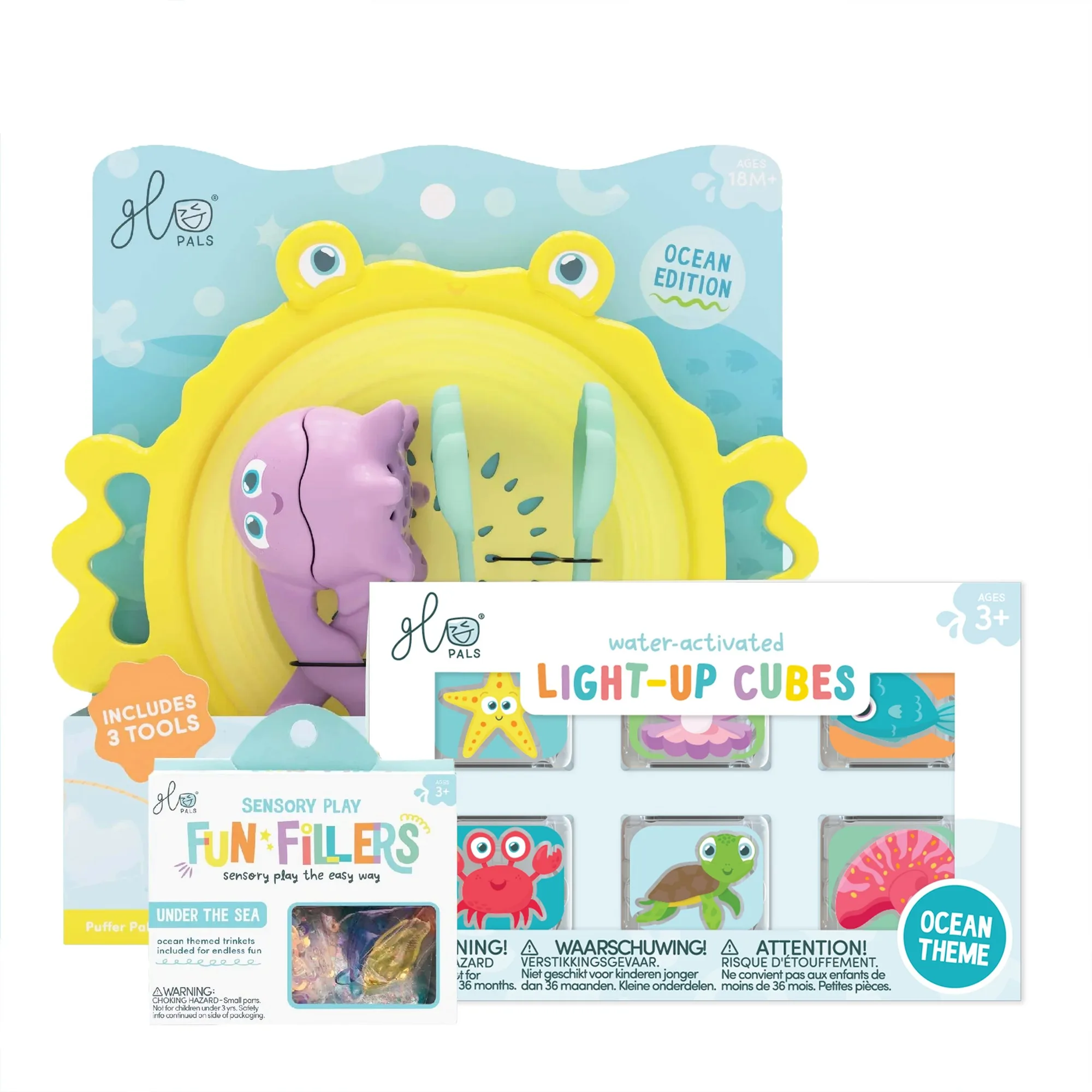
Ocean Explorer Bundle
The Ocean Explorer Bundle is a themed set, so it rewards a little planning. Instead of dumping everything into the tub at once, you can stage it as a small ocean world and rotate the pieces across a week of play. That keeps the novelty alive and gives you a reason to revisit the same toys without them going stale.
Below are seven activities in the order I would actually run them, from easiest setup to most involved. Each one includes the mistake that usually derails it, so you can skip the trial and error.
Set up your ocean base before you open the bundle
Fill a shallow bin or the tub with two to three inches of water and place a towel underneath. Have a small drying cloth and a separate dry bowl ready before you bring out any pieces. The bundle is a treasure trove of Glo Pals best-sellers, including limited edition Ocean Light-Up Cubes, so you want a landing spot for wet pieces from the first minute.
The common mistake here is skipping the dry bowl. If wet cubes sit in a puddle between activities, they stay damp and get tossed around, which shortens their useful life. A dry bowl also gives kids a natural pause point: pieces go in the water, then back to the bowl.
- Keep water shallow enough that a seated child can reach the bottom without leaning in.
- Set the bin on a towel, not carpet, even if you think it will not spill.
Run a rescue mission with the Ocean Light-Up Cubes
Drop the Ocean Light-Up Cubes into the water and tell a simple story: the sea creatures need to be found and brought back to the reef. Your child scoops, names, and relocates each piece. The glow makes it easy to spot pieces in dim light, which turns a plain scooping task into a search.
The mistake is narrating the whole story yourself. Give the setup in one sentence, then ask a question: who is missing, where did they go, who can help. Kids fill in more than you expect, and the activity lasts longer when they are the ones deciding what happens next.
- Dim the bathroom light a little for the rescue mission, then brighten it for cleanup.
- Name the pieces together as they are rescued to build ocean vocabulary.
Sort a tide pool by color and shape
Move the water to a shallow tray and add a few dry cups or bowls. Ask your child to sort the pieces by color, then by size, then by which ones glow. This is ocean sensory play with a sorting task layered on top, and it works well for kids who like order and repetition.
The common mistake is making the sort too hard too fast. Start with two categories, not five. If your child loses interest, stop sorting and go back to open play. The sorting is a hook, not the point.
- Use clear cups so kids can see the color grouping from the side.
- Let them re-sort the same pieces a second time in a different way.
Build a shoreline with everyday kitchen items
Add a dry zone to the bin: a small tray of sand, rice, or just a dry towel island. Kids move pieces between the dry shore and the water, which introduces a simple cause-and-effect loop. Pieces glow in water and stop glowing when they come out, so the boundary between zones is visible and easy to talk about.
The mistake is using a dry material that clumps or sticks. Rice and play sand both work, but a plain dry towel is the easiest option and the fastest to clean up. If you use sand, keep it in its own tray so it does not cloud the water.
- Keep the dry zone small so it does not take over the whole bin.
- Rinse pieces before they go back into the main water area.
Add a character to lead the story
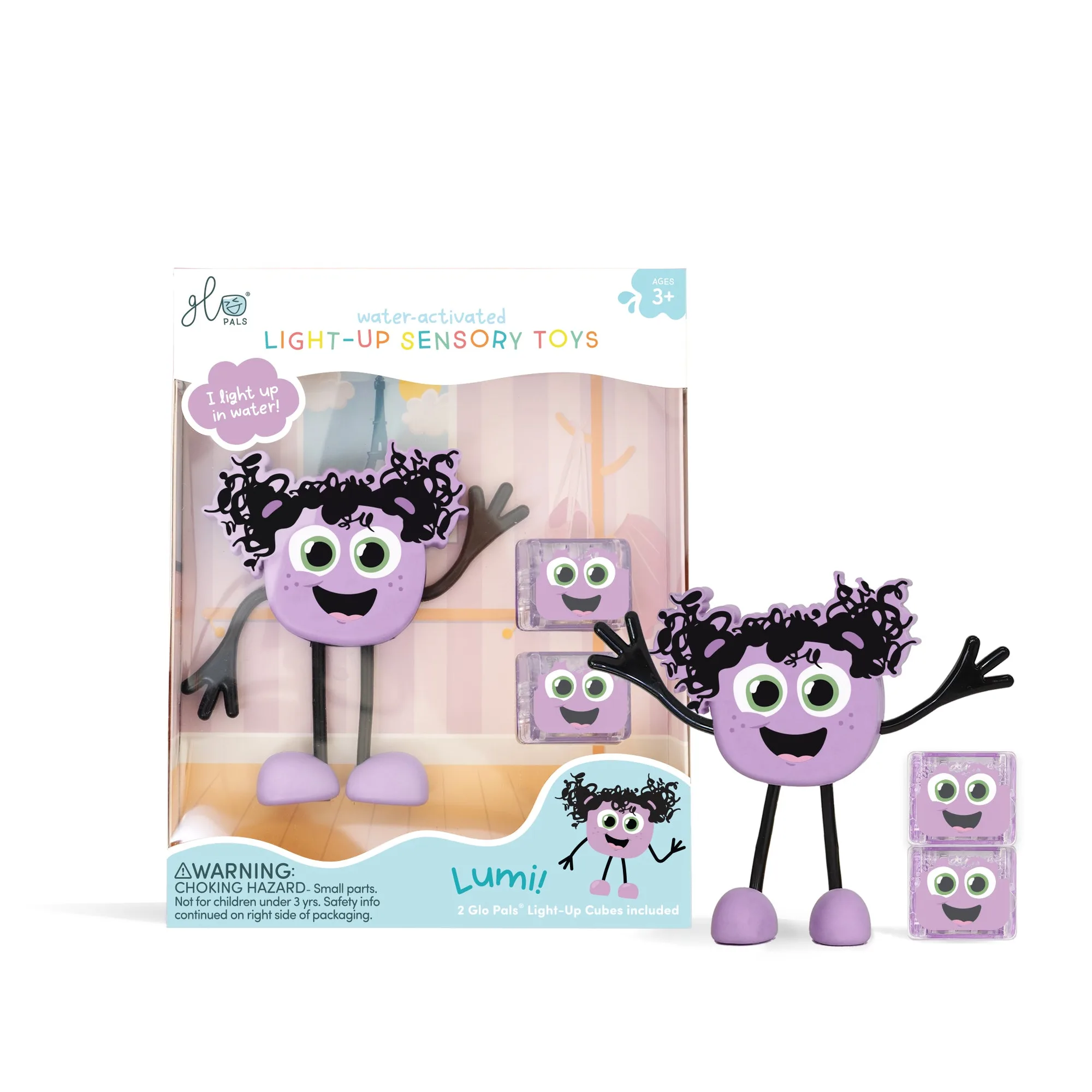
A single character changes the play from scooping to storytelling. Lumi Light-Up Character includes two Liquid-Activated Light-Up Cubes and has bendable arms, so she can hold a pose, point at something, or sit at the edge of the bin. Place a cube in her back, drop her in the water, and she becomes the guide for the session.
The mistake is introducing the character before the water is ready. If the bin is not set up, the character becomes a toy to wave around instead of a story anchor. Set the scene first, then bring her in as the one who needs help.
- Give the character a job: finder, counter, or rescuer.
- Let your child decide where the character sits between activities.
Rotate the bundle across a week instead of one long session
You do not need to use every piece every day. Split the bundle into three groups and rotate: glow pieces on day one, sorting pieces on day two, character-led play on day three. This keeps ocean theme play fresh and gives each item a turn as the center of attention.
The mistake is leaving everything in the bin overnight. Water sits, pieces stay wet, and the next session starts with a cleanup instead of play. Empty the bin, dry the pieces, and store them dry between sessions.
- Snap a photo of the setup you liked so you can repeat it in two minutes.
- Keep a small dry container for the pieces that are not in rotation.
Close every session with a two-minute dry-down
End play the same way each time: pieces out of the water, wiped with a dry cloth, and set out to air dry before storage. This is the step that protects the glow and keeps the next session easy to start. It also gives kids a clear signal that play is over without a sudden stop.
The mistake is rushing this. If pieces go into a closed container still wet, they stay damp and the next session begins with a musty bin and dull pieces. Two minutes of drying is the cheapest maintenance you can do.
- Lay pieces on a dry towel in a single layer, not piled.
- Check that the cube compartment is dry before storing the character.
Ocean Explorer Bundle activity steps
- Step 1: Set the base: Fill a shallow bin with two to three inches of water, put a towel underneath, and place a dry bowl beside it. Checkpoint: the dry bowl is within your child's reach before any piece goes in the water.
- Step 2: Start with a rescue mission: Drop the Ocean Light-Up Cubes in and give one sentence of story, then ask your child who is missing and who can help. Checkpoint: your child is naming or moving pieces without you narrating every step.
- Step 3: Layer in a sort: Move to a shallow tray and ask for a two-category sort by color or size, then let your child re-sort a different way. Checkpoint: stop sorting if interest drops and return to open play.
- Step 4: Add a dry shoreline: Place a small dry tray or towel island beside the water so pieces can move between wet and dry zones. Checkpoint: keep the dry zone small and rinse pieces before they go back in the main water.
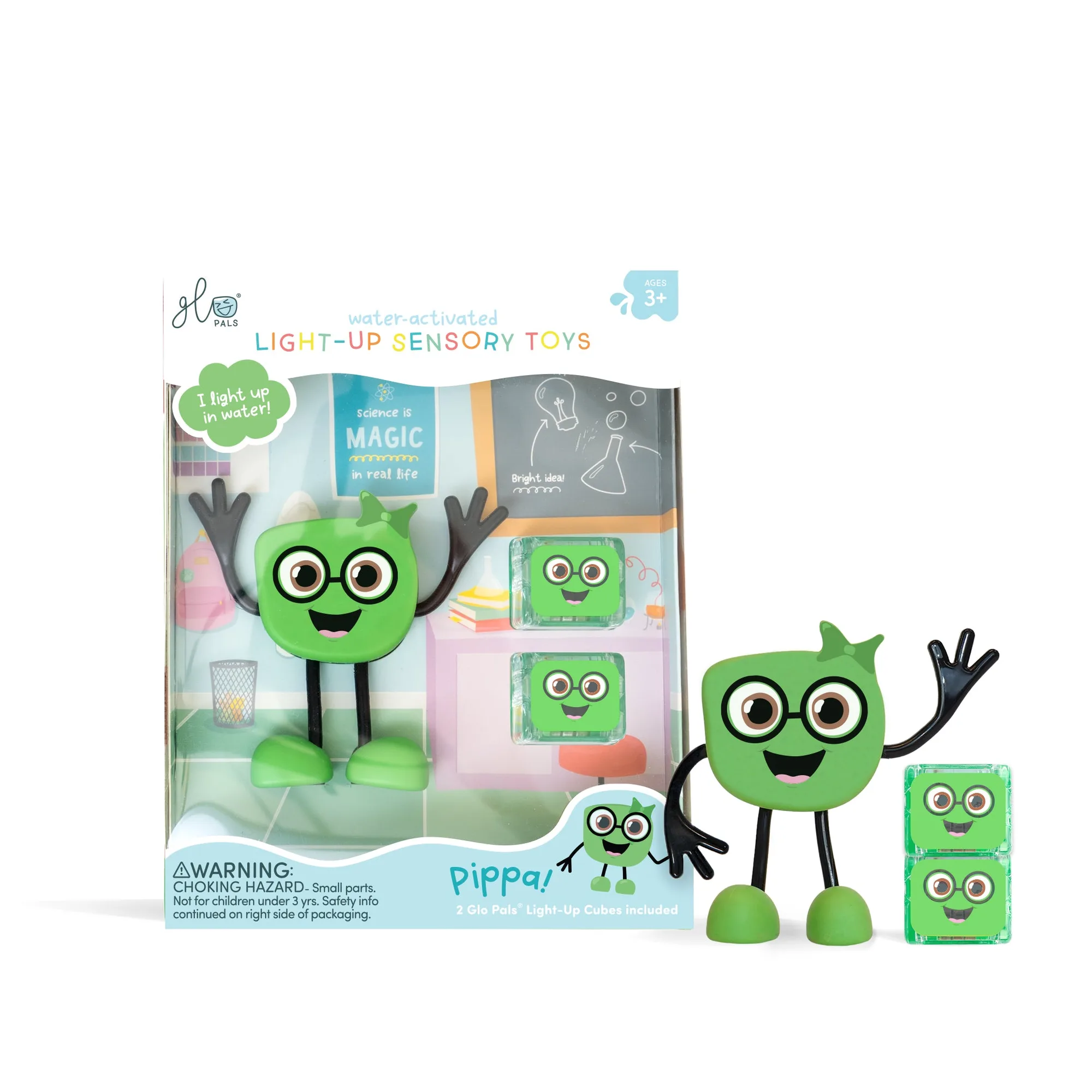
- Step 5: Bring in a character: Place a cube in the back of Lumi or Pippa, drop her in the water, and give her a job: finder, counter, or rescuer. Checkpoint: the character leads the story instead of becoming a toy to wave around.
- Step 6: Rotate across the week: Split the bundle into three groups and give each group its own session instead of using everything at once. Checkpoint: empty the bin and store pieces dry between sessions.
- Step 7: Dry down and store: Wipe each piece with a dry cloth, lay them in a single layer to air dry, then store them dry. Checkpoint: no piece goes into a closed container still wet.
Bundle facts that shape how you play
- Ocean Explorer Bundle: A treasure trove of Glo Pals best-sellers, including limited edition Ocean Light-Up Cubes, with a bonus 10% savings. Because it is a mixed set, you can split it into themed groups and rotate them across several sessions instead of using everything at once.
- Lumi® Light-Up Character: Includes 2 Liquid-Activated Light-Up Cubes and has bendable arms. The bendable arms let Lumi hold a pose or point at a piece, which makes her a natural story leader in a rescue or search activity.
- Pippa® Light-Up Character: Includes 2 Liquid-Activated Light-Up Cubes and works in baths, water tables, and sensory bins. Pippa fits the same water setups as the bundle, so you can add her to a bin session without changing your station.
The Ocean Explorer Bundle works best as a rotating set, not a one-time dump. Set the base, run one activity, dry everything, and repeat with a different theme tomorrow. That rhythm keeps ocean sensory play interesting for your child and keeps the pieces in good shape for the next session.