Quick answer
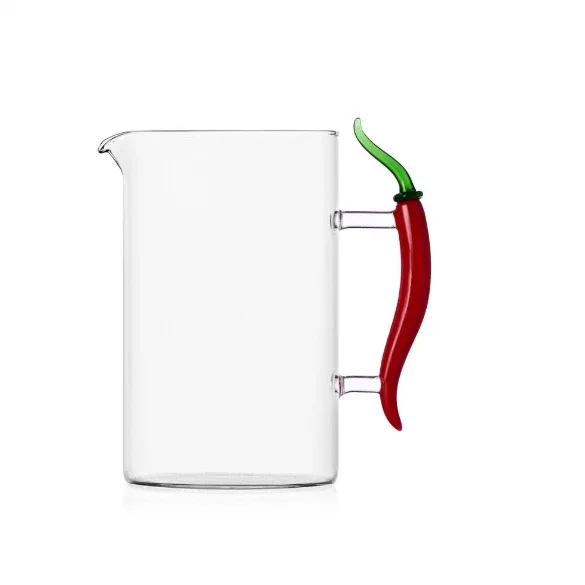
Choose an oil bottle if you pour freely for cooking, finishing, or dressing a large bowl; choose a vinegar cruet if you need small, controlled drops of acidic liquid. For most kitchens, one of each is the practical setup: the Ichendorf Milano Vegetables oil bottle tomato handles oil, while a small glass cruet handles vinegar. If you only buy one, match it to how you actually pour, not to how the set looks.
Pour control is the real difference
An oil bottle and a vinegar cruet are not interchangeable because oil and vinegar behave differently. Oil is viscous and pours in a slow, steady stream, so a bottle with a narrow neck or a controlled spout gives you predictable coverage over a salad or pan. Vinegar is thin and sharp; a cruet with a small opening or a stopper lets you add it drop by drop, which matters when a splash too much can overwhelm a dressing. If you have ever tipped a wide-mouth bottle over a bowl and watched vinegar rush out, you already know why the two formats exist.
Capacity: how much do you actually pour?
Dressing bottle size should follow your habit, not a standard number. A 0.35L bottle like the Ichendorf Milano Vegetables oil bottle tomato holds enough for several salads or a week of cooking without needing a refill, yet it is still light enough to lift and pour one-handed. A smaller cruet, often 100–250ml, keeps vinegar fresh because you empty and refill it more often. If you make vinaigrette in the same bowl every night, a larger oil bottle plus a small cruet is the efficient pair. If you only drizzle occasionally, a small cruet alone may be enough.
Material and care shape daily use
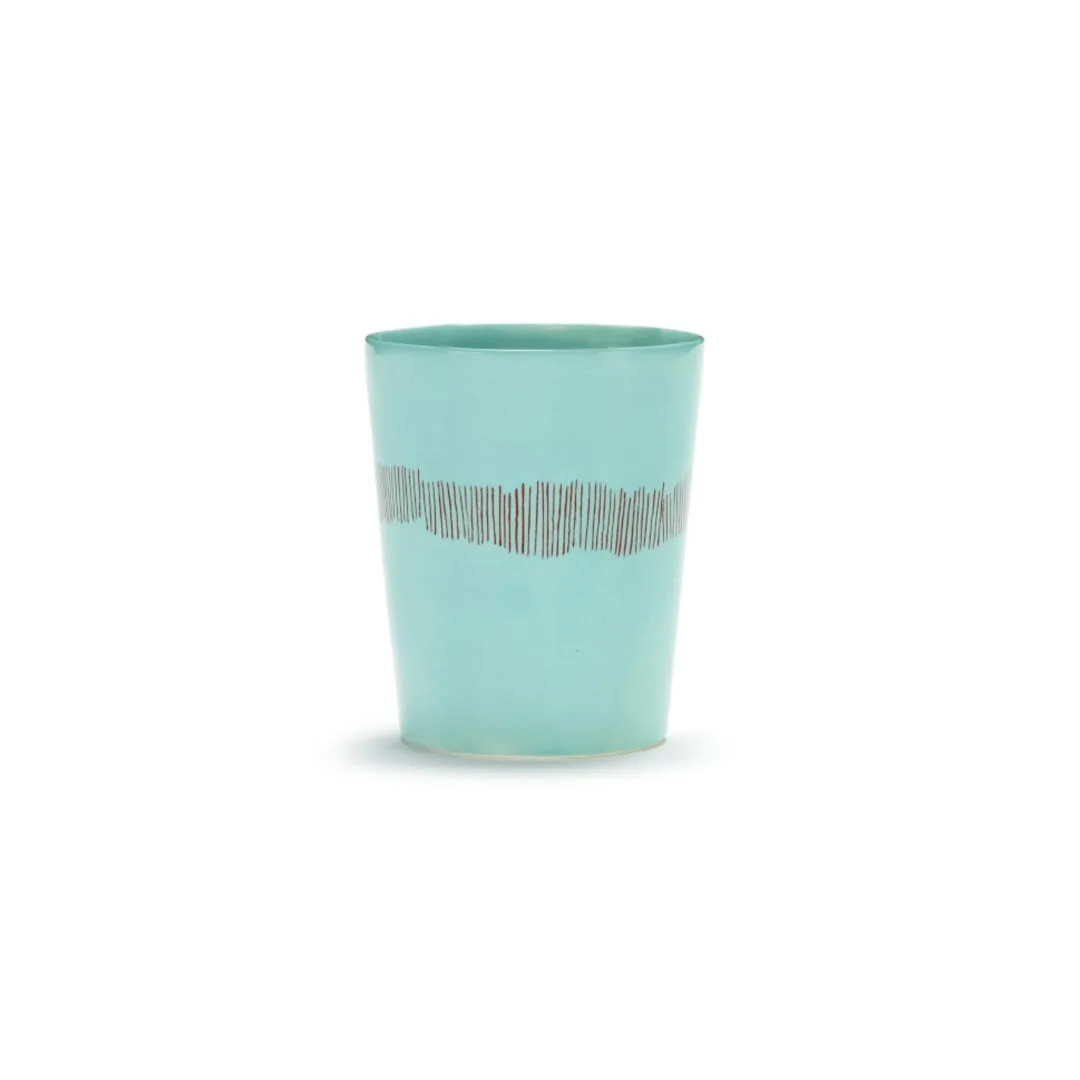
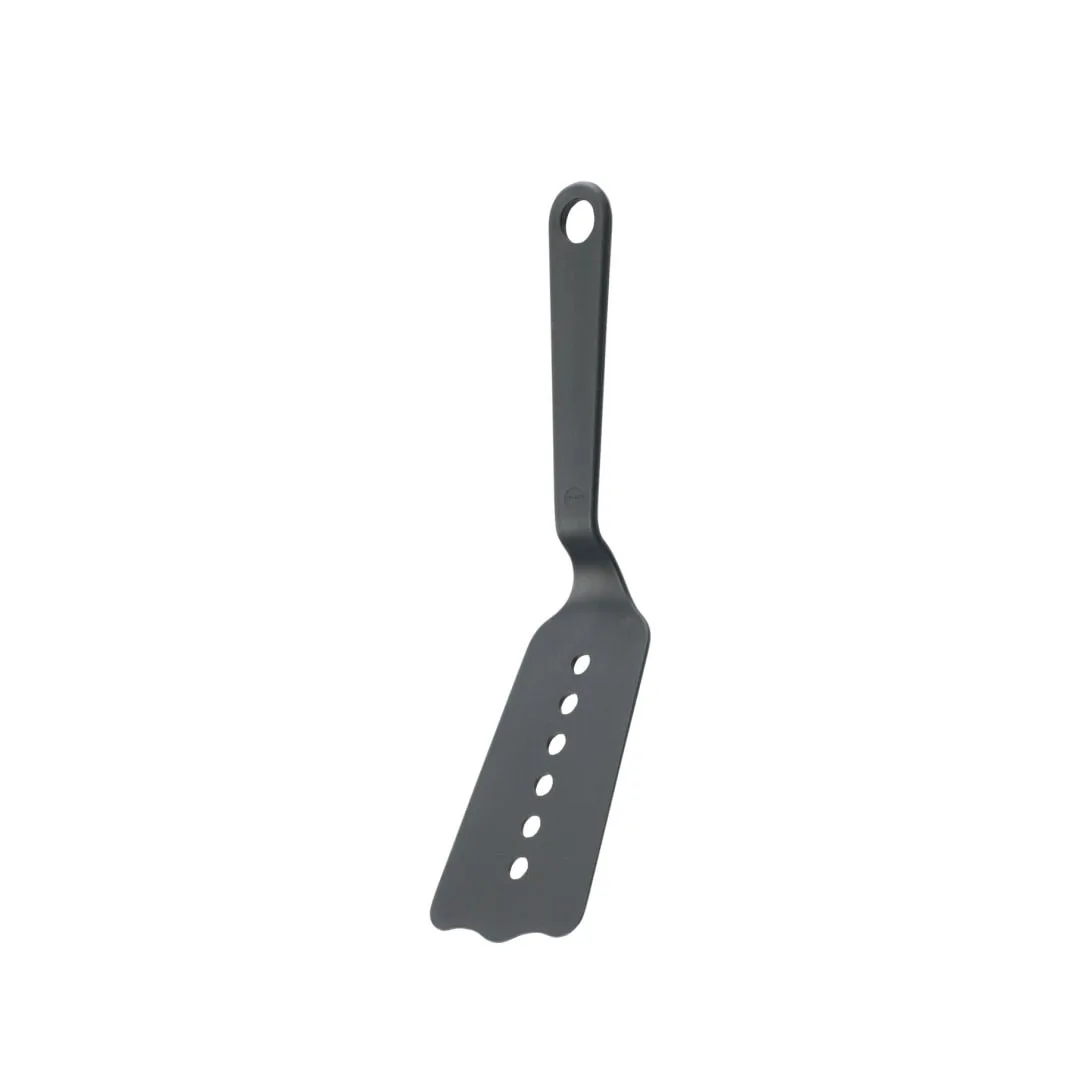
Glass is the default for oil and vinegar because it does not retain flavors or stains and lets you see the liquid level. The Ichendorf Milano bottle is dishwasher safe at low temperatures, with 40°C recommended, which makes cleanup simple as long as you keep it off the hottest cycle. Stoneware, like the Serax Feast white salad bowl with blue stripes, belongs to the serving side rather than the pouring side; it is dishwasher-friendly and pairs visually with a glass cruet or oil bottle on the table. Wooden pieces, such as the Serax Pure pan wood L, need hand washing and oiling, so keep them away from the sink routine if you want them to last.
When a bottle opener belongs in the same drawer
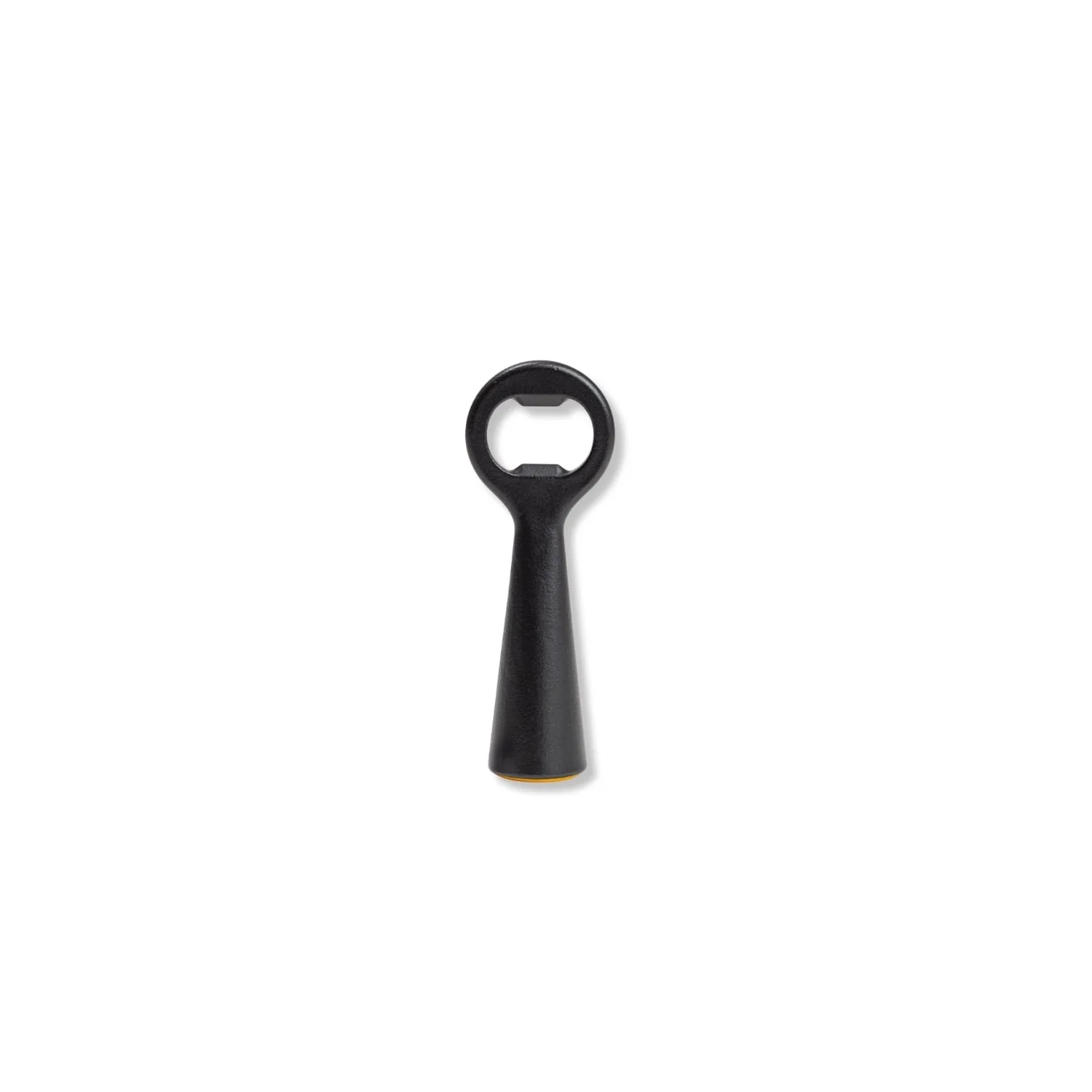
Dressing servers live near the tools you reach for at the same moment. The L'Atelier du Vin bottle opener black is a stainless steel opener with twin jaws and a synthetic leather pad that protects tabletops, so it sits comfortably in a kitchen drawer with your oil bottle and cruet. It is not a dressing tool, but if your salad course includes a bottled drink or a capped vinegar, having it within reach saves a walk. Choose it if you want one opener that works from either side and will not scratch a counter.
How to test a pour before you commit
Fill the candidate bottle or cruet with water and pour over a sink. A good oil bottle releases a thin, continuous stream you can stop cleanly; a good cruet releases drops or a very narrow stream. Check the weight when full: a 0.35L glass bottle is manageable, but a larger one may become awkward. Also check the opening width against your funnel or your refill bottle; if you decant from a bulk container, a narrow neck can turn refilling into a chore. These small tests prevent the common mistake of buying a beautiful server that you avoid using.
Decision rules for oil bottles and vinegar cruets
- If you cook with oil daily: Choose an oil bottle with a narrow pour and at least 0.35L capacity, such as the Ichendorf Milano Vegetables oil bottle tomato. You will refill less often and pour a steady stream. Buy the oil bottle first; add a cruet later if you use vinegar often.
- If you finish dishes with vinegar or citrus: Choose a small glass cruet with a restricted opening so you can add acidity in drops. A wide-mouth bottle will overshoot. Keep the cruet small so the vinegar stays fresh and you can control the pour.
- If you dress salads at the table: Pair a glass oil bottle with a stoneware serving bowl like the Serax Feast white salad bowl with blue stripes, and keep both within arm's reach. Match the bowl size to the bottle: a 28.5cm bowl handles greens for two to four people.
- If you want one piece only: Pick the format that matches your most common pour. If you drizzle oil over everything, an oil bottle earns its space; if you mostly add vinegar, a cruet does. Do not buy a set you will not use; one well-chosen server beats two ignored ones.
Products that fit this decision
- ICHENDORF MILANO Vegetables - Oil bottle tomato: Ichendorf Milano Vegetables oil bottle tomato, designed by Alessandra Baldereschi, is glass, 0.35L, H19cm x ⌀7cm, and dishwasher safe at low temperatures with 40°C recommended. The 0.35L capacity suits regular salad making and cooking, while the low-temperature dishwasher guidance keeps cleanup realistic without risking the glass.
- SERAX Feast - White salad bowl with blue stripes: Serax Feast white salad bowl with blue stripes is stoneware, H9.5cm x ⌀28.5cm, designed by Ivo Bisignano and Chef Yotam Ottolenghi. A wide stoneware bowl gives you room to toss dressed greens, so the oil bottle and cruet have a clear destination on the table.
- L'ATELIER DU VIN - Bottle opener black: L'Atelier du Vin bottle opener black is stainless steel with PVD coating, twin jaws, and a synthetic leather pad to protect tabletops. If your dressing station includes capped bottles, this opener removes the cap without scratching the counter, keeping the salad prep area functional.
Who should choose which
Best for
- Home cooks who pour oil daily for roasting, sautéing, or finishing
- Salad makers who dress a large bowl and want a steady stream
- Anyone who prefers a dishwasher-safe glass server for low-temperature cycles
Not for
- Cooks who only need vinegar in drops and rarely use oil
- Anyone who wants a single unbreakable server for outdoor or camping use
- Buyers who will not hand wash or run a low-temperature cycle