Choosing between olive oil bar soap and almond bar soap can feel overwhelming when you’re looking for a natural soap that treats your skin well. Both are beloved in the artisan soap world, but they offer different benefits depending on your skin type and preferences. In this bar soap comparison, we’ll break down the key differences in moisturizing ability, lather, scent, and best use cases so you can pick the right one for your daily routine.
Whether you have dry, sensitive, or oily skin, understanding what each soap brings to the table will help you make an informed choice. We’ll also touch on how these soaps fit into a sustainable bathroom – a topic we’ve covered before in our guide on bathroom accessories. Let’s dive into the details.
Moisturizing Properties: Olive Oil vs. Almond Oil
Olive oil bar soap is renowned for its deep moisturizing qualities. Olive oil is rich in antioxidants and vitamin E, which help nourish and protect the skin barrier. This makes it an excellent choice for dry or mature skin, as it leaves a subtle, non-greasy film that locks in moisture. Many people with eczema or psoriasis find olive oil soap soothing because it cleanses without stripping natural oils.
Almond bar soap, on the other hand, is lighter and absorbs quickly. Sweet almond oil is high in fatty acids and vitamin A, which can improve skin tone and softness. It’s particularly good for normal to combination skin, as it provides hydration without feeling heavy. Almond soap also has mild anti-inflammatory properties, making it suitable for sensitive or irritated skin. However, those with very dry skin may need a richer option like olive oil.
- Tip: If you have extremely dry skin, pair your olive oil soap with a rich moisturizer like our Enes Cotton Throw for a cozy, hydrating self-care moment.
Lather and Cleansing Experience
Olive oil soap typically produces a creamy, low-lather lather that feels gentle on the skin. It doesn’t foam as much as commercial soaps, but that’s a sign of its mildness. The cleansing is thorough yet non-stripping, making it ideal for daily face and body use. Many artisan olive oil soaps are made using the cold-process method to retain glycerin, which adds to the moisturizing effect.
Almond bar soap lathers more easily and creates a fluffy, bubbly foam. This can feel more luxurious in the shower and is often preferred for hand washing. The higher oleic acid content in almond oil gives a silky slip that rinses cleanly. If you enjoy a rich lather, almond soap might be more satisfying. Just be mindful that some almond soaps include added fragrances, so check the ingredients if you have sensitivities.
- Tip: For a spa-like feel, use almond bar soap with a natural loofah or a Flow Resin Toothbrush Holder to keep your soap dry between uses.
Scent and Aromatherapy Benefits
Olive oil bar soap has a very mild, earthy scent that many describe as clean and subtle. It doesn’t overpower, making it a great base for those who prefer unscented or lightly fragranced products. Some artisan soaps add essential oils like lavender or rosemary, but the natural olive scent remains gentle. This makes it a safe choice for people with fragrance sensitivities or for use on the face.
Almond bar soap often carries a sweet, nutty aroma that can be quite pleasant. Many almond soaps are scented with almond extract or complementary notes like vanilla or honey. This can provide a calming, comforting effect during your shower routine. However, the scent may linger longer, so if you prefer fragrance-free products, stick with olive oil. You can always layer a Room Spray 90ml | Tangier for a subtle home fragrance instead.
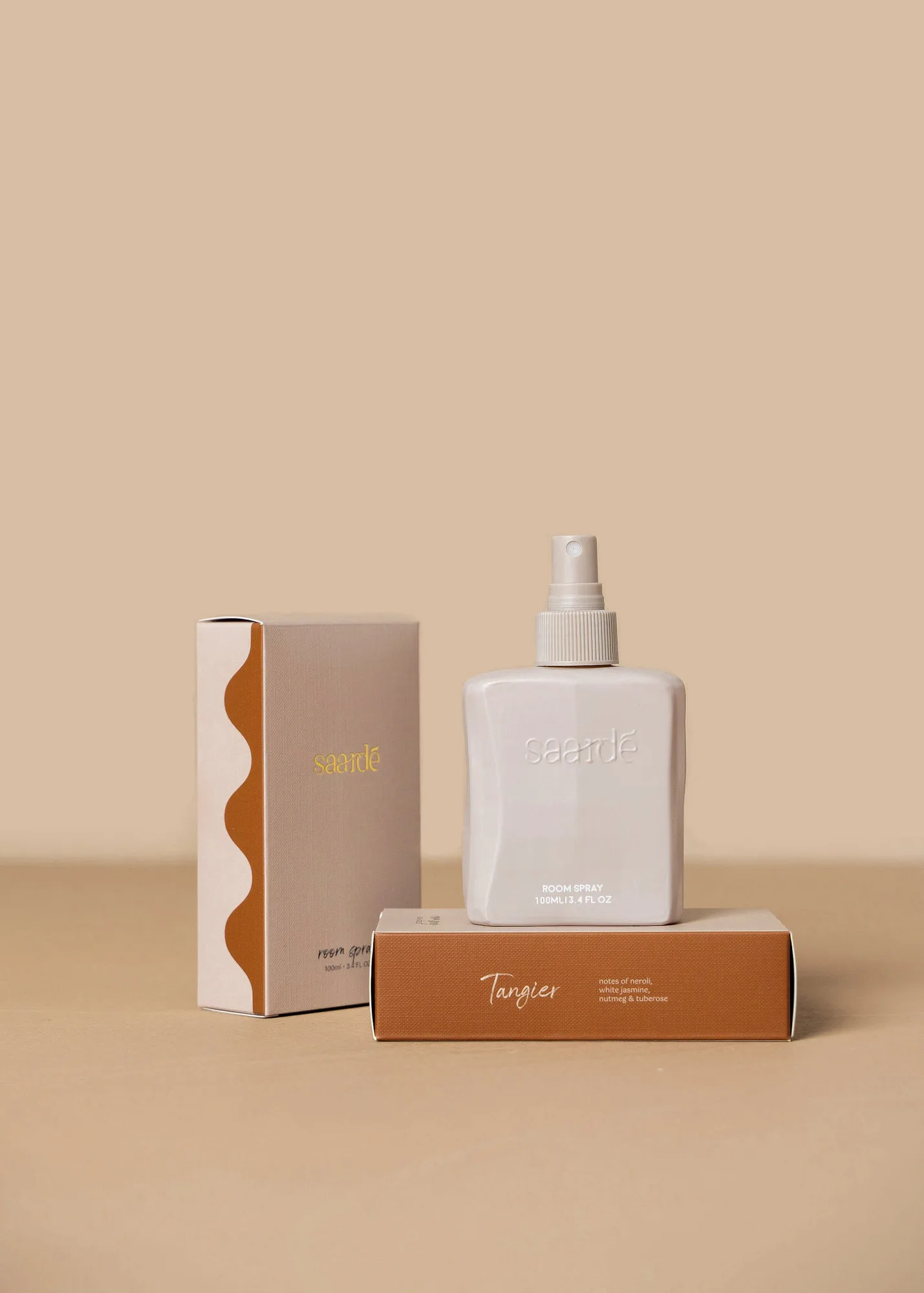
Room Spray 90ml | Tangier
- Tip: Store your bar soap on a well-draining dish, like our Flow Resin Structured Fruit Bowl, to extend its life and keep your bathroom tidy.
Which Bar Soap Is Right for Your Skin Type?
For dry, sensitive, or mature skin: Olive oil bar soap is the winner. Its deep moisturizing and gentle cleansing properties help maintain the skin’s lipid barrier without irritation. It’s also a fantastic option for those with eczema or psoriasis. If you’re looking for a natural soap for skin that prioritizes hydration, go with olive oil.
For normal, combination, or oily skin: Almond bar soap is a great choice. Its lighter texture and quick absorption balance moisture without clogging pores. The mild exfoliating properties of almond oil can also help smooth rough patches. If you enjoy a bubbly lather and a subtle sweet scent, almond soap will likely suit your routine better. Both soaps are artisan soap options that align with a natural, sustainable lifestyle.
- Tip: Consider rotating both soaps – use olive oil in winter for extra moisture and almond in summer for a lighter feel.
Both olive oil bar soap and almond bar soap have unique strengths. Olive oil excels in moisturizing and is ideal for dry or sensitive skin, while almond offers a lighter, more fragrant experience perfect for normal to oily skin. Your choice ultimately depends on your skin’s needs and your sensory preferences. Whichever you pick, you’re opting for a natural, artisan soap that cares for your skin and the planet.