Quick Answer
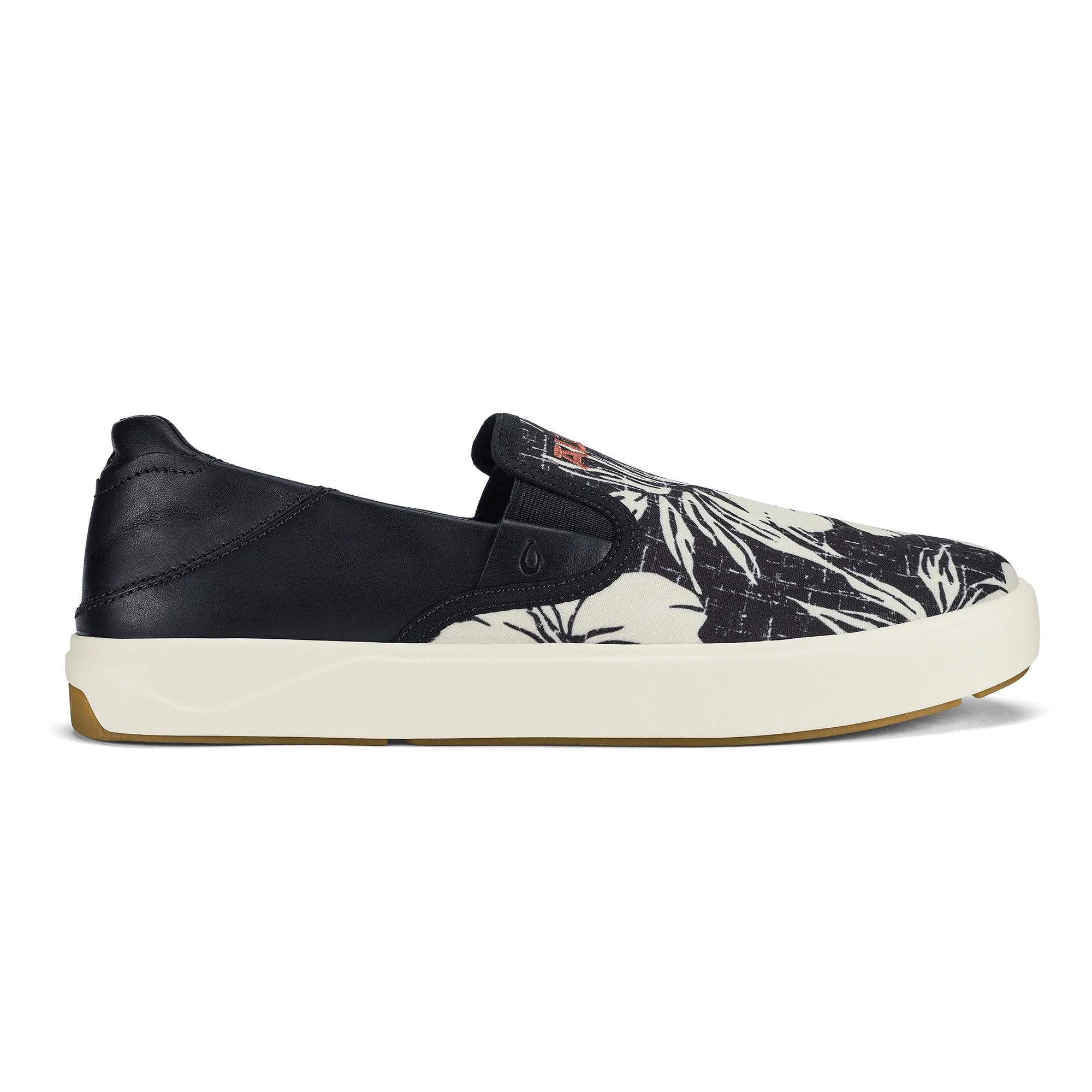
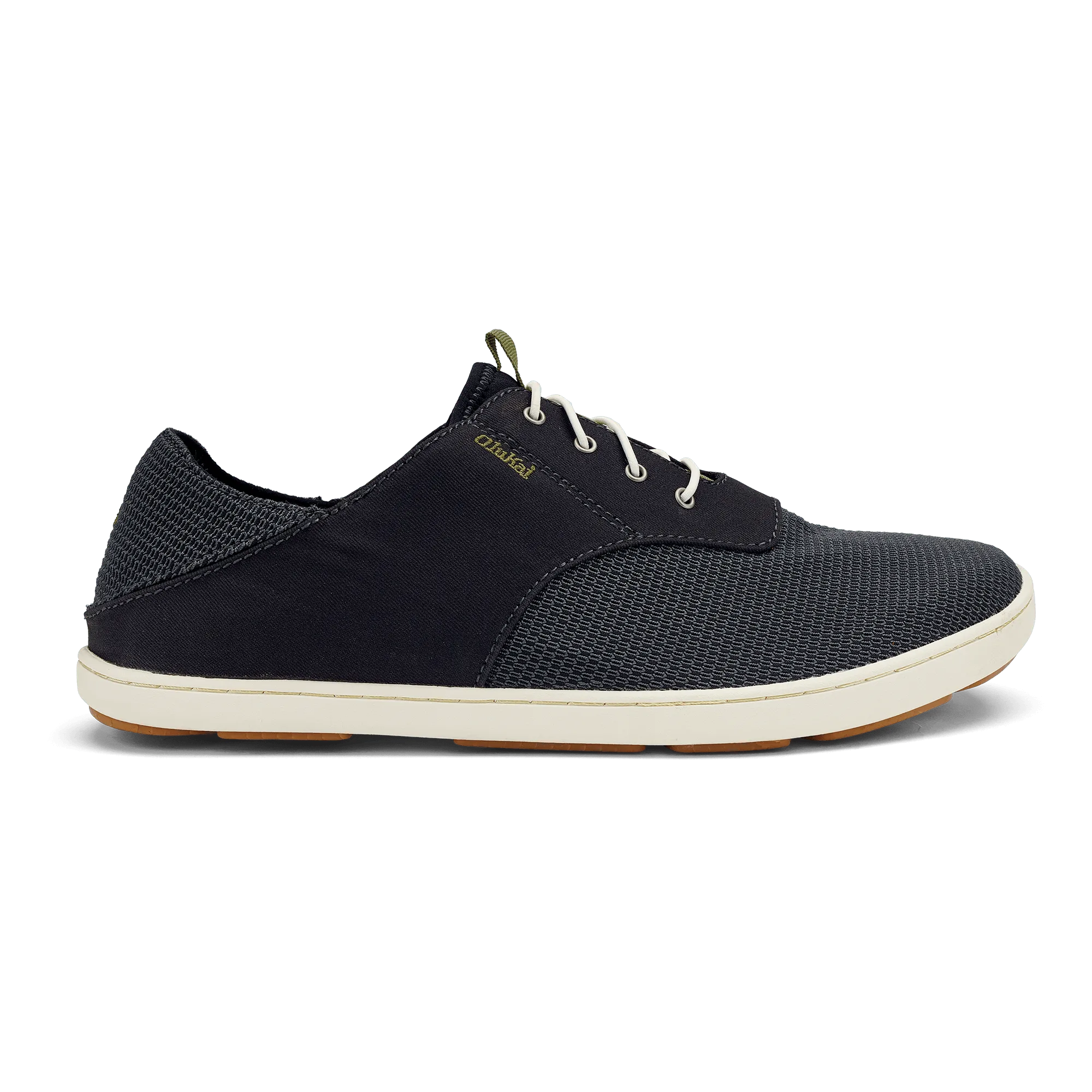
Choose OluKai no-tie boat shoes if your days mix pavement, docks, and water, because the Nohea Moku's stretch bootie and no-tie laces are built for barefoot wear and wet transitions. Choose OluKai slip-on sneakers if you want a cleaner, more elevated look for cafés, errands, and town time, like the Lae‘ahi Kapa for men or the pehuea-womens-sneakers-black-84ed63f04d6b74becf5d9267-2941079">pehuea-womens-leather-sneakers-sahara-toffee-d0d6665613bb8797bf189762-2941140">Pehuea Leather for women.
What Actually Separates a Boat Shoe From a Sneaker
The difference is less about the label and more about what happens underfoot. The Nohea Moku is designed to elevate the traditional boat shoe, with no-tie laces and stretch bootie construction for barefoot wear, making it ready for both land and water. That construction favors quick on-and-off and a secure feel when the surface changes from boardwalk to boat deck.
Slip-on sneakers take a different path. The Lae‘ahi Kapa is casual enough for a morning stroll to the cafe yet elevated enough for sunset cocktails in town, and its Drop-In Heel provides easy transition between shoe and slide. The Pehuea Leather brings a premium leather upper and polished detailing to the same easy-wearing category. In short: boat shoes lean toward amphibious utility, sneakers lean toward all-day style.
Traction, Breathability, and Water Readiness
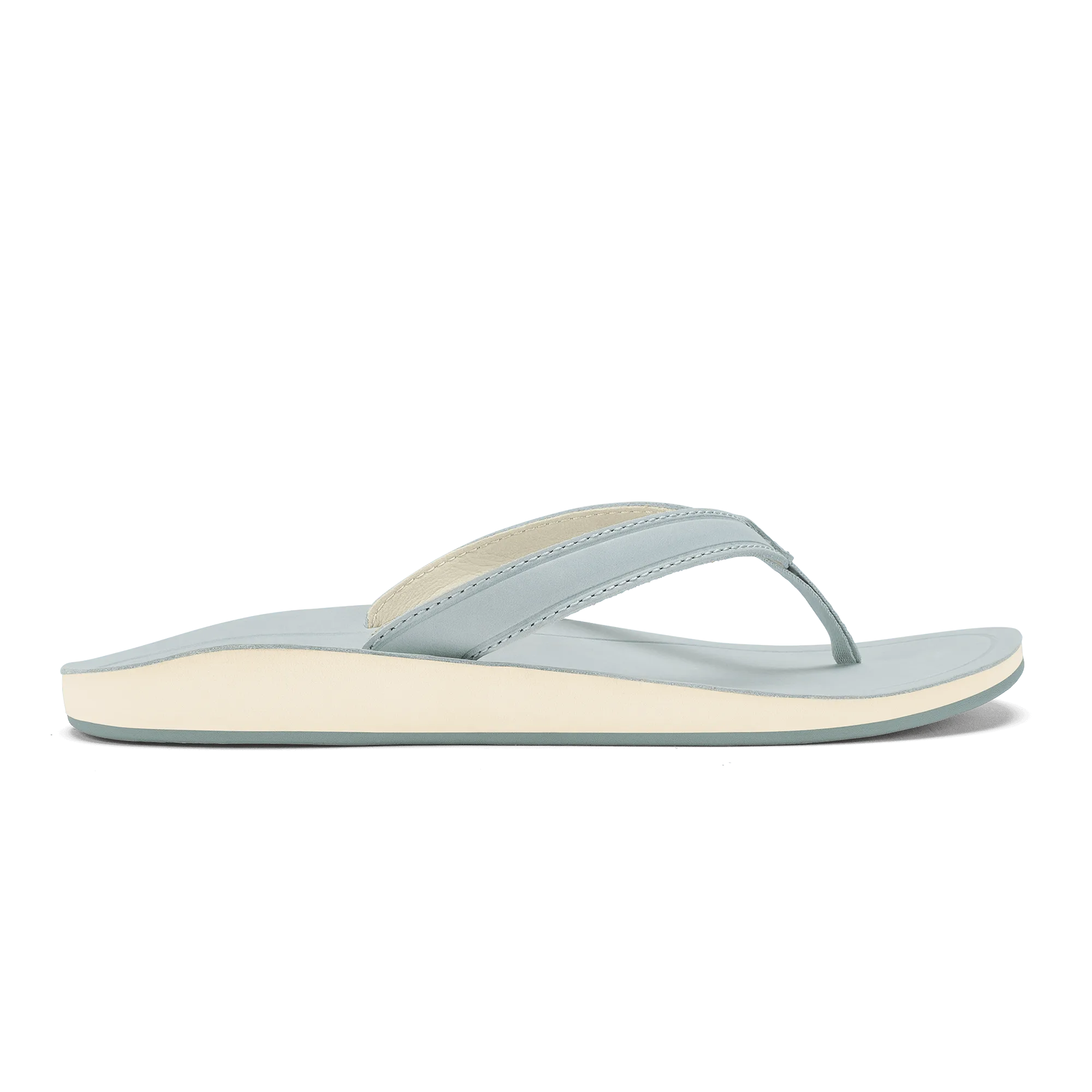
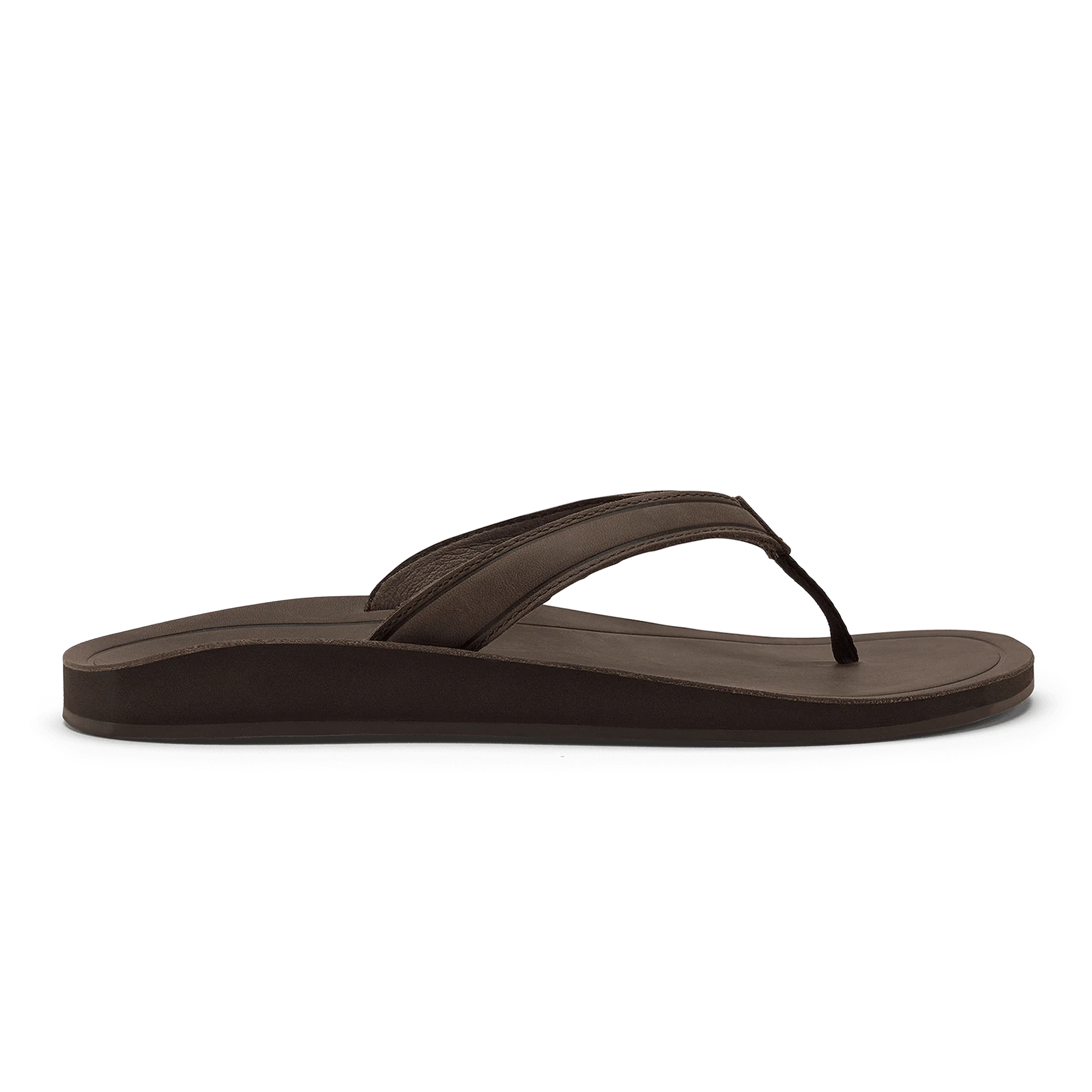
If your route includes slick docks, wet rocks, or a swim that turns into a walk, prioritize water readiness. The Southshore sandals show how OluKai approaches wet ground with waterproof leather straps and a Wet Grip Rubber® outsole, and that same wet-surface mindset is why boat shoes generally make more sense than sneakers near the water. Breathability also matters: the Nohea Moku is described as breathable, which helps when you wear it barefoot in warm weather.
Sneakers are not built around water crossings. The Lae‘ahi Kapa and Pehuea Leather are designed for casual and semi-formal occasions and everyday movement, not for launching a kayak. If your day is mostly dry pavement, you will not miss the extra water-focused features, and you will get a more polished finish in return.
How to Decide in Under a Minute
Ask yourself where the shoes will spend most of their time. If the honest answer is boat ramps, beach paths, and spontaneous water, the Nohea Moku is the safer bet. If it is coffee runs, travel days, and dinners where you want a shoe that reads a little dressier, the Lae‘ahi Kapa or Pehuea Leather will feel more at home.
A second question: do you want to wear socks? Boat shoes with stretch bootie construction are often worn barefoot, while leather slip-on sneakers pair naturally with no-show socks or bare feet depending on the temperature. Neither choice is wrong, but matching the shoe to your sock habit prevents the fit from feeling off.
Trade-Offs to Weigh Before You Buy
- Water readiness vs. polished looks: The Nohea Moku is built for land and water with no-tie laces and stretch bootie construction, while the Lae‘ahi Kapa and Pehuea Leather are styled for casual and semi-formal occasions rather than wet environments. Pick boat shoes for amphibious days, sneakers for dry ones.
- Barefoot feel vs. structured upper: The Nohea Moku is designed for barefoot wear, which suits warm-weather wear without socks. Leather slip-on sneakers like the Pehuea Leather have a premium leather upper that feels more substantial and pairs better with a slightly dressier outfit. Match the upper to how you actually wear your shoes.
- One-pair travel vs. two-pair rotation: A boat shoe can cover beach paths and town errands, but a slip-on sneaker handles dinners and travel days with less visual bulk. If you only pack one pair, decide whether water or style is the bigger risk. For mixed trips, boat shoes are the safer single pair.
Product Facts at a Glance
- Nohea Moku: Nohea Moku features no-tie laces and stretch bootie construction for barefoot wear, designed for both land and water. You get fast on-and-off and a secure barefoot feel on wet or uneven ground, which is the main reason to pick boat shoes over sneakers.
- Lae‘ahi Kapa - Black / Pa‘i: Lae‘ahi Kapa has a Drop-In Heel for easy transition between shoe and slide and a versatile style for casual and semi-formal occasions. It works as a travel shoe that can pass at a casual dinner, though it is not positioned for water use the way the Nohea Moku is.
- Pehuea Leather - Onyx / Onyx: Pehuea Leather uses a premium leather upper with polished detailing for days that move from beachside brunches to strolling through town. It gives women a slip-on sneaker option that looks more elevated than a technical boat shoe while keeping the easy on-and-off shape.
- Southshore - Dark Java / Dark Java: Southshore sandals have waterproof leather straps and a Wet Grip Rubber® outsole for traction and durability. If you want the most water-focused option of all, sandals may beat both boat shoes and sneakers for beach days.
Which Pair Fits Your Life?
Best for
- People whose days include docks, boats, or spontaneous water and want no-tie convenience
- Travelers who want one pair that works from beach path to casual lunch
- Anyone who prefers wearing shoes barefoot in warm weather
Not for
- Someone who needs a dressier shoe for dinners and semi-formal occasions
- A person who mostly walks dry city pavement and wants a cleaner sneaker silhouette
- Beachgoers who want the most water-focused option and should consider sandals like the Southshore instead