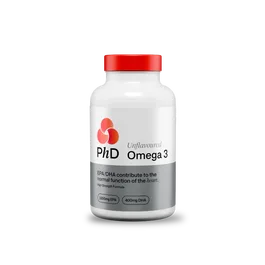
Your brain is arguably the most complex organ in your body, and it relies on a steady supply of nutrients to function at its best. Among these, omega 3 fatty acids stand out for their profound impact on brain health. Often associated with heart health, omega 3s are equally vital for cognitive function, memory, and mental clarity. But with so many fish oil supplements on the market, it can be overwhelming to choose the right one.
In this article, we'll dive into the science behind omega 3 and brain health, explore the specific benefits of DHA and EPA, and provide practical tips for selecting a high-quality fish oil supplement. Whether you're looking to support your memory as you age or simply want to sharpen your focus, understanding how omega 3 works is the first step.
What Are Omega 3 Fatty Acids?
Omega 3 fatty acids are polyunsaturated fats that are essential for human health. Your body cannot produce them on its own, so you must obtain them through your diet or supplements. The three main types are alpha-linolenic acid (ALA), eicosapentaenoic acid (EPA), and docosahexaenoic acid (DHA). ALA is found in plant sources like flaxseed and walnuts, while EPA and DHA are primarily found in fatty fish such as salmon, mackerel, and sardines.
When it comes to brain health, DHA takes center stage. It is the most abundant omega 3 in the brain and plays a structural role in maintaining the health of cell membranes. EPA, on the other hand, is known for its anti-inflammatory properties, which can indirectly support cognitive function by reducing inflammation in the brain.
- DHA is crucial for brain structure and function.
- EPA helps reduce inflammation that can impair cognitive health.
- Omega 3s are essential fats that must come from diet or supplements.
How Omega 3 Supports Cognitive Function
Numerous studies have linked higher omega 3 intake with better cognitive performance, including improved memory, faster processing speed, and greater mental clarity. DHA, in particular, is incorporated into neuronal membranes, where it helps maintain fluidity and supports communication between brain cells. This can enhance synaptic plasticity, which is the basis of learning and memory.
Omega 3s also influence neurotransmitter function. They help regulate the balance of dopamine and serotonin, which are key to mood and focus. By supporting these systems, omega 3 fish oil may help you stay sharp and mentally resilient throughout the day.
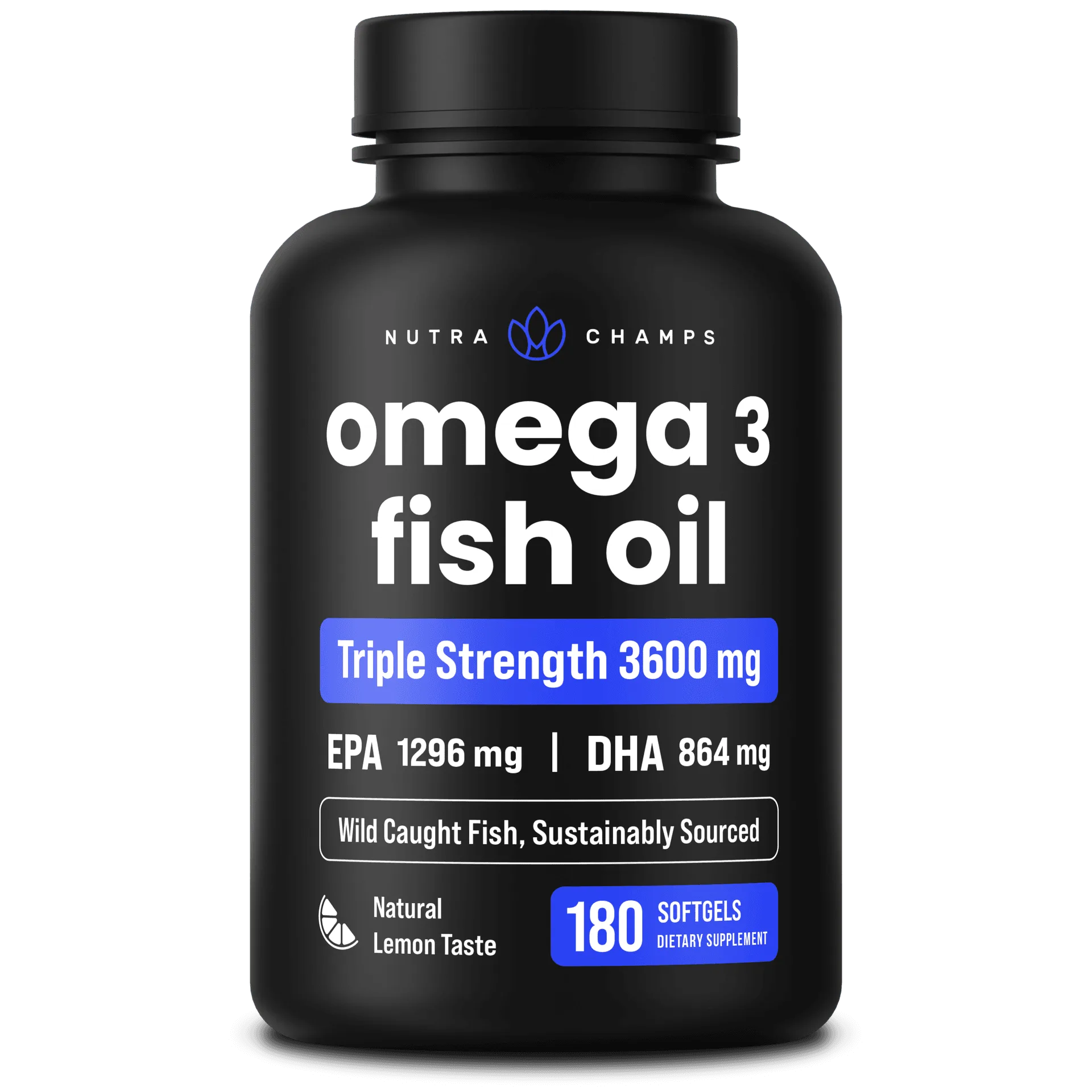
omega 3 fish oil
- DHA supports synaptic plasticity, aiding learning and memory.
- Omega 3s help balance neurotransmitters for better mood and focus.
- Regular intake may slow age-related cognitive decline.
Omega 3 for Memory: What the Research Says
One of the most compelling reasons to consider omega 3 for brain health is its potential to preserve memory. A well-known study published in the journal Neurology found that people with higher levels of omega 3s had better cognitive performance and larger brain volumes. Other research suggests that DHA supplementation may improve memory in older adults with mild cognitive impairment.
While more studies are needed, the evidence strongly indicates that maintaining adequate omega 3 levels is important for long-term brain health. If you're concerned about memory, adding a high-quality fish oil supplement to your routine could be a proactive step.
- Higher omega 3 levels are associated with better cognitive performance.
- DHA supplementation may benefit older adults with mild cognitive decline.
- Consistent intake supports long-term brain health.
Choosing the Right Fish Oil Supplement
Not all fish oil supplements are created equal. When shopping for one, look for products that clearly list the amounts of EPA and DHA. Ideally, you want a supplement that provides at least 500 mg of combined EPA and DHA per serving. Also, check for purity: high-quality brands often have third-party testing for heavy metals and oxidation.
Consider the form of the supplement. Triglyceride form is more easily absorbed than ethyl ester form. Additionally, some people prefer liquid drops for easy dosage adjustment, while others opt for capsules for convenience. If you're looking for a reliable option, our Omega 3 Fish Oil is a great choice, offering a balanced EPA/DHA profile in a pure, potent formula.
For those who prefer a gummy format, our Omega 3 Gummies provide a tasty alternative without compromising on quality. Both products are designed to support your brain health goals.
- Check the EPA and DHA content per serving.
- Look for third-party purity testing.
- Consider the form: liquid, capsules, or gummies.
Incorporating Omega 3 into Your Daily Routine
To reap the brain benefits of omega 3, consistency is key. Most experts recommend taking fish oil with a meal that contains fat to enhance absorption. You can take it in the morning to support mental clarity throughout the day, or in the evening if you prefer. There's no strict rule, but finding a time you can stick to is important.
If you're new to fish oil, start with a lower dose and gradually increase to avoid any digestive discomfort. Pairing omega 3 with a balanced diet rich in antioxidants, like fruits and vegetables, can further support cognitive health. Remember, supplements are meant to complement, not replace, a healthy lifestyle.
- Take fish oil with meals for better absorption.
- Start with a lower dose and increase gradually.
- Combine with a nutrient-dense diet for optimal brain health.
Omega 3 fish oil is a powerful ally for brain health, offering benefits for memory, focus, and overall cognitive function. By choosing a high-quality supplement and making it a consistent part of your routine, you can support your brain for years to come. Explore our selection of omega 3 products to find the perfect fit for your needs.