Start with what each form can actually tell you
Choosing between omega 3 softgels and gummies is less about picking a winner and more about matching a form to your routine and to the information you can verify. A softgel is a sealed capsule, usually oil-based. A gummy is a chewable delivery format. Those physical differences shape how each fits into a day, but they do not automatically make one more effective than the other.
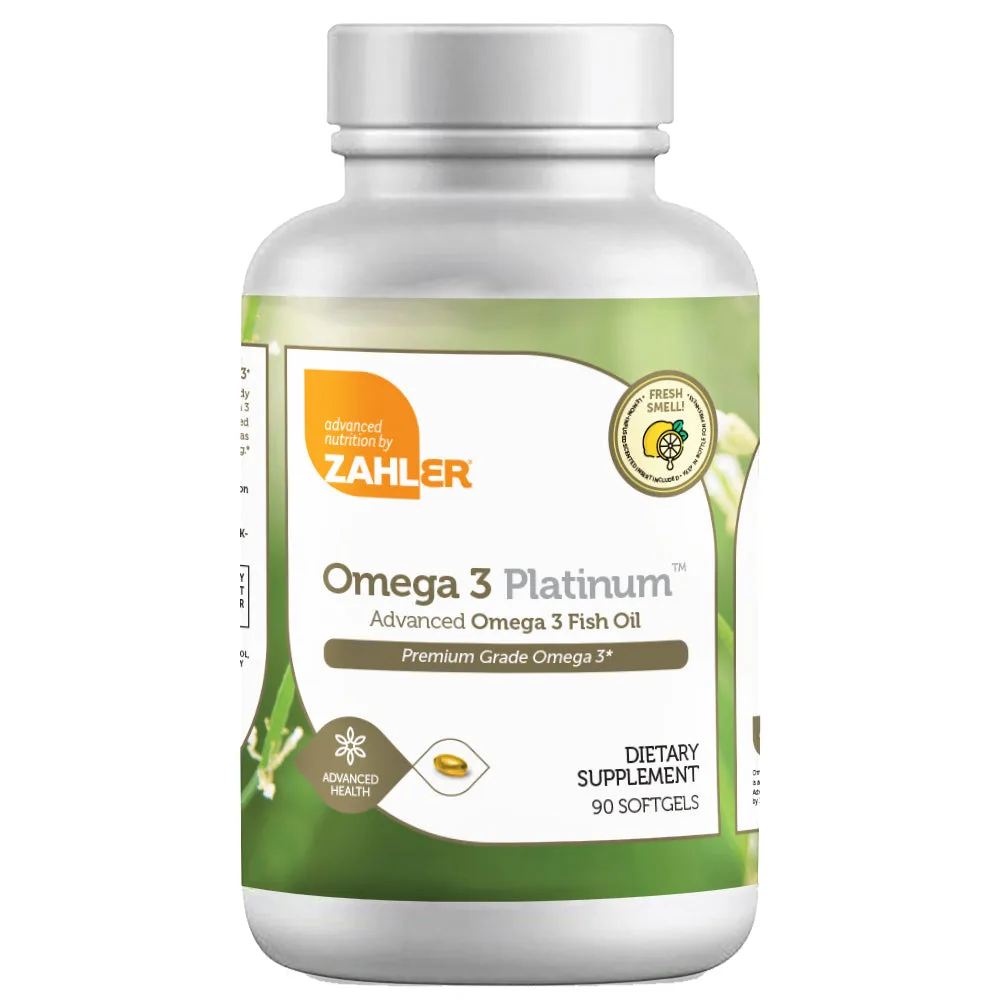
The supplied catalog gives a clear, documented example of a softgel: Zahler's Omega 3 Platinum. It is a certified Kosher fish oil formula with high concentrations of EPA and DHA in a 3 to 2 ratio, derived from wild-caught skipjack tuna. It comes in 90- and 180-softgel sizes. That record lets us talk concretely about the softgel side. For gummies, the supplied evidence does not include a matching product record, so this comparison will not invent gummy-specific claims. Instead, it will show you what to check on any gummy label before you decide.
What the Omega 3 Platinum softgel record confirms
-
Omega: Omega 3 is an essential fatty acid, which means the body requires it but cannot produce it on its own. This is the baseline reason to get omega 3 from food or a supplement, regardless of form.
Omega
-
Omega: Zahler's Omega 3 Platinum is a pure, certified Kosher fish oil formula with high concentrations of EPA and DHA in a 3 to 2 ratio. The EPA-to-DHA ratio and fish-oil source are specific details you can compare against any gummy label.
-
Omega: Omega 3 Platinum contains FOS-certified omega 3 fatty acids derived from wild-caught skipjack tuna fish. The source fish and certification are verifiable facts that help you judge fit if sourcing matters to you.
-
Omega: With Omega 3 Platinum, you get more of omega 3's fighting power in a smooth softgel with no fishy aftertaste. Taste and aftertaste are practical reasons people choose one form over another.
Softgel vs gummy: the practical differences
The table below separates what is documented for the Zahler softgel from the general questions you should ask of any gummy. It does not assume a gummy contains or lacks anything.
- Delivery format: Softgel: a sealed soft capsule, swallowed. Gummy: a chewable format. The softgel record confirms a smooth softgel with no fishy aftertaste.
- EPA and DHA content: The Zahler softgel record states high concentrations of EPA and DHA in a 3 to 2 ratio. For a gummy, check whether the label states EPA and DHA amounts per serving, not just total fish oil.
- Sourcing and certification: The Zahler softgel is certified Kosher and uses FOS-certified omega 3 fatty acids from wild-caught skipjack tuna. For a gummy, look for comparable sourcing and certification statements on the label.
- Taste and aftertaste: The softgel record specifically notes no fishy aftertaste. Gummies are often chosen for taste, but taste is not evidence of omega 3 content—check the label for that.
- Size options: The Zahler softgel comes in 90 and 180 softgels. Gummy counts vary by brand; compare cost per serving only after confirming EPA and DHA amounts per serving.
- Daily routine fit: A softgel is swallowed with water, which may suit a morning or mealtime habit. A gummy is chewed, which some people prefer on the go. Neither format removes the need to follow the product's label directions.
The absorption question, answered honestly
People often ask whether omega 3 from softgels is absorbed better than from gummies. The supplied evidence for Omega 3 Platinum does not include absorption studies, bioavailability data, or comparative absorption claims. It also does not include preparation or operating instructions beyond the product facts above. That means any statement that softgels are absorbed better—or worse—than gummies would go beyond what is documented here.
What you can do is make a label-based comparison. For any omega 3 supplement form, check whether the label states EPA and DHA amounts per serving, the source of the oil, and any certification. Those details tell you what you are actually comparing. If absorption is a specific concern for you, raise it with a healthcare professional who knows your health history rather than relying on a format generalization.
A label checklist before you choose a form
- EPA and DHA per serving: Look for individual EPA and DHA amounts, not just total omega 3 or fish oil. The Zahler softgel record specifies a 3 to 2 EPA-to-DHA ratio.
- Oil source: The Zahler softgel uses wild-caught skipjack tuna. A gummy may use a different fish or a non-fish source; the label should say.
- Certifications: The Zahler softgel is certified Kosher and FOS-certified. Check whether a gummy carries certifications that matter to you.
- Serving size and directions: The supplied Omega 3 Platinum record does not include preparation or operating instructions, so follow the directions printed on the product you buy. The same applies to any gummy.
- Taste and aftertaste: The softgel record notes no fishy aftertaste. If you are sensitive to taste, that is a practical point in favor of this softgel—but taste alone should not decide the purchase.
How each form fits a daily routine
A softgel fits naturally into a routine that already includes swallowing a capsule with water—many people pair it with a meal. The 90- and 180-softgel sizes let you choose a smaller or larger supply based on how often you take it. The Zahler record does not specify a daily serving, so use the label directions on the bottle you receive.
A gummy fits a routine where chewing is preferred or swallowing pills is difficult. But because gummies can taste like candy, they can blur the line between supplement and snack. Whatever form you choose, keep it out of reach of children and follow the product's stated directions. If you take other medications or have a health condition, talk to a healthcare professional before adding any omega 3 supplement.
Where the evidence stops—and what that means for your choice
This comparison can confirm the softgel facts for Zahler's Omega 3 Platinum, but the supplied information does not include a gummy product record, absorption data, or a head-to-head study. That is a limitation of the available evidence, not a claim that gummies lack omega 3 or that softgels are superior. If a gummy label states EPA and DHA amounts, sourcing, and certifications, you can compare those details directly against the softgel facts above.
For many people, the deciding factors will be practical: whether you prefer to swallow a softgel or chew a gummy, whether the documented sourcing and certification of the Zahler softgel matter to you, and whether the available size options fit your routine. Use the label checklist to compare any two products on the same terms, and let a healthcare professional weigh in on your individual needs.