Quick Answer
Omega-3 is a type of polyunsaturated fat found in fish oil, while fish oil is a specific source of omega-3s. For most people, a high-quality fish oil supplement is an effective way to get EPA and DHA, the most beneficial omega-3s. Choose a supplement that provides adequate EPA and DHA, and consider factors like purity and sustainability.
When it comes to heart health, brain function, and reducing inflammation, omega-3 fatty acids are often touted as essential. But the terms 'omega-3' and 'fish oil' are frequently used interchangeably, leaving many consumers confused about what they're actually buying. Are they the same thing? And if not, which one is better for your health?
In this article, we'll clarify the difference between omega-3 and fish oil, explore their respective benefits, and help you make an informed decision when choosing a supplement. We'll also look at how EPA and DHA, the two most important omega-3s, play a role in your overall well-being.
What Are Omega-3 Fatty Acids?
Omega-3 fatty acids are a family of polyunsaturated fats that are essential for human health. They are termed 'essential' because your body cannot produce them on its own; you must obtain them through your diet or supplements. There are three main types of omega-3s: alpha-linolenic acid (ALA), eicosapentaenoic acid (EPA), and docosahexaenoic acid (DHA).
EPA and DHA are primarily found in marine sources like fish and algae, while ALA is found in plant sources such as flaxseed, chia seeds, and walnuts. EPA and DHA are the most biologically active forms and are directly used by the body for various functions, including supporting heart health, brain function, and reducing inflammation.
- Omega-3s are essential fats that must come from diet or supplements.
- EPA and DHA are the most beneficial types, found in fish oil.
- ALA is a plant-based omega-3 that the body must convert to EPA/DHA, but inefficiently.
What Is Fish Oil?
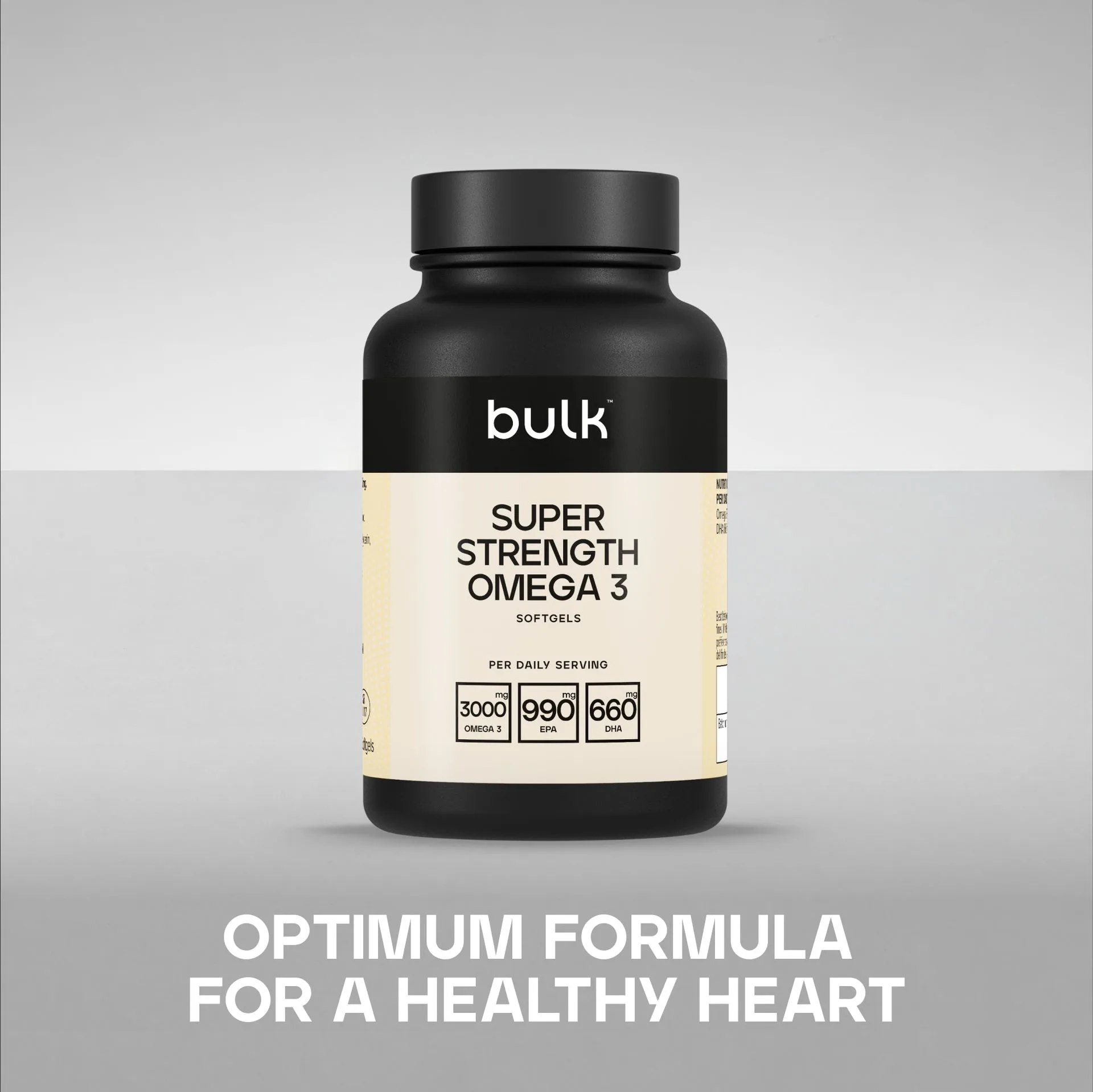
Fish oil is exactly what it sounds like: oil extracted from the tissues of fatty fish such as salmon, mackerel, sardines, and anchovies. It is a rich source of EPA and DHA, the two omega-3s that are most readily used by the body. Fish oil supplements are popular because they provide a concentrated dose of these essential fatty acids.
However, not all fish oil is created equal. The quality, purity, and concentration of EPA and DHA can vary significantly between brands. Some fish oils are also processed to remove contaminants like mercury and PCBs, while others may not be as thoroughly purified. This is why choosing a reputable supplement brand is crucial.
- Fish oil is a dietary supplement derived from fatty fish.
- It provides EPA and DHA, the most beneficial omega-3s.
- Quality and purity vary; look for third-party tested products.
Key Differences Between Omega-3 and Fish Oil
The main difference is that omega-3 is a nutrient, while fish oil is a source of that nutrient. Think of it like this: omega-3 is the 'active ingredient,' and fish oil is the 'delivery vehicle.' Fish oil contains omega-3s, but it also contains other fats and nutrients. Conversely, omega-3 supplements can come from other sources like krill oil, algae oil, or even plant-based ALA.
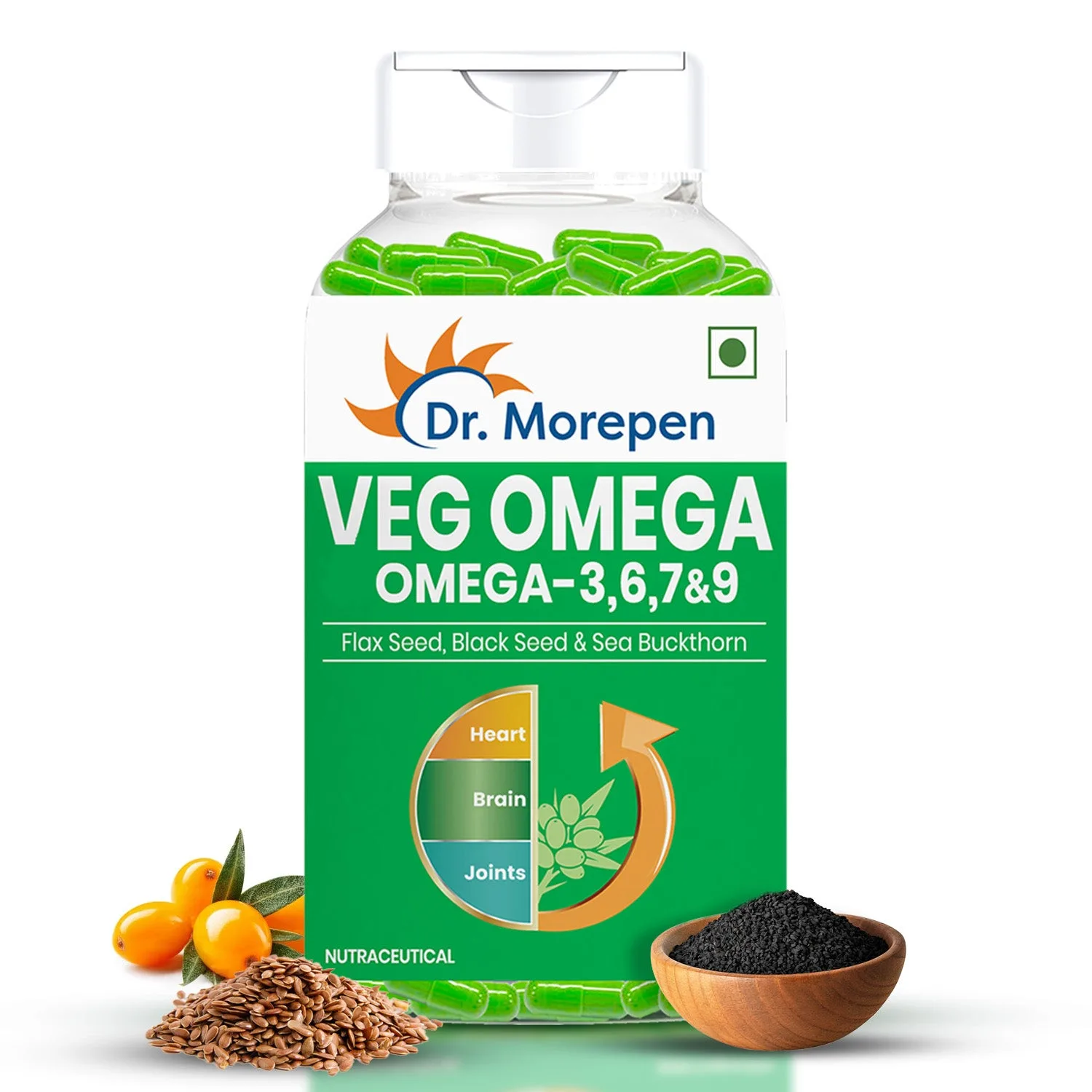
When you see 'omega-3' on a label, it may refer to a supplement that includes EPA and DHA from fish oil, but it could also be from algae (suitable for vegetarians) or other sources. Fish oil specifically implies that the omega-3s come from fish. For most people, fish oil is the most cost-effective and well-studied way to get EPA and DHA.
- Omega-3 is a nutrient; fish oil is a source.
- Fish oil contains EPA and DHA, but omega-3 supplements may come from other sources.
- Both can be beneficial, but fish oil is the most common and studied.
Health Benefits: EPA and DHA Explained
EPA and DHA are the stars of the omega-3 world. EPA is known for its anti-inflammatory properties, which can help support joint health and reduce symptoms of conditions like arthritis. DHA is crucial for brain health, cognitive function, and eye health. Both play a role in supporting heart health by helping to lower triglycerides, reduce blood pressure, and prevent plaque buildup in arteries.
Research has consistently shown that regular intake of EPA and DHA is associated with a lower risk of cardiovascular disease, improved mental health, and better cognitive function as we age. While fish oil is the most common source, it's important to ensure you're getting enough EPA and DHA to reap these benefits.
- EPA supports inflammation response and joint health.
- DHA is vital for brain and eye health.
- Both contribute to heart health and overall well-being.
How to Choose the Right Omega-3 Supplement
When selecting an omega-3 supplement, consider the amount of EPA and DHA per serving, not just the total fish oil content. A high-quality supplement will clearly state the EPA and DHA content on the label. Look for products that have been third-party tested for purity and potency, such as those with certifications from organizations like USP or NSF.
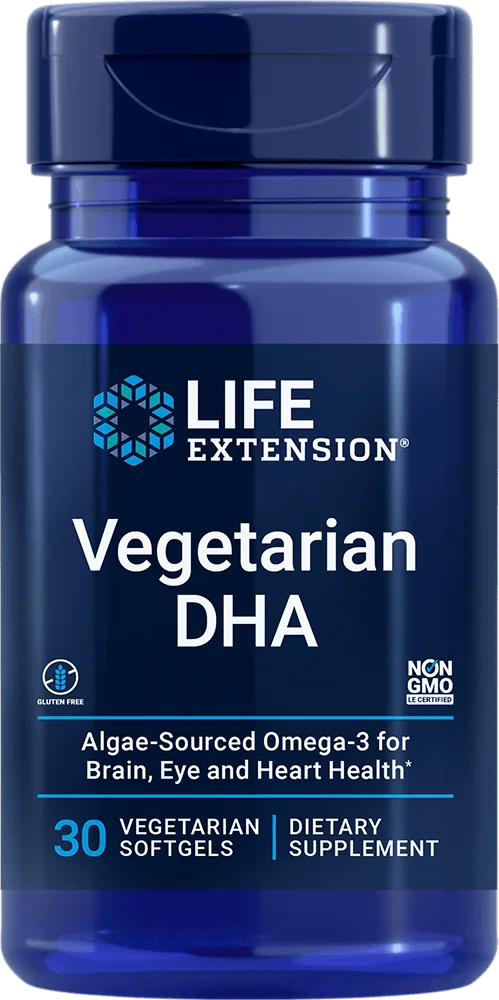
Also, consider the form of the supplement. Triglyceride forms are better absorbed than ethyl ester forms. Finally, think about your dietary preferences: if you're vegetarian or vegan, algae-based omega-3 supplements are a great alternative to fish oil.
- Check the EPA and DHA content per serving.
- Look for third-party testing and purity certifications.
- Choose a form that matches your dietary needs and preferences.
Trade-Offs to Consider
- Cost vs. Purity: Higher-quality fish oils that are third-party tested and purified tend to cost more. Cheaper options may contain lower concentrations of EPA/DHA or potential contaminants. Invest in a reputable brand to ensure safety and efficacy.
- Fish Oil vs. Algae Oil: Fish oil is more common and often cheaper, but algae oil is a sustainable, plant-based source suitable for vegetarians and vegans. Choose based on dietary preferences and environmental concerns.
- EPA vs. DHA Ratio: Some supplements have higher EPA, others higher DHA. EPA is more anti-inflammatory, while DHA is more important for brain health. Your choice should align with your specific health goals. Match the ratio to your primary health concern.
BioSchwartz Supplements for Your Health Journey
- Ashwagandha 500mg: BioSchwartz Ashwagandha 500mg offers 500mg of a nourishing 20:1 ashwagandha root extract, equivalent to 10,000mg of ashwagandha root powder per serving, and has been used for centuries to support a calm, relaxed, and focused mood. While not an omega-3, ashwagandha can complement a healthy lifestyle by supporting stress management, which is important for overall well-being and heart health.
- Women's Multivitamin Capsules: BioSchwartz Women's Multivitamin combines Vitamins C, D, and Zinc to fortify the immune system and supports overall women's health with a unique blend of essential vitamins and minerals. A multivitamin can help fill nutritional gaps, ensuring you get essential nutrients that work synergistically with omega-3s for optimal health.
Which Should You Choose?
Best for
- Individuals looking for a cost-effective and well-studied source of EPA and DHA.
- Those without dietary restrictions who want to support heart, brain, and joint health.
Not for
- Vegetarians and vegans who should opt for algae-based omega-3 supplements instead.
- People with fish allergies or those concerned about overfishing and environmental sustainability.
Understanding the difference between omega-3 and fish oil is the first step to making an informed choice about your health. While fish oil is a reliable source of essential EPA and DHA, the best supplement for you depends on your dietary needs, health goals, and values. Always prioritize quality and purity when selecting a product, and consider pairing your omega-3 intake with a balanced diet and other beneficial supplements like those from BioSchwartz to support your overall well-being.