Quick answer
For most collectors, the One Piece Card Game rarities worth chasing are SR, SEC, and the alternate-art or manga-rare variants of those cards. Common rarities like C, UC, and R are easy to find and rarely gain value, so buy them only to complete a deck or a set. If you are buying singles, focus on Japanese-language SR and SEC cards from popular sets, and always check the condition notes before you commit.
How One Piece Card Rarities Actually Work
One Piece Card Game rarity is printed on the card as a short code: C (Common), UC (Uncommon), R (Rare), SR (Super Rare), SEC (Secret Rare), and the special parallel treatments such as Alternate Art and Manga Rare. The printed rarity tells you how often a card appears in a booster pack, but it does not directly tell you the market value. A low-rarity card with a strong competitive effect can be worth more than a high-rarity card nobody plays.
The practical split is between playability and collectibility. SR and SEC cards are usually the ones that see competitive play and also carry collector demand, which is why they are the core of most single-card purchases. Cards with an alternate art or a special foil pattern sit above the base version in value even when the card number is the same. If you are new to the hobby, learn the rarity codes first, then learn which sets are still being opened, because set supply changes what a single is worth over time.
Which Rarities Are Worth Buying as Singles
Buy SR and SEC singles when you need a specific card for a deck or when the card has a proven competitive record. Buying the single is almost always cheaper than opening packs until you pull it, and you can choose the exact art and condition you want. For collectors, the alternate-art and manga-rare versions of SR and SEC cards are the ones that hold attention because they are harder to pull and visually distinct.
Be cautious with R and lower rarities sold as 'investments.' They are printed in high numbers, they are easy to find, and many of them will not appreciate. Buy them to play or to finish a binder page, not as a store of value. The exception is a low-rarity card that becomes a competitive staple after a new set releases, but that is a timing play, not a rarity play.
Why Japanese Singles Matter
Japanese One Piece single cards are the original print run for most sets, and many collectors prefer them for the card stock, the print quality, and the fact that they are the version released in the home market. For players, the Japanese and English versions of the same card are usually legal in the same formats, but you should always verify the current tournament rules for your region before you buy a card specifically for competitive play.
When you buy Japanese singles online, the two things that decide whether you get a fair deal are the card number and the condition notes. The card number tells you exactly which printing you are buying, and the condition notes tell you what flaws to expect. If a listing does not show the card number or does not describe the condition, treat that as a reason to ask questions before you pay.
How to Read a Single-Card Listing Before You Buy
Start with the card number and the set name. A card number like OP01-001 tells you the set and the position in that set, which is how you confirm you are looking at the printing you want. Then check the rarity code and whether the listing is for the base art or an alternate art. Two listings can show the same character and the same card number but be very different products because of the art treatment.
Next, read the condition disclaimer. Many Japanese single-card sellers note that cards are not guaranteed to be in perfect condition and may have minor scratches, small edge whitening, or foil imperfections such as print lines, foil seams, or slight foil peeling from the manufacturing process. That language is normal for the hobby, and it is your signal to ask for extra photos if you are buying a high-value card. Finally, compare the price against the catalog comparison price shown on the listing, which gives you a reference point for whether the discount is real.
Decision rules for buying One Piece singles
- Rule 1: Buy the rarity that matches your goal: If you are building a deck, buy the cheapest printing of the card that is legal for your format, even if it is a lower rarity. If you are collecting, target SR, SEC, and their alternate-art versions, because those are the tiers with lasting collector demand. Deck first, rarity second. Do not pay a premium for a high rarity you will only shuffle into a deck.
- Rule 2: Confirm the card number and set before you pay: The card number and set name are the only reliable way to know which printing you are buying. A card number above the base set size often indicates a special or secret printing, which changes both the price and the collector appeal. No card number, no purchase. Ask the seller for it if it is missing.
- Rule 3: Treat condition notes as part of the price: Japanese single cards are commonly sold with a disclaimer about minor scratches, edge whitening, or foil imperfections from manufacturing. For a low-value card, that is usually acceptable. For a high-value SR or SEC, request close-up photos of the corners and foil before you buy. A discount is only a good deal if the condition matches what you are willing to accept.
- Rule 4: Compare against the catalog comparison price: Listings often show a comparison price next to the sale price. Use it as a reference point, not as proof of value, and check whether the same card number and art treatment sells for less elsewhere. A large discount on a common rarity is not a bargain. A small discount on a sought-after SR can be.
Catalog facts that show how rarity and condition work in practice
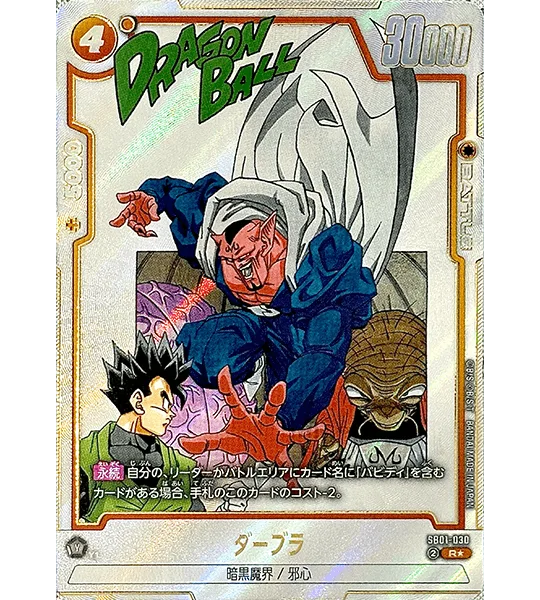
- 【Dragon Ball TCG Fusion World】ANDROID 18【SR】(SB01-004) (SB-01) Japanese Single Card: Dragon Ball TCG Fusion World ANDROID 18 is an SR card, card number SB01-004, from MANGA BOOSTER 01, Japanese edition, single card. This is a clear example of an SR single from a specific Japanese set. The card number and set name let you confirm the exact printing, and the SR rarity tells you it sits in the tier most collectors and players actually chase.
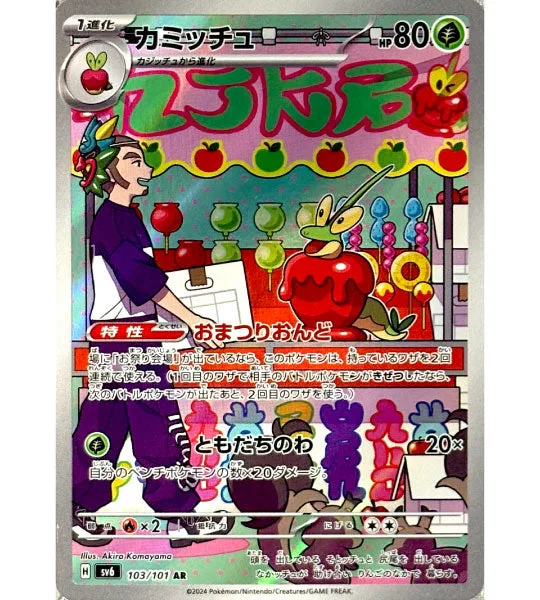
- 【Pokemon Card】CRUSTLE【AR】(067/063) (SV9a) Japanese Single Card: Pokemon Card CRUSTLE is an AR card, card number 067/063, from Heat Wave Arena, Japanese edition, single card. The card number 067/063 is higher than the set total, which signals a secret or special printing. That is the same pattern you see in One Piece sets, where a card number above the base set size usually means a rarer variant worth checking closely.
- 【Dragon Ball TCG Fusion World】KING KAI【C☆】(SB02-002) (SB-02) Japanese Single Card: Dragon Ball TCG Fusion World KING KAI is a C☆ card, card number SB02-002, from MANGA BOOSTER 02, Japanese edition, single card. A C☆ rarity shows that even a low base rarity can carry a special mark. It is a useful reminder that the printed rarity code is only the starting point, and the specific treatment and set demand decide the real value.
Is buying One Piece singles right for you?
Best for
- Players who need specific cards for a deck and want to avoid the cost of opening packs
- Collectors who target SR, SEC, and alternate-art Japanese singles from sets they follow
- Buyers who are comfortable reading card numbers, rarity codes, and condition notes before purchasing
Not for
- Collectors who want guaranteed gem-mint cards, since most Japanese singles are sold with a condition disclaimer
- Buyers chasing quick profits on common rarities, which are printed in high numbers and rarely appreciate
- Anyone who has not checked the current tournament rules for their region before buying a card for competitive play