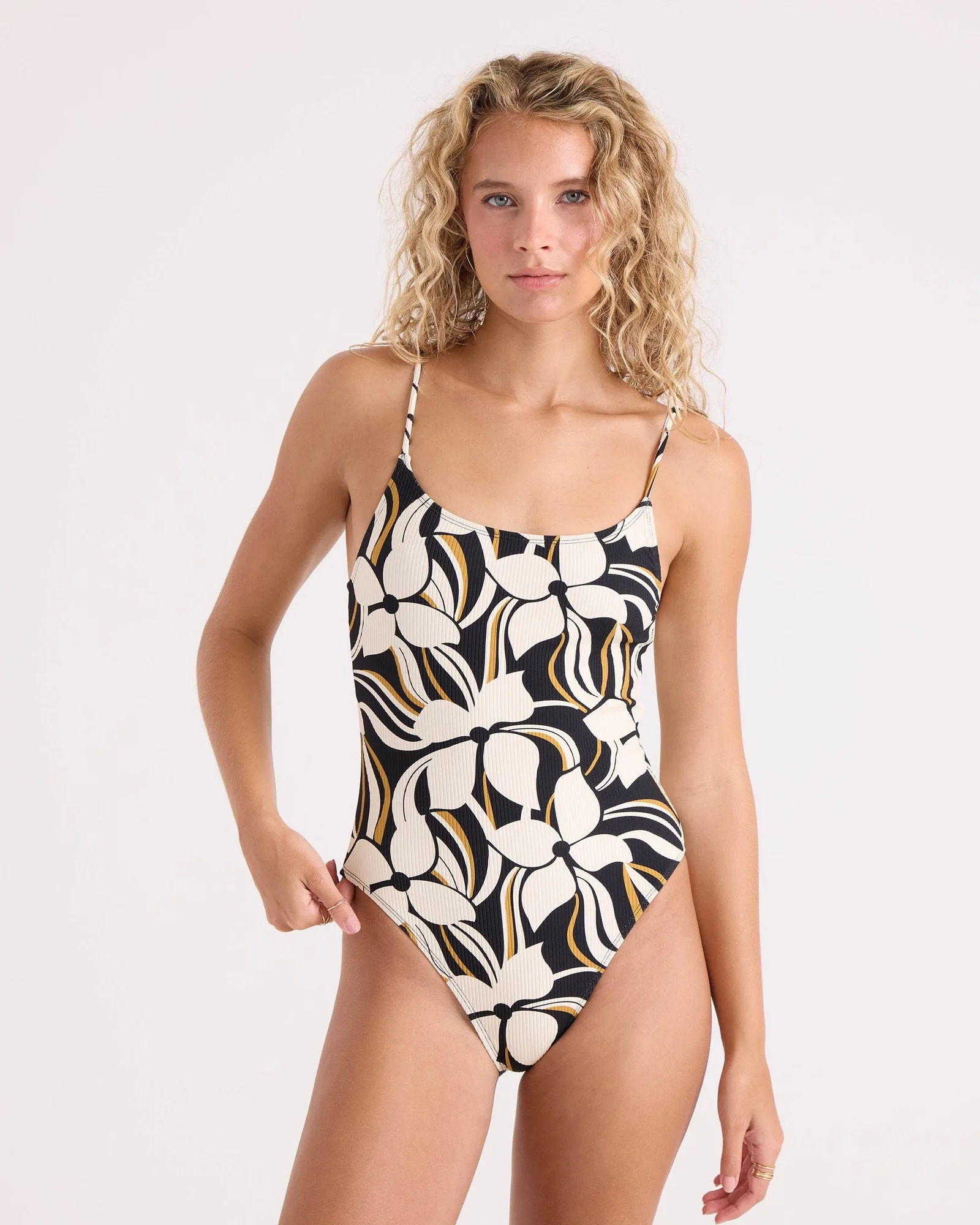
Quick answer
Choose a one-shoulder swimsuit with an adjustable or wide strap on the single shoulder and a snug, size-specific fit. Prioritize a style that anchors at the shoulder and underarm, and avoid sizing up for comfort, as that often causes slipping.
Why asymmetric swimsuits slip—and how to spot a secure design
A one-shoulder swimsuit relies on one strap and the suit’s body tension to stay in place. Slipping usually happens when the strap is too narrow, the underarm opening is too loose, or the torso length is too long for your frame. Look for a strap that sits flat without digging, and check that the underarm edge hugs your ribcage without gaping. A diagonal design can also create a slimming visual effect, but the fit must come first.
Strap support vs. freedom of movement
A wider or adjustable strap distributes pressure better and reduces the chance of the strap rolling or sliding during swimming or sunbathing. However, a very wide strap may limit shoulder mobility and feel bulky under a cover-up. If you plan to swim laps or play in the water, prioritize a strap that stays put over a minimalist look. For lounging, a narrower strap can be fine as long as the suit’s body fits snugly.
Sizing and coverage trade-offs
One-shoulder suits often have less bust coverage on the strapless side, so sizing down can increase security but may feel tight across the ribs. Sizing up may feel more comfortable initially but often leads to gaping at the underarm and a strap that slides. Use the brand’s size chart and your underbust measurement as a guide. If you are between sizes, consider your activity level: choose the smaller size for swimming, the larger only for light lounging if the strap is adjustable.
Decision rules for buying a one-shoulder swimsuit
- Check strap adjustability: If the strap is adjustable, you can tighten it to prevent slipping. If it is fixed, measure the strap length against your shoulder-to-underarm length and choose a size that keeps the strap snug without compression. Adjustable straps are the easiest fix for staying put.
- Test underarm tension: Put the suit on and raise your arms. The underarm edge should stay in contact with your ribcage without pulling away. If it gapes, size down or choose a style with a higher underarm cut. Gaping underarm edges are a primary cause of slipping.
- Match activity to coverage: For swimming or active beach days, choose a suit with a wider strap and fuller bust coverage. For lounging or sunbathing, a narrower strap and less coverage are acceptable if the body fit is snug. Higher activity demands more strap support and coverage.
- Use your underbust measurement: Wrap a tape measure snugly under your bust and compare to the size chart. If you are between sizes, choose the smaller size for swimming and the larger only if the strap is adjustable and you plan light use. Underbust measurement is more reliable than bust size alone for one-shoulder fit.
Product facts
-
A shoulder to lean on: One-sleeve design with intricate ties and a diagonal cut that flatters the waist and butt while minimizing the bust area. The diagonal line and single sleeve create an asymmetric look that can visually slim the torso, but the bust-minimizing cut means you should check coverage if you prefer more bust support.

A shoulder to lean on
Who should choose a one-shoulder swimsuit
Best for
- Swimmers who want a stylish asymmetric look with a secure strap
- Beachgoers who prefer a slimming diagonal design
- People with hourglass or pear shapes looking to accentuate the waist
Not for
- Swimmers who need maximum bust support and coverage
- Those who prefer symmetrical straps for even shoulder pressure
- Anyone who dislikes adjustable straps or ties