Quick Verdict
The insulated lunch tote retains heat noticeably longer than the Onigiri reusable bag, making it the better choice for keeping meals warm.
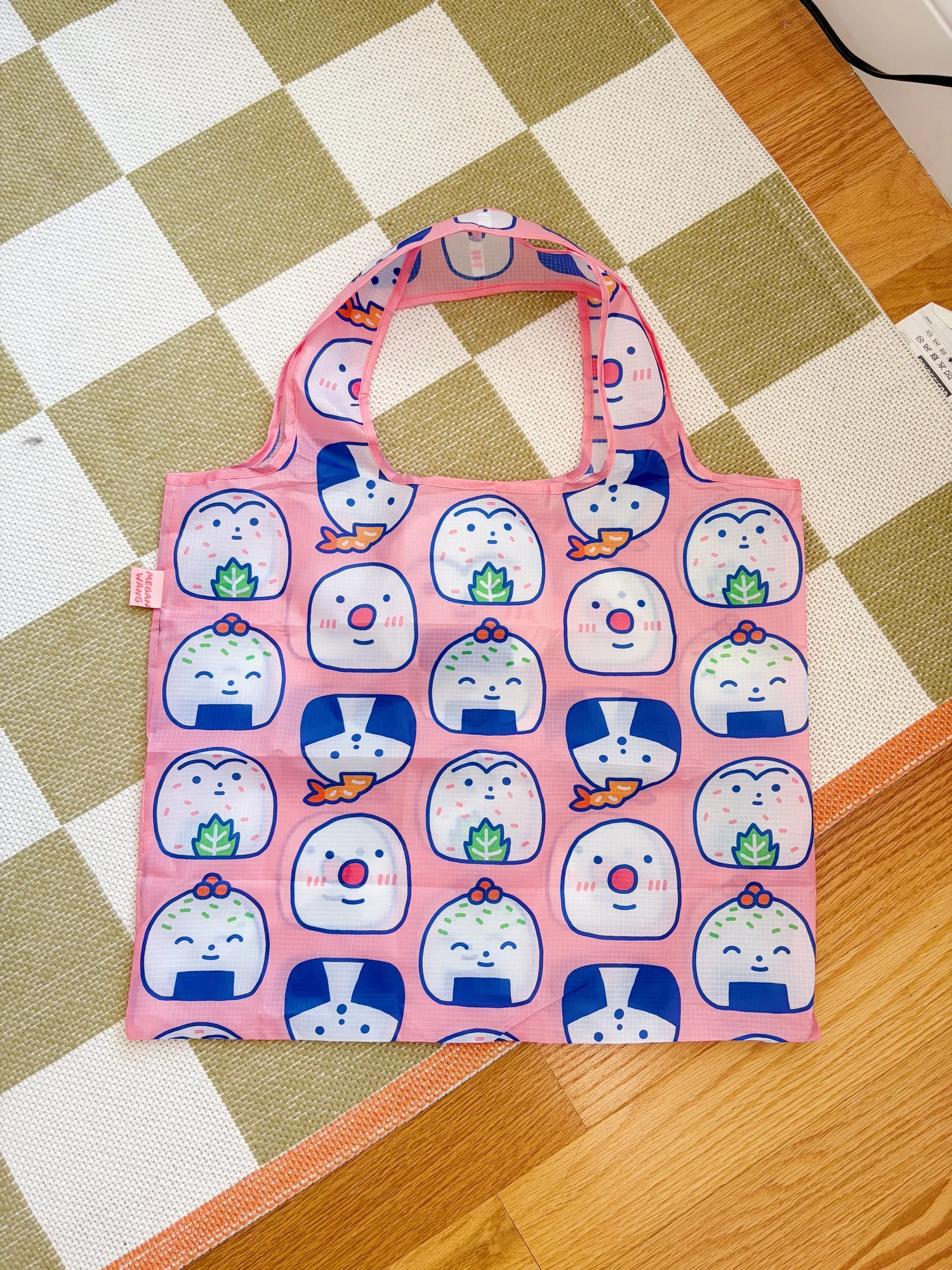
Onigiri reusable bag
When it comes to packing lunch for work or school, staying warm can be just as important as staying organized. To settle the question, we ran an onigiri bag insulation test alongside a standard insulated lunch tote.
Both bags are popular among our community: the Onigiri bag offers a playful design, while the insulated tote promises thermal performance. Below we break down how we tested them, what we observed, and who should pick each option.
Test Setup and Method
We filled each bag with a 200 ml portion of hot soup at 80 °C, sealed them, and left them at room temperature (22 °C). Temperature readings were taken at 15‑minute intervals for one hour using a digital food thermometer. No additional insulation or external heat sources were used, so the results reflect each bag's built‑in capability.
The Onigiri bag is a thin reusable fabric pouch without dedicated thermal lining, while the insulated lunch tote features a double‑wall construction with a foil‑coated inner layer. Both were handled the same way to keep the test fair.
- Tip: For longer trips, consider pre‑heating the tote with hot water before adding food.
Results Overview
After 30 minutes, the insulated tote still held the soup at 55 °C, whereas the Onigiri bag dropped to 38 °C. By the end of the hour, the tote maintained 42 °C, enough to keep a meal warm, while the Onigiri bag fell to 30 °C, which is essentially room temperature. The temperature gap demonstrates the clear advantage of dedicated insulation for heat retention.
If your priority is keeping food hot for several hours, the insulated lunch tote wins. If you value lightweight, reusable design and plan to eat soon after packing, the Onigiri bag can still be a cute, eco‑friendly option.
Key Trade‑offs
- Thermal Performance: Insulated tote keeps food hot 15‑20 °C longer than the Onigiri bag. Choose the tote for meals that sit for hours.
- Portability: Onigiri bag is lighter and folds flat, while the tote is bulkier. Pick the bag if you need a compact, travel‑ready option.
- Cost: Onigiri bag is generally cheaper than a purpose‑built insulated tote. Budget‑conscious shoppers may accept lower heat retention.
Related Onigiri Products
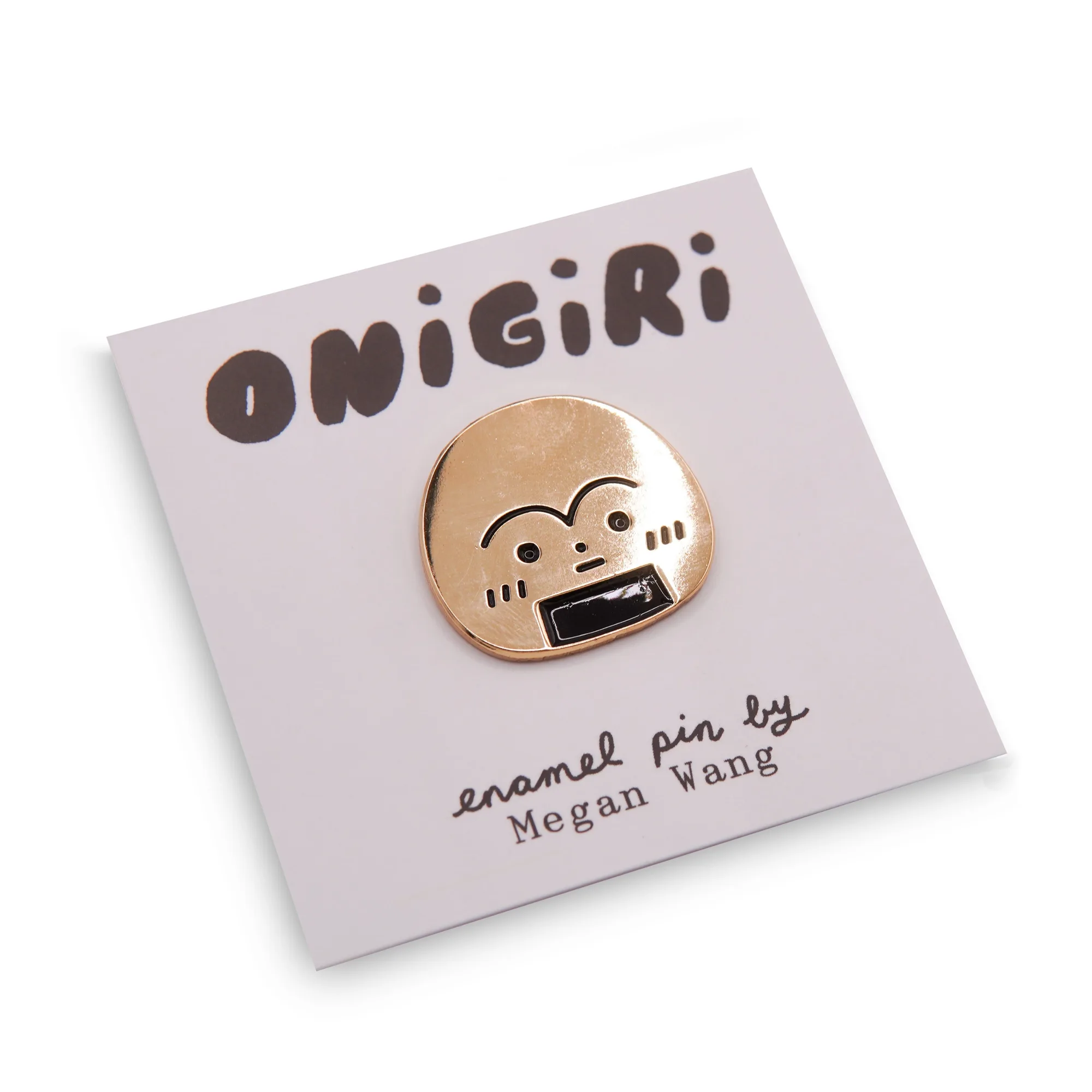
- Onigiri Gold Enamel Pin: ★ 1 inch soft gold enamel pin★ one black rubber stop on the back★ A Grade means the pin has no noticeable imperfections. Adds a premium, durable accessory that can personalize bags or jackets without affecting functionality.
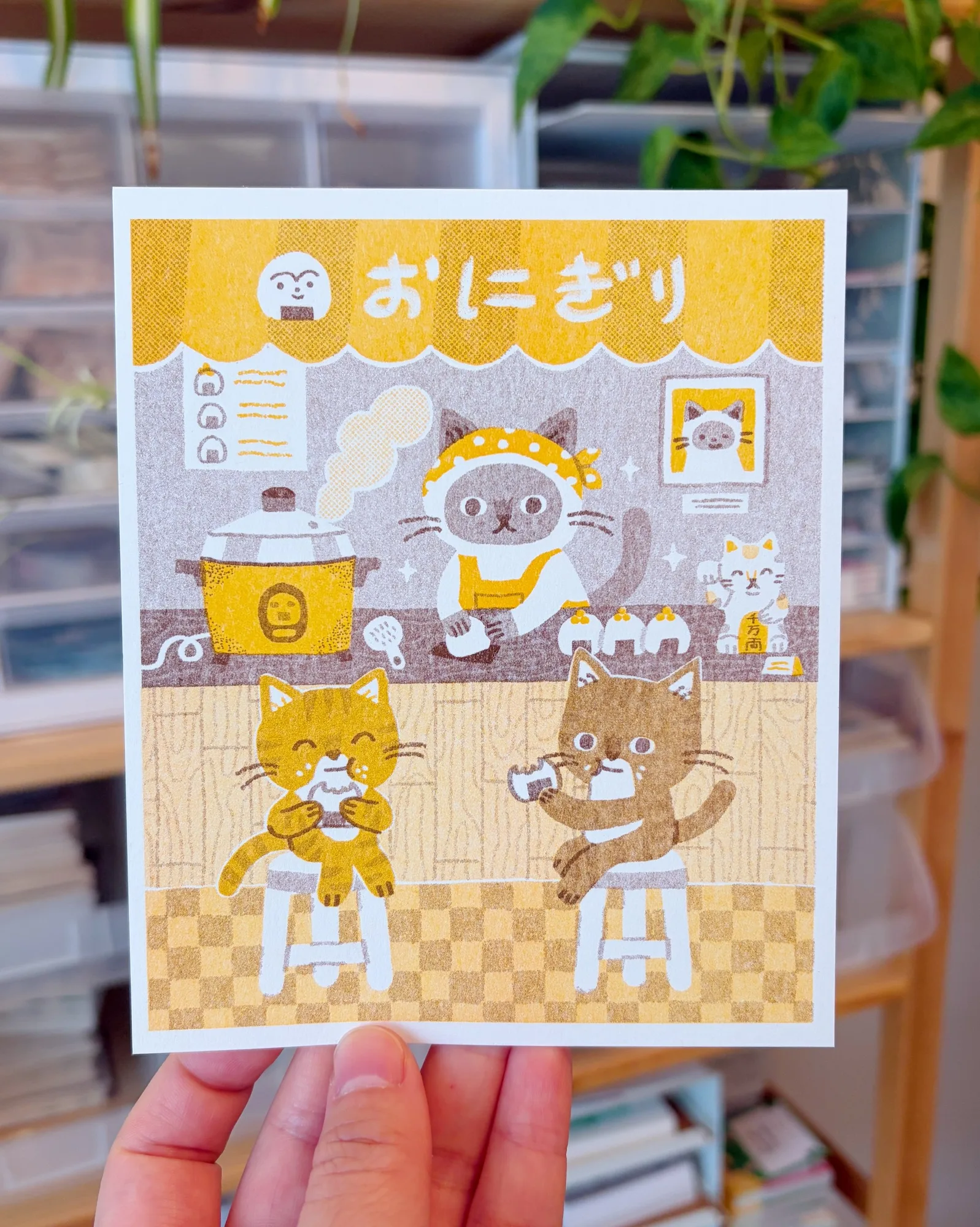
- Onigiri Counter Riso Print: The Onigiri Counter Riso Print is a compact 5 × 6 inch two‑color risograph artwork, ideal for framing or display. Provides a subtle decorative piece that can complement the aesthetic of either bag when displayed at home or work.
Which Bag Fits Your Needs?
Best For
- People who need meals to stay warm for 30‑60 minutes
- Those who prioritize reliable temperature retention over design
Not Ideal For
- Minimalist packers who need ultra‑light, foldable containers
- Shoppers looking for the lowest price at the expense of heat performance
In short, the insulated lunch tote outperforms the Onigiri bag in keeping food hot, but the Onigiri bag still offers a charming, lightweight alternative for quick meals. Choose based on how long you need heat retention versus how much space and budget you have.