Oolong tea occupies a fascinating middle ground between green and black teas, thanks to its variable oxidation levels. Unlike fully oxidized black teas or unoxidized green teas, oolongs can range from a mere 8% oxidation to as high as 85%, creating an incredible spectrum of flavors. This guide will walk you through how light and dark oolongs differ, what to expect in the cup, and how to brew each style for optimal taste.
Whether you are a seasoned tea enthusiast or new to oolong, understanding oxidation is key to choosing the right tea for your palate. Light oolongs tend to be floral and creamy, while dark oolongs offer bold, roasted notes. By the end of this article, you will know exactly which oolong to reach for and how to prepare it perfectly.
What Is Oolong Tea Oxidation?
Oxidation is the chemical process that occurs when tea leaves are exposed to oxygen after being picked. For oolongs, the leaves are deliberately bruised or shaken to initiate oxidation, then fired at precise moments to halt the process at a desired level. This control over oxidation is what gives oolong its incredible diversity—from the delicate, jasmine-like notes of a lightly oxidized oolong to the deep, dark chocolate flavors of a heavily oxidized one.
The oxidation level directly influences the tea's color, aroma, and taste. Lightly oxidized oolongs (8–20%) produce pale yellow or greenish liquors with floral, fruity, and creamy profiles. Medium oxidation (20–50%) yields amber cups with stone fruit and honey notes. Dark oolongs (50–85%) brew deep amber to brown, offering roasted, woody, and sometimes spicy flavors. Understanding this spectrum helps you navigate the world of oolong with confidence.
- Light oxidation: 8–20% – floral, creamy, light-bodied
- Medium oxidation: 20–50% – fruity, honeyed, balanced
- Dark oxidation: 50–85% – roasted, bold, full-bodied
Light Oolong: Floral, Creamy, and Delicate
Light oolongs are prized for their elegant, fragrant profiles that often evoke fresh flowers, orchids, or even butter. The minimal oxidation preserves the leaf's green character while allowing subtle fermentation notes to emerge. Famous examples include Taiwanese high-mountain oolongs like Jin Xuan (known for its creamy texture) and the classic Tie Guan Yin. These teas are best enjoyed when brewed at lower temperatures to avoid bitterness.
For a truly special light oolong experience, consider the Eastern Beauty (Oriental) - Loose Leaf. This Taiwanese oolong undergoes partial oxidation that results in a honey-sweet, fruity character with a distinctive muscatel note. Its pale amber liquor and complex aroma make it a favorite among connoisseurs. Brew it at around 85–90°C (185–194°F) for 2–3 minutes to unlock its full potential.
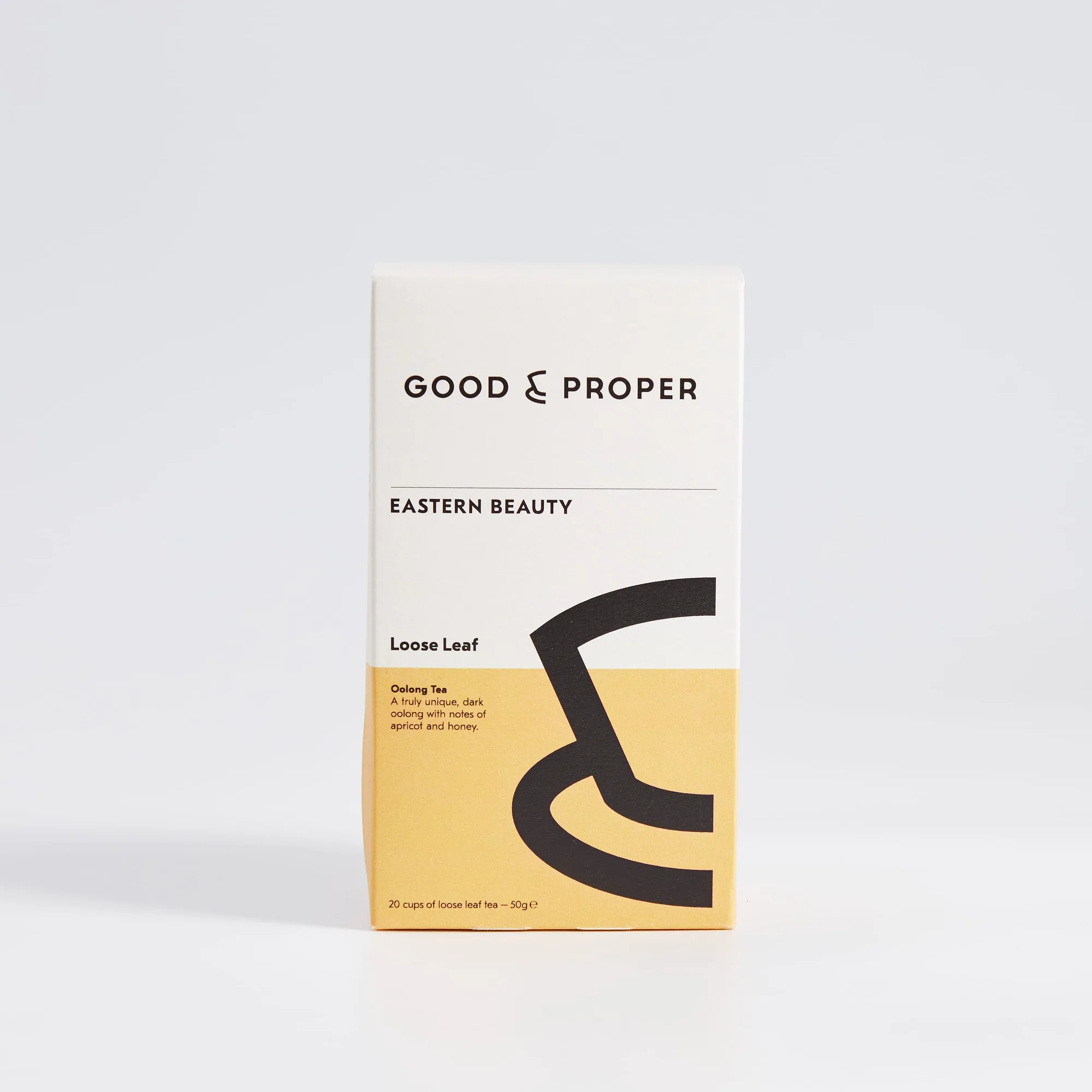
Eastern Beauty (Oriental) - Loose Leaf
- Brew light oolongs at 85–90°C (185–194°F)
- Use 2–3 grams per 150ml cup
- Steep for 2–3 minutes for first infusion; increase time slightly for subsequent steeps
Dark Oolong: Bold, Roasted, and Complex
Dark oolongs undergo higher oxidation and are often roasted to deepen flavor. The result is a robust, toasty brew with notes of caramel, dried fruit, cocoa, or even spices. These teas can be enjoyed with or without milk, and they pair beautifully with savory foods. Wuyi Rock Oolongs from China, such as Da Hong Pao, and Taiwanese dark oolongs like Ruby Oolong exemplify this style.
The Ruby Oolong - Loose Leaf is a standout in the dark oolong category. With its deep reddish-brown leaves and full-bodied infusion, it delivers flavors of ripe berries, brown sugar, and a hint of roasted nuts. This tea is forgiving to brew and can handle hotter water—try 95–100°C (203–212°F) for 3–4 minutes. Its complexity makes it ideal for multiple infusions, each revealing new layers.
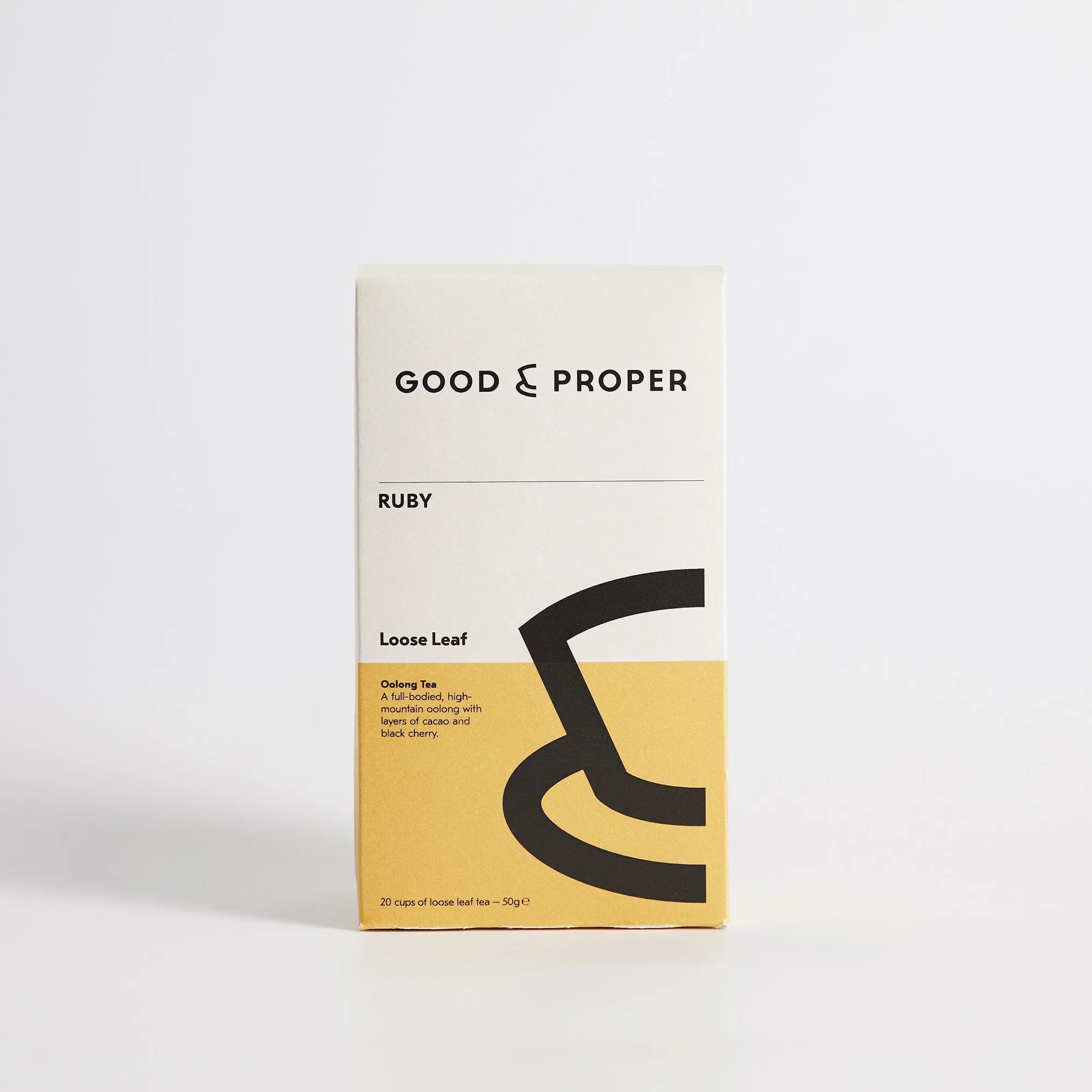
Ruby Oolong - Loose Leaf
- Brew dark oolongs at 95–100°C (203–212°F)
- Use 3–4 grams per 150ml cup
- Steep for 3–4 minutes; enjoy 3–5 infusions by adding 15–30 seconds each time
How to Choose Between Light and Dark Oolong
Your choice between light and dark oolong ultimately comes down to personal preference and occasion. Light oolongs are perfect for a refreshing afternoon pick-me-up or when you want a tea that feels airy and uplifting. They shine on their own, without milk or sweetener. Dark oolongs, on the other hand, are excellent for cooler days, after meals, or when you crave a tea with depth and warmth. They also pair wonderfully with rich foods like roasted meats or dark chocolate.
If you are new to oolong, start with a medium-oxidation example like Keemun - Loose Leaf. While Keemun is technically a black tea, its moderate oxidation and smooth, winey character make it a great bridge between green and black teas. For a true oolong journey, try both a light and a dark style side by side to appreciate the spectrum firsthand.
- Light oolong: best for warm weather, solo sipping, floral cravings
- Dark oolong: ideal for cold days, food pairing, bold flavor lovers
- Try a flight: sample both styles to discover your preference
Brewing Tips for Perfect Oolong Every Time
Brewing oolong requires attention to water temperature, leaf quantity, and steeping time. Always start with fresh, filtered water. For light oolongs, use cooler water to preserve delicate notes; for dark oolongs, hotter water extracts richer flavors. A gaiwan or small teapot is ideal for multiple infusions, but a standard teapot works fine too.
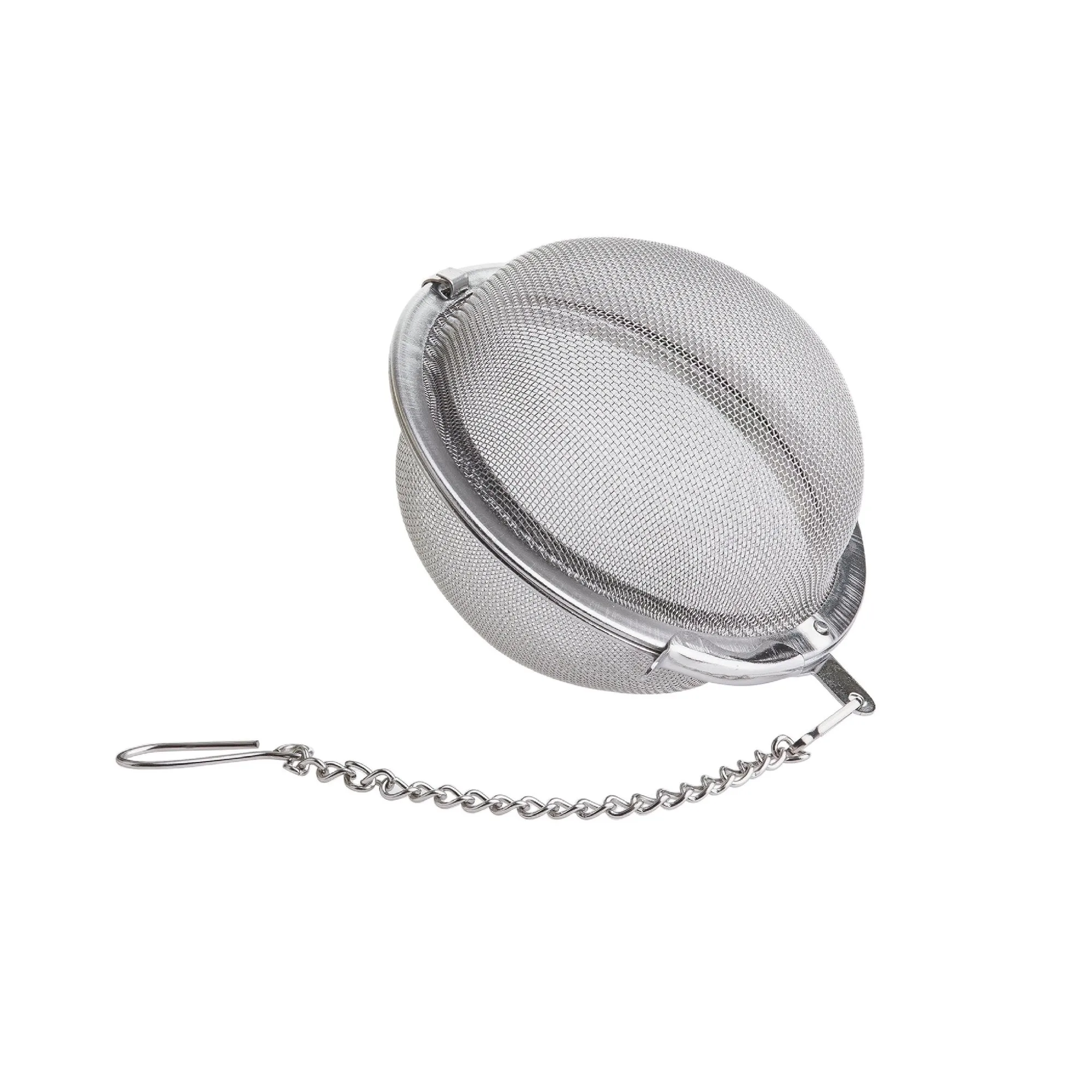
Don't forget the right tools. The Good & Proper Canvas Tote Bag is perfect for carrying your favorite oolong and accessories to work or on a tea date. For precise brewing, consider investing in a quality teapot with a fine strainer. And if you prefer convenience, Tea Filters for Loose Leaf make single-serving brewing a breeze.
- Pre-warm your teaware to maintain consistent temperature
- Rinse the leaves briefly with hot water before the first steep to 'wake' them
- Experiment with steeping times: oolongs are forgiving and reward exploration
Whether you lean toward the floral elegance of a light oolong or the roasted richness of a dark one, understanding oxidation levels empowers you to make informed choices and brew with confidence. Explore our curated selection of oolongs to find your perfect cup—start with the Eastern Beauty (Oriental) - Loose Leaf for a taste of tradition, or dive into the bold Ruby Oolong - Loose Leaf for something deeper. Happy sipping!