Quick Answer
Oolong tea is partially oxidized, giving it a richer, toastier flavor and moderate caffeine, while green tea is unoxidized, offering a grassy, vegetal taste with lower caffeine. If you want a creamy latte or a bold iced tea, choose oolong. If you prefer a light, refreshing cup with delicate floral notes, green tea is your match.
Flavor: Grassy vs Toasty
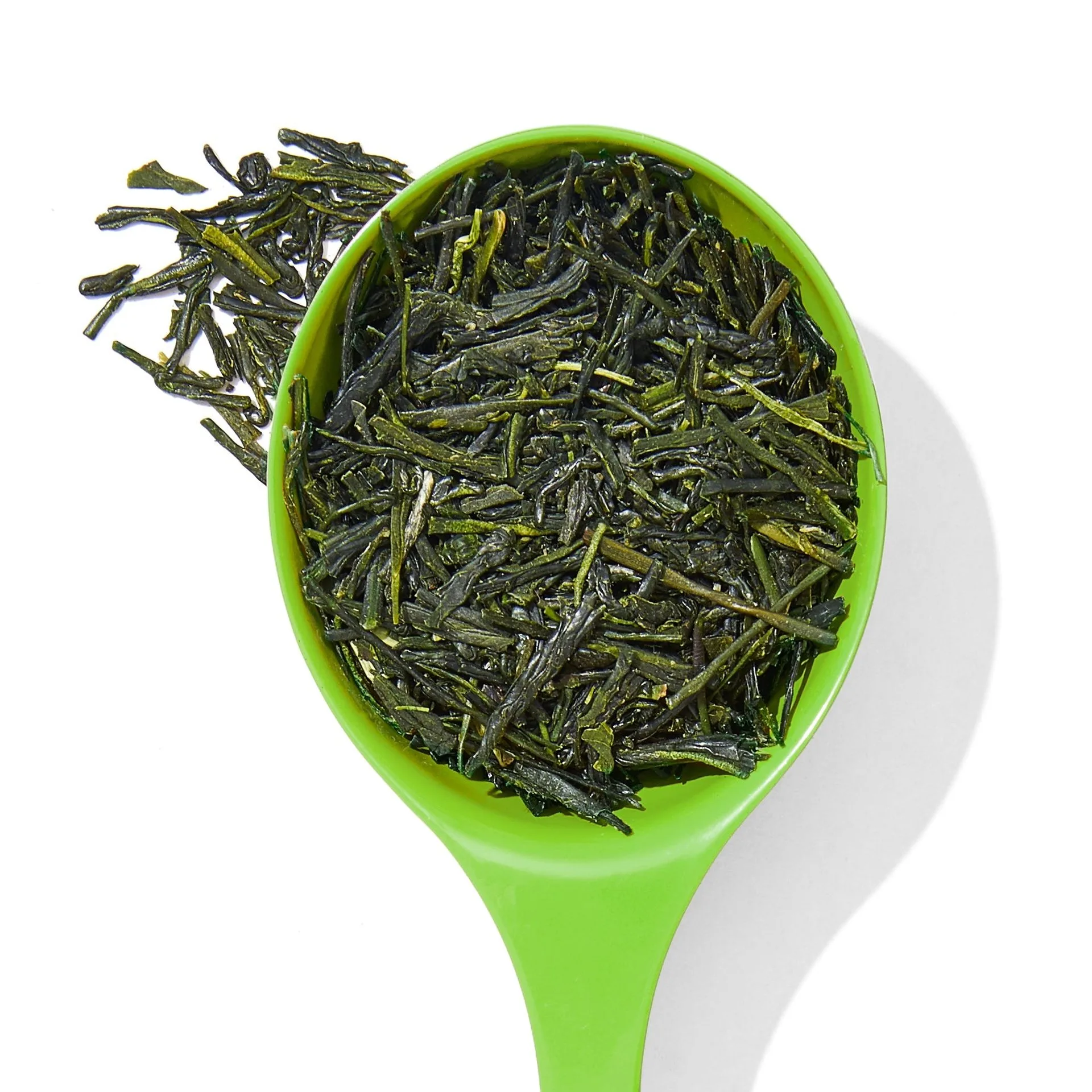
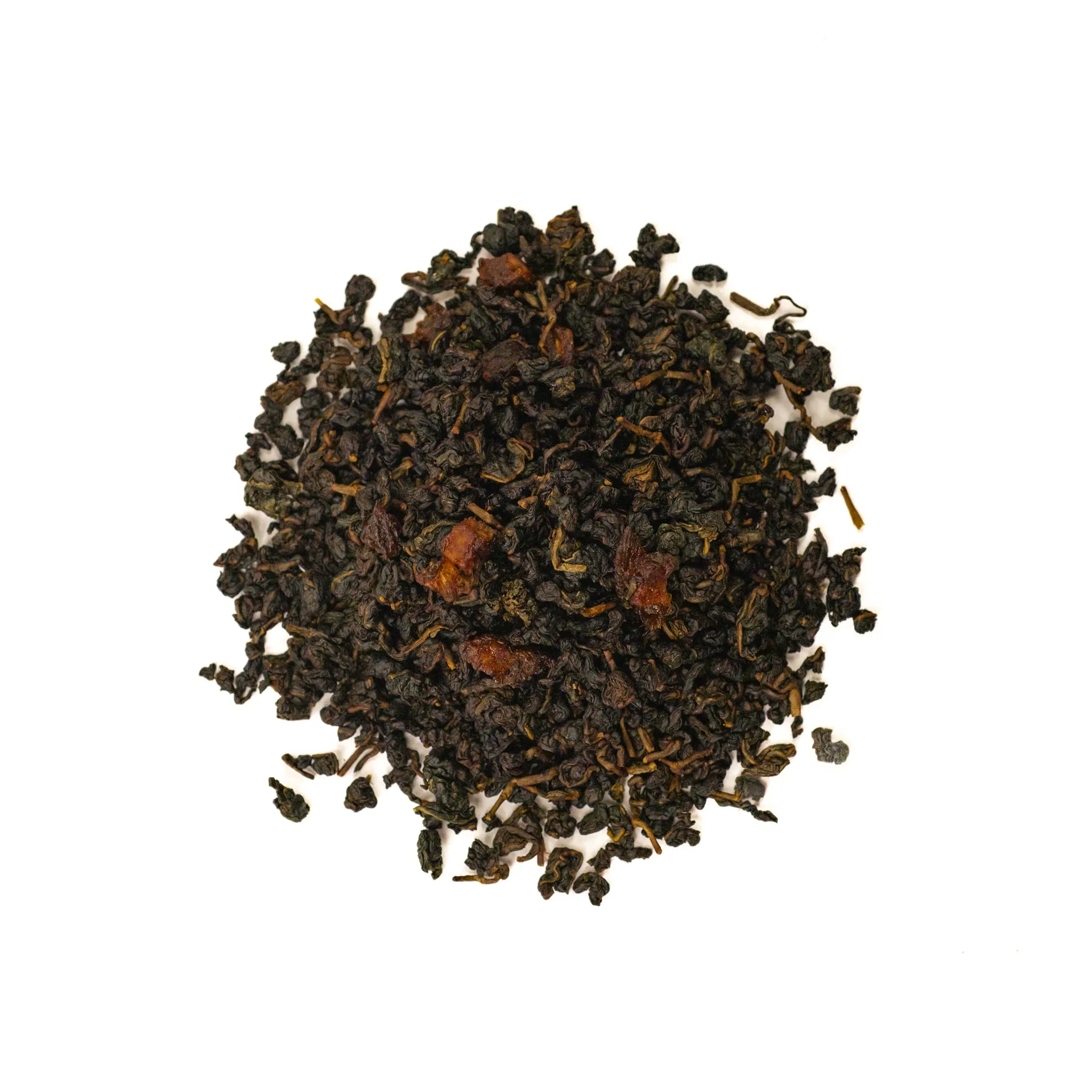
Green tea is unoxidized, so it retains a bright, grassy, or vegetal flavor profile. Think steamed spinach, fresh seaweed, or a hint of sweetness. Oolong tea falls between green and black tea on the oxidation spectrum, which gives it a broader range of flavors—from light and floral to dark and roasted. A jasmine-infused green tea will taste delicate and perfumed, while a milk oolong (like the one in London Fog Tea) adds a velvety, creamy note that green tea simply cannot replicate.
Caffeine: Moderate vs Lower
Because oolong is partially oxidized, it typically contains more caffeine than green tea but less than black tea. A cup of oolong delivers a moderate, steady lift without the jitters. Green tea has less caffeine overall, making it a gentler choice for afternoon sipping or for those sensitive to stimulants. However, both teas can vary depending on leaf grade and how long you steep them.
Brewing: Temperature and Time Matter
Green tea is delicate: use water around 175°F and steep for 2–3 minutes. Too hot or too long, and it turns bitter. Oolong can handle hotter water (195°F) and longer steeps (3–5 minutes), which unlocks its layered aromas. If you are brewing a blend like Buddha's Blend—which mixes white and green tea with jasmine pearls—stick to green tea guidelines to avoid oversteeping and losing its sweet floral perfume.
Oolong vs Green Tea: Tradeoffs at a Glance
- Oxidation Level: Green tea is unoxidized; oolong is partially oxidized. This is the key difference behind flavor and caffeine. Choose green for a clean, grassy taste; choose oolong for something toastier and more complex.
- Caffeine Content: Oolong has moderate caffeine; green tea has less. Both are lower than black or coffee. If you want a gentle lift, go green. If you need a bit more energy without the crash, oolong is the middle ground.
- Brewing Flexibility: Green tea needs cooler water and shorter steeps. Oolong is more forgiving and can be resteeped multiple times. For a quick, no-fuss cup, green works. For a tea you can savor and resteep, oolong wins.
Teas That Showcase the Difference
- London Fog Tea: Full-bodied black tea, soothing bergamot, real vanilla bean, and velvety milk oolong give you that true iconic flavour without sweet syrups. Born to be a cozy latte—hot or iced. This blend uses milk oolong to add creaminess, showing how oolong can transform a classic tea latte into something richer than green tea ever could.
- Buddha's Blend Tea Bag of 65 Sachets: A fresh, delicate mix of white and green tea with jasmine pearls for sweet floral perfume and white hibiscus blossoms for a fruity twist. Steep carefully to avoid oversteeping. This green-tea-based blend highlights the light, floral side of green tea—perfect for those who prefer a subtle, refreshing cup over oolong's deeper notes.
Which Tea Should You Choose?
Best for
- Oolong: Tea latte lovers who want a creamy, full-bodied drink (hot or iced).
- Green tea: Those who enjoy light, floral, or grassy notes and prefer a lower-caffeine option.
Not for
- Oolong: If you dislike any toastiness or want the absolute lowest caffeine.
- Green tea: If you crave a rich, dessert-like latte or a tea that can handle multiple resteeps.