Quick Energy‑Saving Recommendation
Set the thermostat to 37‑40 °F for drinks, enable freezer‑free mode if available, keep the door tightly sealed, and locate the unit away from direct sunlight or heat‑producing appliances.
Running a refrigerator can be one of the biggest ongoing electricity costs in a home. Antarctic Star models are built for performance, but a few simple habits can turn them into truly energy‑efficient appliances.
In this guide we walk through practical, step‑by‑step energy efficient refrigerator tips—including temperature tweaks, placement strategies, and routine maintenance—that will help you reduce fridge power usage without sacrificing chill.
Set the Right Temperature
For most beverages, a setting between 37‑40 °F (3‑4 °C) is ideal. Anything colder forces the compressor to run longer, raising electricity draw. If your model includes a separate freezer zone, keep it at 0‑5 °F (‑18 °C) only when you need frozen items.
Avoid the common mistake of over‑cooling to “just in case.” Use an inexpensive fridge thermometer to verify the actual temperature inside; this helps you fine‑tune the thermostat and eliminate wasted power.
- Tip: Place a fridge thermometer on a middle shelf for the most accurate reading.
Place the Fridge for Maximum Efficiency
Location matters. Position the refrigerator on a flat, level surface away from windows, ovens, or direct sunlight. Heat sources force the unit’s compressor to work harder, increasing energy consumption.
Leave at least two inches of clearance behind the unit so the condenser can vent heat properly. This simple step can noticeably lower the run‑time of the compressor.
- Mistake to avoid: Stacking items on top of the fridge, which blocks airflow and raises power use.
Maintain Cleanliness and Seal Integrity
A dirty condenser and a leaky door gasket are silent energy thieves. Clean the condenser coils quarterly with a vacuum brush, and wipe the interior to prevent residue buildup that can insulate the cooling surface.
Inspect the door seal regularly; a compromised gasket lets warm air in, causing the compressor to cycle more often. Replacing a faulty seal restores efficiency.
- Common oversight: Ignoring frost buildup in the freezer compartment, which can increase power draw by up to 20 %.
Your Energy‑Saving Checklist
- 1. Adjust Temperature Settings: Set the fridge to 37‑40 °F for beverages and 0‑5 °F for the freezer compartment if present. Common mistake: Setting it colder than needed spikes power use.
- 2. Optimize Placement: Place the unit on a flat surface away from windows, ovens, or direct sunlight, and ensure at least 2 inches of clearance behind for airflow. Check that vents are not blocked; poor ventilation forces the compressor to run longer.
- 3. Perform Regular Maintenance: Clean condenser coils quarterly, wipe the interior, and inspect the door gasket for leaks. Skipping coil cleaning can increase energy consumption by up to 20 %.
Energy‑Smart Antarctic Star Models
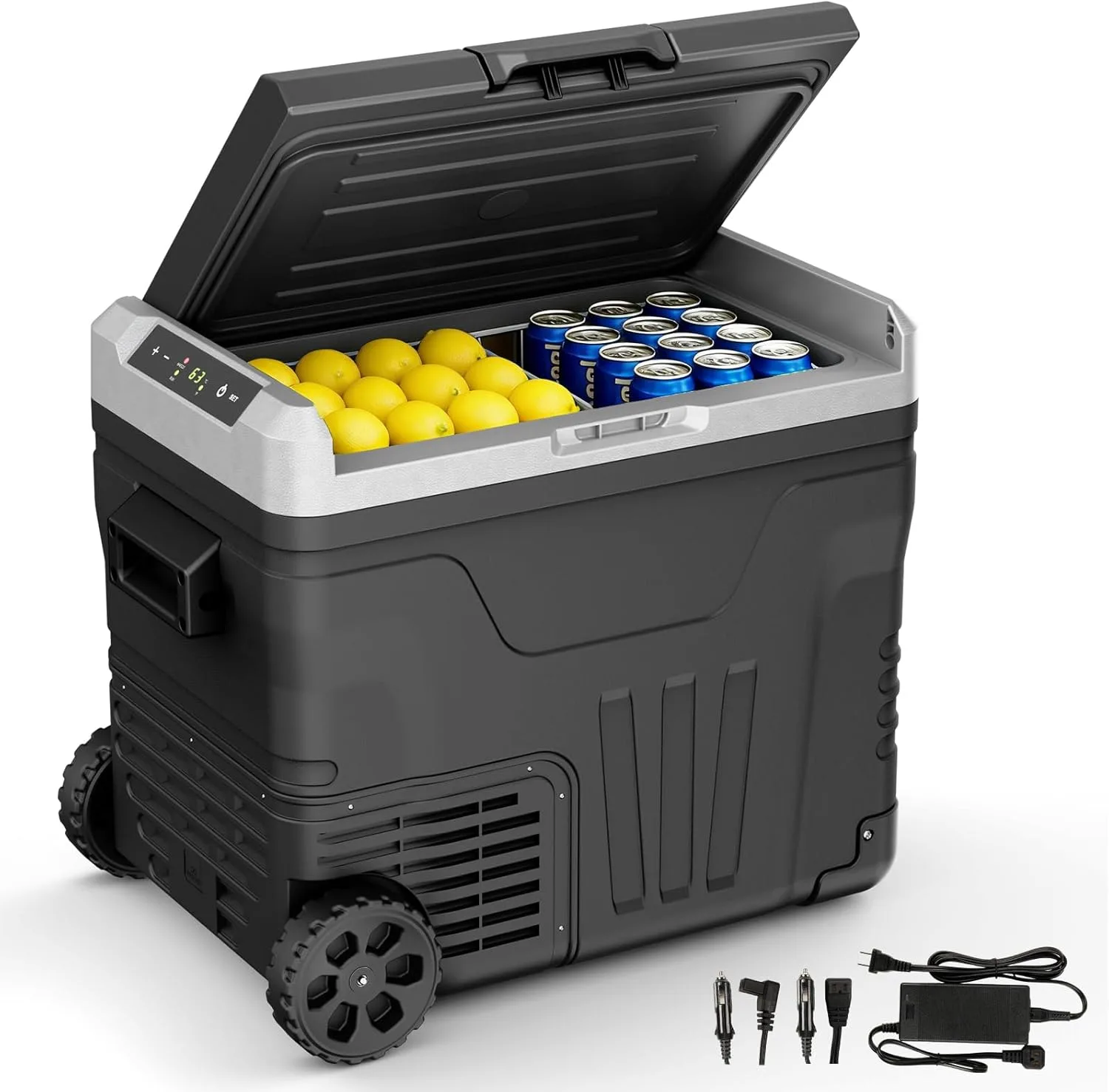
- Antarctic Star 53QT Portable Car Refrigerator 58150RVR0: Dual‑zone design lets you set separate temperatures for drinks and food, reducing overall power draw. Separate zones avoid cooling the entire compartment when only one type of item needs cooling, saving energy.
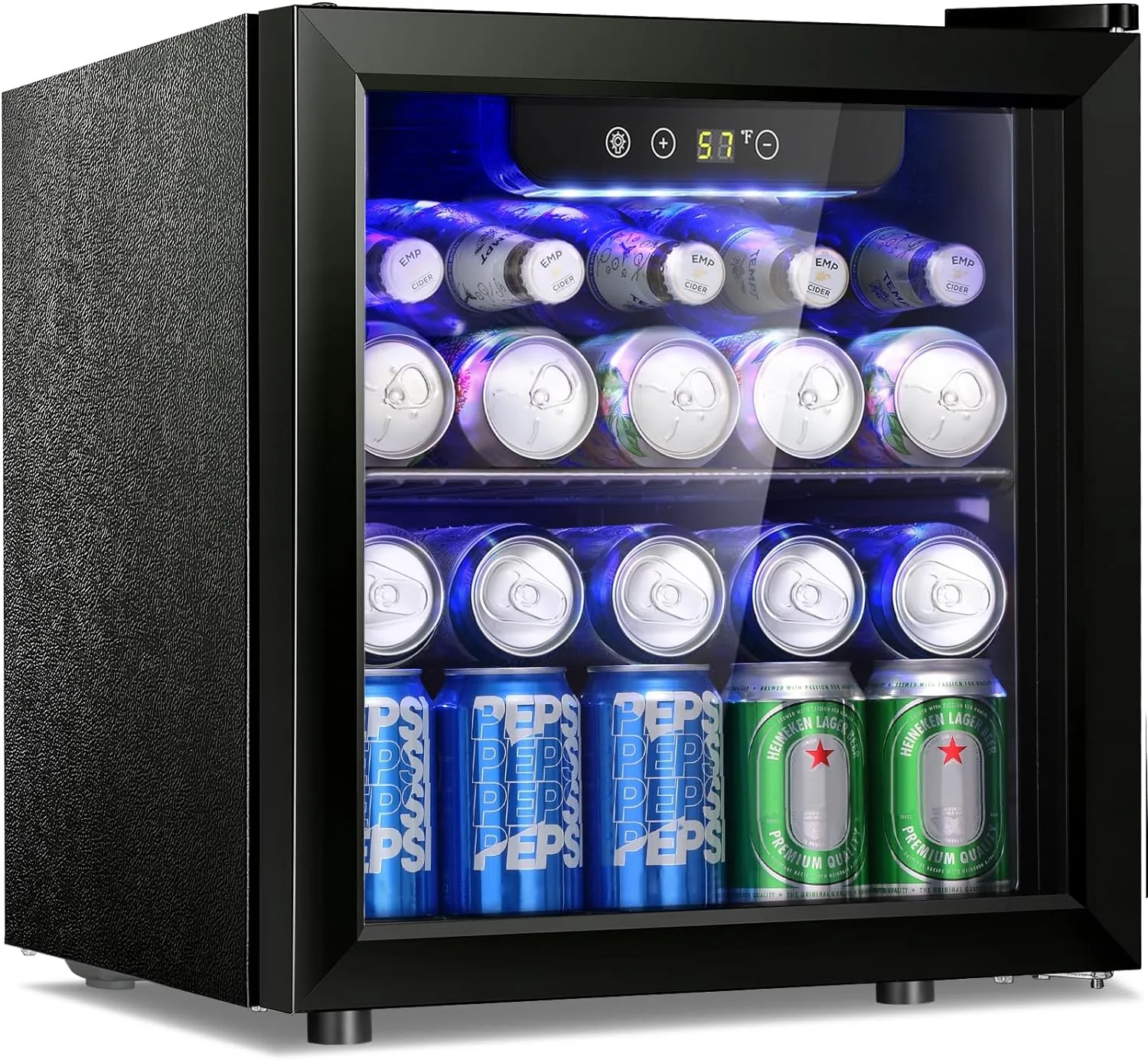
- https://antarctic-starez.com/products/antarctic-star-12-bottle-48-can-beverage-refrigerator-c-4e8db69f0490e215512c00fc-2552846Antarctic Star 12 Bottle/48 Can Beverage Refrigerator Cooler-1.3 cu.ft: Quiet compressor operates at lower wattage while keeping drinks at a consistent chill. Lower wattage means less electricity use, and the quiet operation lets you keep the fridge on continuously without disturbance.
By applying these straightforward steps, you’ll not only lower your electricity bill but also help your Antarctic Star refrigerator run smoother and last longer. Small adjustments add up, turning everyday cooling into a greener, more cost‑effective experience.