Quick answer
Organic baby bedding is worth choosing if your priority is fewer chemical residues next to your baby's skin and a fabric that stays soft through repeated washing. Look for cotton that is genuinely soft, sized correctly for your bassinet or cot, and easy to launder hot. Organic cotton baby bedding is a reasonable default, but fit and washing routine matter just as much as the certification label.
Parents usually arrive at this question in one of two ways: a baby with reactive skin, or a bassinet that needs sheets today. Both are practical problems, and neither is solved by a label alone. What follows are the questions readers actually send us, answered plainly.
One honest limitation up front: our catalog does not list organic certification for our bedding, so nothing here claims a certification we cannot verify. Instead, this covers what organic cotton generally means, how it compares with conventional bedding, and how to judge any sheet you are holding.
What are the real benefits of organic sheets?
The benefits of organic sheets come down to two things: how the cotton was grown and how it was finished. Organic cotton is grown without synthetic pesticides under certified farming systems, and organic textile standards also restrict the finishing chemicals used later. For a baby who spends 12 or more hours a day against a sheet, that reduced chemical load is the main argument.
The second benefit is practical rather than chemical. Organic cotton is usually processed with less aggressive finishing, so it tends to feel softer from the first wash and holds that softness. It is not magically stain-proof or wrinkle-free, and it usually costs more. If your baby has no skin issues and your budget is tight, a well-washed conventional cotton sheet is still a safe choice.
- Judge softness by touch after one wash, not by the label on the packet
- Ask whether the sheet is sized for your exact bassinet or cot mattress
Organic vs conventional bedding: what actually differs?
Organic vs conventional bedding differs mainly at the farming and finishing stage, not in how the finished sheet looks. Both are cotton. Conventional cotton may be grown with synthetic pesticides and finished with a wider range of chemical treatments. Organic standards restrict both. What you notice day to day is softness, how the fabric ages, and price.
What organic cotton does not guarantee is better fit, better breathability, or a safer sleep environment on its own. A loose organic sheet is less safe than a snug conventional one, because loose fabric can bunch around a baby's face. Treat the fiber as one factor and fit as the non-negotiable one.
- Run a finger under the fitted edge: if it lifts easily, the sheet is too loose
- Buy two sheets per bed so one is always clean and dry
Is organic bedding better for sensitive baby skin?
When a baby's skin is sensitive, parents often see improvement after switching bedding, but the cause is not always the fiber. Residues from detergents, fabric softeners and dryer sheets are common irritants, and they sit on every sheet regardless of how the cotton was grown. Changing your washing routine can matter more than changing the sheet.
If you do switch, change one thing at a time so you can tell what helped. Wash new bedding before first use, skip fabric softener entirely, and use a fragrance-free detergent. If a rash persists, spreads, or comes with fever or oozing, that is a conversation for your doctor, not a bedding decision.
- Wash new sheets before the first sleep
- Skip fabric softener and dryer sheets on anything that touches skin
What should you check before buying an organic bassinet sheet?
An organic bassinet sheet has to fit the mattress you own, because bassinet mattress sizes are not standardized. Measure the mattress length, width and depth, then compare against the sheet's stated dimensions rather than the bassinet's marketing name. A sheet that is slightly too small is hard to get on; one that is slightly too big will wrinkle and bunch.
Check the care label too. Bassinet sheets get washed constantly, so a fabric that needs cold hand washing will wear you down within a month. Look for a sheet you can machine wash warm and tumble dry low, and buy a spare so middle-of-the-night changes do not require a laundry cycle.
- Measure the mattress, not the bassinet frame
- Confirm the sheet is machine washable before you commit
Does organic bedding need different care?
Organic cotton bedding is washed the same way as conventional cotton: warm water, mild fragrance-free detergent, low tumble dry or line dry. The difference is that you should avoid anything that coats the fibers, because softeners and dryer sheets leave a residue that reduces absorbency and can irritate skin. Skip them on all baby bedding.
Wash bedding separately from towels and anything with zips or hooks, which abrade soft cotton. Two sets in rotation means each one is washed less often and lasts longer. If a sheet develops a tear, a stretched elastic, or a stain that will not come out after two washes, retire it rather than keeping it as a backup.
- Wash bedding separately from towels and hardware
- Replace sheets with stretched elastic or visible tears
Quick checks before you buy or wash
Fit first, fiber second
Measure your bassinet or cot mattress and match it to the sheet's stated dimensions. A snug conventional sheet beats a loose organic one every time. If the fitted edge lifts when you run a finger under it, size down or change style.
Read the care label before the certification claim
You will wash baby bedding weekly. Confirm it can be machine washed warm and tumble dried low, and buy a second set so you are never caught short. Two washable sets beat one precious set.
Change your detergent before you change your sheets
Fragrance and softener residue is a frequent irritant. Switch to a fragrance-free detergent, drop fabric softener and dryer sheets, and wash new bedding before first use. Give it two weeks before deciding the bedding was the problem.
Our bedding and gifting, in plain facts
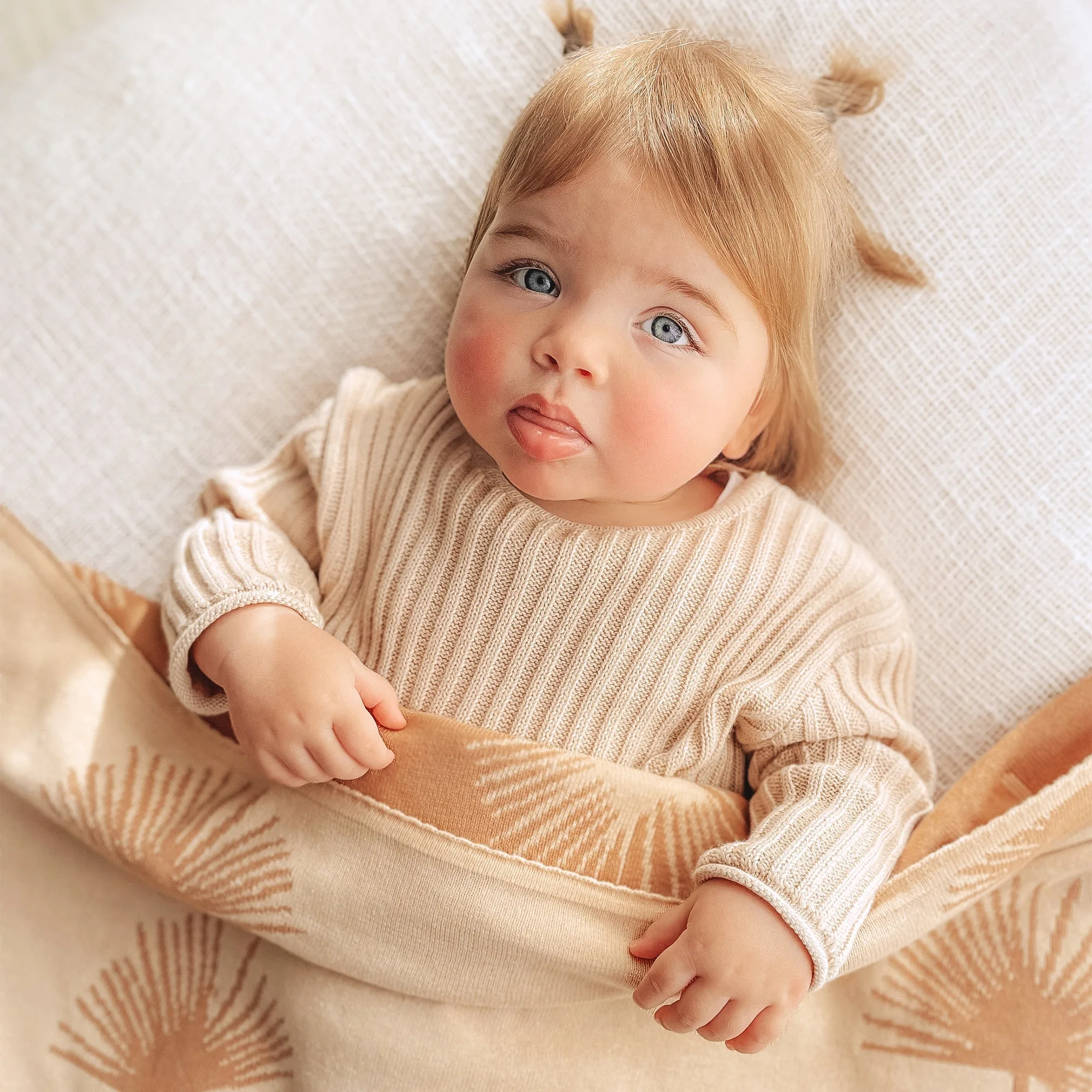
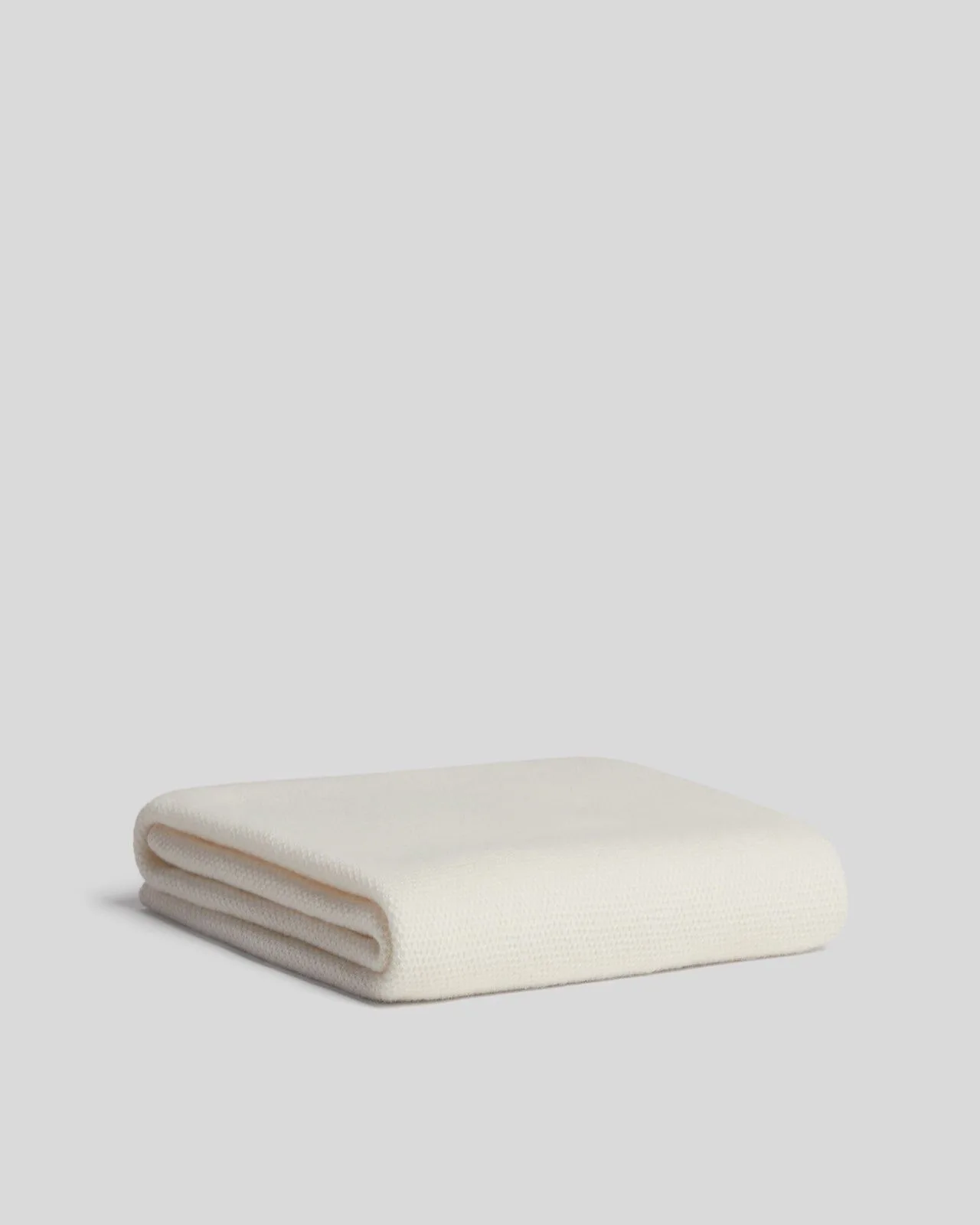
- Mermaids Blanket: Luxe knitted blanket in 100% cotton, sized 100x100cm, described as super soft and extra cosy and designed for babies, toddlers and children of all ages. A generous 100x100cm cotton knit works across pram, bassinet and daycare nap time, so it stays useful as your child grows rather than being outgrown in a season.
- Palmetto Reversible Blanket - SECONDS: A seconds item that may include some imperfections, sold at a reduced catalog price because the brand chooses not to waste stock that was roughed up during production, transport or packing. If you want a spare blanket for the pram or daycare bag and can accept minor flaws, a seconds option lowers the cost per blanket without changing how you wash or use it.
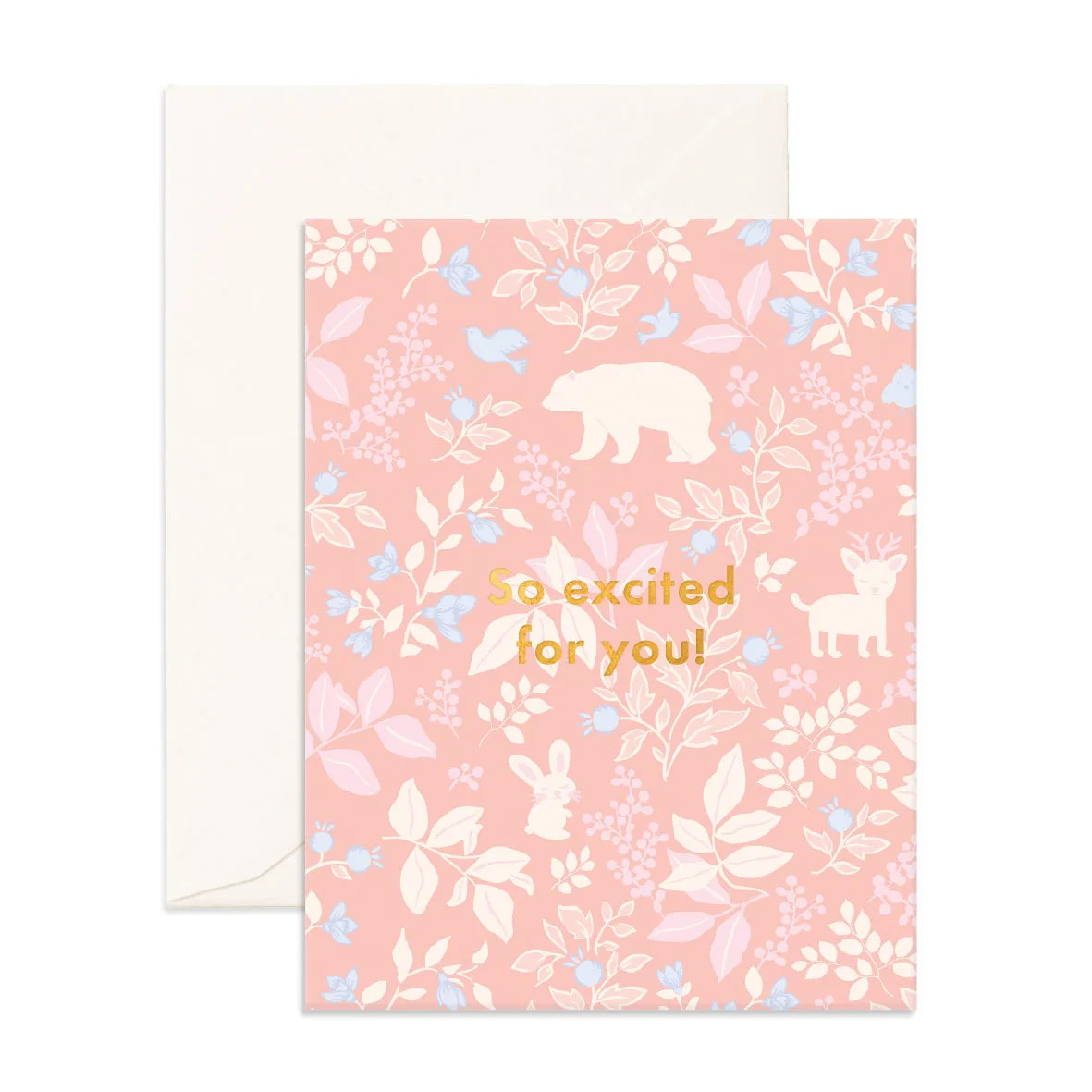
- So Excited Forest Friends Peony Greeting Card: Foil greeting card, 108 x 140mm, uncoated card stock with gold metallic foil, blank interior and cream envelope, designed and made in Australia. A blank interior means you can write a specific note for a baby shower or new arrival, which is often more useful than a card with pre-printed wording.
Organic cotton is a sensible default for baby bedding, but it is one input among three: fiber, fit and washing routine. Get the fit snug, keep the wash simple and fragrance-free, and buy a spare set. That combination does more for your baby's comfort than any single label.