Quick answer
Choose an organic bath towel if you prioritize sustainable farming and a soft, low-pile feel. Standard cotton towels often cost less upfront but may lack the same eco-credentials and long-term durability.
What makes organic cotton different?
Organic cotton is grown without synthetic pesticides, herbicides, or genetically modified seeds. This reduces chemical runoff and supports healthier soil. For a bath towel, the fiber quality can also be higher because organic farming often uses gentler processing that preserves fiber length, leading to a softer and more absorbent towel over time.
Standard cotton, while still natural, is typically grown with conventional methods that may involve synthetic inputs. The resulting fibers can be shorter and more prone to pilling, especially after repeated washes. However, standard cotton towels are widely available and often more budget-friendly at the point of sale.
Absorbency and feel: what to expect
A towel's absorbency depends on fiber quality, weave, and pile height. Organic cotton towels like the Wildflower Organic Bath Towel use raised terry loops against a smooth flat weave, creating a low-pile surface that feels soft against skin while still being highly absorbent. The low pile also means they dry faster than high-pile towels, which is a practical advantage in humid bathrooms.
Standard cotton towels can be absorbent too, but the feel varies widely by brand and thread count. Some standard towels use a high-pile terry that feels plush initially but may flatten or lose absorbency after several washes. If you value a towel that stays soft and absorbent wash after wash, organic cotton's longer fibers help maintain performance.
Durability and care
Both organic and standard cotton towels benefit from proper care: wash in warm water, skip fabric softener (it coats fibers and reduces absorbency), and tumble dry on low. Organic towels often hold up better because the fibers are less damaged during processing. The Wildflower Organic Bath Towel, for example, features a reversible botanical pattern on both sides, so even after many washes the design remains visible and the towel stays functional.
Standard cotton towels may show wear sooner, especially if they contain blends or shorter fibers. That said, a well-made standard towel can still last several years with gentle care. The trade-off is that you might replace standard towels more frequently, which over time could cost more and generate more textile waste.
Organic vs. standard: the trade-offs at a glance
- Eco-impact: Organic cotton uses no synthetic pesticides or GMOs, reducing environmental harm. Standard cotton farming often relies on chemical inputs that can affect local ecosystems.
- Softness and feel: Organic towels like the Wildflower Organic Bath Towel use longer fibers and a low-pile terry weave for a soft, absorbent feel that stays gentle after washing. Standard cotton feel varies; high-pile towels may feel plush initially but can flatten over time. If consistent softness matters most, organic cotton is the safer bet.
- Cost and longevity: Standard cotton towels usually have a lower upfront price. Organic towels cost more initially but often last longer due to higher fiber quality, potentially saving money over time.
Product spotlight
-
Wildflower Organic Bath Towel: Mid-century floral design crafted with raised terry loops against a smooth flat weave. Low-pile terry feels soft against skin and has exceptional absorbency. The low-pile weave combines softness with quick drying, making this organic towel a practical choice for daily use without sacrificing style.
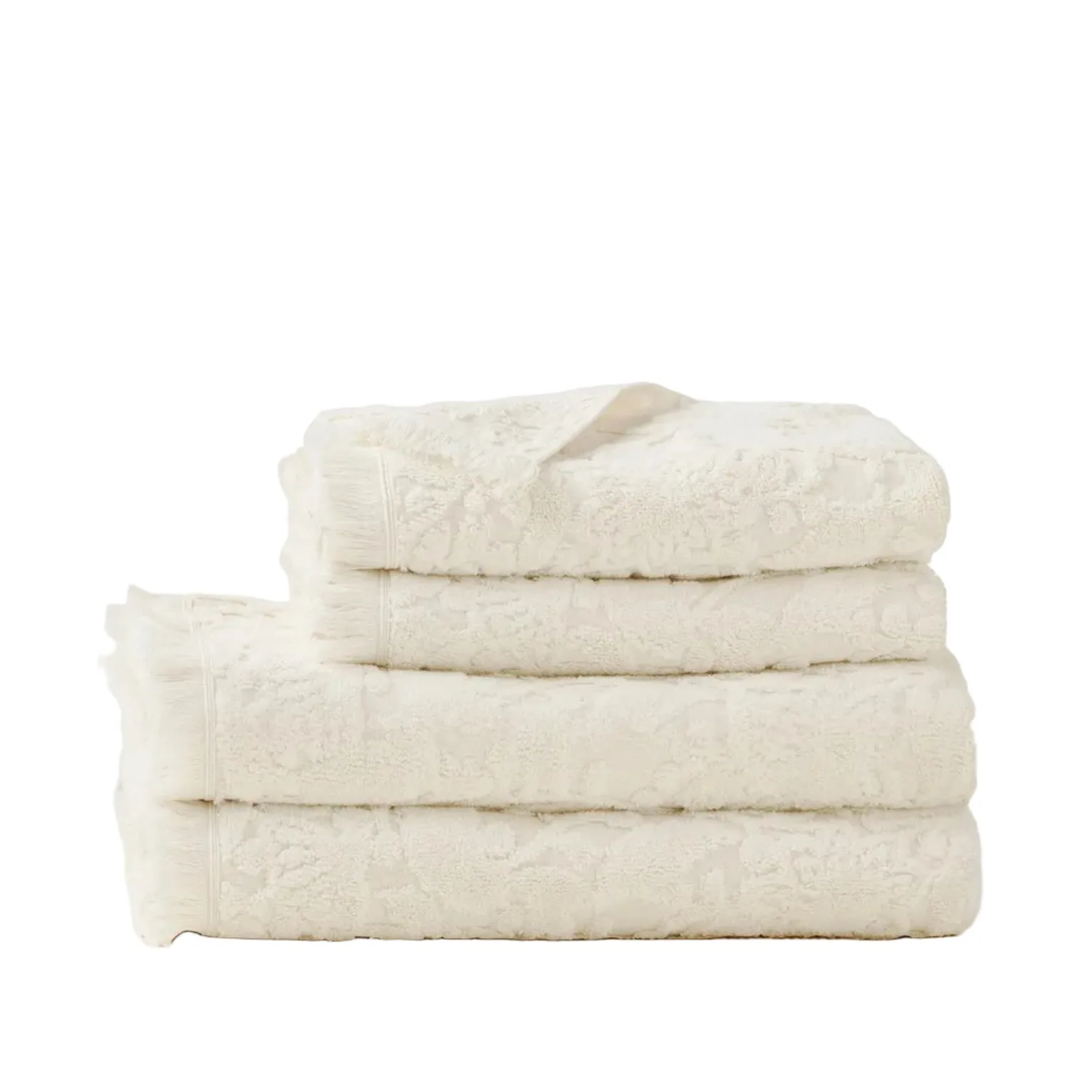
Wildflower Organic Bath Towel
Which towel fits your routine?
Best for
- Shoppers who want a sustainably made towel with a soft, low-pile feel and long-lasting absorbency
- Anyone looking for a bath towel that combines style (reversible botanical pattern) with eco-friendly materials
Not ideal for
- Budget-focused buyers who need the lowest possible upfront cost
- Those who prefer a very thick, high-pile plush towel (organic low-pile towels have a different feel)