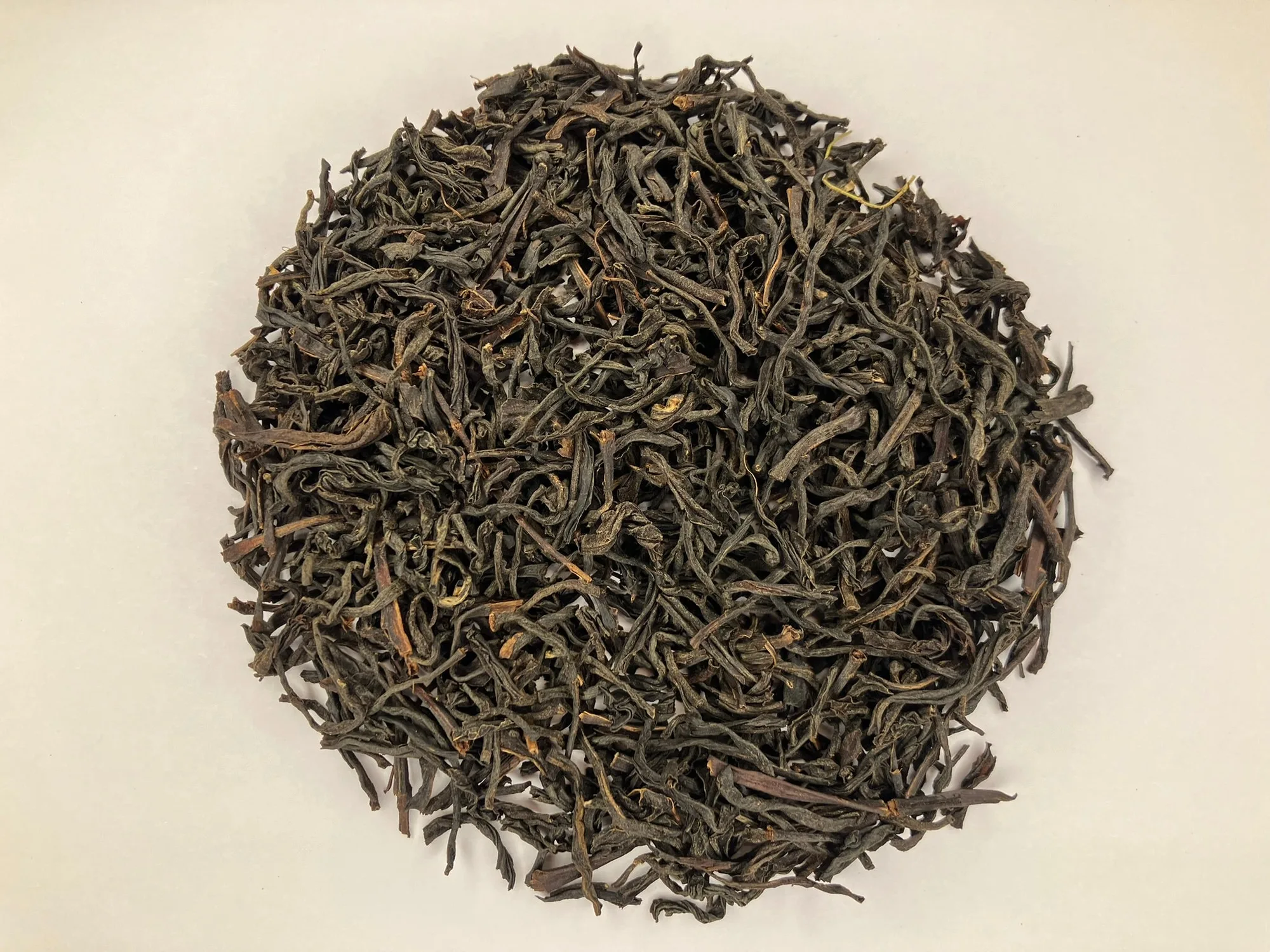
What “blue” adds to Earl Grey
Classic Earl Grey is typically a black tea base scented or flavored with bergamot. Organic Blue Earl Grey keeps that bergamot signature but adds blue cornflower petals and builds the base from Assam tea from South India. The result is a bergamot black tea comparison worth making: same citrus idea, different leaf and a visible floral element.
The blue in the name comes from cornflower, not from blue tea leaves. In this blend, cornflower is listed as an ingredient and is described as adding color and visual appeal. That makes it a blue flower Earl Grey tea in the literal sense—bergamot flavor plus blue petals—rather than a separate tea type.
Blue Earl Grey vs classic Earl Grey at a glance
- Base tea: Organic Blue Earl Grey uses Assam black tea from South India. A classic Earl Grey often uses a different black tea base, so the maltiness and body can differ.
- Bergamot: Both are bergamot black teas. This blend uses natural bergamot flavouring and is described as having a smooth, malty, citrus taste.
- Visual signature: Blue cornflower petals are included for color and visual appeal. Classic Earl Grey usually does not include blue flower petals.
- Flavor direction: The catalog describes this tea as smooth, malty and citrusy with a refreshing, zesty bergamot taste. Expect a softer floral look in the cup rather than a different citrus source.
Product facts behind the comparison
-
Organic Blue Earl Grey Tea: Ingredients: Black Tea Assam, South India, natural bergamot flavouring, cornflower blue. Certified Organic. Confirms the base tea, the bergamot source, and the blue flower that distinguishes this blend.
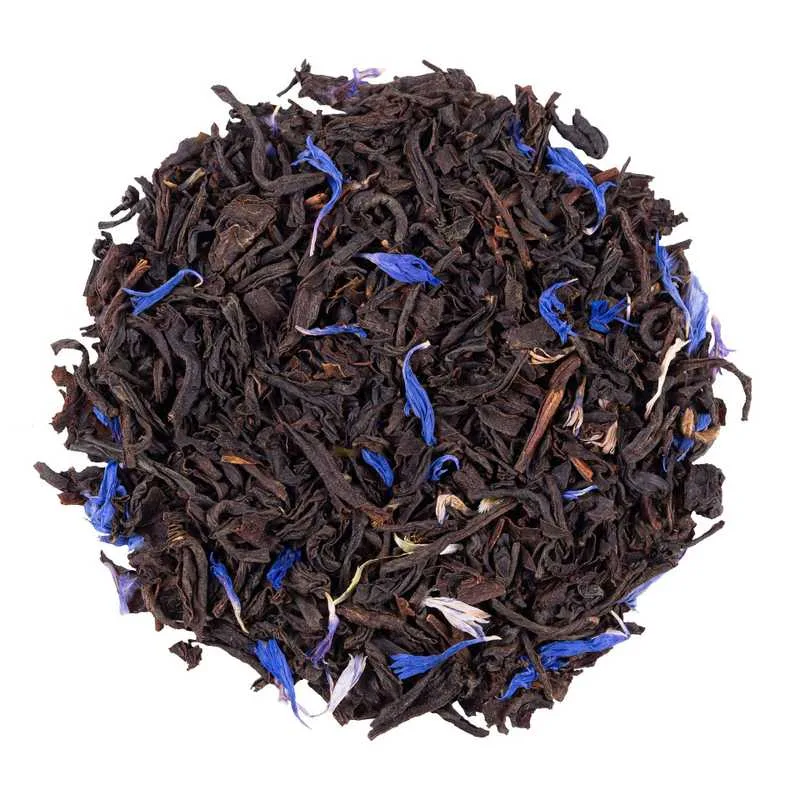
Organic Blue Earl Grey Tea
-
Organic Blue Earl Grey Tea: Taste: bergamot taste, smooth, malty and citrus. Sets expectations for how this blue flower Earl Grey tea differs from a sharper or more perfumed classic Earl Grey.
-
Organic Blue Earl Grey Tea: It does not contain any artificial flavours. Useful if you are comparing natural bergamot flavouring with the flavoring used in other Earl Grey blends.
How to brew it for a fair comparison
The supplied preparation guidance for Organic Blue Earl Grey calls for water at 100°C and 4–5 grams of leaf per 330ml cup, steeped for approximately 3–5 minutes. If you are comparing it with a classic Earl Grey, use the same cup size, water temperature and steep time so the base tea and bergamot level are the only real variables.
Because this is a loose leaf black tea, you can adjust leaf quantity within that range to taste. Start at the lower end if you want the citrus to lead; move toward the higher end if you want more malt from the Assam base. The catalog does not specify a storage method or shelf life, so follow the package directions for keeping the leaf fresh.
Who this blue flower Earl Grey suits
- You want a softer-looking Earl Grey: The blue cornflower adds visual interest without changing the bergamot-forward flavor described in the catalog.
- You prefer a malty black tea base: The Assam and South India base is described as smooth and malty, which may appeal if classic Earl Grey feels thin or sharp to you.
- You want natural flavouring: The blend uses natural bergamot flavouring and states it contains no artificial flavours.
- You are not looking for a caffeine-free cup: This is a black tea blend. The catalog does not provide a caffeine amount, so treat it as a caffeinated tea unless your package says otherwise.
What the catalog does not settle
The supplied information does not include a side-by-side ingredient list for a specific classic Earl Grey, so any comparison here is about style rather than a named competitor. It also does not confirm allergen-free status, shelf life, or a precise caffeine content. If those details matter for your purchase, check the packaging or contact the store before buying.
Organic Blue Earl Grey is available in 125g (approx. 30 cups) and 250g (approx. 60 cups) sizes. The catalog comparison price is USD 11.95 against a catalog price of USD 7.41, but prices can change, so confirm the current price at checkout.