Gluten-free baking can feel like a puzzle, especially when you're faced with a shelf full of alternative flours. Two of the most popular choices are organic brown rice flour and organic chickpea flour. Both are naturally gluten-free, but they behave very differently in the kitchen. Understanding their unique properties can help you choose the right one for your recipes—or combine them for a better texture and flavor.
In this comparison, we'll break down the key differences between brown rice flour and chickpea flour, including taste, texture, nutritional profiles, and best uses. We'll also share tips on how to blend them for gluten-free baking success, so you can create everything from fluffy cakes to crispy flatbreads with confidence.
What Is Organic Brown Rice Flour?
Organic brown rice flour is made by milling whole grain brown rice into a fine powder. Because it retains the bran and germ, it has a slightly nutty flavor and a light, sandy texture. It's a staple in many gluten-free blends because it provides structure without overpowering other ingredients.
Brown rice flour is versatile and works well in baked goods like muffins, cookies, and cakes. It's also a common base for homemade gluten-free flour blends, often paired with starches like tapioca or potato starch to improve texture. For a finer texture, you can find stoneground versions, but standard brown rice flour is perfectly suitable for most recipes.
- Mild, nutty flavor that pairs well with chocolate, cinnamon, and vanilla.
- Provides structure and helps bind ingredients in gluten-free baking.
- Best used in blends rather than alone for lighter results.
What Is Organic Chickpea Flour?
Organic chickpea flour, also known as gram flour or besan, is made from ground dried chickpeas. It has a distinct, earthy flavor and a dense, protein-rich composition. Chickpea flour is a powerhouse in gluten-free baking because it adds moisture, richness, and a golden color to baked goods.
This flour is exceptionally good for savory dishes like flatbreads, fritters, and pancakes. It's also a popular egg substitute in vegan baking, as it can be mixed with water to create a binding agent. However, its strong flavor can be overpowering in sweet recipes, so it's often used in smaller amounts or combined with milder flours.
- High in protein and fiber, making baked goods more filling.
- Creates a soft, tender crumb in muffins and quick breads.
- Works well as a thickener for soups and sauces.
Key Differences: Taste, Texture, and Nutrition
The most obvious difference between brown rice flour and chickpea flour is flavor. Brown rice flour is neutral with a hint of nuttiness, while chickpea flour has a distinct, slightly beany taste. If you're baking a delicate vanilla cake, brown rice flour will let the vanilla shine; chickpea flour might add an unwanted savory note.
Texture also sets them apart. Brown rice flour tends to be gritty if used alone, but it becomes smooth when combined with starches. Chickpea flour, on the other hand, is naturally fine and creates a smooth batter, but it can make baked goods dense if overused. Nutritionally, chickpea flour is higher in protein and fiber, while brown rice flour offers more complex carbohydrates and a lower fat content.
- Use brown rice flour for neutral-tasting baked goods that need structure.
- Use chickpea flour for savory dishes or to boost protein content.
- Combine both to balance flavor and texture in gluten-free recipes.
Best Uses for Brown Rice Flour
Brown rice flour is a reliable choice for everyday gluten-free baking. It's excellent for cookies, muffins, and cakes, especially when mixed with other flours and starches. Because it has a mild flavor, it won't compete with the other ingredients in your recipe. It's also a great thickener for gravies and sauces, though you may need to whisk it well to avoid lumps.
For those new to gluten-free baking, brown rice flour is a good starting point. It's widely available and easy to work with. You can also use it to make your own all-purpose gluten-free blend by combining it with potato starch and tapioca flour. This homemade blend can replace wheat flour in many recipes, giving you consistent results.
- Perfect for cakes, muffins, and cookies.
- Use in homemade gluten-free flour blends.
- Great for coating fish or chicken before frying.
Best Uses for Chickpea Flour
Chickpea flour shines in savory baking. It's the key ingredient in socca, a French flatbread, and pakoras, an Indian fritter. It also makes delicious, protein-packed pancakes and waffles. If you're looking to add a nutritional boost to your baking, chickpea flour is an excellent choice.
In sweet recipes, chickpea flour can be used to replace eggs or add moisture. Try it in brownies or blondies for a fudgy texture. However, because of its strong flavor, it's best to start with a small amount and adjust to your taste. You can also blend it with brown rice flour to create a balanced gluten-free flour that works for both sweet and savory dishes.
- Ideal for flatbreads, fritters, and savory pancakes.
- Use as an egg replacer in vegan baking.
- Adds a rich, golden color to baked goods.
How to Choose the Right Flour for Your Recipe
When deciding between brown rice flour and chickpea flour, consider the flavor profile and desired texture of your final product. For light, fluffy cakes and pastries, brown rice flour is a safer bet. For dense, hearty breads or savory snacks, chickpea flour is the winner. If you're making a recipe that calls for a neutral flour, such as a sponge cake, stick with brown rice flour.
For many gluten-free bakers, the best approach is to use a blend of both. This way, you get the structure from brown rice flour and the moisture and protein from chickpea flour. A simple blend of 60% brown rice flour and 40% chickpea flour works well for cookies and muffins. For bread, you might want to adjust the ratio based on the recipe.
- For sweet baked goods, lean towards brown rice flour.
- For savory recipes, chickpea flour is the better choice.
- Experiment with a 60/40 blend to find your favorite ratio.
Baking Tips for Gluten-Free Success
Gluten-free flours behave differently from wheat flour, so a few adjustments can make a big difference. First, always measure flours by weight rather than volume for accuracy. Second, let your batter rest for 20-30 minutes before baking. This allows the flours to hydrate and results in a better texture.
Adding a binder like xanthan gum or psyllium husk can also help improve the structure of your baked goods. If you're using a blend, check if it already contains a binder. Finally, don't be afraid to experiment. Gluten-free baking is all about finding the right combination for your taste and texture preferences.
- Weigh your flours for consistent results.
- Rest your batter to improve texture.
- Add a binder if your blend doesn't include one.
Comparing Organic Options from Doves Farm
At Doves Farm, we offer a range of organic flours that are perfect for gluten-free baking. While we don't currently stock chickpea flour, our organic brown rice flour is a versatile choice. For a whole grain option with a nutty flavor, try our Organic Rye Grain | 25kg Sack Size, though it's not gluten-free. For those who prefer ancient grains, our Organic Stoneground Wholemeal Einkorn Flour 25kg Sack is a nutritious alternative, but again, it contains gluten.
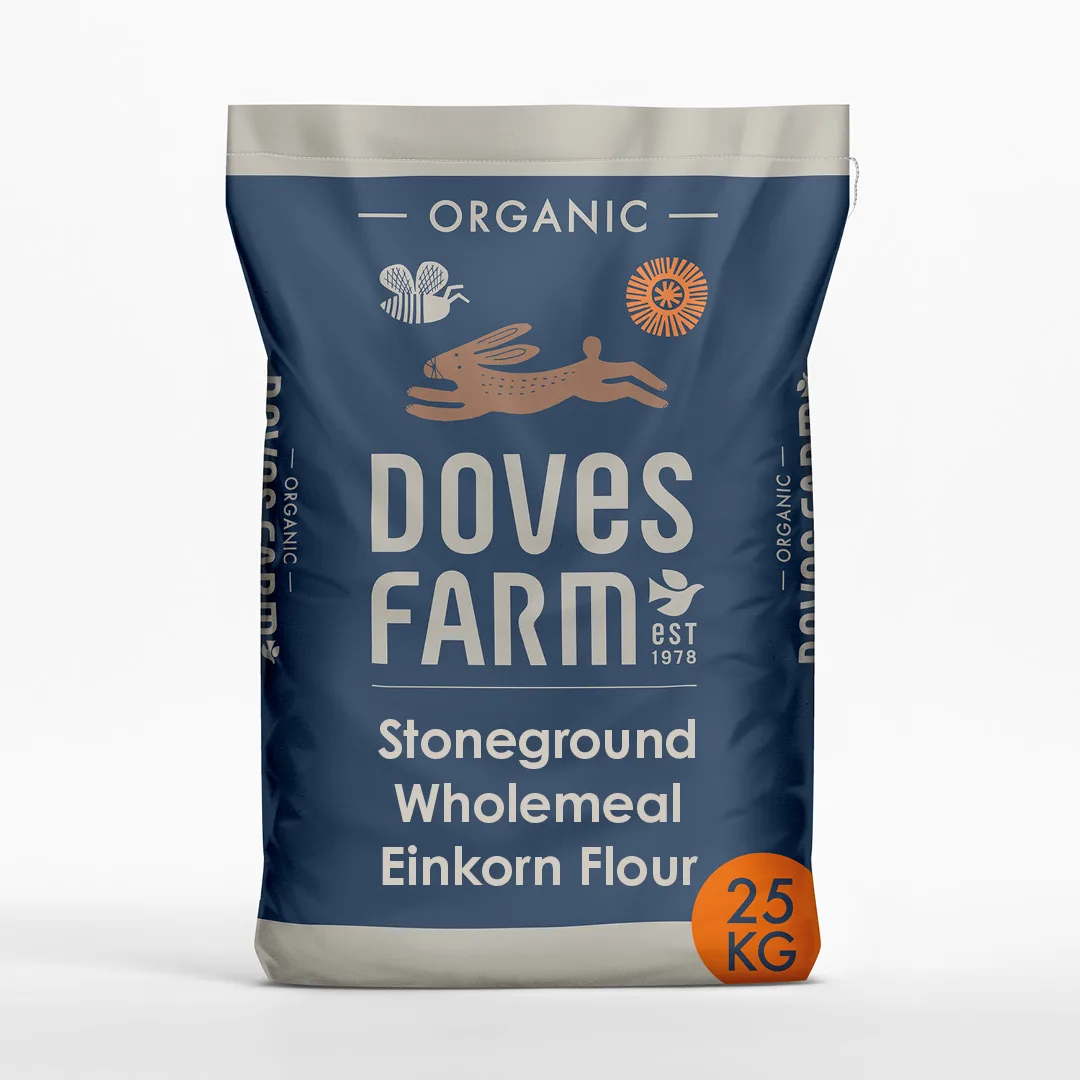
Organic Stoneground Wholemeal Einkorn Flour 25kg Sack
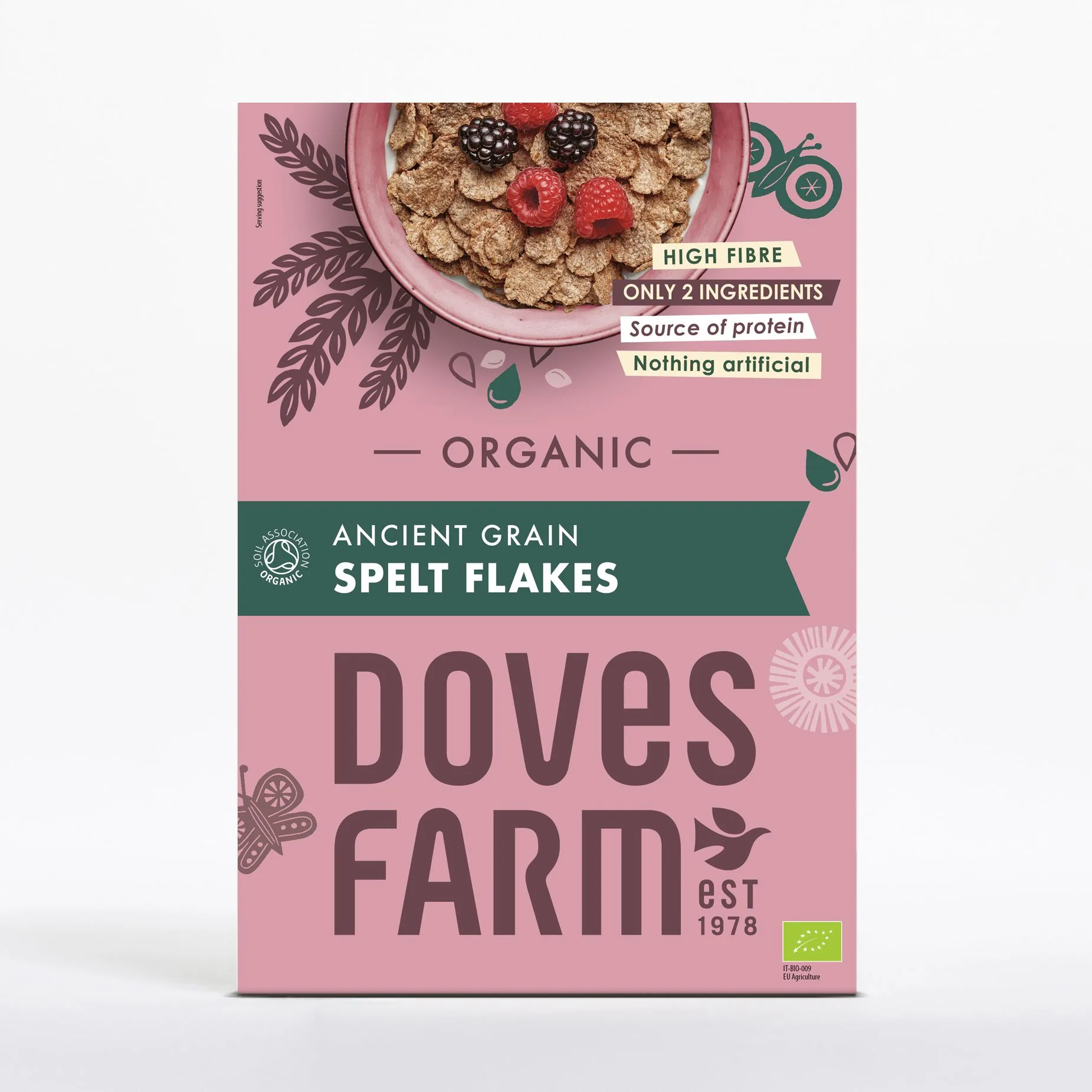
If you're specifically looking for gluten-free options, our Organic Brown Rice Flour is a great addition to your pantry. It's certified organic and milled to a fine consistency, making it ideal for all your baking needs. You can also explore our range of organic breakfast cereals, like Organic Ancient Grain Spelt Flakes Cereal, for a quick and healthy start to your day.
- Check out our organic brown rice flour for gluten-free baking.
- Explore our ancient grain flours for other baking adventures.
- Try our organic cereals for a nutritious breakfast.
Both organic brown rice flour and chickpea flour have their place in a gluten-free kitchen. By understanding their strengths and weaknesses, you can choose the right one for each recipe—or combine them for the best of both worlds. Experiment with different ratios and discover the perfect blend for your favorite baked goods. For a reliable, high-quality organic brown rice flour, visit our store and stock up today.