Quick Answer
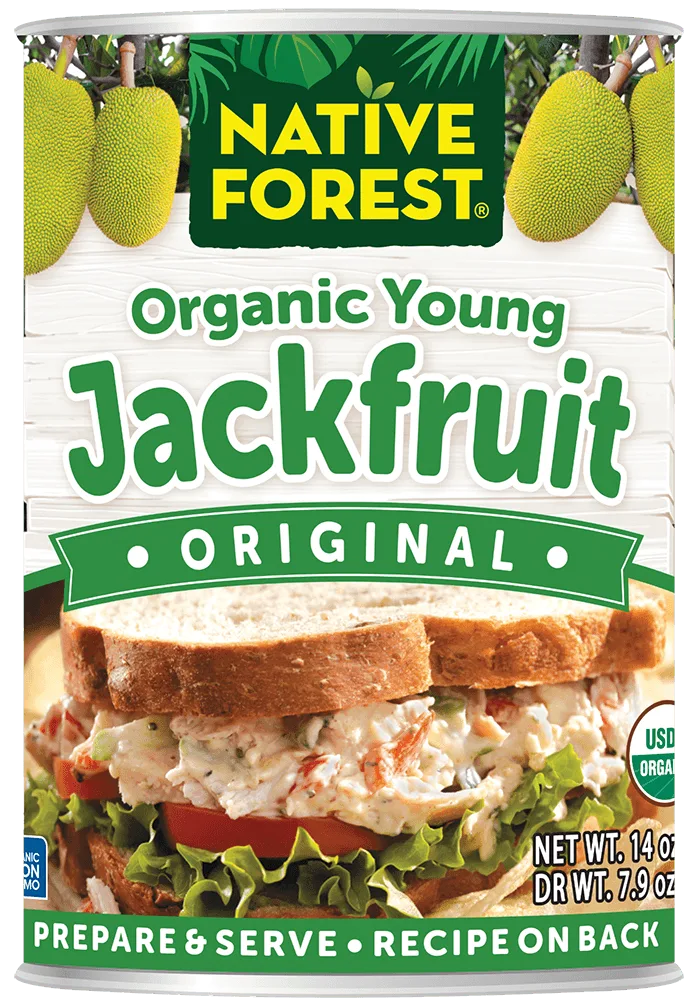
Organic canned jackfruit and young jackfruit in brine are essentially the same product: young, green jackfruit packed in water or brine. The key difference is the packing liquid—water keeps a neutral taste, while brine adds saltiness. For savory dishes like pulled pork or curries, choose young jackfruit in water or brine based on your salt preference; for sweet applications, opt for ripe jackfruit, which is a different product entirely.
If you've browsed the canned vegetable aisle, you've likely seen both organic jackfruit and young jackfruit in brine. They look similar, but the packing liquid can change how you cook with them. Understanding the difference helps you avoid a too-salty curry or a bland taco filling.
In this comparison, we'll break down the texture, taste, and best uses for each option. We'll also share which one works best for pulled pork-style dishes and other vegan meat substitutes.
What Is Young Jackfruit?
Young jackfruit is the unripe, green fruit harvested before it develops sweetness. It has a neutral flavor and a meaty, fibrous texture that shreds easily when cooked. This makes it a popular vegan meat substitute, especially for pulled pork, tacos, and stews.
Because it's packed young, it's not sweet like ripe jackfruit. Instead, it absorbs the flavors of your sauce or seasoning. This is why it works so well in savory dishes.
- Young jackfruit is typically sold canned in water or brine.
- It has a mild taste and a texture similar to shredded meat.
Water vs. Brine: What's the Difference?
The main difference between jackfruit in water and jackfruit in brine is the salt content. Brine is a saltwater solution that adds flavor and acts as a preservative. Jackfruit in water has no added salt, so it has a cleaner, more neutral taste.
This matters for your recipe. If you're making a dish with a salty sauce, like soy-based stir-fry, choose water-packed jackfruit to avoid oversalting. If you're making a simple preparation and want a bit of seasoning, brine-packed jackfruit can save you a step.
Both options have a similar texture—firm and slightly fibrous—but the brine can make the jackfruit slightly firmer due to the salt. However, this difference is minimal once cooked.
- Check the label: brine contains salt, water does not.
- Rinse brine-packed jackfruit to reduce saltiness if needed.
How to Use Canned Jackfruit for Pulled Pork
Canned young jackfruit is a fantastic base for vegan pulled pork. Its fibrous texture shreds beautifully when cooked, and it absorbs barbecue sauce or spices well. For the best results, drain and rinse the jackfruit, then remove any tough core pieces.
If you're using brine-packed jackfruit, rinsing is essential to remove excess salt. Then simmer it in your sauce until it's tender and easily shredded. Water-packed jackfruit can go straight into your sauce, though you may want to add a pinch of salt to balance the flavors.
Both options work well, but water-packed jackfruit gives you more control over the final saltiness. This is especially helpful if you're watching your sodium intake or using a salty store-bought sauce.
- Shred with two forks after cooking for a pulled pork texture.
- Add liquid smoke or smoked paprika for a smoky flavor.
Other Uses for Young Jackfruit
Beyond pulled pork, young jackfruit is versatile. Use it in curries, stews, and soups where it can soak up aromatic spices. It also works in stir-fries, though it's best to add it near the end to keep some texture.
You can also use it as a filling for tacos, burritos, or sandwiches. Its neutral taste makes it a blank canvas for any flavor profile—from spicy Mexican to savory Asian.
Remember, young jackfruit is not a substitute for ripe jackfruit in desserts. Ripe jackfruit is sweet and eaten fresh or used in smoothies and desserts. Canned ripe jackfruit is a different product, so check the label to avoid confusion.
- Use in place of meat in vegan and vegetarian recipes.
- Pair with bold spices and sauces for the best flavor.
Trade-Offs at a Glance
- Jackfruit in Water: Neutral taste, no added salt. Gives you full control over seasoning. Best for recipes with salty sauces or when you want to manage sodium. Choose water-packed for versatility and salt control.
- Jackfruit in Brine: Adds saltiness and a firmer texture. Can save time by adding flavor, but may require rinsing to avoid oversalting. Choose brine-packed for convenience and a slightly firmer bite.
- Ripe Jackfruit: Sweet and fruit-forward. Not suitable for savory dishes like pulled pork, but great for desserts and smoothies. Choose ripe jackfruit only for sweet recipes.
Product Facts
- Native Forest® Organic Mung Bean Sprouts: Native Forest® Organic Mung Bean Sprouts are delicious in soups, salads, and stir fry. To create these, we carefully sprout certified organic mung beans and promptly pack the tender shoots in a mild brine to retain their subtle taste and satisfying texture. If you enjoy the crisp texture of young jackfruit, you'll appreciate mung bean sprouts for adding a similar fresh crunch to salads and stir-fries. The mild brine keeps them flavorful without overpowering your dish.
- Native Forest® Whole Artichoke Hearts: Native Forest® Whole Artichoke Hearts are a pantry staple for adding tender, flavorful artichokes to salads, pastas, and antipasti. Packed in water with just salt and citric acid, these organic artichoke hearts are ready to use straight from the can. Like jackfruit in water, these artichoke hearts are packed in water with minimal ingredients, giving you a clean, neutral base. They're perfect for quick meals where you want the vegetable's natural flavor to shine.
- Native Forest® Organic Sliced Crimini Mushrooms: Native Forest® Organic Sliced Crimini Mushrooms offer a convenient, ready-to-use addition to your pantry. These organic mushrooms are sliced and packed in water with sea salt, preserving their natural flavor and texture. If you're building a vegan meat substitute, crimini mushrooms add an earthy, umami flavor that complements jackfruit in savory dishes. Packed in water with sea salt, they're a simple, clean ingredient for soups and stews.
Which One Should You Choose?
Best For
- Home cooks who want to control salt levels and prefer a neutral base for bold sauces.
- Vegan and vegetarian cooks looking for a versatile meat substitute for pulled pork, tacos, and curries.
Not For
- Those who want a ready-to-eat snack with a sweet, fruity flavor—choose ripe jackfruit instead.
- Recipes that require a firm, meaty texture without shredding—consider other plant-based options like mushrooms or seitan.
Understanding the difference between jackfruit in water and brine helps you cook smarter. For most savory recipes, water-packed young jackfruit gives you the most control, while brine-packed offers convenience and a slight firmness. Whichever you choose, organic canned jackfruit is a delicious, sustainable way to add plant-based texture to your meals.