Quick answer
Buy Ceylon cinnamon sticks if you stir cinnamon into coffee, tea, oatmeal, or yogurt most days, because true cinnamon has low coumarin levels and a delicate, sweet flavor. Buy organic sage powder if you cook Mediterranean or winter dishes and want an earthy, aromatic herb for meats, vegetables, and soups. If you use both, start with the smaller 40g bags and restock the one that empties first.
Flavor and kitchen role: sweet bark vs savory leaf
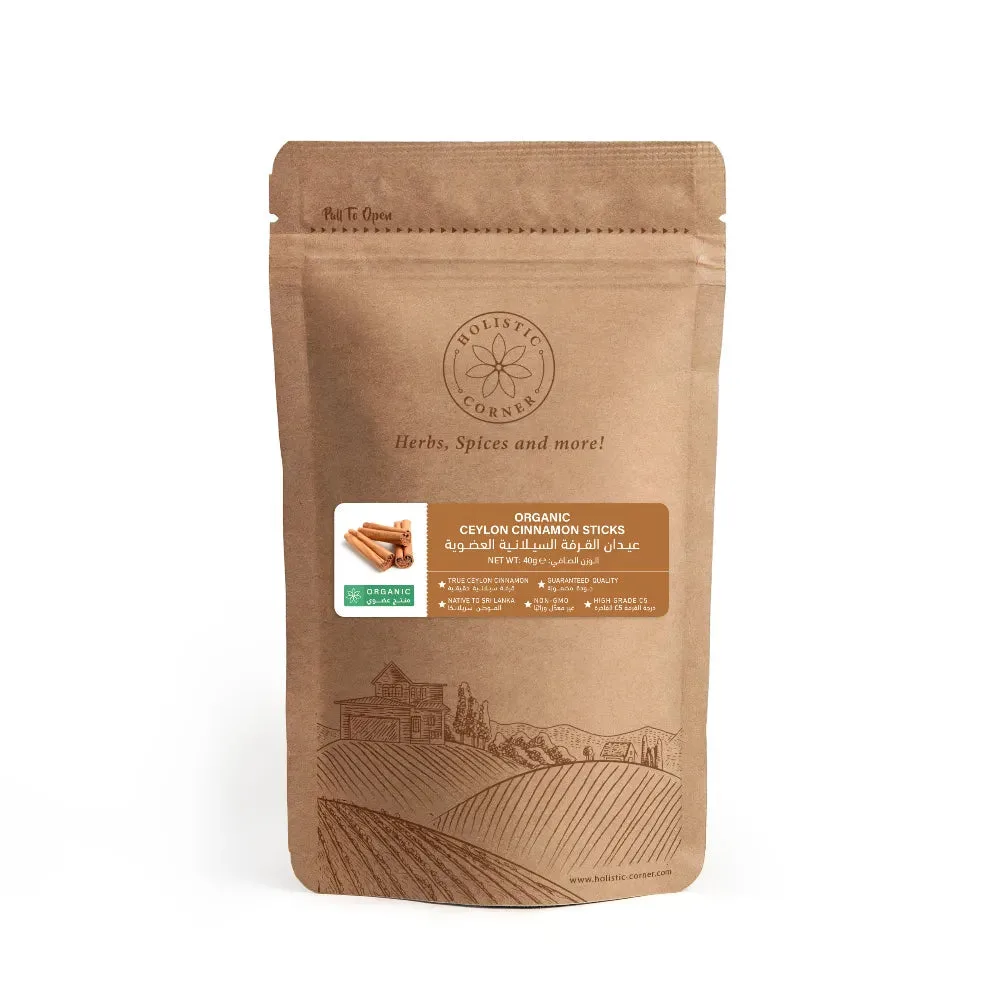
Ceylon cinnamon sticks are hand-rolled from Sri Lankan bark and taste delicate and sweet rather than hot or harsh. That makes them a natural fit for infusions, teas, and culinary garnishes, where the goal is a gentle background note instead of a bold spice hit. You can drop a stick into a mug of tea or a pot of simmering liquid and pull it out when the flavor is right.
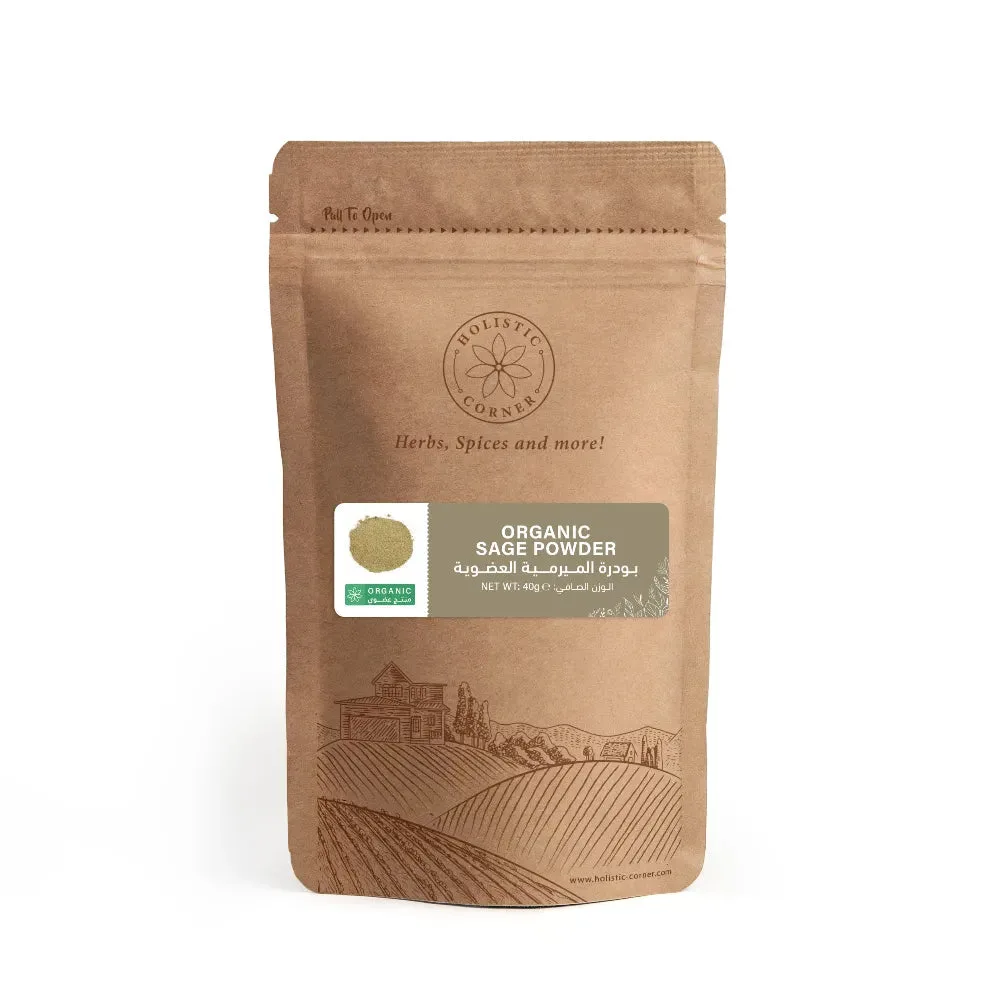
Sage powder is ground from a Mediterranean herb with gray-green leaves and delivers a rich, earthy flavor. It belongs in seasoning for meats, vegetables, and soups, and it works best when you want the herb to disappear into the dish rather than sit on top of it. Because it is already ground, a little goes further than a whole leaf, so start small and taste as you cook.
Coumarin and daily use: why Ceylon matters if you sprinkle often
The practical reason to choose Ceylon cinnamon over Cassia is coumarin. Cassia varieties are harsher and higher in coumarin, while true Ceylon cinnamon is known for low coumarin levels. If cinnamon is a daily habit, the low-coumarin option is the more sensible jar to keep on the counter.
Sage powder does not carry that same daily-dose question. Its role is more occasional and recipe-driven: a pinch in a roast, a soup, or a sauce. That difference matters when you decide which spice deserves counter space and which one can live in the cupboard.
Format and freshness: sticks keep longer, powder is faster
Whole cinnamon sticks hold their aroma longer than ground spice because less surface area is exposed to air. If you use cinnamon slowly, sticks are the lower-waste choice. If you want cinnamon flavor in a hurry, you will need to grind or simmer the stick, which adds a step.
Ground sage powder is the opposite trade-off. It is ready the second you open the bag, but ground herbs lose their punch faster than whole ones. Buy a size you can finish within a few months, and keep it away from heat and moisture. The 40g bag is a reasonable starting size if sage is a supporting player in your cooking rather than a daily one.
How to read the label before you buy either one
For cinnamon, look for the words Ceylon or true cinnamon, not just cinnamon. The origin matters too: Sri Lankan-grown Ceylon cinnamon is the one with the delicate, sweet profile and low coumarin levels. Hand-rolled sticks are a sign of traditional processing, but the origin and species name are the facts that actually protect you.
For sage, look for organic and a clear ingredient list with no fillers. Ground sage should smell strongly aromatic when you open the bag. If it smells dusty or flat, it has been sitting too long. Buy from a store that moves spice inventory quickly, and choose the smaller bag if you are trying sage for the first time.
Decision rules: pick your jar in under a minute
- Rule 1: Count your cinnamon days: If you add cinnamon to coffee, tea, oatmeal, or yogurt four or more days a week, choose Ceylon cinnamon sticks. The low coumarin level is the deciding factor, and the delicate flavor will not overwhelm your drink. Daily cinnamon user: buy the Ceylon sticks.
- Rule 2: Match the herb to your menu: If your weekly cooking includes roasted meats, vegetable trays, or soups, sage powder will get used. If your meals are mostly sweet breakfasts and drinks, sage will sit in the cupboard. Savory cook: buy the sage powder.
- Rule 3: Buy the size you can finish: Both products come in 40g bags. Ground sage loses aroma faster than whole cinnamon sticks, so only buy sage in a size you will use within a few months. Cinnamon sticks are more forgiving if you use them slowly. Slow user: cinnamon sticks are the safer purchase.
- Rule 4: Avoid Cassia if you want true cinnamon: Check for the word Ceylon or true cinnamon on the label. Cassia is a different, harsher spice with higher coumarin, and it is often sold simply as cinnamon. Checkpoint: the label must say Ceylon.
Product facts to compare
- Holistic Corner Organic Ceylon Cinnamon Sticks 40g: Holistic Corner Organic Ceylon Cinnamon Sticks 40g are hand-rolled by Sri Lankan artisans and described as true cinnamon with a delicate, sweet flavor and low coumarin levels, unlike harsh Cassia varieties. If you add cinnamon to drinks or breakfast most days, this is the lower-coumarin format that also tastes mild enough to use without sugar.
- Holistic Corner Organic Sage Powder 40g: Holistic Corner Organic Sage Powder 40g is ground sage from a Mediterranean herb with gray-green leaves, known for an aromatic scent and earthy flavor for meats, vegetables, and soups. This is the faster, savory option when you want herb flavor in a roast or soup without chopping or waiting for whole leaves to soften.
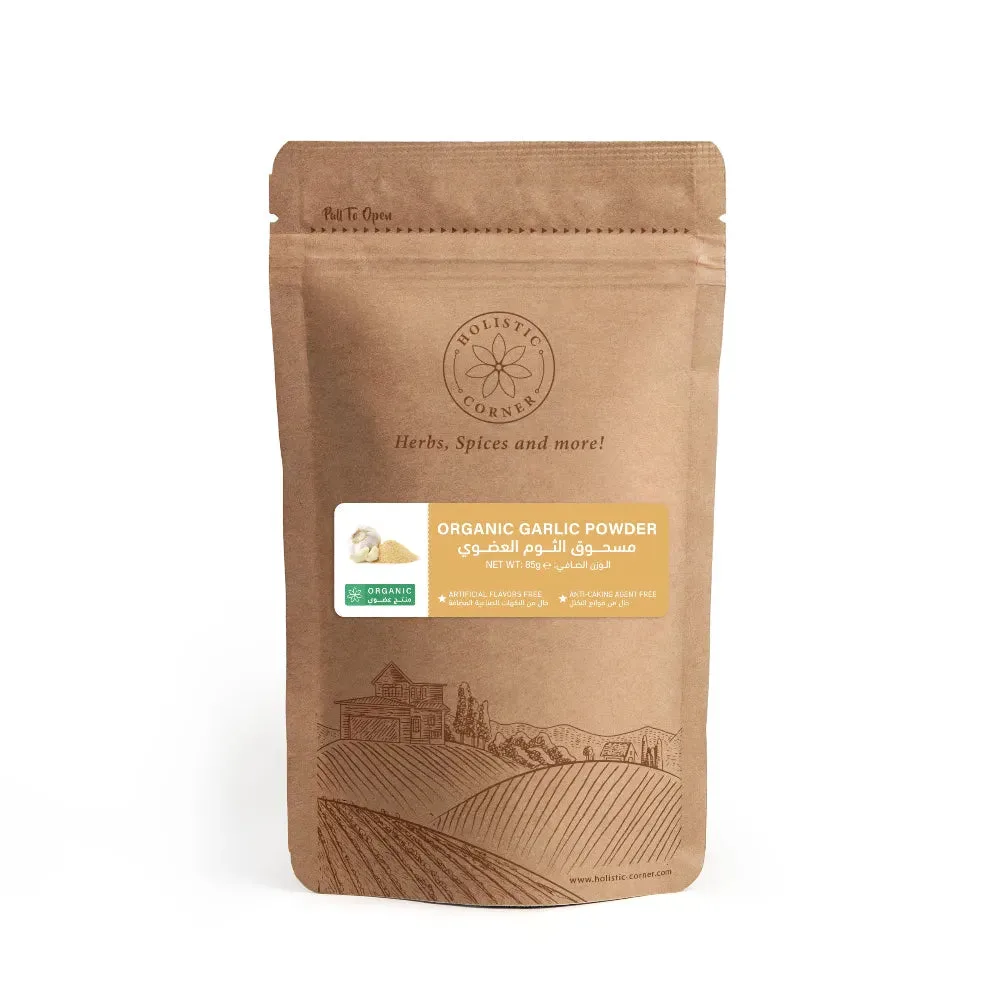
- Holistic Corner Organic Garlic Powder 85g: Holistic Corner Organic Garlic Powder 85g is 100% pure, free of MSG, anti-caking agents, and artificial ingredients, and is finely ground for dishes like garlic bread and marinades. If you cook savory food often, garlic powder is the third jar that earns its place next to sage and gets used even more frequently.
Which one fits your kitchen?
Best for
- Daily cinnamon users who want low coumarin and a delicate, sweet flavor in drinks and breakfast
- Home cooks who make Mediterranean or winter dishes with meats, vegetables, and soups and want a fast ground herb
- Shoppers building a small organic spice set who want one sweet spice and one savory herb that do not overlap
Not for
- Bakers who need a strong, cheap cinnamon punch in heavy dough and do not care about coumarin
- Cooks who want whole sage leaves for frying or stuffing, since ground powder will not give that texture
- Anyone who uses a spice only once or twice a year, because both bags will lose aroma before they are finished