What Makes Ceylon Tea Distinct
Ceylon tea comes from Sri Lanka, and its character is shaped by the island's varied elevations and microclimates. Both black and green versions share that origin, but their processing and flavor profiles differ. When you see 'organic' on a Ceylon tea label, it signals that the tea was grown and processed under certified organic standards, which can affect taste, price, and your buying decision.
Organic vs Regular: What the Certification Means
An organic Ceylon tea is certified by a recognized body, such as Pro-Cert Organic Systems, which verifies that the tea is produced without synthetic pesticides or fertilizers. This certification also covers the processing and packaging. Regular Ceylon tea, on the other hand, may be grown conventionally, but that doesn't automatically mean lower quality—it simply means the farming practices are not certified organic.
Organic Ceylon Tea vs Regular Ceylon Tea: Side-by-Side
- Certification: Organic Ceylon tea is certified organic (e.g., by Pro-Cert Organic Systems), while regular Ceylon tea has no such certification.
- Flavor profile: Organic Ceylon black tea offers a light liquor with delicate floral notes, while regular Ceylon black tea can range from brisk to bold depending on the estate.
- Processing: Organic black tea is made from fully oxidized leaves, while Ceylon green tea is unoxidized and undergoes thermal fixation to preserve its green character.
- Price: Organic certification often adds to the cost; for example, the Organic Ceylon Tea loose leaf is priced at USD 2.62 for a 1oz sampler, while a 25-count box of Ceylon Green Tea bags is USD 4.91.
Tasting the Difference: Black vs Green Ceylon
If you're comparing organic Ceylon tea to regular Ceylon tea, remember that 'regular' can be either black or green. The Organic Ceylon Tea loose leaf from English Tea Store is a black tea with a light liquor and delicate floral notes, ideal for afternoon tea. In contrast, the Ceylon Green Tea bags are a low-oxidation green tea with a smooth, full-bodied mouthfeel and a savory, nutty undertone. So the choice between organic and regular also depends on whether you prefer a classic black cup or a greener, more vegetal one.
Product Facts
-
Organic Ceylon Tea - Loose Leaf: Organic Ceylon Tea is a loose leaf black tea sourced from Pekoe grade ingredients in Sri Lanka and India, offering a light liquor with delicate floral notes. This shows the flavor and format you can expect from an organic Ceylon black tea, helping you decide if it matches your taste preference.
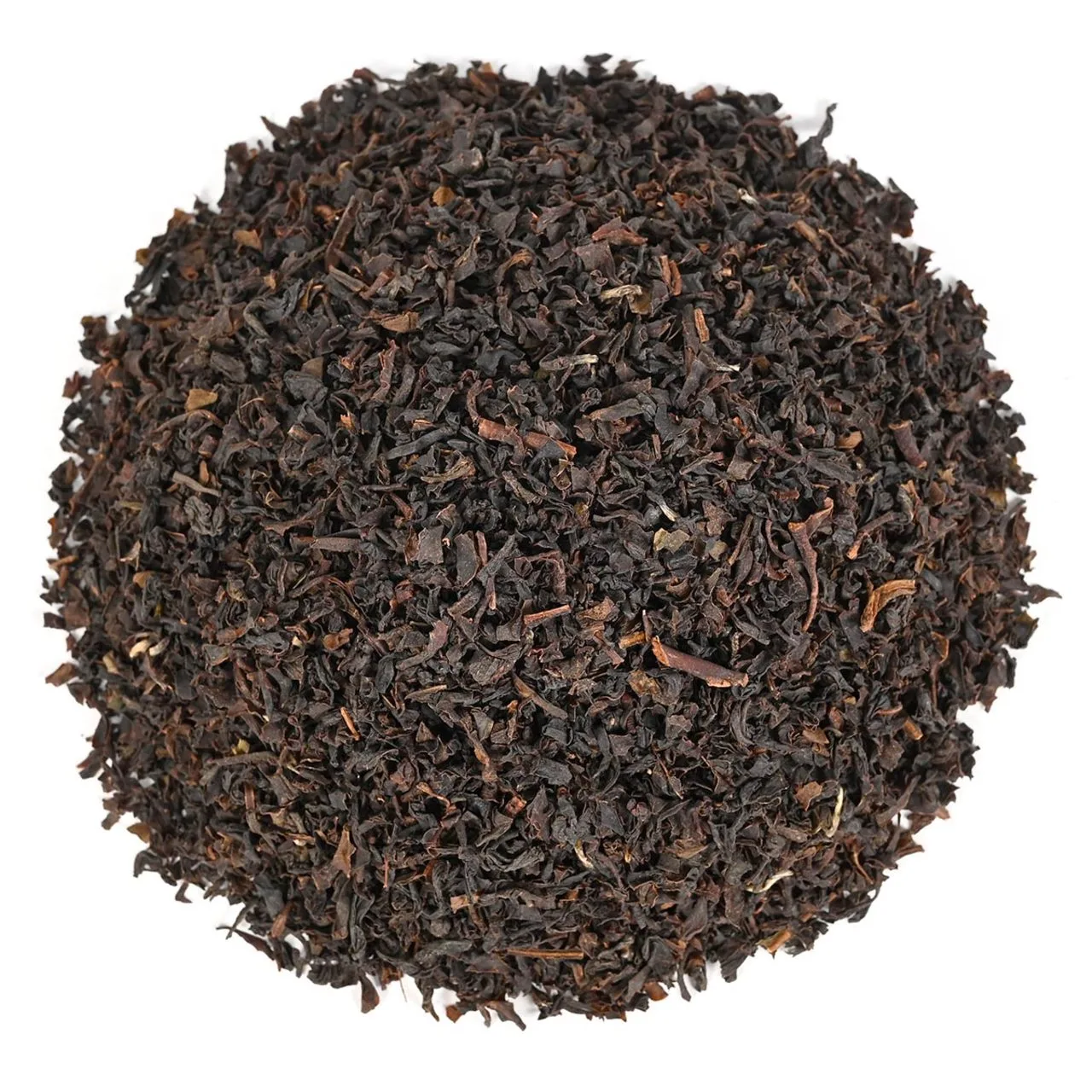
Organic Ceylon Tea - Loose Leaf
-
Ceylon Green Tea - Tea Bags: Ceylon Green Tea bags are made from 100% unoxidized Ceylon green tea leaves, with a smooth, full-bodied mouthfeel and a savory, nutty undertone. This gives you a concrete example of a regular (non-organic) Ceylon tea, so you can compare flavor and format against the organic option.
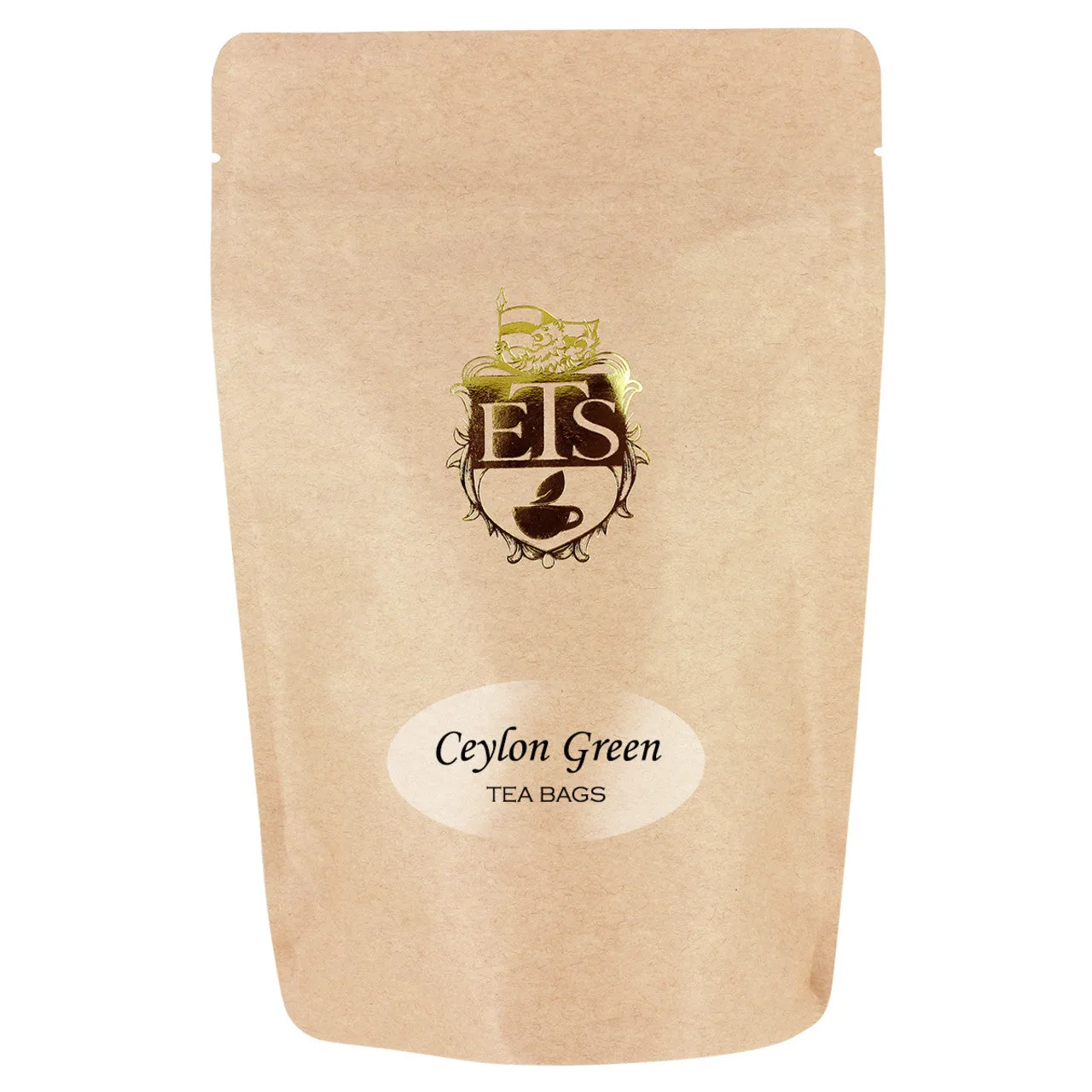
Ceylon Green Tea - Tea Bags
How to Choose Between Organic and Regular Ceylon
Your choice comes down to a few practical factors. If you prefer a classic, floral black tea and want the assurance of organic certification, the loose leaf Organic Ceylon Tea is a strong candidate. If you're more interested in a green tea with a clean, crisp profile and don't require organic certification, the Ceylon Green Tea bags offer a convenient, everyday option. Consider your brewing style: loose leaf gives you more control, while tea bags are easier for quick cups.