The real difference: what's inside the tampon
When you're choosing between organic cotton tampons and conventional tampons, the core difference is the material that goes inside your body. Conventional tampons are typically made from a blend of rayon and cotton, often bleached with chlorine to achieve a white appearance. Organic cotton tampons, like those from Public Goods, are crafted from 100% certified organic cotton—grown without synthetic pesticides or fertilizers—and are free from rayon, synthetic fibers, chlorine bleaching, and added fragrance.
For anyone with sensitive skin or concerns about chemical exposure, this material difference can be meaningful. Organic cotton is naturally soft and breathable, which may reduce irritation for some users. However, it's important to note that both types of tampons must meet FDA safety standards, so conventional tampons are not inherently unsafe. The choice often comes down to personal preference for natural materials and environmental impact.
What the organic cotton option actually confirms
-
Organic Cotton Tampons: Regular absorbency tampons crafted from 100% certified organic cotton, designed to provide reliable protection with a clean, comfortable feel. The 'regular absorbency' rating means these are suitable for light to moderate flow days. If you have a heavy flow, you may need to change them more frequently or pair with a backup product. The organic cotton construction eliminates synthetic materials that can cause irritation for some users.
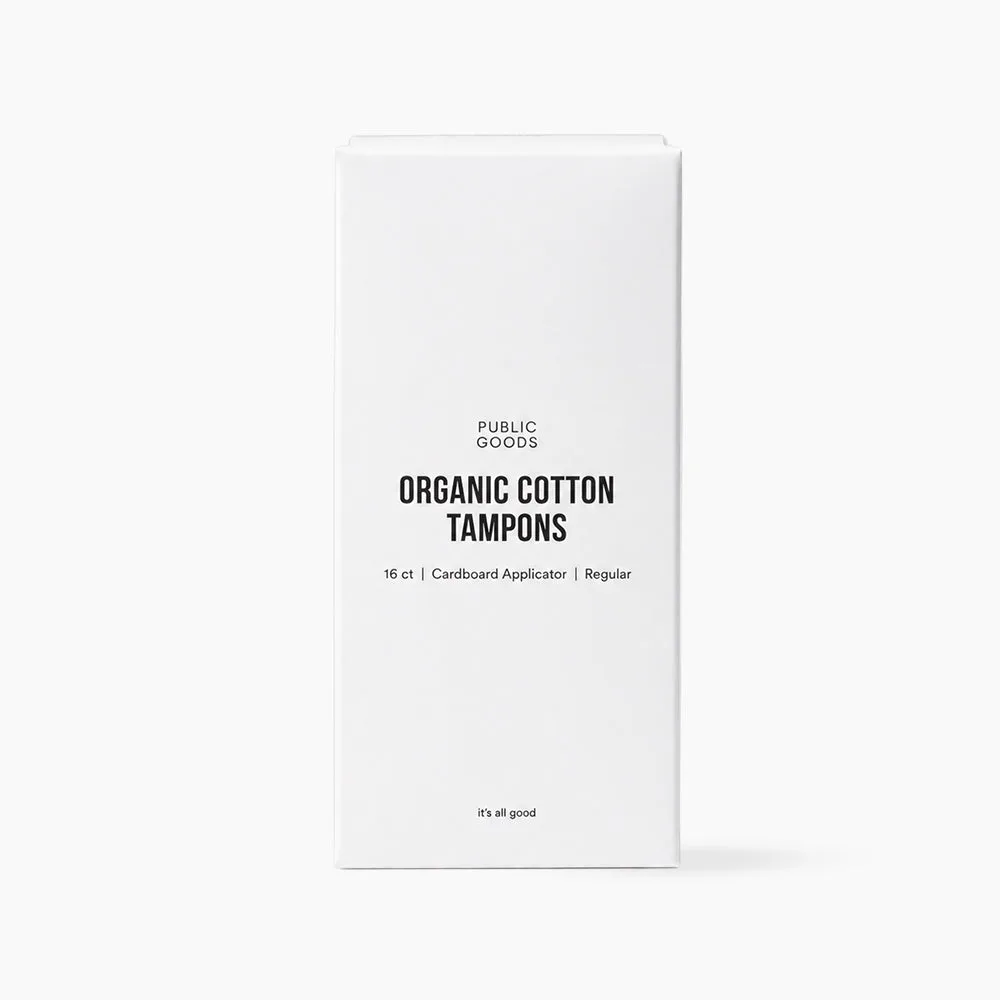
Organic Cotton Tampons
-
Organic Cotton Tampons: The biodegradable cardboard applicator features a smooth, rounded tip for ease of use. Cardboard applicators are more environmentally friendly than plastic ones, but some users find them less comfortable to insert. The smooth, rounded tip is designed to improve comfort, but if you're used to plastic applicators, there may be a short adjustment period.
-
Organic Cotton Tampons: Free from rayon, synthetic fibers, chlorine bleaching, and added fragrance, each tampon is individually wrapped in paper for simple, discreet carrying. The absence of chlorine bleaching means no dioxin byproducts, which some consumers prefer to avoid. No added fragrance reduces the risk of vaginal irritation or allergic reactions. Paper wrappers are biodegradable, reducing plastic waste compared to conventional tampons wrapped in plastic.
Organic vs. conventional tampons: key differences at a glance
Here's a straightforward comparison of the main factors that matter when choosing between organic cotton tampons and conventional tampons. Keep in mind that individual experiences vary, and what works best for you may depend on your body and priorities.
- Material: Organic cotton tampons use 100% certified organic cotton. Conventional tampons typically use a rayon-cotton blend, which may contain synthetic fibers and is often bleached with chlorine.
- Absorbency: Both types offer regular, super, and super plus absorbency options. The organic cotton tampon from Public Goods is available in regular absorbency, suitable for light to moderate flow. Conventional brands often have a wider range of absorbency levels.
- Applicator: Organic cotton tampons often use biodegradable cardboard applicators (like the one from Public Goods) or are applicator-free. Conventional tampons commonly use plastic applicators, which are convenient but contribute to plastic waste.
- Sensitive skin suitability: Organic cotton tampons are free from fragrance, chlorine bleaching, and synthetic materials, making them a better choice for those with sensitive skin or allergies. Conventional tampons may contain fragrances, dyes, or other additives that can cause irritation for some users.
- Environmental impact: Organic cotton is grown without synthetic pesticides, reducing soil and water pollution. Cardboard applicators and paper wrappers are biodegradable. Conventional tampons' plastic applicators and wrappers contribute to landfill waste, and conventional cotton farming often involves heavy pesticide use.
- Price: Organic cotton tampons are generally more expensive than conventional tampons. For example, the Public Goods Organic Cotton Tampons (16-count) are priced at $6.48, compared to a catalog comparison price of $12.95 for a similar quantity of conventional tampons. However, prices vary by brand and retailer.
Who might prefer organic cotton tampons
Organic cotton tampons are a strong choice if you have sensitive skin, experience irritation with conventional tampons, or want to minimize your exposure to synthetic materials and chemicals. They're also appealing if you're looking to reduce your environmental footprint, thanks to biodegradable applicators and wrappers, and organic farming practices.
That said, organic cotton tampons may not be right for everyone. Some users find that organic cotton tampons are less absorbent than their conventional counterparts, especially during heavy flow days. The cardboard applicator can also feel less smooth than plastic, though the rounded tip design helps. And the higher price point may be a consideration for budget-conscious shoppers.
The bottom line on choosing between them
Both organic cotton tampons and conventional tampons are safe and effective period products. The decision comes down to your personal priorities: material purity, environmental impact, comfort, and budget. If you're curious about organic options, trying a box of Public Goods Organic Cotton Tampons can help you decide if the difference matters for your body. Many people find that switching to organic cotton reduces irritation and feels better overall, but the only way to know for sure is to give them a try.