Quick Answer
Organic cotton baby blankets are grown without synthetic pesticides or fertilizers and processed without harsh chemicals, making them a gentler choice for sensitive skin. Conventional cotton blankets are usually softer after washing, more affordable, and widely available. If your baby has eczema or you prefer to minimize chemical exposure, choose organic; if budget is your priority, conventional cotton is a safe, practical option.
When you're shopping for a baby blanket, the organic versus conventional cotton decision can feel overwhelming. Both are soft, breathable, and natural, but they differ in how the cotton is grown and processed, which can affect your baby's skin and the environment.
This guide breaks down the key differences between organic and conventional cotton baby blankets so you can weigh the trade-offs and pick the right one for your family.
What Makes Cotton 'Organic'?
Organic cotton is grown without synthetic pesticides, fertilizers, or genetically modified seeds. Farmers rely on crop rotation and natural methods to maintain soil health. After harvest, the cotton is processed without chlorine bleach or formaldehyde, which are sometimes used in conventional cotton production.
Conventional cotton, on the other hand, is grown with synthetic inputs and often treated with chemicals during manufacturing. While these chemicals are regulated and rinsed out, trace residues can remain. For babies with very sensitive skin or eczema, even small amounts of irritants can trigger a reaction.
- Look for certifications like GOTS (Global Organic Textile Standard) to ensure the blanket meets strict organic and processing standards.
Feel and Durability: Organic vs. Conventional
Many parents assume organic cotton is softer, but the opposite is often true. Conventional cotton fibers are typically longer and can be combed to create a smoother, silkier feel. Organic cotton, especially when unbleached, may feel slightly rougher at first but softens with washing.
Durability is similar for both types when cared for properly. The main difference is the environmental impact: organic cotton uses less water and no toxic chemicals, making it a more sustainable choice. Conventional cotton is often cheaper, which can be a deciding factor for budget-conscious families.
- Wash any new blanket before use to remove manufacturing residues and soften the fabric.
Safety and Skin Sensitivity
For babies with sensitive skin, organic cotton is often recommended because it minimizes exposure to potential irritants. The absence of synthetic pesticides and harsh processing chemicals reduces the risk of contact dermatitis. However, conventional cotton is also safe for most babies, and many parents use it without issues.
If your baby has unexplained rashes or eczema flare-ups, switching to an organic cotton blanket might help. But consult your pediatrician to rule out other causes. Remember that no blanket—organic or not—can prevent SIDS, so always follow safe sleep guidelines.
- Choose a lightweight, breathable blanket to reduce overheating risk.
Cost and Availability
Organic cotton baby blankets typically cost 20–50% more than conventional ones due to lower yields and certification costs. They are widely available online and in specialty baby stores. Conventional cotton blankets are more budget-friendly and can be found almost anywhere.
When comparing prices, consider the blanket's lifespan. A well-made organic blanket may last through multiple children, balancing the initial investment. If you're on a tight budget, a conventional cotton blanket is still a safe and comfortable choice.
- Check for sales or multi-packs to save on organic options.
Trade-Offs at a Glance
- Skin sensitivity: Organic cotton minimizes chemical exposure, ideal for eczema-prone skin. Conventional cotton is still safe for most babies but may cause irritation in rare cases. Choose organic if you notice sensitivity.
- Softness: Conventional cotton often feels smoother initially; organic cotton softens over time. Wash organic blankets several times to improve softness.
- Budget: Conventional cotton is more affordable upfront. Organic costs more but supports sustainable farming. Weigh long-term value against immediate cost.
Cotton Alternatives at Mushie
- Bunny Teether: Made from 100% non-toxic, food-grade silicone, and designed to be easy to grasp by tiny fingers. While not a blanket, this teether offers a safe, chemical-free option for babies who put everything in their mouths, complementing your organic choices.
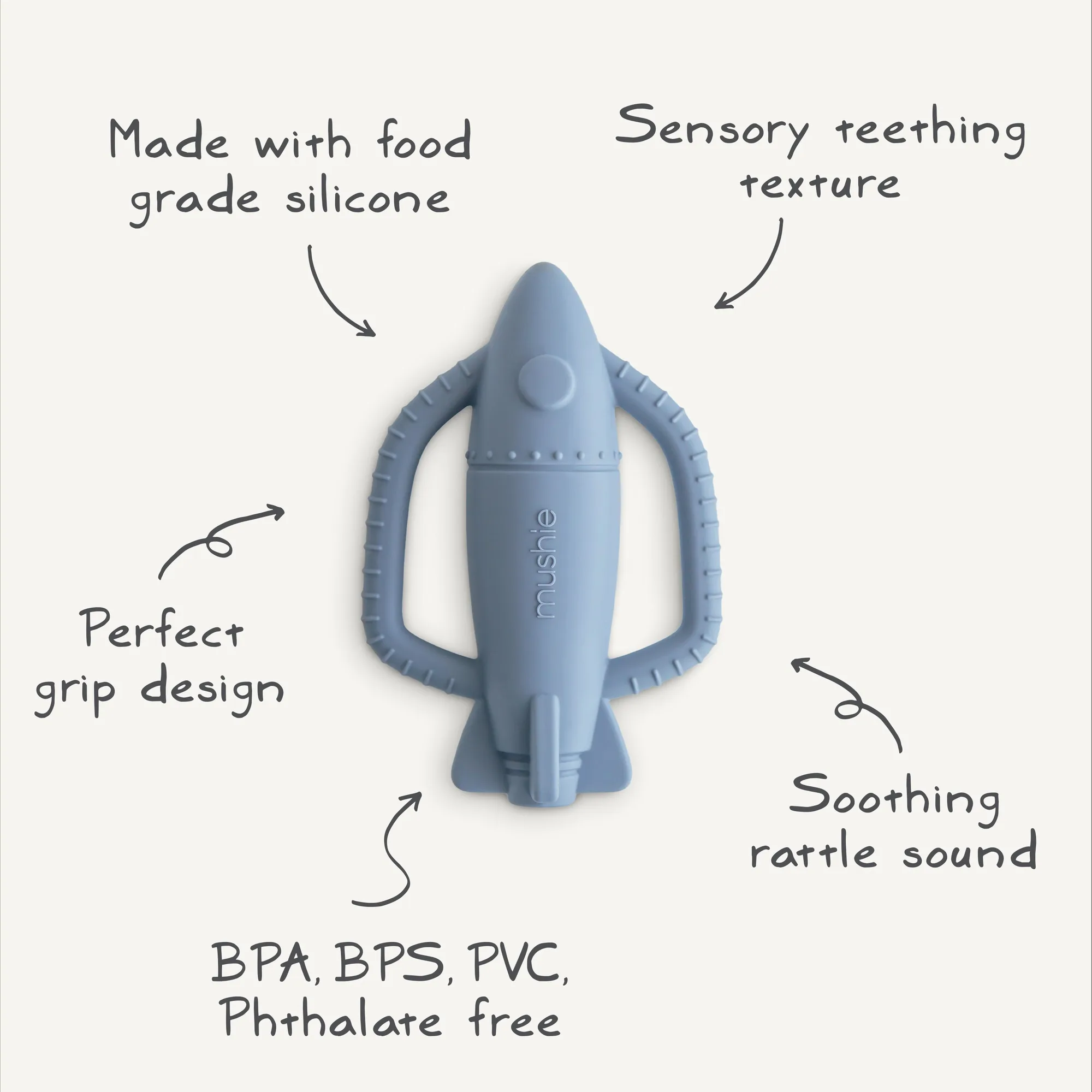
- Rattle Teethers: Features a playful rocket shape and built-in rattle, with handles easy for small hands to grasp and a textured silicone surface that massages gums. For teething babies, this provides soothing relief without exposing them to synthetic materials, aligning with a natural parenting approach.
Which Blanket Fits Your Family?
Best for
- Babies with sensitive or eczema-prone skin
- Eco-conscious parents who prioritize sustainable farming
Not for
- Budget-conscious families who need a low-cost option
- Parents who prefer the ultra-soft feel of combed conventional cotton
Choosing between organic and conventional cotton baby blankets comes down to your priorities: skin sensitivity and environmental impact versus budget and initial softness. Both are breathable and safe, so you can't go wrong. If you're unsure, start with one organic blanket for sensitive periods and a conventional one for everyday use—your baby will be comfortable either way.