When you're crafting a healthier dessert, the type of chocolate you choose can make or break both the flavor and the nutritional profile. Organic dark chocolate hunks and organic baking chips are two popular options, but they're not interchangeable in every recipe. Understanding their differences in texture, melt behavior, and sweetness helps you pick the right one for your goals.
Whether you're stirring chocolate into cookie dough, melting it for a glaze, or snacking straight from the bag, each format has distinct advantages. Let's break down how organic dark chocolate hunks compare to baking chips so you can make an informed choice for your next batch of brownies, granola clusters, or energy bites.
Texture and Melting Behavior
Organic dark chocolate hunks are irregularly shaped pieces that vary in size. Because they're cut rather than molded, they melt unevenly, which can create pockets of gooey chocolate in baked goods. This is ideal if you want a rustic, fudgy texture in cookies or a chunky melt in a skillet brownie. Hunks also retain their shape better when stirred into cold mixtures, like no-bake energy balls, giving you satisfying bites of chocolate.
Organic baking chips, on the other hand, are uniform and designed to hold their shape during baking. They contain a stabilizer (often soy lecithin) that prevents them from spreading too much, so you get distinct chocolate spots in cookies and muffins. If you're making a dessert where even distribution matters—like chocolate chip cookies or a chocolate-studded banana bread—chips are the more predictable choice.
- For a rustic, gooey texture: choose hunks. For neat, separate chocolate pockets: choose chips.
Flavor Profile and Sweetness
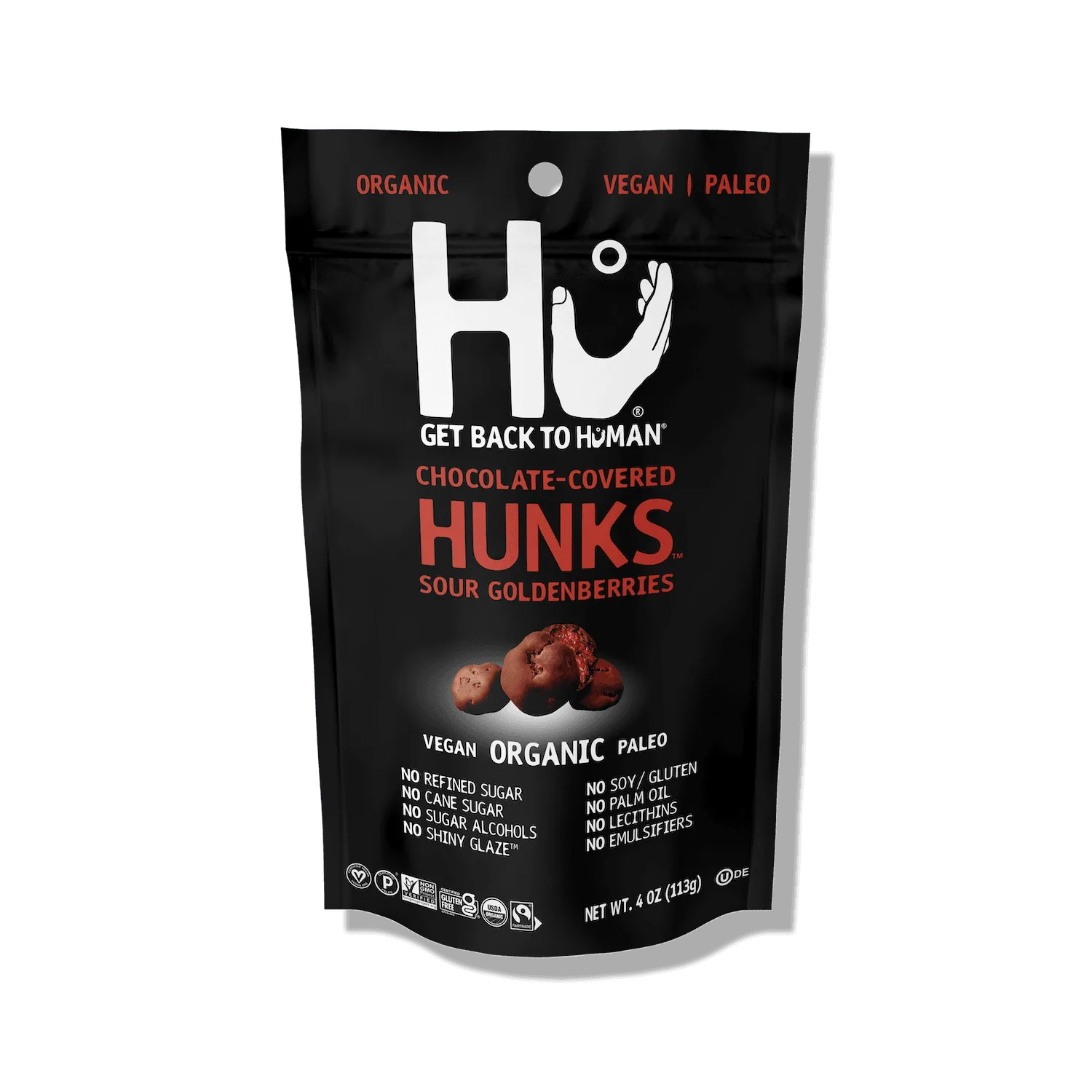
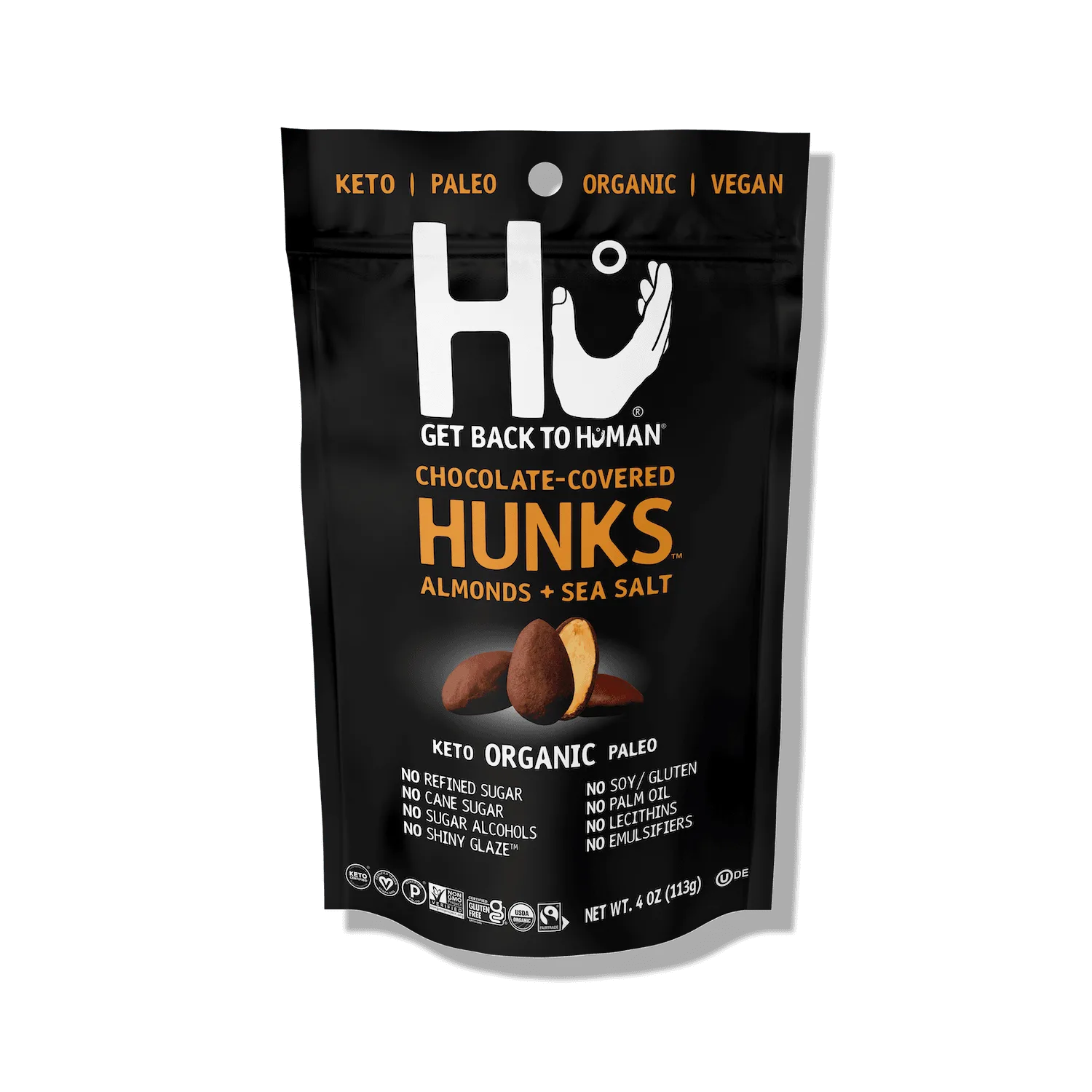
Organic dark chocolate hunks often have a more intense, complex cocoa flavor because they're made with minimal processing and fewer additives. They tend to be less sweet than baking chips, which can be a plus if you're reducing added sugar in your desserts. Hunks pair well with salty or tart ingredients—try them with sea salt or dried sour goldenberries for a balanced treat.
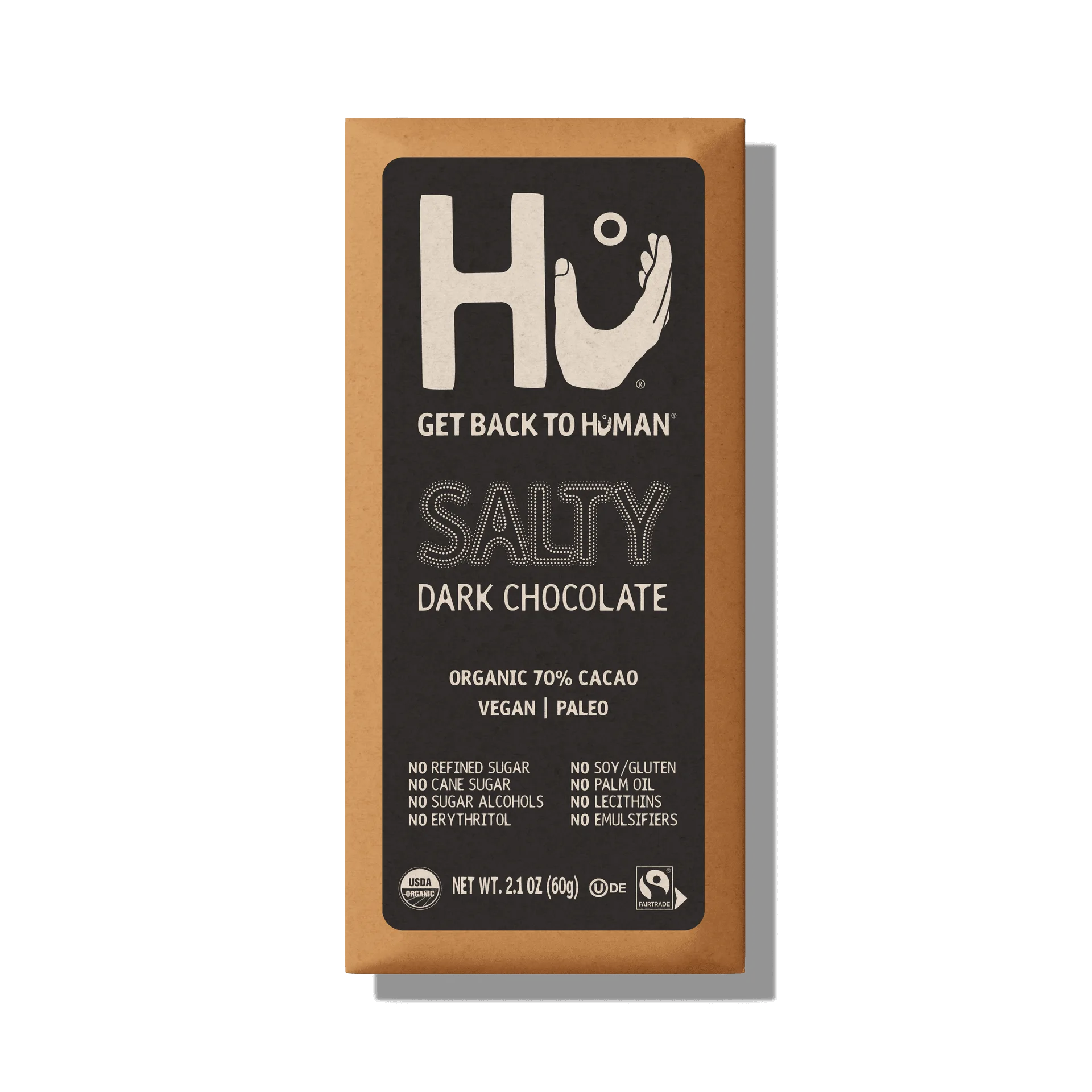
salty
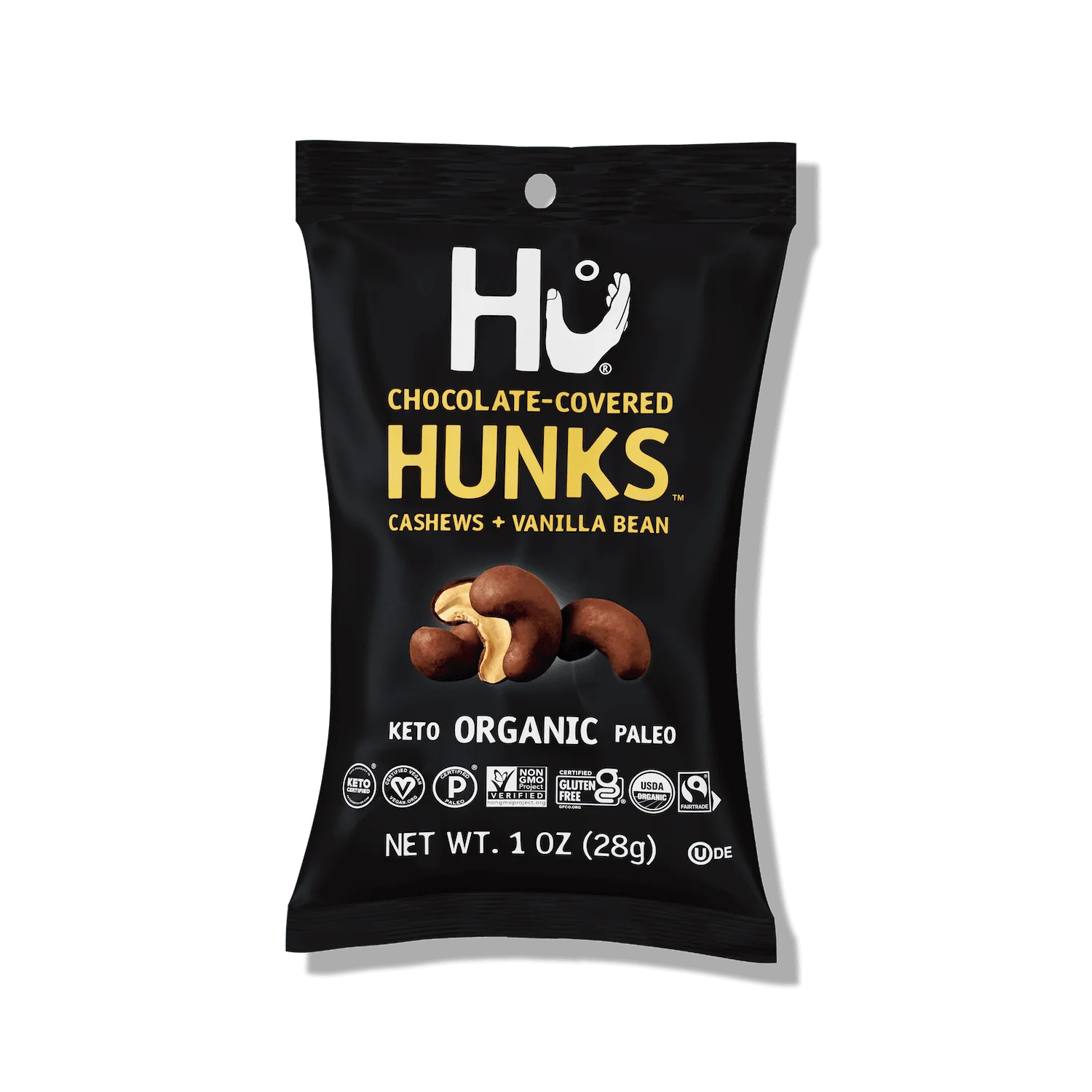
Baking chips are usually formulated to be slightly sweeter and creamier, since they're meant to appeal to a broad palate. If you're baking for kids or serving a crowd that prefers a milder chocolate taste, chips may work better. For a deeper, darker flavor that stands up to whole-grain flours or nut butters, hunks like the Cashews + Vanilla Bean Hunks deliver a more sophisticated profile.
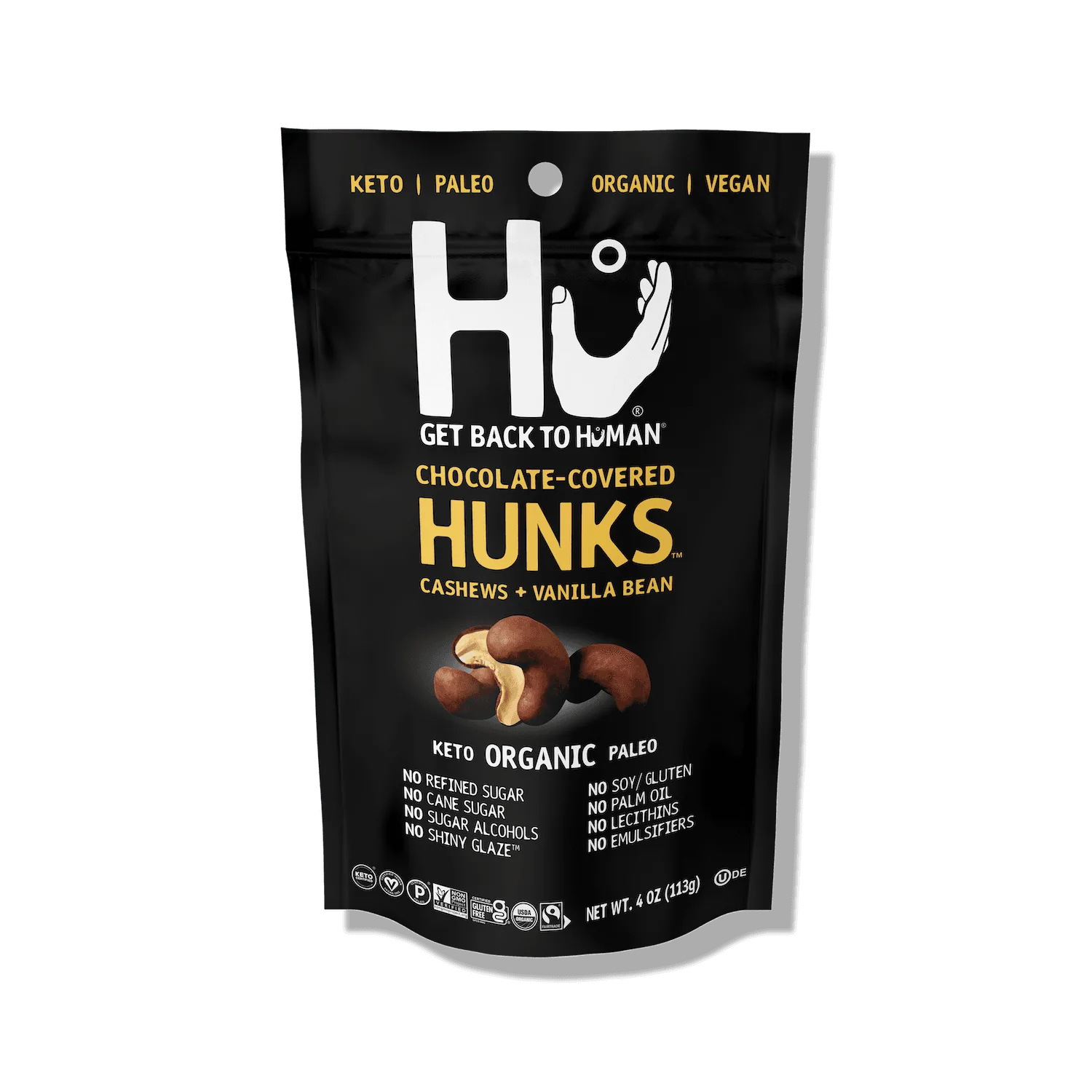
Cashews + Vanilla Bean Hunks
- Hunks: bold, less sweet. Chips: mild, more sweet. Adjust your recipe's sugar accordingly.
Nutritional and Ingredient Considerations
Both formats can be made from organic, fair-trade chocolate, but the ingredient lists differ slightly. Organic dark chocolate hunks typically have a shorter list—often just cocoa mass, cocoa butter, and a touch of sweetener. This makes them a cleaner choice for those avoiding emulsifiers or soy. They also tend to have a higher cocoa percentage, meaning more antioxidants and less sugar per serving.
Baking chips sometimes include added milk fat or soy lecithin to improve texture and shelf stability. While still organic, these extras can matter if you're vegan or avoiding soy. Check the label: if you want a purely plant-based, minimally processed option, hunks are usually the safer bet. For example, the Sour Goldenberries Hunks combine dark chocolate with dried fruit for a nutrient-dense snack that doubles as a baking ingredient.
- Read the ingredient list: hunks often have fewer additives than chips.
Best Uses in Healthy Dessert Recipes
For no-bake desserts like energy bars, truffles, or chocolate bark, organic dark chocolate hunks are excellent because they melt smoothly and can be chopped to any size. Their irregular shape also makes them visually appealing as a topping for yogurt bowls or oatmeal. If you're making a grain-free or paleo dessert, hunks fit naturally into that aesthetic.
Baking chips excel in recipes where precision matters—think cookies, muffins, or quick breads where you want uniform chocolate distribution. They also work well in trail mixes or granola because they don't create sticky clumps. For a hybrid approach, use chips as the base and fold in a few hunks for texture. That way you get the best of both worlds in a single batch of healthy dark chocolate cookies.
- Hunks: no-bake desserts, bark, toppings. Chips: cookies, muffins, granola.
Choosing between organic dark chocolate hunks and baking chips ultimately depends on your recipe's texture needs and your personal taste preference. Hunks offer bold flavor and versatility for rustic, less-processed desserts, while chips provide reliability and even distribution for classic baked goods. Keep both on hand, and you'll always have the right organic chocolate for any healthy dessert you crave.