What the Organic Ginseng Tea Siberian Root listing confirms
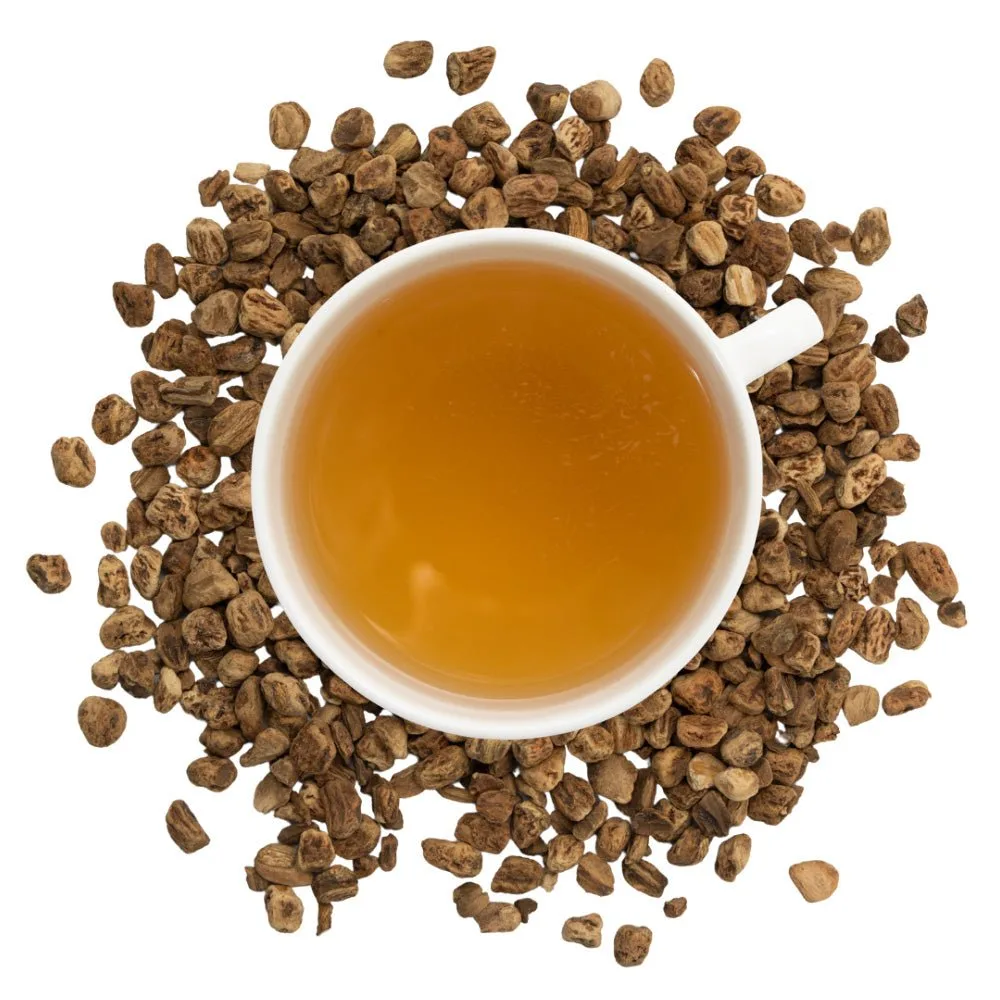
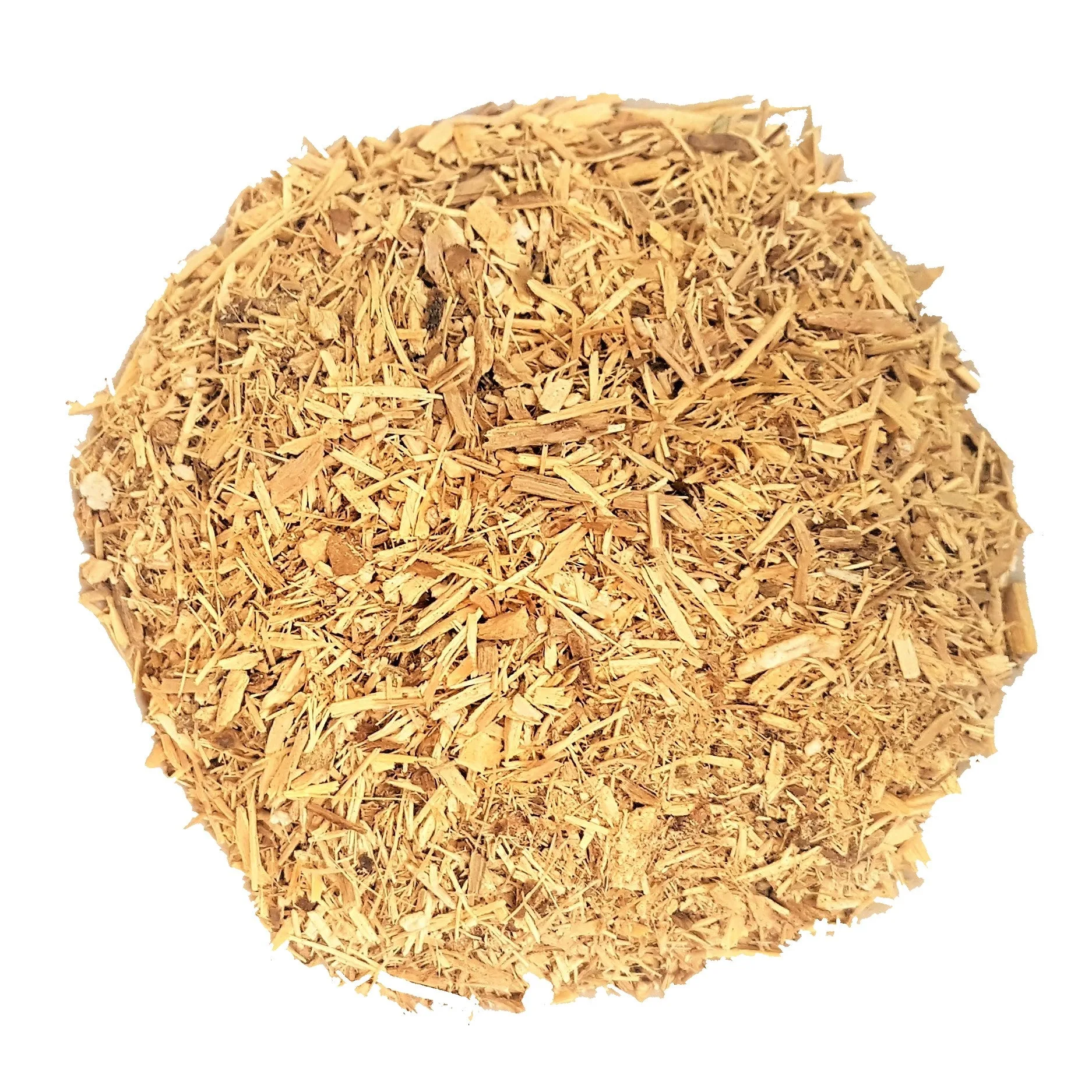
This is a cut dried root herb, not a tea bag or powder. The listing names the botanical source as Eleutherococus senticosus and describes it as premium organic Siberian ginseng root. That matters for how you brew and store it: cut root needs straining and a little more time in the cup than a fine powder.
The listing also includes a clear caution: the traditional uses described are for educational purposes only and are not medical advice. It advises checking with a health care practitioner before self-administering herbs, especially if you are pregnant, on medication, or have health concerns. Treat that as a real part of your buying decision, not fine print.
Listing facts that shape your choice
-
Organic Ginseng Tea Siberian Root: Organic Siberian ginseng cut dried root herb; scientific name Eleutherococus senticosus. Confirms you are buying a root herb that needs straining, not a ready-to-steep tea bag.
Organic Ginseng Tea Siberian Root
-
Organic Ginseng Tea Siberian Root: Available in 50g, 100g, and 200g sizes. Pack size is the main practical choice in this listing; there are no flavor or blend variants to compare.
-
Organic Ginseng Tea Siberian Root: Listing note: use a fine-meshed strainer when straining your tea. Cut root can leave fine particles in the cup, so the right strainer is part of the brewing setup.
-
Organic Ginseng Tea Siberian Root: The listing describes Siberian ginseng as traditionally regarded as an adaptogen and notes traditional uses related to energy, mental performance, and stress response. These are traditional-use descriptions, not guaranteed outcomes; the listing itself frames them as educational information.
How to brew Siberian ginseng from cut root
The supplied listing does not give a brewing method, water temperature, steeping time, or serving size. That is a limitation of the information provided, not a sign that the root cannot be brewed. For a cut dried root, the practical approach is to treat it like a loose herbal infusion: measure a small amount into a cup or pot, pour hot water over it, cover, and steep until the liquid tastes the way you want it. Because no official ratio is supplied, start modestly and adjust.
Strain through a fine-meshed strainer, as the listing advises, to catch small root pieces. If you want a stronger cup, add more root or steep longer rather than assuming a specific minute count from the listing. The root can also be re-steeped, but the listing does not confirm how many times, so judge by taste.
A simple cut-root brewing routine
- Measure a small amount of root: No serving size is supplied; start with a teaspoon or two per cup and adjust to your taste.
- Add hot water and cover: Use water hot enough to extract flavor from dried root, and keep a lid on to retain heat.
- Steep and taste: The listing gives no steep time, so check every few minutes until the strength suits you.
- Strain through a fine-meshed strainer: This is the one preparation note the listing explicitly provides.
Choosing between 50g, 100g, and 200g packs
The only variant in this listing is size. A 50g pack suits a first purchase or occasional brewing; 100g is a middle ground for regular cups; 200g makes sense if you already know you like the earthy, root-like flavor of Siberian ginseng and want fewer reorders. Because the listing does not state a shelf life, buy the size you can realistically finish while the root is fresh. The listing does say 100% fresh stock, but that describes the stock at dispatch, not a guaranteed storage life after opening.
Storage notes when the listing is silent on shelf life
The supplied information does not include a shelf life, storage temperature, or humidity instruction. In practice, dried cut root stays in better condition when kept sealed, away from light and moisture, and away from strong-smelling foods. Use a clean, dry container and a dry spoon. If the root develops a musty smell or visible mold, discard it rather than brewing. These are general kitchen habits, not manufacturer instructions from the listing.
What the traditional-use claims do and do not tell you
The listing says Siberian ginseng is traditionally regarded as an adaptogen and that it is considered beneficial for physical energy, mental performance, vigor, general strengthening, stress response, and adrenal hormones. Those are traditional descriptions, and the listing explicitly says the information is educational and not medical advice. It does not provide clinical evidence, dosage, or a guarantee of results. If you are looking for a tea to solve a specific health problem, this listing is not a substitute for professional guidance. If you enjoy root teas and want to try a traditional herb, the listing gives you enough to buy and brew carefully.
Who this root tea suits, and who should check first
This product suits someone who already enjoys loose herbal root teas and is comfortable measuring and straining. It is not a convenience tea bag, and the listing does not describe it as caffeine-free, so do not assume it is a bedtime cup. The listing specifically advises checking with a health care practitioner before use if you are pregnant, on medication, or have health concerns. That is the clearest audience boundary in the supplied information. If you want a tea with a confirmed flavor profile or a stated serving size, this listing leaves those details open, so adjust based on your own taste and tolerance.