Have you ever wondered how to get the freshest, most flavorful flour for your bread? The answer lies in milling your own organic high protein wheat grain. By grinding whole kernels at home, you unlock a level of nutrition and taste that pre-packaged flour simply can't match. In this guide, we'll walk you through the benefits of home milling, the best grains to choose, and how to bake exceptional bread with your freshly milled flour.
Whether you're a seasoned baker or just starting your sourdough journey, understanding how to use organic high protein wheat grain can transform your baking. You'll gain control over the texture, flavor, and nutritional profile of your flour, and you'll enjoy the satisfaction of creating something truly from scratch. Let's dive into the world of home milling and discover the secrets to perfect, wholesome bread.
Why Choose Organic High Protein Wheat Grain?
Organic high protein wheat grain is prized by bakers for its excellent gluten development and robust flavor. The high protein content, typically above 12%, ensures strong dough that rises well and produces a chewy, satisfying crumb. When you mill this grain at home, you retain all the natural oils, enzymes, and nutrients that are often lost in commercial milling and storage.
Choosing organic guarantees that your grain is free from synthetic pesticides and fertilizers, making it a healthier choice for you and the environment. Organic farming practices also promote soil health and biodiversity. By buying whole grains in bulk, you reduce packaging waste and ensure a longer shelf life compared to flour, which can go rancid quickly.
- High protein content for better gluten structure.
- Retains natural nutrients and enzymes.
- Organic certification ensures purity and sustainability.
- Whole grains store longer than flour.
Getting Started with Home Milling
To mill your own flour, you have several options. A stand-alone grain mill is the most efficient, but you can also use a high-powered blender or a coffee grinder for small batches. The key is to achieve a consistent grind. For bread, you'll want a medium to fine texture, which you can adjust based on your mill's settings.
Start with a small batch of grain, such as 500 grams, and grind just what you need for your recipe. Freshly milled flour has a shorter shelf life due to the oils, so it's best used within a few days. You can store any excess in an airtight container in the refrigerator or freezer to extend its freshness.
- Invest in a quality grain mill for consistent results.
- Grind only what you need for freshness.
- Store leftover flour in an airtight container in the fridge.
Baking Bread with Freshly Milled Whole Wheat Flour
When baking with freshly milled whole wheat flour, you'll notice it absorbs more water than commercial flour. This means you may need to increase the hydration in your recipe by 5-10%. The bran and germ in the flour also affect gluten development, so a longer autolyse (resting period) can help improve the dough's extensibility.
A simple no-knead bread recipe is perfect for beginners. Mix the flour, water, salt, and a small amount of yeast, then let it rest overnight. The next day, shape the dough and bake it in a preheated Dutch oven for a crusty, artisan loaf. The result is a dense, flavorful bread with a wonderful nutty aroma.
- Increase hydration by 5-10% for whole wheat.
- Use a longer autolyse to improve gluten development.
- Try a no-knead recipe for an easy start.
Delicious Recipes to Try
Once you've mastered basic bread, experiment with other recipes. Whole wheat pizza dough, fluffy pancakes, and hearty muffins all benefit from the rich flavor of fresh milled flour. For a special treat, try making cinnamon rolls or a rustic sourdough loaf.
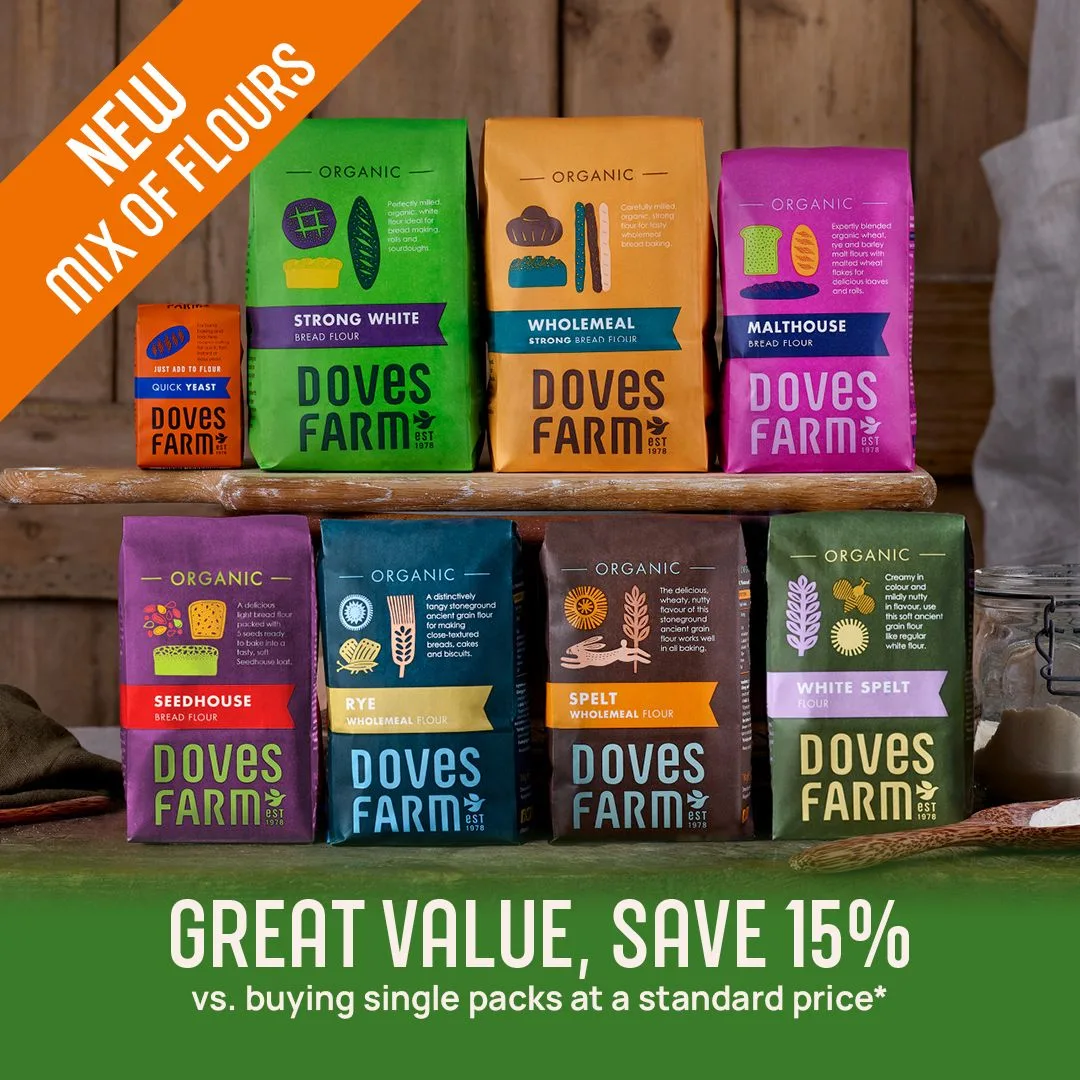
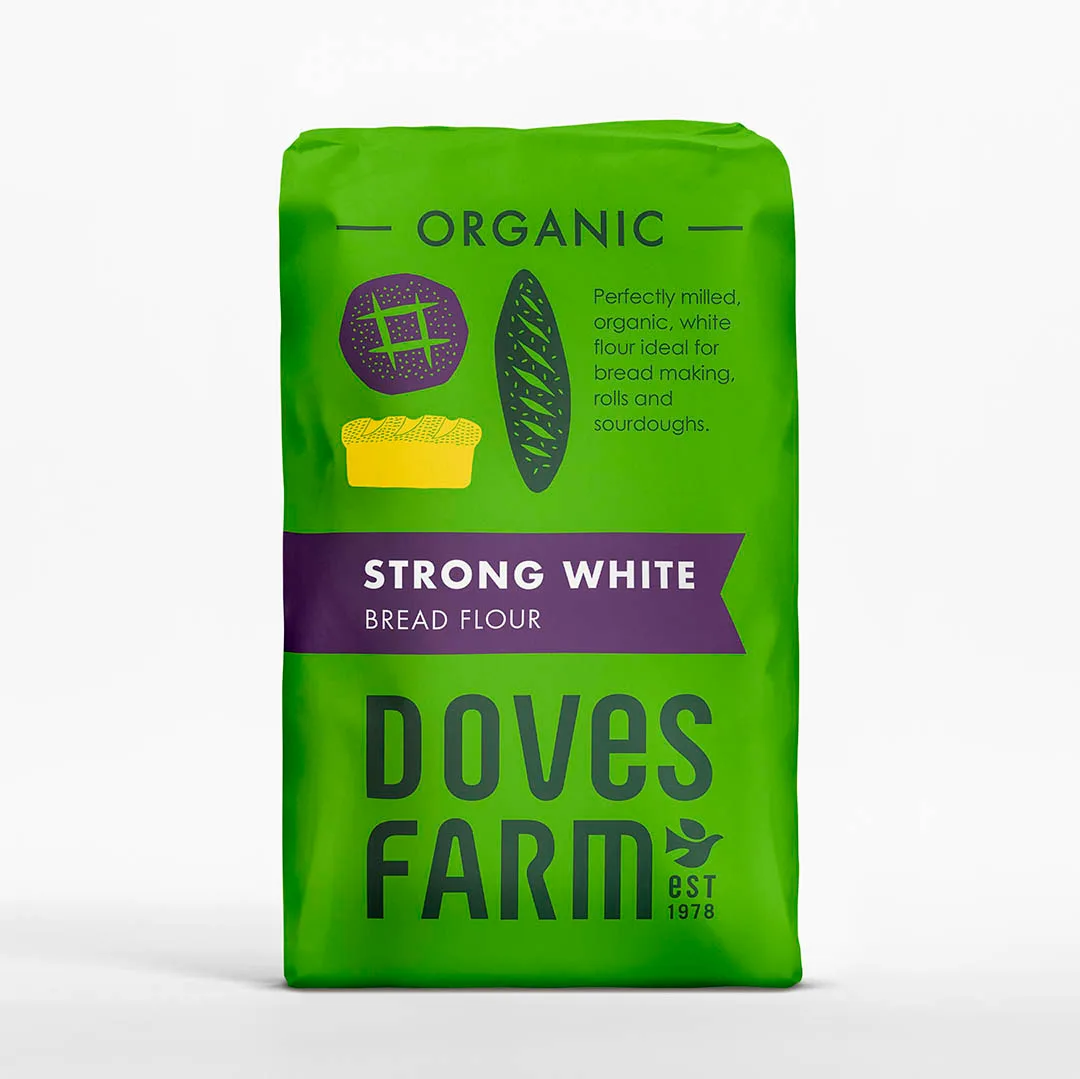
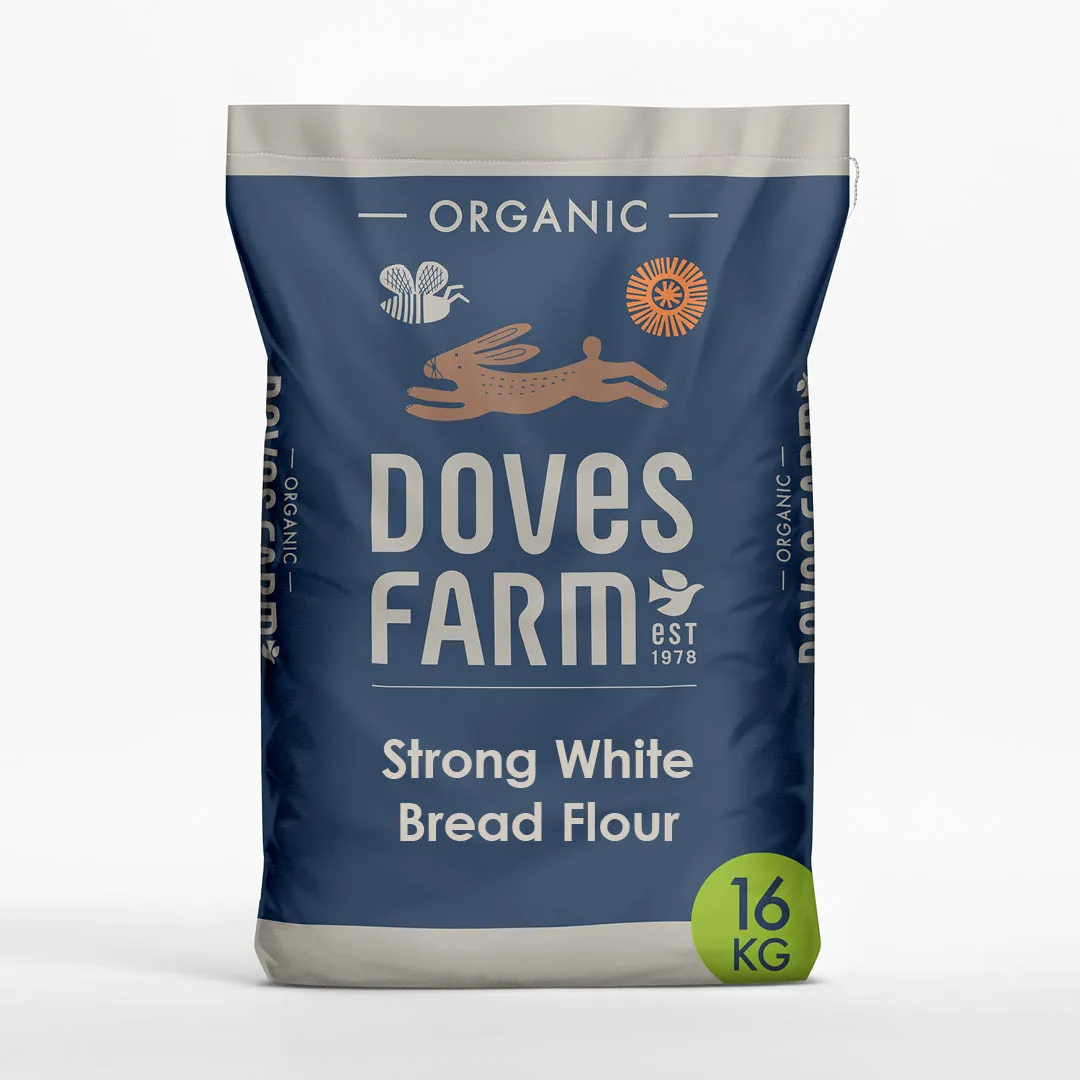
Our Organic Strong White Bread Flour is a great option for those who prefer a lighter texture, but for 100% whole grain goodness, mill your own. You can also blend freshly milled flour with our Organic Strong White Bread Flour - 16kg Sack for a balanced loaf that has both structure and flavor. For added convenience, our Doves Farm Organic Malthouse Bread Flour 25kg is an excellent choice when you need a reliable, pre-milled option.
- Try whole wheat pizza dough for a weekend project.
- Blend fresh milled flour with strong white flour for a balanced loaf.
- Use malthouse flour for a malty, slightly sweet flavor.
Storing Your Wheat Grain for Maximum Freshness
Proper storage is crucial for maintaining the quality of your organic high protein wheat grain. Keep it in a cool, dry place in an airtight container. A pantry or cupboard away from heat and sunlight is ideal. If you buy in bulk, consider dividing the grain into smaller portions and freezing some to extend its shelf life up to a year.
Before milling, inspect the grain for any signs of moisture or pests. If stored correctly, whole grains can last for years, making them a smart investment for any baker. Remember, whole grains are a living food, so they need a stable environment to stay dormant until you're ready to grind them.
- Store in an airtight container in a cool, dry place.
- Freeze bulk portions for long-term storage.
- Check for moisture or pests before milling.
Milling your own organic high protein wheat grain is a rewarding way to elevate your bread baking. You'll enjoy fresher, more nutritious flour and the satisfaction of creating something truly artisanal. Start with a small batch and experiment with different recipes to find your favorite. For those times when you need a reliable flour quickly, remember our Organic Strong White Bread Flour - 16kg Sack is always available in our store. Happy baking!