Quick Answer
Organic laver whole leaf and nori sheets come from the same seaweed family, but they differ in processing and texture. Laver is often sold as whole leaves that are thicker and chewier, while nori is typically toasted and pressed into thin sheets. For a more rustic, nutrient-dense addition to soups and salads, choose laver; for sushi rolls and wraps, nori sheets are the classic choice.
If you've ever stood in the seaweed aisle wondering whether to grab organic laver whole leaf or a pack of nori sheets, you're not alone. Both come from the same family of red algae, but they're processed differently, which affects their flavor, texture, and best uses in the kitchen.
In this comparison, we'll break down the key differences between organic laver whole leaf and nori sheets, look at their nutritional profiles, and give you practical tips for using each. By the end, you'll know exactly which one to reach for based on what you're cooking.
What Is Laver and What Is Nori?
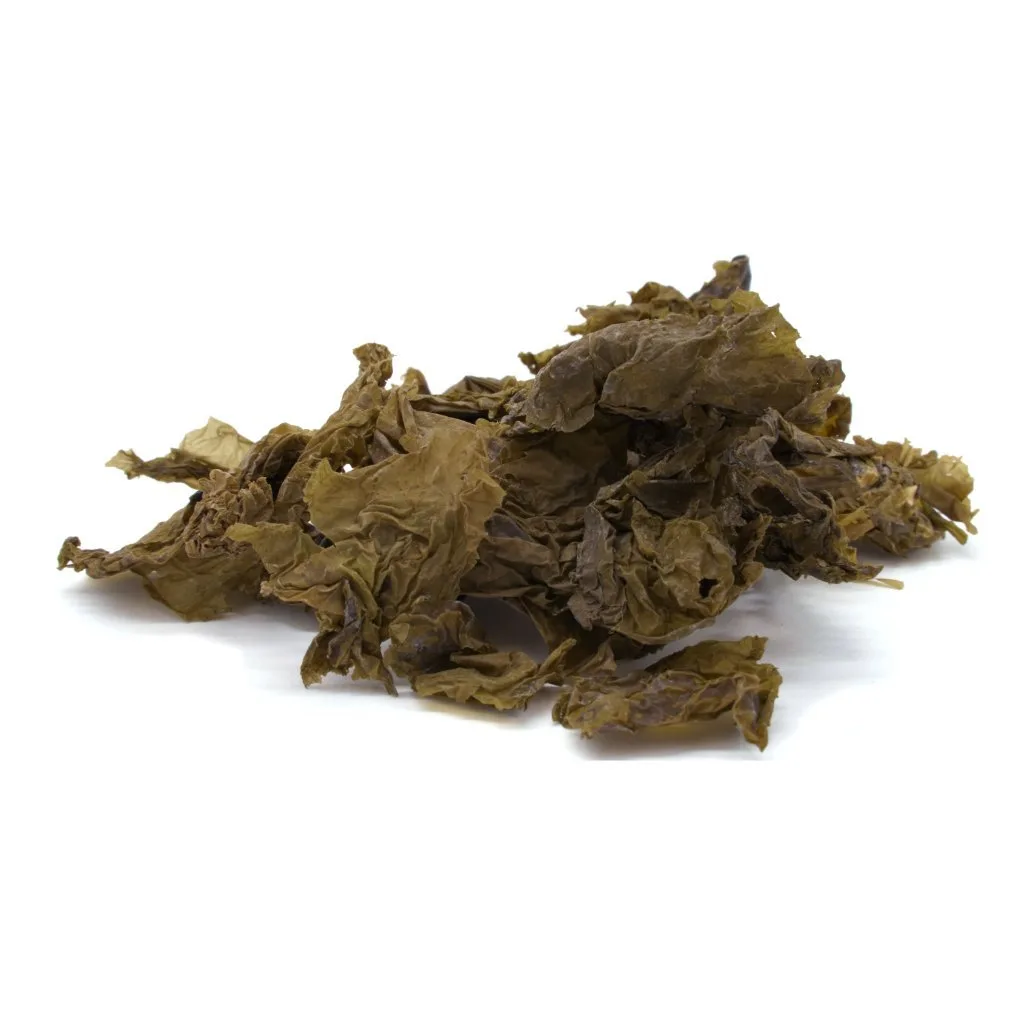
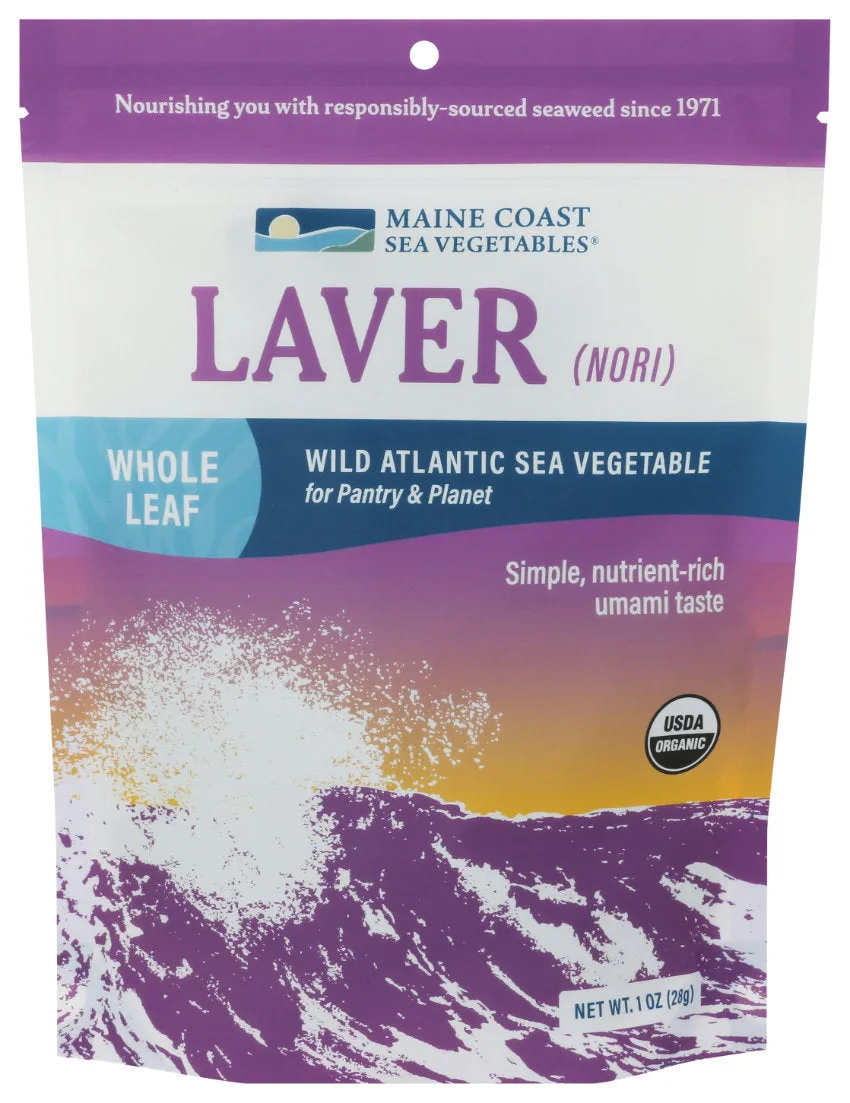
Laver (Porphyra spp.) is a type of red seaweed that grows wild along the North Atlantic coast. It's often referred to as 'wild Atlantic nori' because it's the same genus as the nori used in Japanese cuisine, but it's harvested and processed differently. Our organic laver is wild-harvested, preserving its natural texture and nutrient density.
Nori, on the other hand, is the Japanese name for Porphyra seaweed that has been cultivated, shredded, and pressed into thin, paper-like sheets, then typically toasted. This process gives nori its characteristic crispness and makes it ideal for rolling sushi. While both are nutritious, the processing differences mean they behave differently in recipes.
- Laver: whole leaves, chewy texture, wild-harvested
- Nori: thin sheets, crisp texture, cultivated and toasted
Nutritional Comparison: Laver vs Nori
Both laver and nori are packed with vitamins and minerals, but because laver is less processed, it retains more of its natural nutrient profile. Our organic laver is rich in iodine, B vitamins, and essential minerals like iron, magnesium, manganese, and zinc. It also contains more protein than many other sea vegetables, making it a great addition to plant-based diets.
Nori is also nutritious, but the toasting process can reduce some heat-sensitive vitamins. However, nori is still a good source of iodine and vitamin B12. For maximum nutrient retention, choosing whole leaf laver is a smart choice, especially if you plan to cook it lightly or eat it raw.
- Laver: higher in certain minerals like iron and magnesium
- Nori: convenient, but some nutrients may be reduced during toasting
Culinary Uses: How to Use Laver Whole Leaf
Organic laver whole leaf is incredibly versatile. Because it's thicker and chewier than nori, it holds up well in soups, stews, and stir-fries. You can also toast it lightly to make your own nori-like sheets, or crumble it over salads for a umami boost. Its robust texture means it won't disintegrate quickly, so it's perfect for slow-cooked dishes.
One of the most popular ways to enjoy laver is to make 'wild Atlantic nori' snacks. Simply brush the leaves with a little oil and toast them in a dry pan until crisp. This gives you a nutritious, homemade alternative to store-bought nori sheets, with a deeper, more oceanic flavor.
- Add to soups and stews for extra nutrition
- Toast for a crispy snack
- Crumble over rice or salads
Culinary Uses: How to Use Nori Sheets
Nori sheets are best known for sushi rolls, but they're also great for making onigiri, wrapping rice balls, or cutting into strips for garnishing noodles. Because they're thin and crisp, they soften quickly when in contact with moisture, so they're best used as a wrapper or a final touch rather than cooked for a long time.
If you're looking for a substitute for nori sheets in sushi, you can try using laver whole leaf. However, keep in mind that laver is thicker and may not roll as tightly. You might need to adjust your technique, but the result will be a heartier, more rustic roll with a stronger seaweed flavor.
- Perfect for sushi rolls and onigiri
- Cut into strips for noodle dishes
- Toast for a quick snack
Trade-Offs: Laver vs Nori
- Texture: Laver is thicker and chewier, while nori is thin and crisp. If you want a seaweed that adds substance to dishes, laver is better. For delicate wraps, nori is the winner. Choose laver for heartier dishes, nori for delicate wraps.
- Nutrition: Laver is less processed, so it may retain more heat-sensitive nutrients. It's also higher in certain minerals like iron and magnesium. Nori is still nutritious but may lose some vitamins during toasting. For maximum nutrient retention, go with laver.
- Convenience: Nori sheets are ready to use for sushi and snacks. Laver requires a bit more prep, like toasting or soaking, but offers more versatility in cooking. If you need a quick wrap, nori is more convenient; for cooking, laver is more flexible.
Product Facts: What You Need to Know
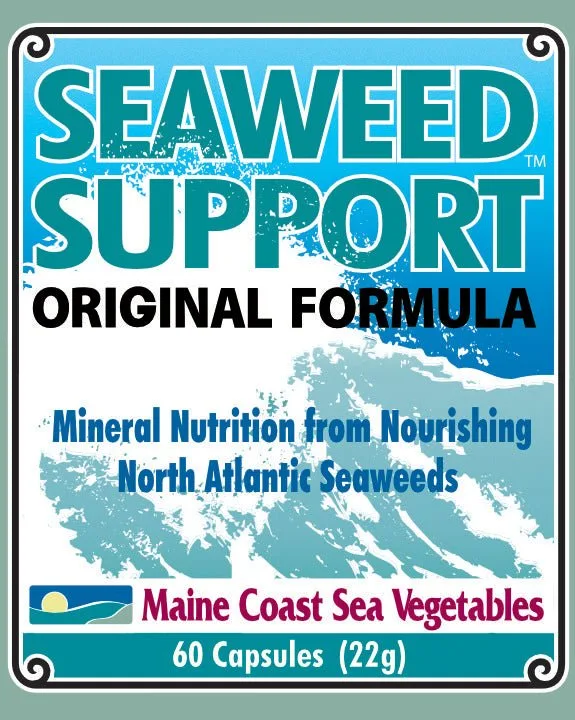
- Organic Laver Flakes Bulk (Porphyra spp.) - "Wild Atlantic Nori" - Wild-Harvested Sea Vegetable: Premium laver (Porphyra spp.) flakes in bulk. Our laver is sustainably wild-harvested in the pristine waters of the North Atlantic Ocean and is tested for quality and contaminants. Containing iodine, B vitamins, and essential minerals like iron, magnesium, manganese, and zinc, laver is a powerhouse of nutrition. What's more, laver contains more protein than other sea... This bulk option is perfect for adding a nutrient-dense, umami-rich ingredient to your pantry. The high protein content makes it a great addition to vegetarian and vegan meals.
- Organic Sea Lettuce Whole Leaf Bulk (Ulva sp.) - Wild-Harvested Atlantic Sea Vegetable: Premium sea lettuce (Ulva sp.) whole leaf in bulk. Our sea lettuce is sustainably wild-harvested from the pristine North Atlantic waters and lab-tested for quality. Sea lettuce is packed with minerals like calcium, iron, potassium, and magnesium. With 15% protein by dry weight, it's an excellent source of protein. If you're looking for a seaweed with a different texture and flavor profile, sea lettuce offers a mild, slightly sweet taste and can be used in salads or as a wrap. It's a good alternative when you want a change from laver or nori.
Which One Should You Choose?
Best for
- Home cooks who want a versatile, nutrient-dense seaweed for soups, stews, and salads
- Those who prefer minimally processed foods and want to make their own toasted seaweed snacks
Not for
- Sushi purists who need the exact texture and convenience of traditional nori sheets
- Anyone looking for a ready-to-use wrap without any preparation
Both organic laver whole leaf and nori sheets have their place in the kitchen. If you value nutrition and versatility, laver is a fantastic choice, especially when bought in bulk. If you're making sushi or need a quick wrap, nori sheets are hard to beat. Whichever you pick, you're adding a healthy, sustainable ingredient to your meals. For a convenient way to incorporate laver into your everyday cooking, check out our Organic Laver Flakes Bulk – it's a pantry staple you'll love.