When it comes to creating a safe and nurturing nursery, every detail matters—from the crib you choose to the mattress and linens your baby sleeps on. While many parents focus on furniture and decor, the bedding your little one uses every night can have a profound impact on their health and development. Organic linens and bedding are not just a trend; they are a conscious choice to reduce your baby's exposure to harmful chemicals, pesticides, and synthetic materials that can disrupt sleep and overall well-being.
In this article, we explore why organic bedding is crucial for your baby's health, what to look for when shopping, and how simple swaps like choosing organic linen sheets can make a world of difference. Whether you're a new parent or adding to your family, understanding the benefits of chemical-free sleep surfaces is a vital step toward a healthier home.
The Hidden Dangers in Conventional Baby Bedding
Conventional baby bedding is often made from conventionally grown cotton, which is one of the most pesticide-intensive crops in the world. According to the Environmental Protection Agency, cotton crops account for a significant portion of global insecticide use. These chemicals can linger in fibers even after processing, meaning your baby may be breathing in or absorbing residues through their skin during sleep. Additionally, many non-organic sheets are treated with formaldehyde, flame retardants, and synthetic dyes to improve durability and appearance. These additives have been linked to skin irritation, respiratory issues, and even endocrine disruption in infants.
Babies spend up to 16 hours a day sleeping, and their developing immune systems are particularly vulnerable to toxins. Their skin is thinner and more permeable than adult skin, making it easier for chemicals to enter their bodies. By choosing organic bedding, you eliminate exposure to these harmful substances, creating a cleaner and safer sleep environment. Organic certification ensures that no synthetic pesticides, herbicides, or genetically modified organisms (GMOs) were used in production, and that manufacturing processes meet strict environmental and health standards.
- Look for GOTS (Global Organic Textile Standard) or OEKO-TEX certification to verify organic claims.
- Avoid bedding treated with flame retardants or stain repellents, which often contain toxic chemicals.
Why Organic Linen Is a Superior Choice for Baby Bedding
Organic linen is an exceptional fabric for baby bedding, offering natural breathability, moisture-wicking properties, and hypoallergenic benefits. Linen is made from flax plants, which are naturally resilient and require far fewer pesticides than cotton. When grown organically, flax is even more sustainable, as it thrives without synthetic inputs. Linen fibers are hollow, allowing air to circulate freely and helping regulate your baby's body temperature throughout the night. This reduces the risk of overheating, a known factor in Sudden Infant Death Syndrome (SIDS).
Another advantage of organic linen is its durability. Linen becomes softer with each wash without losing its structural integrity, making it a long-lasting investment for your nursery. It is also naturally antimicrobial and resistant to dust mites, which is ideal for babies with sensitive skin or allergies. When you choose organic linen sheets, you are not only prioritizing your baby's health but also supporting eco-friendly farming practices that protect soil and water resources. For a complete nursery setup, consider pairing organic linen bedding with a safe, non-toxic mattress and a convertible changing station for a cohesive, chemical-free space.
- Organic linen bedding is ideal for all seasons—cool in summer and warm in winter.
- Wash linen sheets in mild, fragrance-free detergent to maintain their natural benefits.
How to Choose the Best Organic Baby Bedding
When shopping for organic baby bedding, start by checking for third-party certifications. The GOTS label is the gold standard, ensuring that the entire supply chain—from farming to finishing—meets organic criteria. Also look for OEKO-TEX Standard 100 certification, which tests for harmful substances even in non-organic products. Next, consider the fabric type: organic cotton is soft and affordable, while organic linen offers superior breathability and longevity. Both are excellent choices, but linen is particularly recommended for warmer climates or for babies who tend to sleep hot.
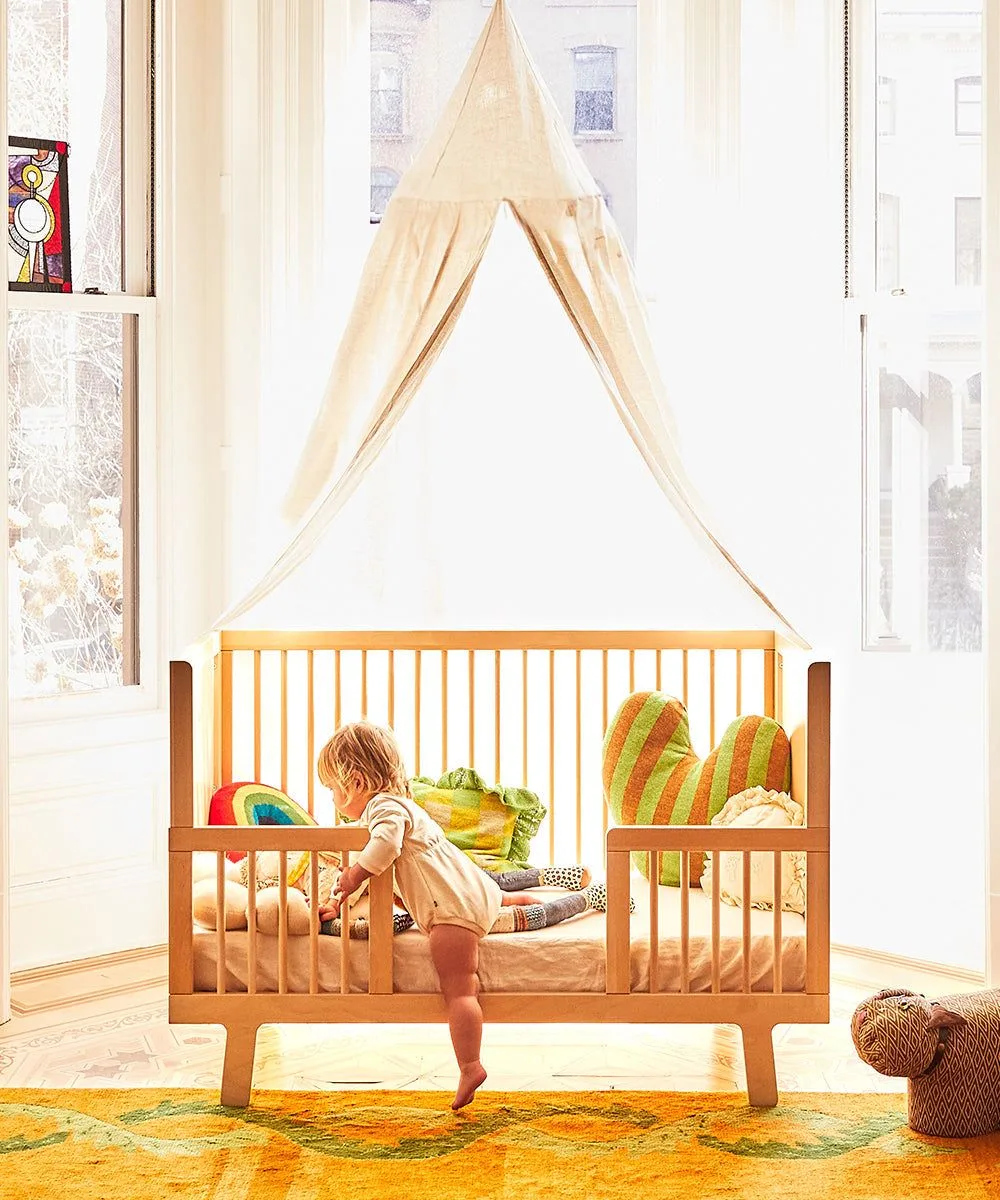
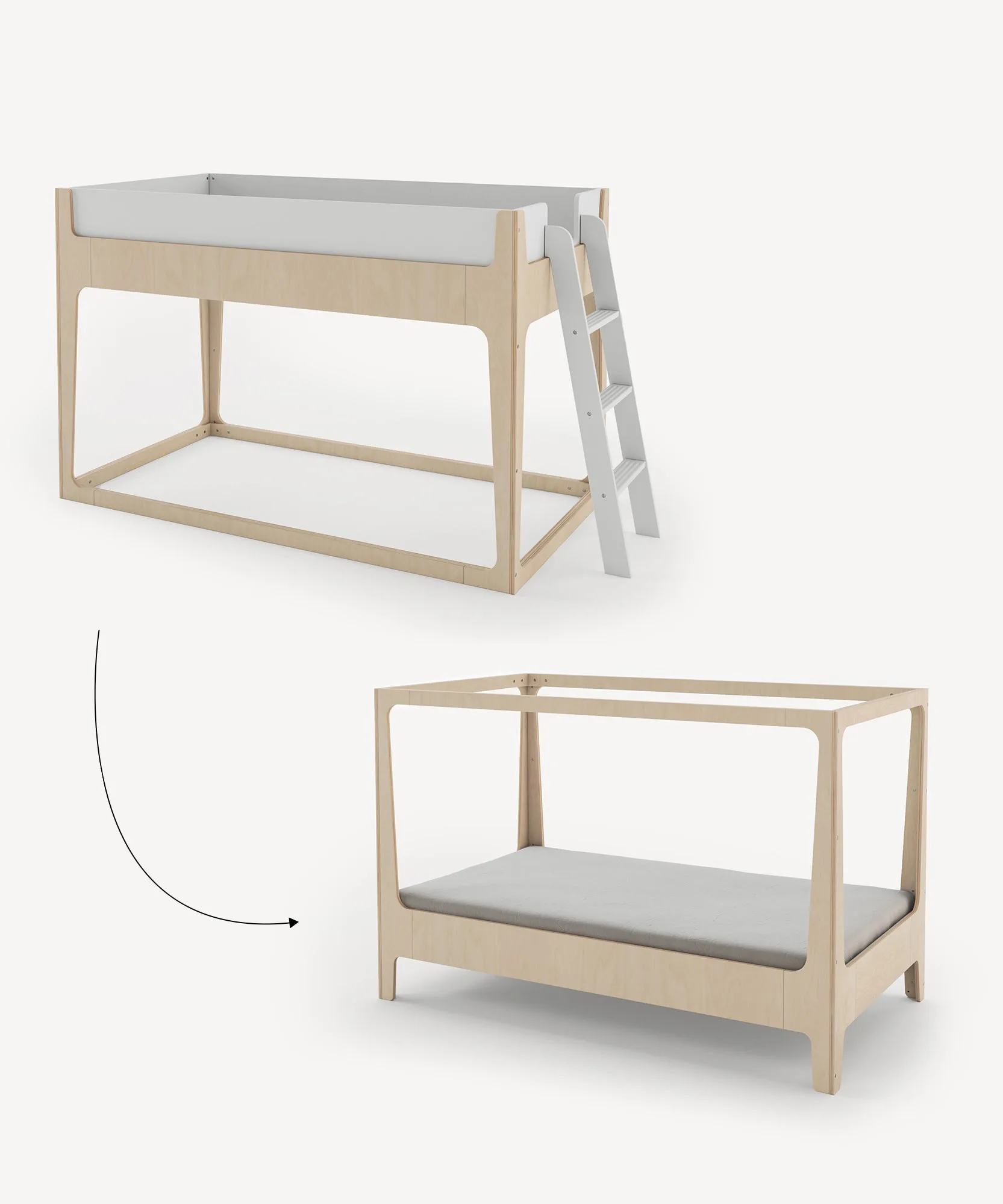
It's also important to consider the complete sleep system. A non-toxic mattress, such as one made from organic cotton or natural latex, complements organic bedding by eliminating off-gassing from polyurethane foam. Additionally, ensure that the fitted sheets have deep pockets and elastic edges to stay securely on the mattress. Avoid loose blankets, pillows, or bumpers for infants under 12 months to reduce suffocation risks. For older toddlers transitioning to a bed, a classic toddler bed with organic linens can provide a safe and comfortable sleep environment that supports their growing independence.
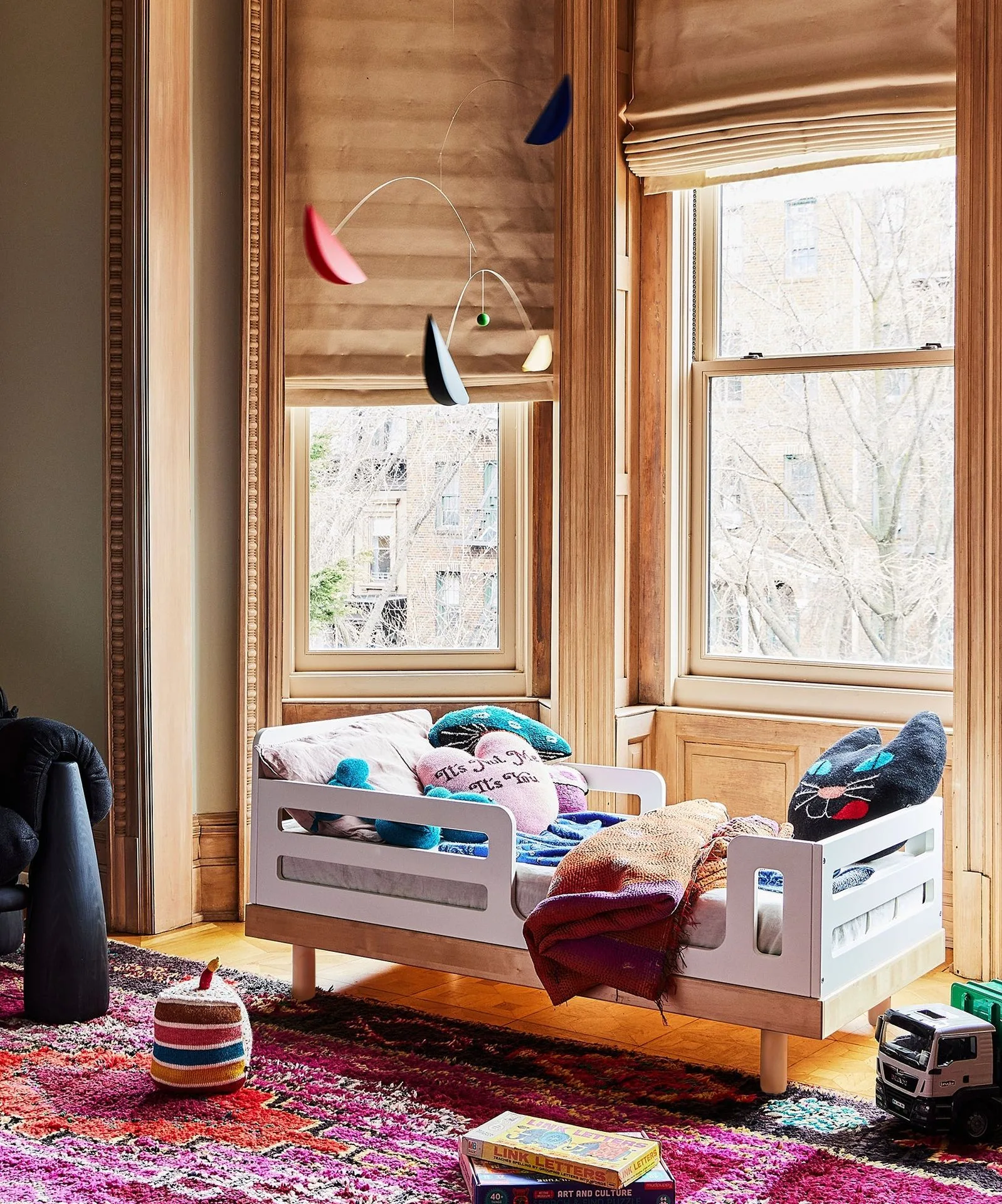
classic toddler bed
- Choose fitted sheets with a snug fit to prevent bunching or slipping.
- Invest in a mattress protector made from organic cotton or wool to extend the life of your mattress.
The Long-Term Benefits of Chemical-Free Sleep
The benefits of organic bedding extend beyond infancy. By establishing a chemical-free sleep environment early on, you reduce your child's cumulative exposure to toxins, which may lower their risk of developing allergies, asthma, and other chronic conditions later in life. Organic linens also contribute to better sleep quality. Because they are free from synthetic dyes and finishes, they are less likely to cause skin irritation or discomfort. Babies who sleep more soundly tend to have better cognitive development, mood regulation, and overall health.
Furthermore, choosing organic bedding is an investment in the planet. Organic farming practices reduce water pollution, conserve biodiversity, and sequester carbon in the soil. By supporting brands that prioritize sustainability, you are voting for a cleaner, healthier future for your child. Many parents find that once they switch to organic bedding, they never go back—the softness, durability, and peace of mind are unmatched. For a truly holistic nursery, consider adding organic mattress pads, swaddles, and even organic pajamas to complete the chemical-free sleep experience.
- Organic bedding can be used for multiple children, making it a cost-effective choice over time.
- Pair organic linens with a natural latex or wool mattress for maximum breathability and support.
Making the switch to organic linens and bedding is one of the most impactful decisions you can make for your baby's health and comfort. By choosing fabrics that are free from pesticides, synthetic chemicals, and harsh processing agents, you create a sleep sanctuary that supports their developing bodies and minds. Whether you opt for the breathable luxury of organic linen or the soft comfort of organic cotton, every chemical-free layer brings you closer to a safer nursery. Explore our collection of organic baby bedding and discover how simple swaps can transform your little one's sleep environment for the better. Start with a set of organic linen sheets today and experience the difference that pure, natural materials can make.