Why neem powder myths spread so easily
Neem has a long history in traditional practice, and that reputation often gets stretched into confident claims about skin, hair, and detoxification. The problem is that a traditional ingredient is not the same as a proven treatment. When you search for how to use neem powder, you will find pastes, masks, and drinks presented as universal routines, but the product record for Organic Neem Powder is much narrower.
This article separates common myths from what the supplied product information actually states. It does not diagnose, prescribe, or replace advice from a qualified professional. Where the record is silent, treat that as a limit on what you can confidently assume, not as proof that any claim is true.
What the Organic Neem Powder record actually confirms
-
Organic Neem Powder -Large: Neem is high in anti-oxidants and has numerous benefits for the skin & blood. This is the product's own general description, not a clinical claim. It supports why neem is used in skin and hair routines but does not specify results or timelines.
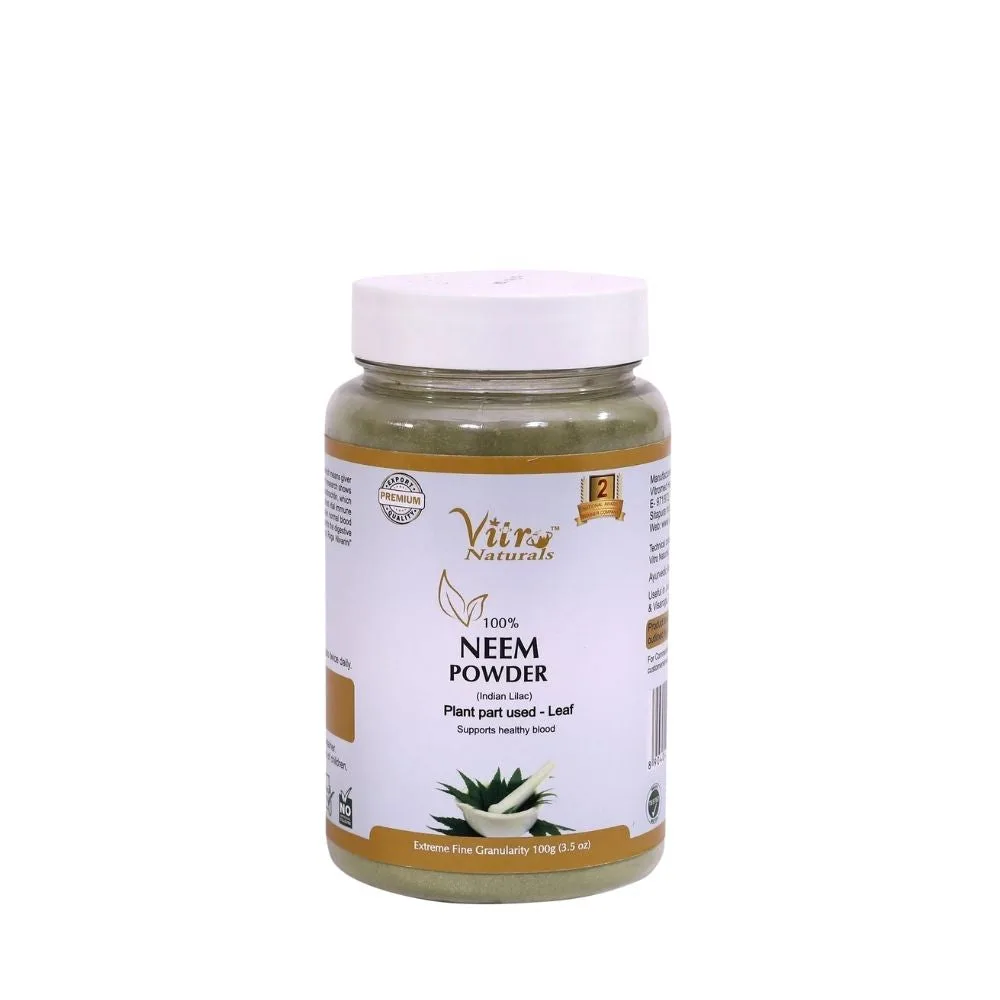
Organic Neem Powder -Large
-
Organic Neem Powder -Large: Neem is recommended for Skin & Blood related issues. The record frames neem around skin and blood, which is broader than hair. Any hair-specific benefit is not stated in the supplied information.
-
Organic Neem Powder -Large: Improves Skin related problems This is a general product claim. It does not name conditions, severity, or how quickly you might notice a change.
-
Organic Neem Powder -Large: Dosage 1/2 teaspoon with 250 ml of warm water daily. This is the only preparation instruction supplied. It describes an internal drink, not a topical paste, mask, or hair treatment.
Myths that do not hold up against the record
- Myth: Neem powder is a proven cure for acne or eczema: The record says neem is recommended for skin-related issues and may improve skin problems, but it does not name acne, eczema, or any diagnosed condition. It also does not claim to cure anything. If you have a persistent skin condition, a product description is not a diagnosis or treatment plan.
- Myth: You can use neem powder as a hair mask exactly as you would on skin: The supplied information does not mention hair at all. It focuses on skin and blood. There is no stated hair preparation, leave-on time, or frequency. Any hair paste recipe you see elsewhere is not confirmed by this product record.
- Myth: Neem powder is a detox that cleans your blood: The record says neem may help with detoxification and overindulgence, but 'detox' is a broad marketing term, not a medical process you can verify from a label. Your body already filters waste through the liver and kidneys. The record also says neem may reinvigorate the liver and spleen, but that is a general claim, not a measured outcome.
- Myth: More neem powder means faster results: The only dosage given is 1/2 teaspoon with 250 ml of warm water daily. The record does not suggest increasing that amount. Taking more than the stated serving is not supported by the supplied information.
- Myth: Neem powder is a weight-loss shortcut: The record lists 'helps maintain healthy weight' as a product detail, but it does not promise weight loss or describe how that works. Maintaining weight is different from losing it, and no calorie, exercise, or timeline guidance is supplied.
How to use Organic Neem Powder according to the record
If you want to follow the only preparation the record confirms, measure 1/2 teaspoon of Organic Neem Powder into 250 ml of warm water and stir. The record says to take this daily. It does not specify a time of day, whether to take it with food, or how long to continue.
That is the full extent of the usage guidance supplied. There is no instruction for making a paste, mask, hair pack, or topical application. If you choose to use neem powder on your skin or hair, you are going beyond the product record, and you should treat any such recipe as unverified rather than as a manufacturer instruction.
Where the record stops and your own judgment begins
- Skin application: The record says neem is recommended for skin-related issues but gives no topical recipe, patch-test advice, or frequency. If you have sensitive skin, introducing any new topical ingredient without professional guidance carries risk.
- Hair application: No hair use is described. The record does not confirm that neem powder strengthens hair, reduces dandruff, or promotes growth. Those claims are not supported by the supplied information.
- Internal use and interactions: The record does not list contraindications, drug interactions, or warnings for pregnancy, breastfeeding, or existing medical conditions. That absence is a gap in the supplied information, not a guarantee of safety. Speak with a qualified professional before using neem internally if you take medication or manage a health condition.
- Taste and mixability: Neem is known for a bitter taste, but the record does not describe flavor or whether the powder dissolves fully. You may need to stir briskly, but that is general kitchen experience, not a product instruction.
A realistic way to judge neem powder claims
When you see a confident claim about neem powder for skin or hair, ask three questions: Does the product record state it? Does it name a specific preparation? Does it give a dose or timeline? For Organic Neem Powder, the answers are limited to general skin and blood support and one internal daily serving. Everything else, including hair benefits and topical paste routines, is outside what the supplied information confirms.
That does not make neem useless. It means you should hold the marketing lightly and rely on the label in your hand. If the label on your package adds directions, warnings, or a different dosage, follow that label over any article, including this one.