Walking through the supermarket aisle, you've likely noticed the growing section of organic nut butters. They often come with a higher price tag and a promise of purity, but what exactly makes them different from their conventional counterparts? Whether you're a seasoned organic shopper or just starting to explore cleaner eating options, understanding these differences can help you make informed choices for your health and your family.
In this organic nut butter guide, we'll break down the certification process, explore the nutritional and environmental benefits, and help you decide if making the switch is right for you. We'll also highlight some standout products from Meridian that exemplify what organic truly means.
What Does 'Organic' Really Mean for Nut Butters?
When a nut butter carries a certified organic label, it means the ingredients have been grown and processed according to strict standards set by organic certification bodies. For nut butters, this primarily applies to the nuts themselves—peanuts, almonds, cashews, hazelnuts—and any additional ingredients like oils or sweeteners. Organic farming prohibits the use of synthetic pesticides, herbicides, genetically modified organisms (GMOs), and artificial fertilizers.
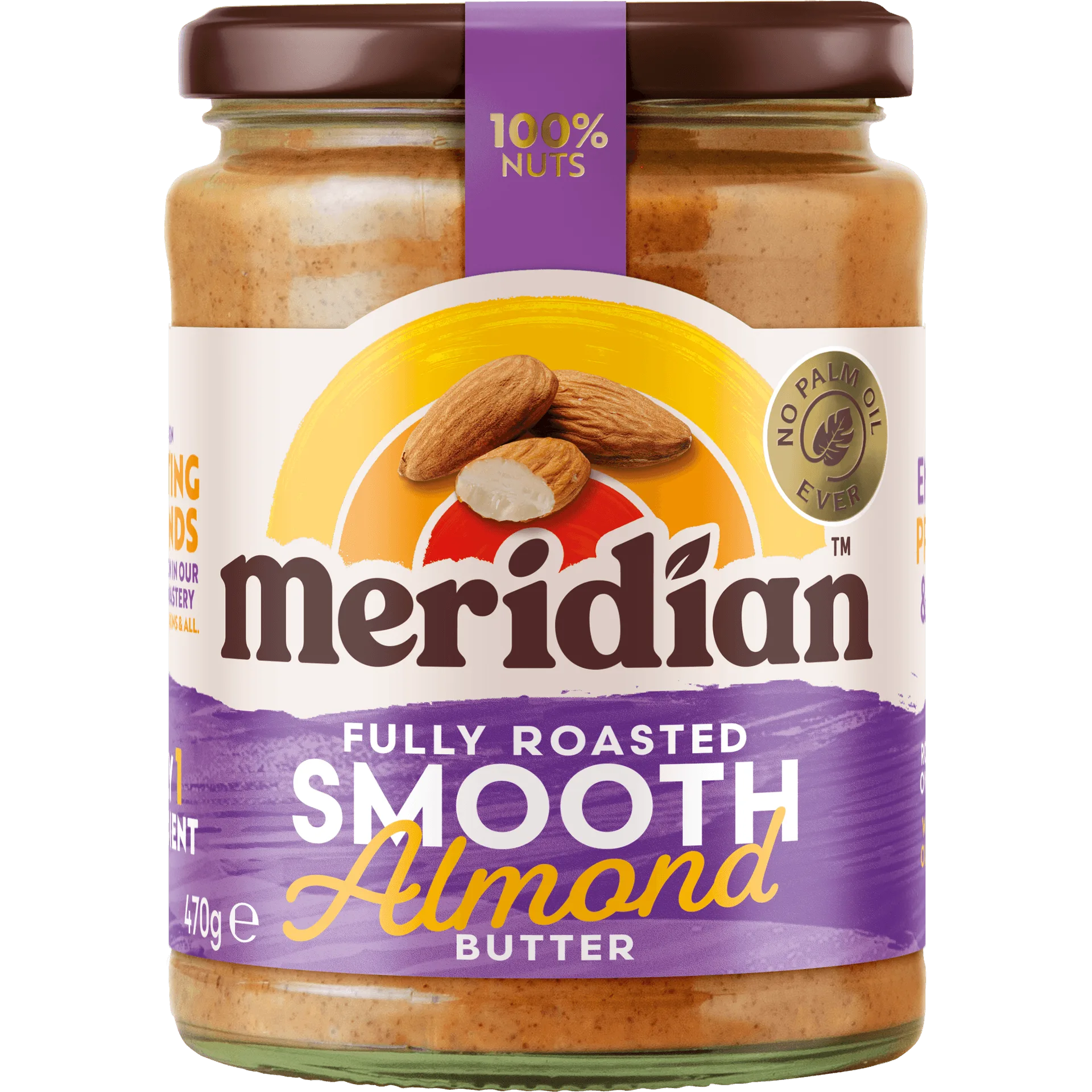
For example, consider the Organic Crunchy Peanut Butter 1kg from Meridian. This product uses peanuts that have been grown without synthetic chemicals, ensuring that from the soil to the jar, the process supports ecological balance. Similarly, the Organic Smooth Almond Butter 470g offers almonds that are non-GMO and grown without synthetic inputs, preserving the natural integrity of the nut.
- Look for logos from recognized certifiers such as the Soil Association, USDA Organic, or EU Organic Leaf.
- Organic certification also covers processing facilities, ensuring no cross-contamination with non-organic ingredients.
Organic vs. Conventional Nut Butter: Key Differences
The most immediate difference between organic and conventional nut butters lies in pesticide exposure. Conventionally grown peanuts, for instance, are often treated with fungicides and insecticides, and they can be susceptible to aflatoxins (naturally occurring molds). Organic farming uses natural pest control methods and crop rotation, which can reduce these risks. Additionally, organic nut butters typically contain no artificial preservatives, hydrogenated oils, or synthetic emulsifiers.
Another difference is taste. Many people report that organic nut butters have a purer, more pronounced nut flavor. This is because the nuts are often roasted more gently and processed with fewer additives. The Organic Crunchy Peanut Butter 1kg delivers that classic roasted peanut taste without any added sugar or palm oil, letting the natural nuttiness shine through. In contrast, some conventional brands add sugar, salt, and stabilizers to extend shelf life and enhance flavor artificially.
- Organic nut butters usually have a shorter ingredient list—often just nuts and a pinch of sea salt.
- Conventional nut butters may contain added sugars, hydrogenated oils, and preservatives to improve texture and shelf life.
Health Benefits of Choosing Organic Almond Butter
Almond butter is a nutritional powerhouse, rich in vitamin E, magnesium, and healthy monounsaturated fats. When you choose organic almond butter, you're avoiding the pesticide residues that can cling to almond skins. Organic almonds are grown without synthetic sprays, which means your butter is free from these chemical residues. This is especially important if you consume nut butter daily, as cumulative exposure to pesticides can have long-term health effects.
Meridian's Organic Smooth Almond Butter 470g is a perfect example of a clean, organic spread. Made from 100% organic almonds, dry roasted to enhance flavor, and then gently ground into a smooth, creamy texture. It contains no added oils, sugars, or salt, making it an excellent choice for those monitoring their sodium intake or following a whole-foods diet. The organic certification ensures that every spoonful supports both your health and sustainable farming practices.
- Organic almond butter is a great source of vitamin E, a powerful antioxidant that supports skin health and immune function.
- Choosing organic also supports bee health, as organic farms avoid neonicotinoid pesticides that harm pollinators.
How to Choose the Best Organic Nut Butter for Your Needs
When shopping for organic nut butters, start by reading the ingredient list. The best organic butters contain just one or two ingredients: the nut itself and perhaps a touch of sea salt. Avoid products with added sugars, palm oil, or 'natural flavors,' which can sometimes be derived from non-organic sources. Next, consider the texture. Do you prefer a smooth, spreadable butter or a crunchy one with nut pieces?
Meridian offers a range of organic options to suit different preferences. For those who love a classic, chunky texture, the Organic Crunchy Peanut Butter 1kg delivers satisfying crunch with every bite. If you're looking for a versatile, creamy spread for toast, smoothies, or baking, the Organic Smooth Almond Butter 470g is an excellent choice. Both are certified organic and free from artificial additives, making them staples for a clean pantry.
- Check for 'no added sugar' or 'unsweetened' on the label if you're avoiding sweeteners.
- Consider buying larger jars (like 1kg) if you go through nut butter quickly—it's often more economical and reduces packaging waste.
Making the switch to organic nut butters is a simple yet impactful way to reduce your exposure to synthetic chemicals, support more sustainable farming, and enjoy a purer, more flavorful spread. Whether you're drizzling it over oatmeal, spreading it on toast, or blending it into smoothies, choosing organic means choosing quality from the ground up. Explore Meridian's range of certified organic nut butters today and taste the difference for yourself. Start with the Organic Smooth Almond Butter 470g for a creamy, versatile option that's perfect for everyday use.