Quick answer
Organic plush toys are made from certified organic cotton and natural rubber, free from synthetic pesticides and chemicals. Regular plush toys often use conventional fabrics and synthetic fillings, which can be less expensive but may contain residues or allergens. For babies who mouth or cuddle toys closely, organic options offer peace of mind, but regular plush can still be safe if labeled non-toxic.
What Makes a Plush Toy Organic?
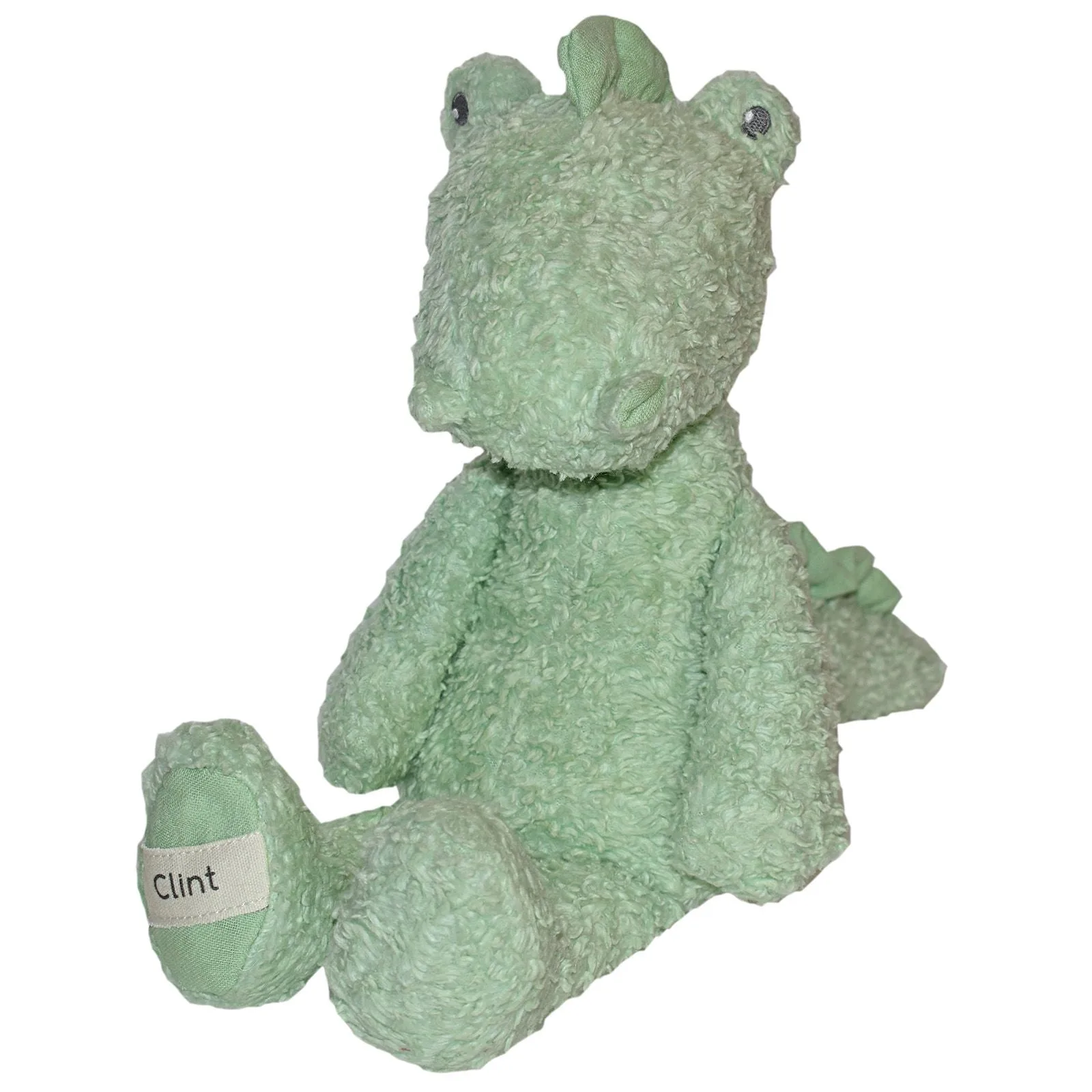
Organic plush toys are made from fibers grown without synthetic pesticides, herbicides, or genetically modified seeds. The fabric is often certified by standards like OCS100 (Organic Content Standard). For example, Clint the Crocodile Organic Plush Toy uses organic cotton sherpa skin and recycled polyester filling, with embroidered eyes instead of plastic ones. This reduces exposure to potential irritants and supports sustainable farming.
Regular plush toys typically use conventional cotton or synthetic fabrics like polyester. While many are safe, they may contain trace chemicals from manufacturing or dyes. The key difference is certification: organic plush carries a verifiable standard, while regular plush relies on general safety regulations.
Safety and Non-Toxic Materials
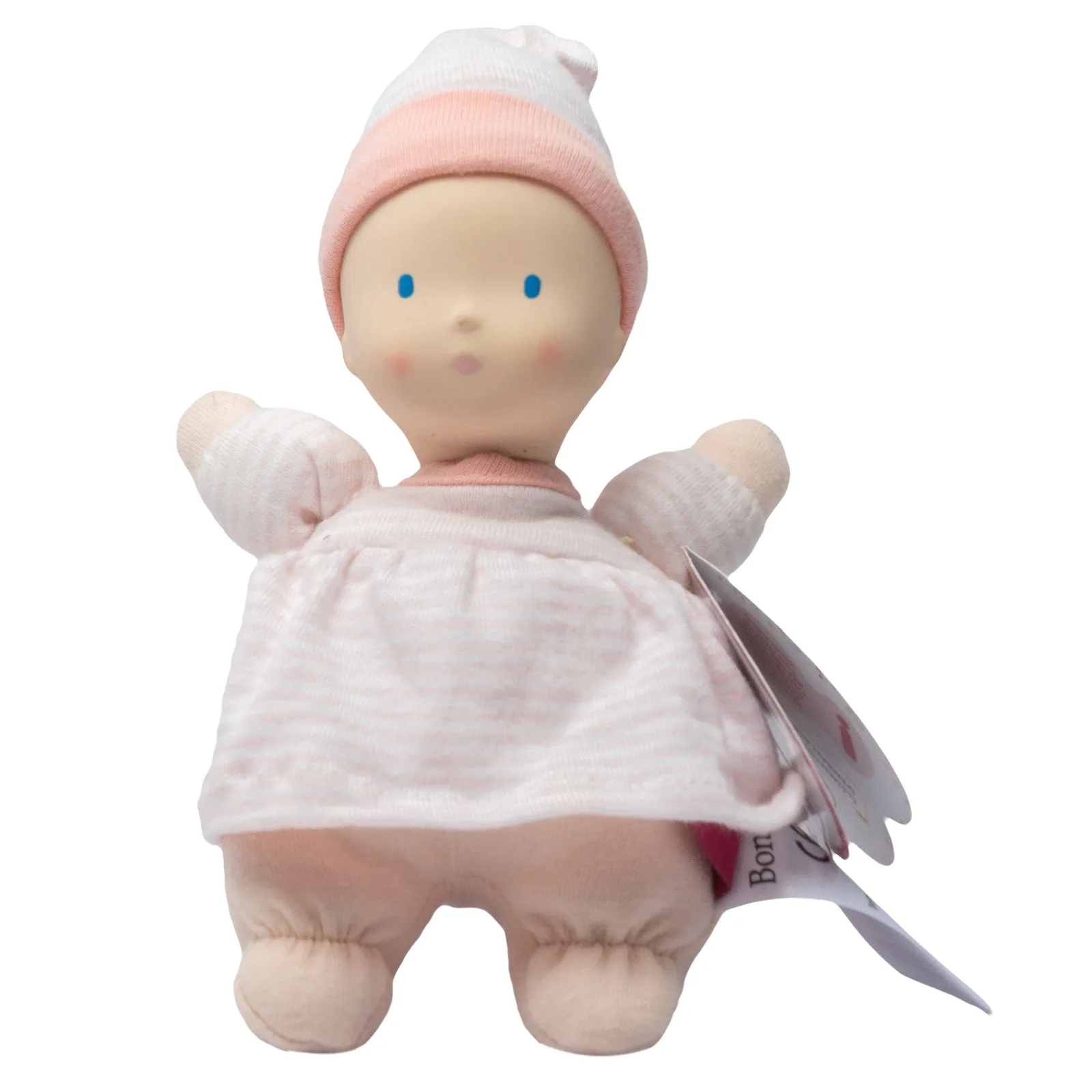
For babies who explore with their mouths, non-toxic materials are crucial. Organic plush toys often combine organic fabric with natural rubber components. The Precious Light Skin Baby Doll has a head made from 100% natural rubber from Sri Lankan Hevea trees and is phthalate- and BPA-free. This makes it a safer choice for teething or sucking.
Regular plush toys may use synthetic rubbers or plastics that could contain phthalates or BPA unless explicitly labeled otherwise. Always check for certifications or statements like 'phthalate-free' and 'BPA-free' when choosing a regular plush toy for a baby.
Durability and Care Differences
Organic plush toys are often more delicate because organic cotton fibers are not treated with chemical strengtheners. Surface cleaning is recommended for items like Clint the Crocodile, as machine washing may wear the fabric. Regular plush toys, especially those with synthetic blends, can sometimes withstand machine washing better, but always check the care label.
That said, organic plush toys are designed for gentle use and cuddling, not rough play. If you need a toy that can go through frequent washes, a regular plush with reinforced seams might be more practical. The trade-off is between material purity and laundry convenience.
Trade-offs at a Glance
- Material purity vs. cost: Organic plush uses certified organic cotton and natural rubber, which costs more. Regular plush is cheaper but may use conventional materials. If budget allows, organic plush offers verified safety.
- Safety features vs. durability: Organic plush often has embroidered eyes and natural rubber parts, reducing choking risks. Regular plush may have plastic parts that can break off. For babies under 3, organic plush with embroidered details is safer.
- Eco-friendliness vs. washability: Organic plush uses sustainable materials but may require spot cleaning. Regular plush can often be machine washed but may contain synthetic fibers. Choose organic for daily cuddling; regular for toys that need frequent washing.
Product Facts
- Clint the Crocodile Organic Plush Toy: Clint the Crocodile Organic Plush Toy is made from soft organic fabric with embroidered eyes, OCS100 Certified, and filled with recycled polyester. Skin is 100% Organic Cotton Sherpa. Embroidered eyes eliminate choking hazards from plastic parts, and the organic cotton sherpa is gentle on sensitive skin. The recycled filling is an eco-friendly choice.
- Precious Light Skin Baby Doll with Rubber Head: Precious Light Skin Baby Doll has a head made from 100% natural rubber from Sri Lankan Hevea trees, is phthalate- and BPA-free, and has a super soft, squishy body. Natural rubber head is safe for mouthing and teething, and the soft body is easy for little hands to grip. The absence of phthalates and BPA adds an extra layer of safety.
Which Should You Choose?
Best for
- Parents who want verified non-toxic materials for babies who mouth toys
- Eco-conscious families looking for certified organic and sustainable options
Not for
- Families on a tight budget who need multiple plush toys
- Toys that will be heavily machine washed or used in messy play