Quick Answer
If your organic sourdough isn't rising, the most common culprits are an inactive starter, weak flour, or incorrect proofing temperature. Start by checking your starter's activity, then consider switching to a high-protein bread flour like our Organic Strong White Bread Flour. If you're using rye, ensure proper hydration and give it time.
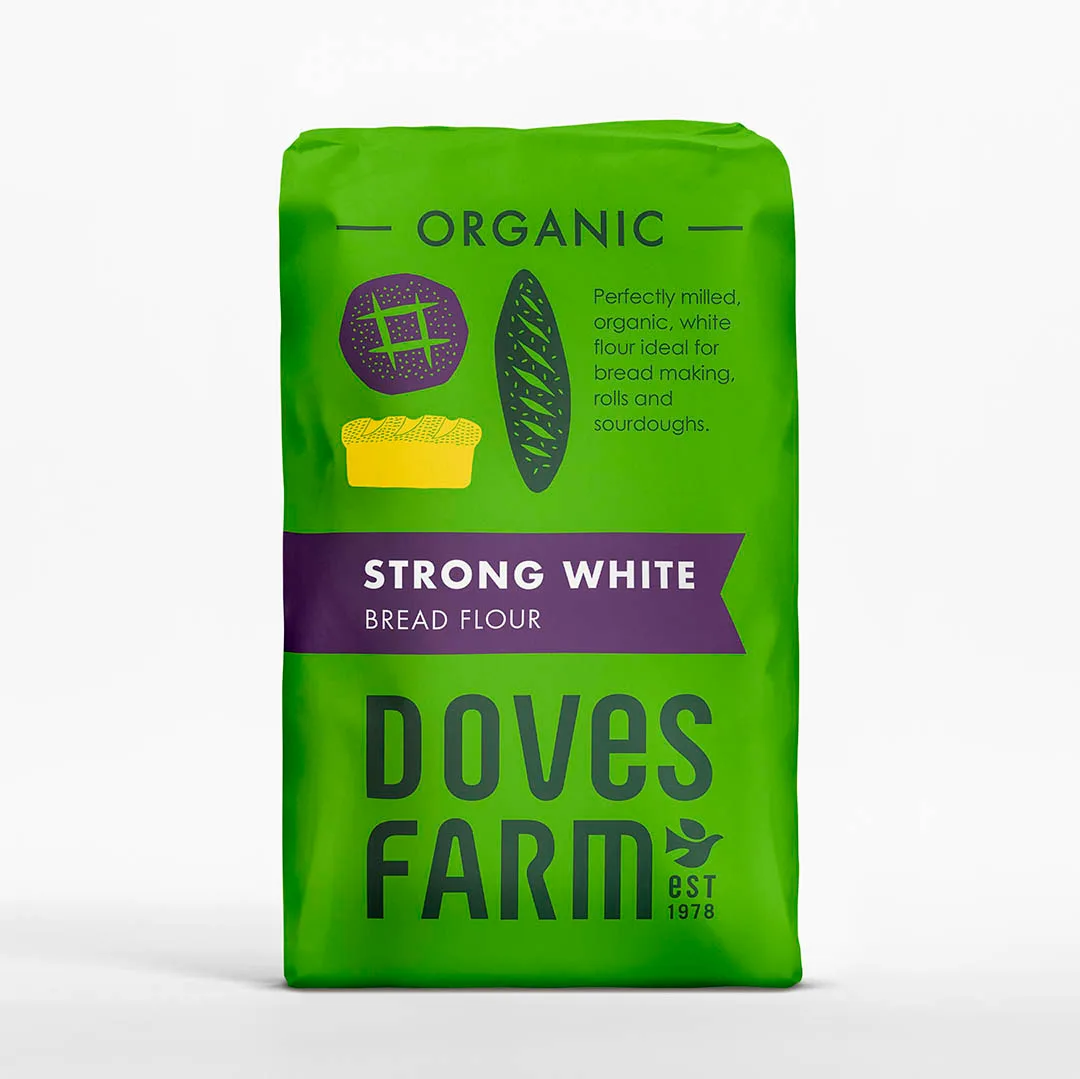
Organic Strong White Bread Flour
There's nothing more disheartening than pulling a dense, flat loaf out of the oven after hours of nurturing your sourdough. But don't give up – most sourdough problems are fixable. In this guide, we'll walk through the most common reasons your organic sourdough isn't rising and provide step-by-step solutions to get your bread back on track.
Sourdough is a living process, and small changes in your starter, flour, or environment can have a big impact. By understanding the science behind the rise, you'll be able to troubleshoot confidently and bake beautiful, airy loaves every time.
1. Your Starter Isn't Active Enough
The most common reason for a failed rise is a weak or dormant starter. If your starter isn't bubbly and doubling in size within 4-6 hours of feeding, it's not ready to leaven bread. A mature starter should have a pleasant, slightly tangy aroma and a sponge-like texture.
To fix this, feed your starter twice a day for a few days with equal parts flour and water by weight. Keep it in a warm spot (around 75°F/24°C) to encourage activity. If you're using a whole grain flour like rye, it ferments faster, so adjust feeding accordingly.
- Feed your starter at a 1:1:1 ratio (starter:flour:water) for 2-3 days before baking.
- If your starter floats in water, it's likely active enough to use.
2. Your Flour Lacks Enough Protein
Gluten is the protein network that traps gas and gives bread structure. If your flour has low protein content, the dough won't hold the gas produced by the yeast, resulting in a flat loaf. Organic all-purpose flours typically have 9-11% protein, while bread flours have 12-14%.
For sourdough, choose a high-protein flour like our Organic Strong White Bread Flour. It's made from high protein organic wheat, ideal for the frequent homebaker. Alternatively, you can mix in a small amount of vital wheat gluten, but using the right flour from the start is easier.
- Check the protein content on your flour bag – aim for at least 12%.
- If you're using whole wheat or rye, they have less gluten, so consider blending with bread flour.
3. Overproofing or Underproofing
Timing is everything in sourdough. If you let it proof too long, the dough overproofs and collapses; if you don't proof long enough, it won't have risen fully. The ideal proofing time depends on temperature, flour, and starter strength.
A simple test is the poke test: gently press your finger into the dough. If the indentation springs back slowly, it's ready. If it springs back quickly, it needs more time. If it doesn't spring back at all, it's overproofed.
- Proof at a consistent temperature, ideally between 75-80°F (24-27°C).
- For a cold proof, place in the fridge overnight – this can improve flavor and rise.
4. Not Enough Hydration
Sourdough needs adequate water to develop gluten and allow the dough to stretch. If your dough is too stiff, it won't expand. Most sourdough recipes have 70-80% hydration (water to flour ratio). If you're new to sourdough, start with 70% and adjust as you get comfortable.
If your dough feels dry and tight, add a little water during the first few folds. Be careful not to overhydrate, as that can lead to a sticky, flat dough.
- Weigh your ingredients for accuracy – hydration is critical.
- If using rye flour, it absorbs more water, so increase hydration by 5-10%.
5. The Temperature Is Too Cold
Sourdough fermentation slows dramatically in cold environments. If your kitchen is below 70°F (21°C), your dough may take much longer to rise. This isn't a problem if you plan for it, but it can be frustrating if you're expecting a quick rise.
To speed things up, place the dough in a warm spot, like an oven with the light on, or use a proofing box. Alternatively, use slightly warmer water (around 80°F/27°C) when mixing.
- Aim for a dough temperature of 75-78°F (24-26°C) after mixing.
- If your house is cold, consider a longer, slower fermentation in the fridge.
6. Using the Wrong Type of Flour
Different flours behave differently in sourdough. Whole grain flours like whole wheat or rye are more nutritious but produce less gluten. If you're using 100% rye, expect a denser loaf – that's normal. However, if you want a lighter rise, you might need to blend with bread flour.
For example, our Organic Wholemeal Rye Flour has a tangy flavor and is great for bread, but it won't rise as high as white flour. If you're aiming for a tall loaf, mix rye with strong white flour.
- For a lighter rye bread, use a combination of rye and bread flour.
- Ancient grains like einkorn are low in gluten – they need a gentle hand and often a shorter proof.
Sourdough Diagnosis: Symptom, Cause, Fix
- Symptom: Dense, heavy loaf with little rise: Likely cause: inactive starter or low-protein flour. Feed your starter until it's bubbly, and switch to a bread flour with at least 12% protein.
- Symptom: Dough spreads out flat after scoring: Likely cause: overproofing or too much hydration. Shorten your proofing time and reduce hydration a bit. Use the poke test.
- Symptom: Bread is gummy inside: Likely cause: underbaking or cutting too soon. Bake until internal temperature reaches 205-210°F (96-99°C) and cool completely before slicing.
Flour Choices That Help Your Sourdough Rise
- Organic Strong White Bread Flour - 16kg Sack: This 16 kilo version of our top quality white bread flour is made from high protein organic wheat. It is ideal for the frequent homebaker, or industrial user. High protein content gives your dough the gluten strength needed to trap gas and rise well, making it a reliable choice for sourdough.
- Organic Wholemeal Rye Flour | Stoneground Organic Rye Flour: Organic Wholemeal Rye Flour using ancient grains with a tangy flavour. Use Wholemeal Rye Flour in cakes, bread, biscuits, and pancakes. Rye flour ferments quickly but has less gluten, so it produces a denser loaf. Understanding this helps you adjust your expectations and recipe.
Sourdough baking is a skill that improves with practice. By paying attention to your starter, choosing the right organic flour, and controlling proofing conditions, you'll soon be pulling perfect loaves from your oven. If you're ready to upgrade your flour, explore our Organic Strong White Bread Flour for a reliable, high-protein base for your sourdough.