Athletes constantly seek the best fuel to optimize performance, recovery, and overall health. The debate between organic supplements and whole foods is central to this quest. While whole foods provide a rich matrix of nutrients, fiber, and phytonutrients, organic supplements offer concentrated, convenient doses of specific compounds like protein, creatine, or antioxidants. Understanding the strengths and limitations of each can help you craft a diet that supports your training goals without compromising on quality or safety.
At Cascadian Farm Organic, we believe in harnessing the power of nature through organic farming. Our product range, from whole-food-based snacks to targeted supplements, is designed to support athletes at every level. In this article, we’ll compare organic supplements and whole foods in terms of nutrient density, absorption, convenience, and overall athletic benefits, so you can make informed choices for your unique needs.
Nutrient Density: Whole Foods vs. Concentrated Supplements
Whole foods like fruits, vegetables, nuts, and grains deliver a complex blend of vitamins, minerals, antioxidants, and fiber. For athletes, this synergy—often called the food matrix—can enhance nutrient absorption and provide sustained energy. For example, an organic apple with its skin offers quercetin and fiber, which together support immune function and digestion. However, achieving high doses of certain nutrients (e.g., 20 grams of protein or 5 grams of creatine) through whole foods alone can be impractical due to volume and preparation time.
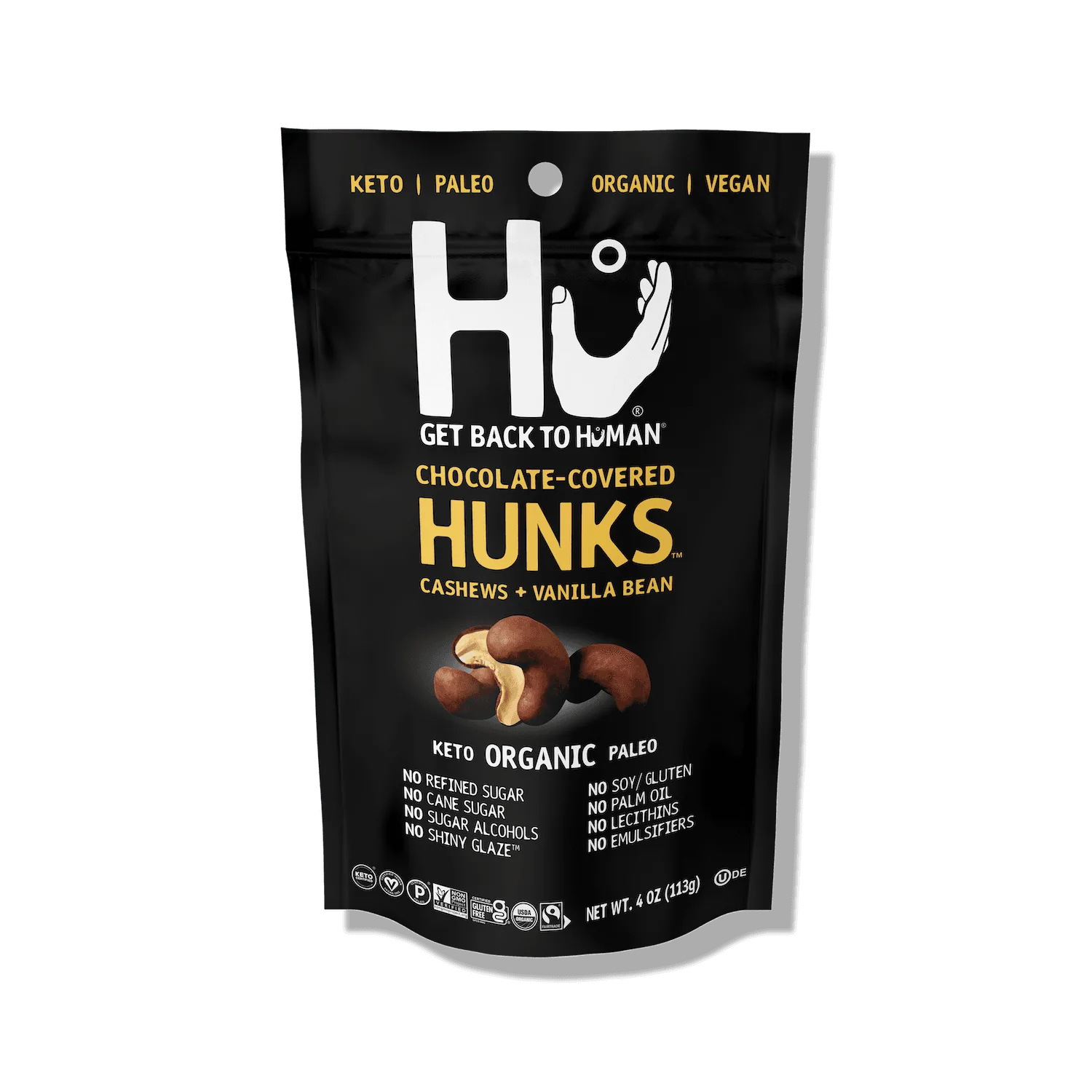
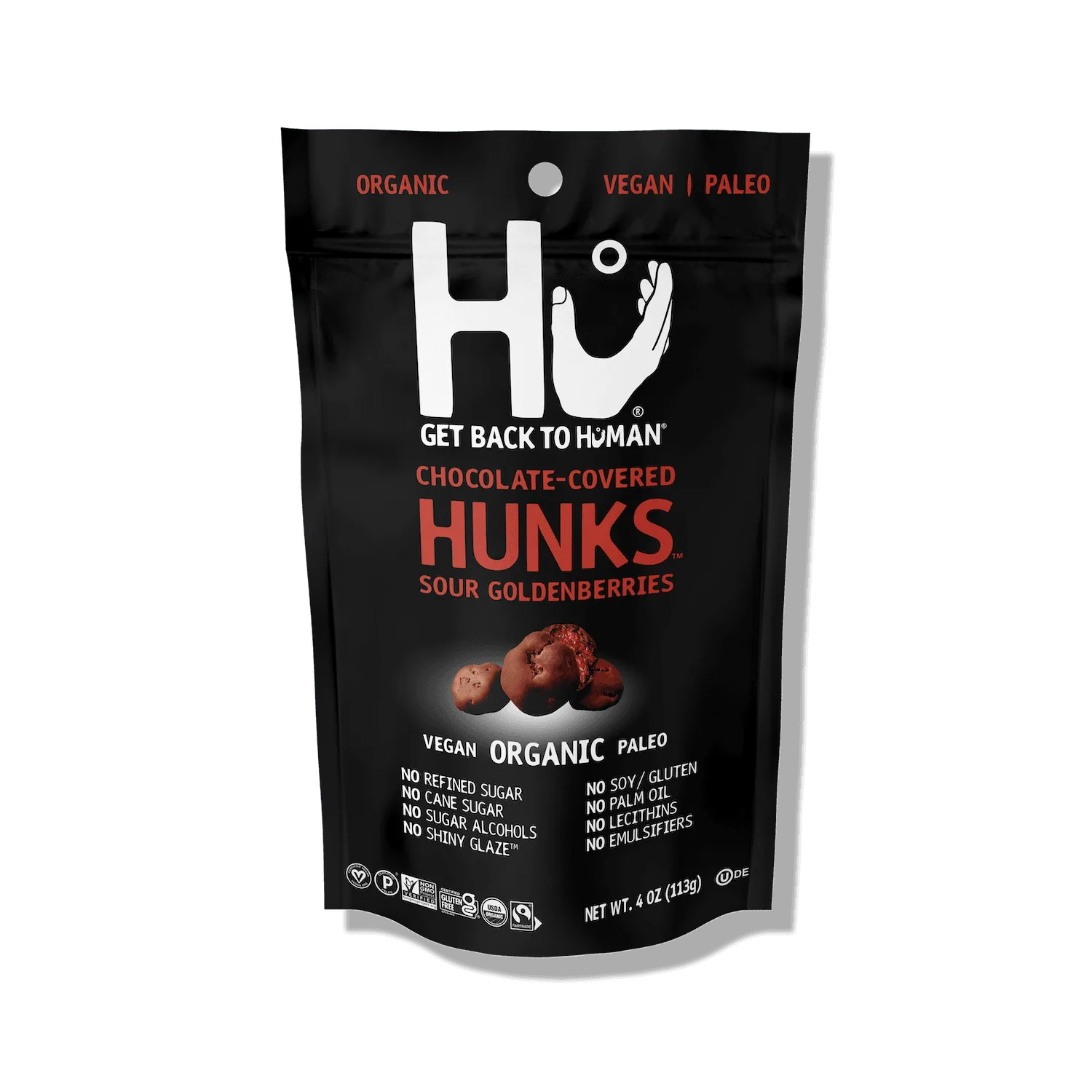
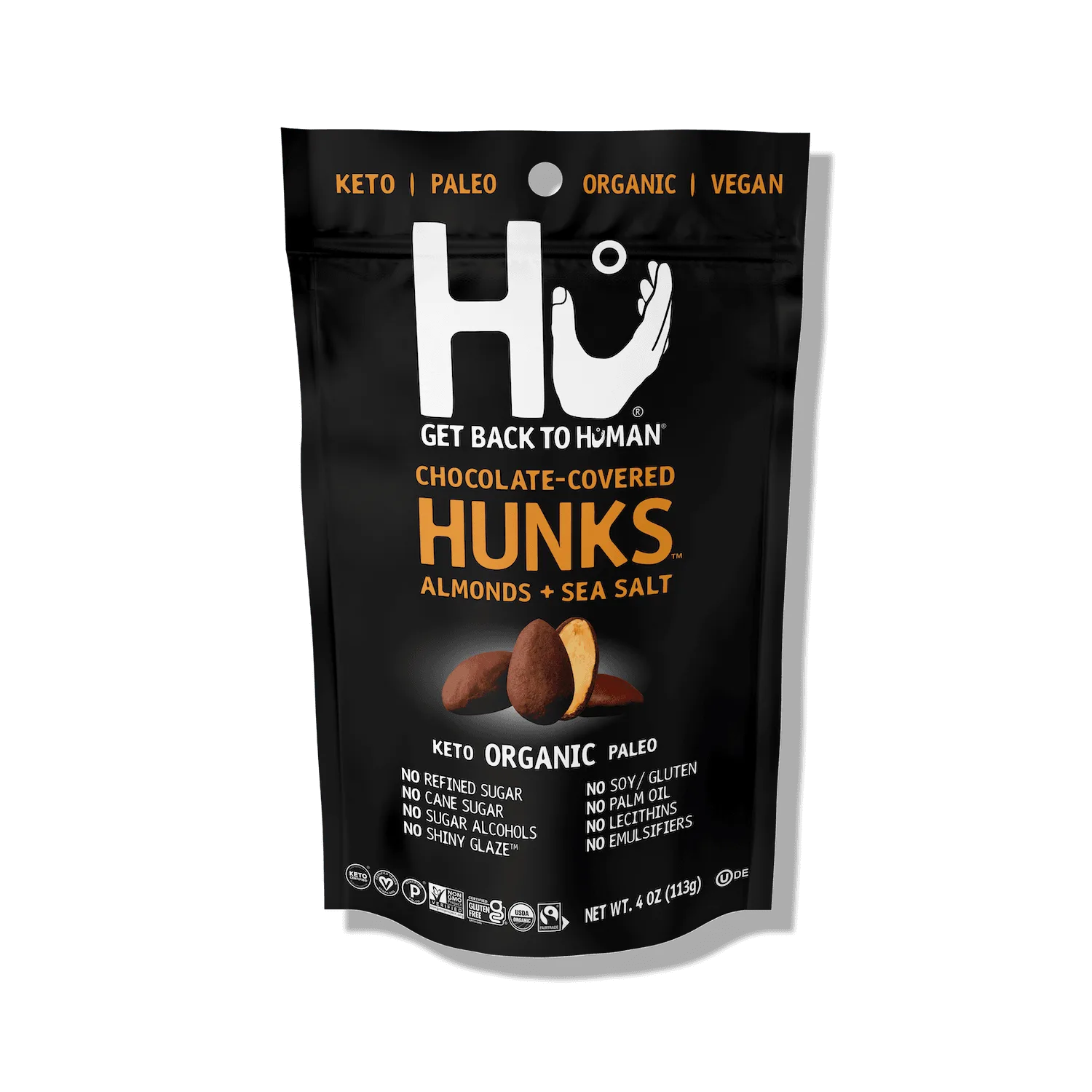
Organic supplements, such as protein powders, creatine, or concentrated dark chocolate bites, provide a streamlined way to meet specific targets. For instance, our Salty dark chocolate hunks deliver a quick dose of antioxidants and healthy fats without the bulk of a full meal. Similarly, organic creatine powders can be mixed into a post-workout shake for rapid muscle recovery. The key is choosing supplements that are minimally processed and free from synthetic additives, which aligns with the organic ethos.
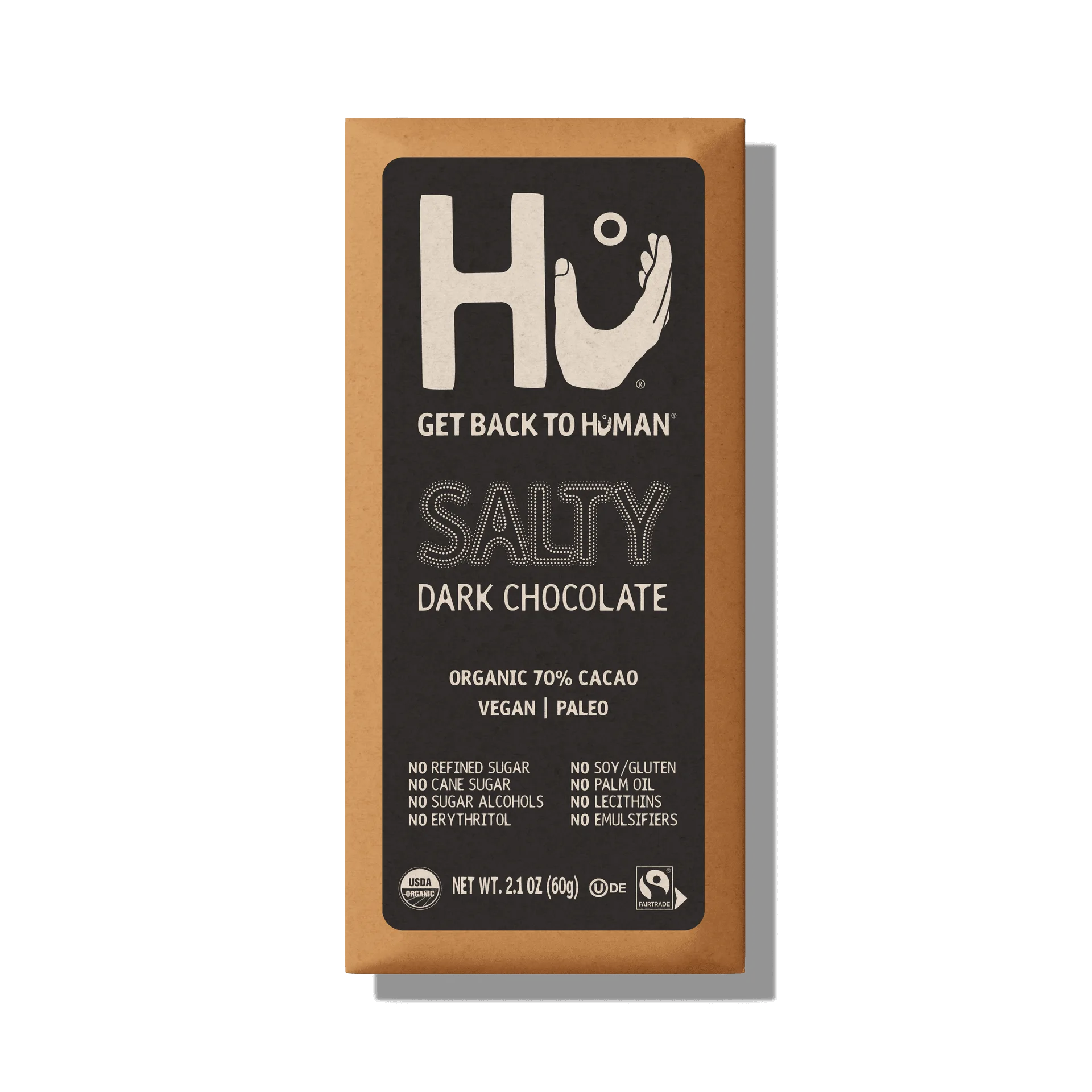
Salty
- Whole foods offer a nutrient synergy that supplements cannot fully replicate.
- Organic supplements provide targeted, high-dose nutrients in convenient forms.
- Look for supplements with transparent, organic ingredient lists to avoid hidden additives.
Absorption and Bioavailability: How Your Body Uses Nutrients
Bioavailability—the degree to which a nutrient is absorbed and utilized—varies between whole foods and supplements. Whole foods often contain compounds that enhance absorption. For example, vitamin C from organic oranges can boost iron absorption from spinach, while healthy fats in nuts improve the uptake of fat-soluble vitamins. This natural synergy is a major advantage of whole-food-based diets.
On the other hand, some supplements are designed for superior bioavailability. Organic creatine monohydrate, for instance, is one of the most researched and bioavailable forms for muscle energy. Similarly, our https://hukitchenshop.com/products/almond-crunch-coconut-flakes-45799Almond Crunch + Coconut Flakes granola provides a whole-food base that pairs well with a scoop of organic protein powder for a balanced post-workout meal. The choice often depends on the nutrient: whole foods may be better for micronutrients, while supplements excel for specific macronutrient or ergogenic needs.
- Pair whole foods with supplements to enhance overall nutrient absorption.
- For rapid recovery, consider organic creatine or protein supplements.
- Whole foods like granola can act as a carrier for supplement powders.
Convenience and Practicality for Busy Athletes
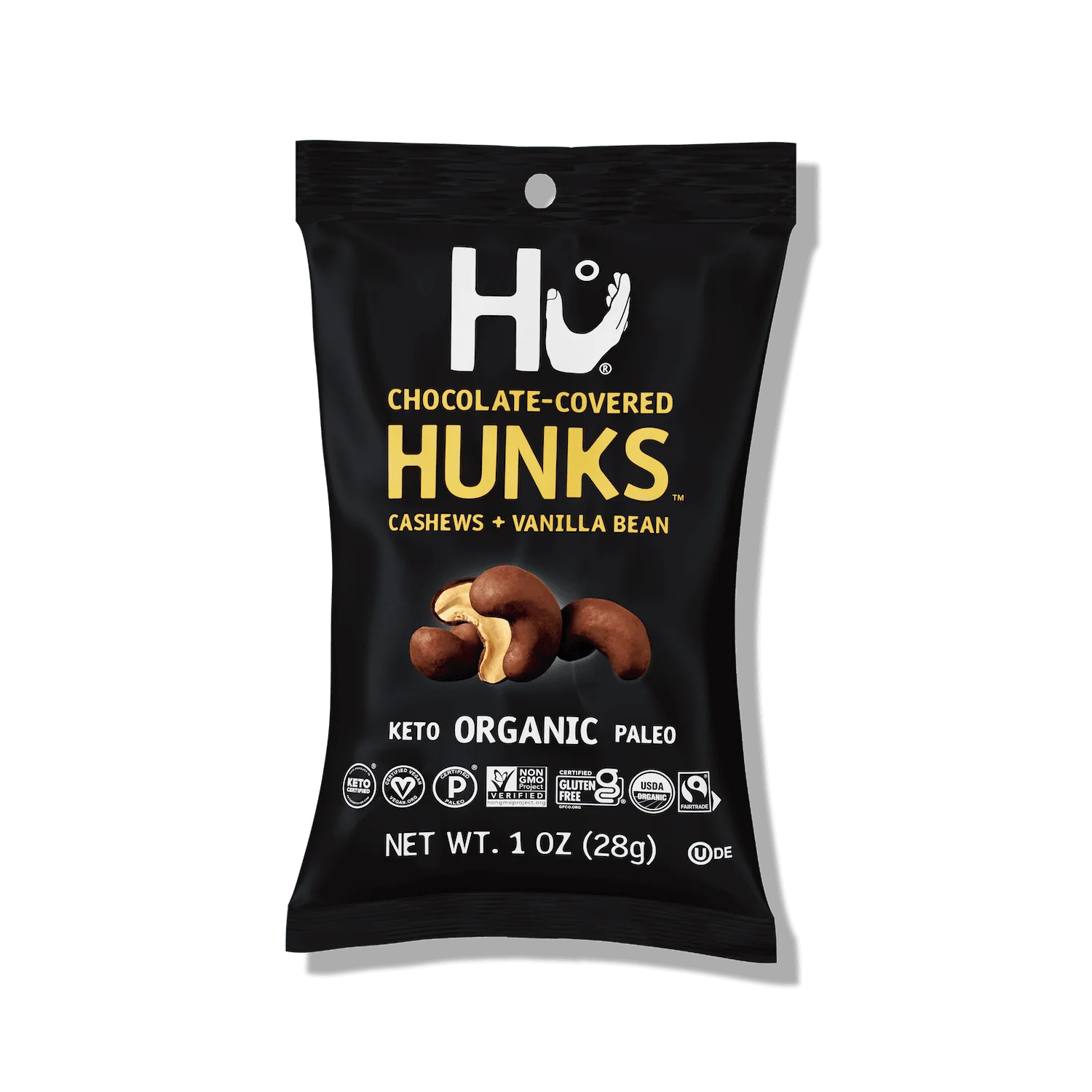
Athletes often face tight schedules between training, work, and recovery. Whole foods require shopping, preparation, and cooking, which can be time-consuming. Organic supplements, such as pre-portioned dark chocolate bites or ready-to-mix protein shakes, offer instant nutrition. For example, a pack of https://hukitchenshop.com/products/cashews-vanilla-bean-hunks-1oz-45791Cashews + Vanilla Bean Hunks - 1oz can be tossed into a gym bag for a quick, organic snack that provides protein, healthy fats, and antioxidants.
However, relying solely on supplements can lead to missing out on the diverse phytonutrients found in whole foods. A balanced approach is to use supplements as strategic tools—like organic creatine before a workout or a dark chocolate gem post-run—while building most meals around whole foods. Our Vanilla Crunch granola, for instance, can be a quick breakfast base, while a scoop of organic protein powder adds extra fuel without extra prep.
- Keep organic snack packs like hunks or bites for on-the-go nutrition.
- Use supplements to fill gaps in whole-food meals, not replace them entirely.
- Plan meals around whole foods and use supplements for timing-specific needs.
Cost and Sustainability: Making Ethical Choices
Organic whole foods can be more expensive than conventional options, but they support sustainable farming and higher nutrient density. Organic supplements, especially those with minimal processing, also come at a premium. However, investing in quality organic products—like our Cashew Butter or Hazelnut Butter + Hazelnut Crunch—ensures you avoid pesticides, GMOs, and artificial fillers that can hinder athletic performance.
From a sustainability perspective, both whole foods and supplements have environmental footprints. Whole foods often require less packaging, but supplements can reduce food waste by providing concentrated nutrients. Choosing organic, ethically sourced products from brands like Cascadian Farm Organic helps support regenerative agriculture and fair labor practices. Balancing cost with health benefits means prioritizing organic for items you consume most frequently, such as nuts, oats, and dark chocolate.
- Prioritize organic for high-consumption items like nuts, oats, and chocolate.
- Look for supplements with minimal packaging and transparent sourcing.
- Whole foods generally have a lower carbon footprint than processed supplements.
Combining Both for Optimal Athletic Performance
The best approach for most athletes is a hybrid strategy that leverages the strengths of both whole foods and organic supplements. Start with a foundation of organic whole foods—like oatmeal, fruits, vegetables, and lean proteins—to cover your micronutrient and fiber needs. Then, layer in targeted supplements to address specific demands: organic creatine for strength and power, protein powder for muscle repair, and dark chocolate for antioxidant support.
For example, a pre-workout meal could include a bowl of our Almond Butter + Almond Crunch granola with berries, providing complex carbs and healthy fats. Post-workout, a shake with organic protein and a square of our Simple dark chocolate can aid recovery while satisfying cravings. This synergy ensures you get the best of both worlds: the nutritional complexity of whole foods and the precision of supplements.
- Use whole foods as your dietary base and supplements as targeted boosts.
- Pair whole-food snacks with supplement powders for balanced meals.
- Experiment with timing: whole foods for sustained energy, supplements for acute needs.
Ultimately, organic supplements and whole foods are not rivals but complementary tools in an athlete’s nutrition arsenal. Whole foods provide irreplaceable nutrient synergy, while organic supplements offer unmatched convenience and precision. By choosing high-quality, organic options from trusted sources like Cascadian Farm Organic, you can fuel your performance naturally and sustainably. Explore our Crunchy Mint dark chocolate hunks for a refreshing post-workout treat that combines whole-food goodness with concentrated nutrition.