Quick answer
To organize your board game collection with tray variety packs, start by sorting components by type and frequency of use, then assign trays to keep them separated. Use modular trays that fit your game boxes, and label each tray for quick setup and teardown.
If your board game shelves look like a jumble of boxes with loose tokens and missing pieces, you're not alone. Keeping components organized can be a challenge, especially when games come with dozens of small bits. Tray variety packs offer a flexible solution, letting you customize storage for each game without buying expensive custom inserts.
In this guide, we'll walk through a step-by-step process to organize your collection using tray variety packs. You'll learn how to sort components, choose the right trays, and maintain your system so that game nights start faster and end with everything back in place.
Why Tray Variety Packs Work for Board Game Storage
Tray variety packs are a cost-effective way to organize board game components because they include multiple tray sizes and shapes. This flexibility means you can mix and match to fit the unique components of each game, from tiny cubes to larger miniatures. Unlike one-size-fits-all inserts, variety packs let you adapt as your collection grows or changes.
Another advantage is that trays are often stackable and modular, making them ideal for storing games with many different types of pieces. By using trays, you reduce setup time, prevent pieces from mixing, and protect components from damage. Whether you're storing a heavy strategy game or a light filler, trays help keep everything in its place.
- Tray variety packs often include both shallow and deep compartments, useful for different component sizes.
- Modular trays can be rearranged inside a box to accommodate expansions or custom layouts.
Choosing the Right Trays for Your Games
When selecting tray variety packs, consider the types of games you own. For card-heavy games, look for trays with long, narrow slots. For games with many tokens, choose trays with multiple small compartments. Also, check the dimensions of your game boxes to ensure the trays fit inside without bulging the lid.
Think about how often you play each game. For frequently played games, invest in trays that stay in the box and are easy to remove. For occasional games, you might prefer trays that can be stacked on a shelf or in a drawer. The key is to match the tray design to your storage needs and play habits.
- Measure the interior of your game boxes before buying trays to avoid fit issues.
- If you have expansions, consider trays that can be added or removed easily.
Step-by-Step Organization Process
- Sort components by type: Open each game and separate components into categories: cards, tokens, miniatures, dice, and boards. This helps you see what you're working with and decide how many trays you need. Checkpoint: You should have clear piles for each component type.
- Assess frequency of use: Identify which games you play most often. Prioritize those for tray organization first, as they will benefit the most from reduced setup time. Common mistake: Trying to organize every game at once can be overwhelming. Start with your top five.
- Select tray sizes and layout: Using a tray variety pack, choose trays that fit the dimensions of your game box. Arrange them inside the box to see if they fit without pressing the lid up. Adjust as needed. Checkpoint: The box should close flat with no bulging.
- Place components into trays: Assign each component type to a tray compartment. For example, put all coins in one compartment and all victory point tokens in another. This makes setup and cleanup intuitive. Common mistake: Overfilling compartments can make it hard to remove pieces. Leave a little space.
- Label trays or compartments: Use small labels or write on the tray with a marker to indicate what goes where. This is especially helpful if you have multiple games with similar components. Checkpoint: You can identify the contents at a glance without opening every compartment.
- Test the system and adjust: Play a game using your new tray organization. Note any friction points, such as trays that shift or components that are hard to reach. Make adjustments to the layout as needed. Final step: Once it works smoothly, apply the same process to other games in your collection.
Related Products from Stonemaier Games
- Wingspan: Wingspan is a competitive, medium-weight, card-driven, engine-building board game for 1-5 players from Stonemaier Games. It plays in 40-90 minutes. This is the current version of Wingspan, which includes the swift-start pack. Wingspan has many bird cards and tokens; using trays for the eggs and food tokens can speed up setup and keep the table tidy.
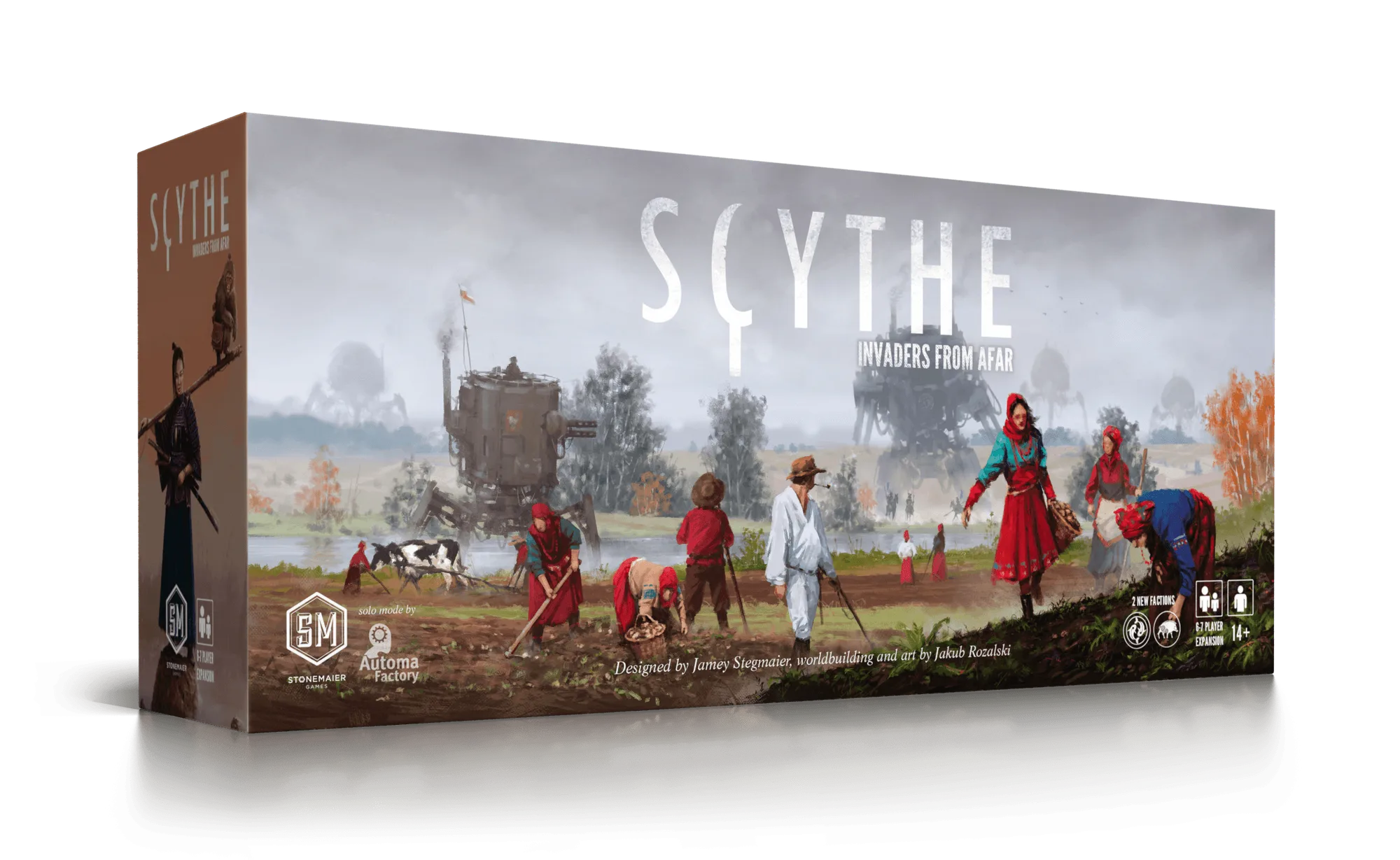
- scythe-modular-board-55612ef266fb3f64bba5497f-898200">Scythe Modular Board: The Scythe Modular Board adds a new level of variability to Scythe, with the map (double-sided board and 4 big double-sided tiles) and the faction locations (home base tiles) changing every time you play. With modular boards and tiles, trays help organize the different map tiles and faction components, making it easier to switch between configurations.
Organizing your board game collection with tray variety packs is a practical way to protect your games and speed up game nights. By sorting components, choosing the right trays, and maintaining a clear labeling system, you'll spend less time hunting for pieces and more time playing. Start with your most-played games and gradually expand your system to the rest of your shelves.