Two plant milks, two very different ingredient lists
The choice between Original Oat Milk and Whole Plant-Based Milk comes down to what you want from your pour. Original Oat Milk keeps things minimal: organic oats, filtered water, and Himalayan pink salt. Whole Plant-Based Milk takes a different route, adding protein, vitamins, and minerals to its simple organic base. Neither product contains gums, oils, or fillers, according to the supplied information. That shared clean-label approach makes the comparison less about additives and more about which base fits your daily routine.
Because the products are designed for different jobs, the better pick depends on how you plan to use them. If you want a neutral, oat-forward milk for cereal or drinking, Original Oat Milk is the straightforward choice. If you want a milk with added nutrition and a creamy body, Whole Plant-Based Milk is the stronger fit.
What each carton actually contains
-
Original Oat Milk: Just organic oats, filtered water, and Himalayan pink salt. No gums, oils, or mystery ingredients—just pure, creamy goodness that actually tastes like oats. A short ingredient list appeals to shoppers who want an oat milk that tastes like oats and avoids added vitamins or protein.
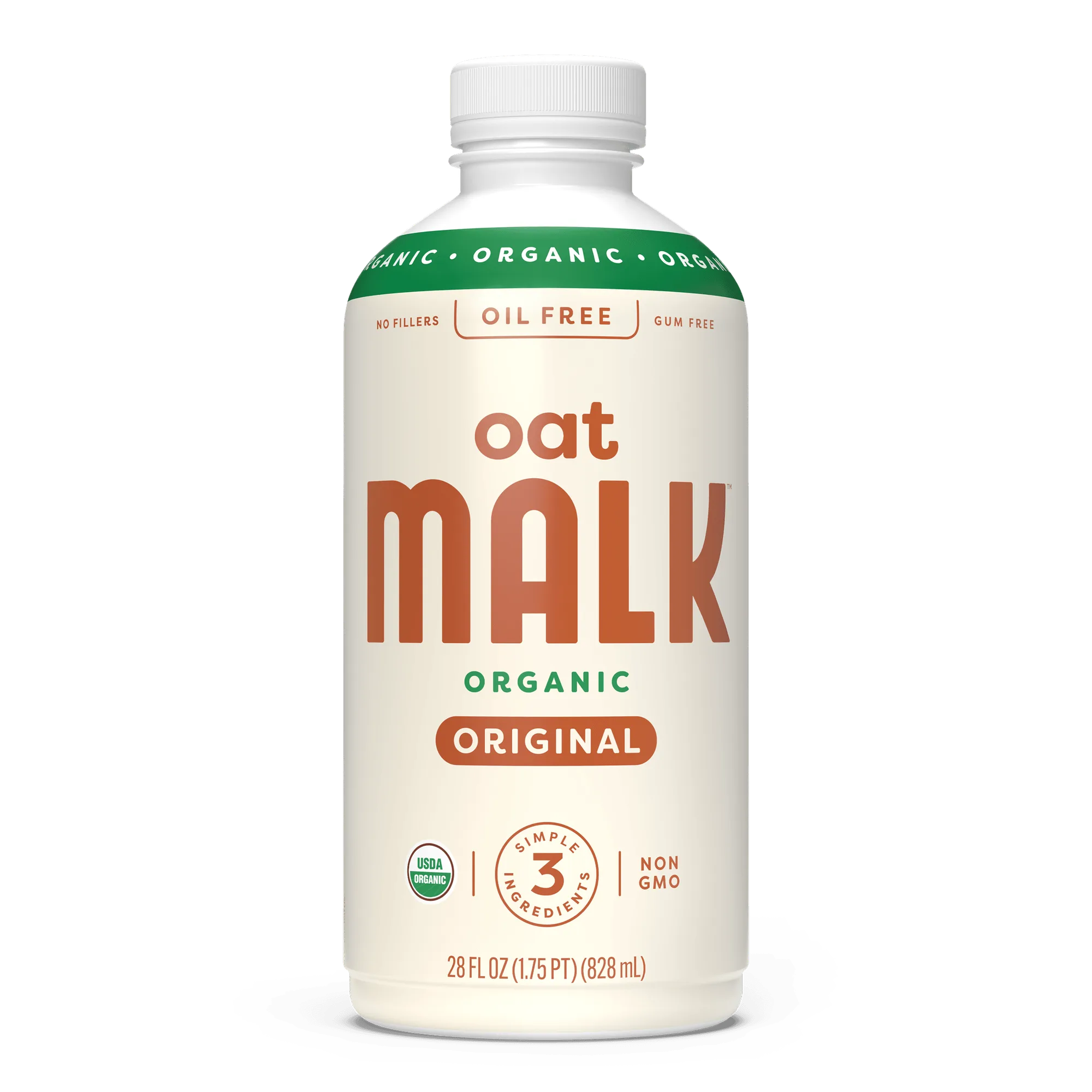
Original Oat Milk
-
Whole Plant-Based Milk: Made with simple organic ingredients plus protein, vitamins, and minerals, it delivers nutrition without complexity. The added protein, vitamins, and minerals make this a more nutrition-focused option for those who want more from their milk.
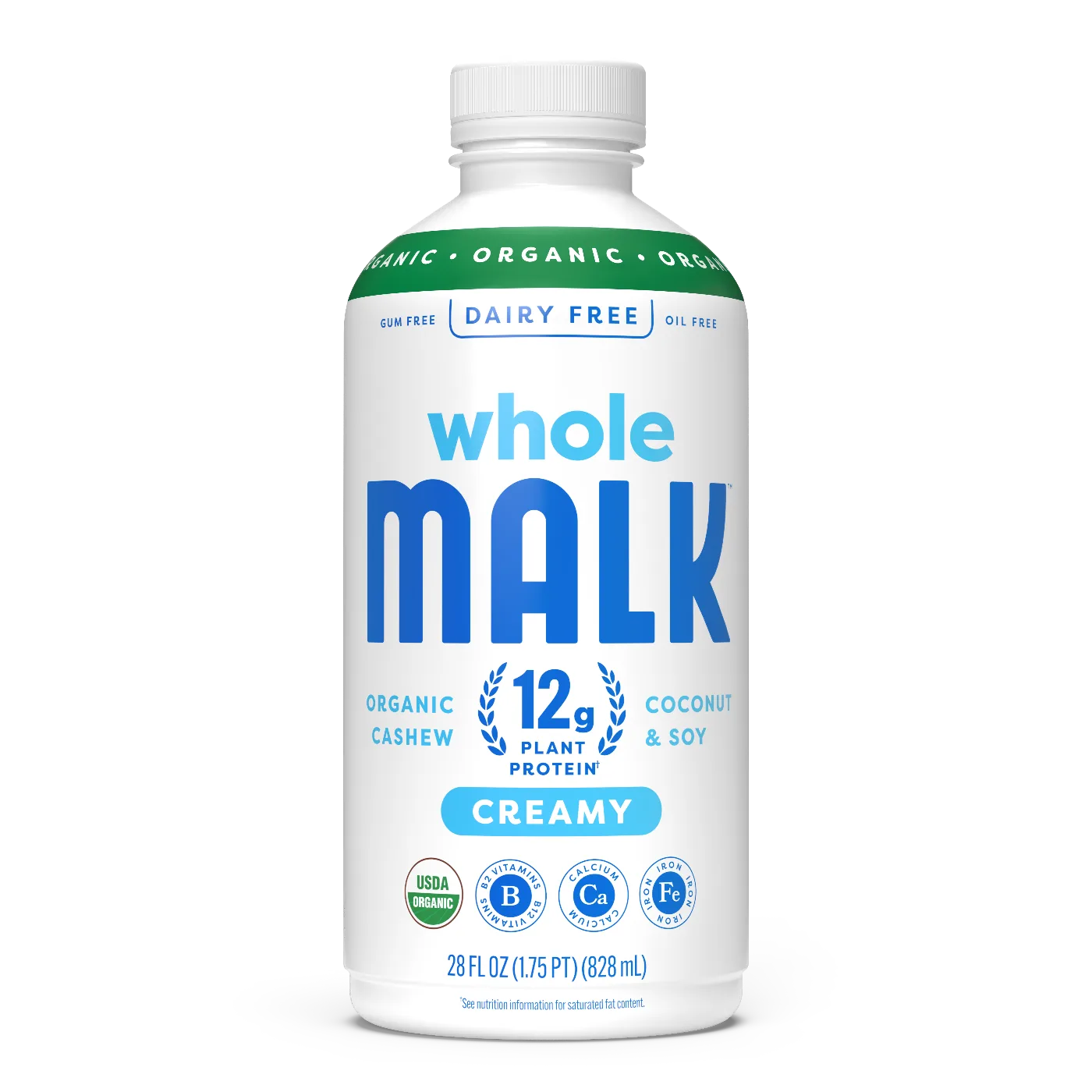
Whole Plant-Based Milk
Texture and flavor: which is creamier?
Creaminess is subjective, but the ingredient lists point to different experiences. Original Oat Milk is described as creamy and oat-forward, with a taste that reminds you it is made from oats. Whole Plant-Based Milk is positioned as a clean, creamy pour with a more neutral profile, thanks to its added protein and micronutrients. If you want a milk that disappears into coffee or cereal without calling attention to itself, Whole Plant-Based Milk is likely the better match. If you enjoy the gentle sweetness and character of oats, Original Oat Milk delivers that.
- Original Oat Milk: Oat-forward flavor with a creamy body; best when you want the milk to contribute its own taste.
- Whole Plant-Based Milk: Neutral, clean, and creamy; best when you want a milk that blends in without adding a distinct flavor.
Best uses for each
- Coffee and tea: Whole Plant-Based Milk’s neutral flavor and creamy texture make it a reliable choice for hot drinks. Original Oat Milk can also work, but its oat flavor may come through in lighter roasts or delicate teas.
- Cereal and granola: Original Oat Milk’s oat taste pairs naturally with cereal and granola, especially nutty or fruity varieties. Whole Plant-Based Milk works too, but its neutral profile adds less character.
- Smoothies: Both milks blend well. Choose Whole Plant-Based Milk if you want extra protein and vitamins in the mix; choose Original Oat Milk if you prefer a shorter ingredient list.
- Everyday drinking: Original Oat Milk is pleasant on its own if you like oat flavor. Whole Plant-Based Milk is the better sipper for those who want a more neutral, nutritionally boosted drink.
What we don’t know from the supplied information
The supplied records do not include allergen statements, full nutrition panels, or preparation and storage instructions for either product. If you have a dairy allergy or specific dietary needs, check the packaging for the most current allergen and nutrition information. Neither product’s record confirms whether it is gluten-free, so do not assume suitability without verifying the label. These gaps are not product flaws—they simply mean you should rely on the carton for definitive details.
How to decide
If you want a milk with added protein, vitamins, and minerals and a neutral, creamy texture that works across coffee, cereal, and drinking, choose Whole Plant-Based Milk. If you prefer a minimal ingredient list and the honest taste of oats, choose Original Oat Milk. Both are free from gums, oils, and fillers, so the decision rests on flavor preference and whether you want added nutrition. For a plant-based milk comparison, that is a clear and honest split.