The M1905 bayonet is one of the most iconic edged weapons of World War II, used by American forces from the early days of the war through the Pacific campaigns. Whether you are a serious collector building a period-correct impression or a reenactor looking for a functional piece of kit, choosing between an original and a reproduction M1905 bayonet can be a tough decision. Each option has its own advantages and drawbacks in terms of authenticity, cost, and durability.
In this buyer's guide, we will break down the key differences between original and reproduction M1905 bayonets, covering markings, materials, manufacturing details, and practical considerations. By the end, you will have a clear understanding of which type best fits your needs and budget, whether you are outfitting a display or heading to a reenactment event.
Understanding the M1905 Bayonet: A Brief History
The M1905 bayonet was originally adopted by the U.S. Army for use with the M1903 Springfield rifle, featuring a 16-inch blade and a distinctive hilt design. During World War II, it was also adapted for the M1 Garand, becoming one of the most widely issued bayonets of the conflict. Production spanned several decades, with major manufacturers including Springfield Armory, Rock Island Arsenal, and contracted commercial firms.
Original bayonets from the WWII era are prized for their historical authenticity, often showing period-correct parkerized finishes, stamped markings, and wooden or composition grips. Reproductions, on the other hand, are modern-made copies that aim to replicate the look and feel of the originals at a lower price point, but may differ in subtle ways that matter to collectors.
- Original M1905 bayonets may have visible arsenal stamps, date codes, and inspector marks that add historical value.
- Reproductions often use more uniform steel and may lack the patina or wear patterns of genuine WWII pieces.
Key Differences: Original vs Reproduction M1905 Bayonets
When comparing original and reproduction M1905 bayonets, the most noticeable differences lie in the markings, blade finish, and grip materials. Original bayonets typically feature clear stampings on the ricasso, such as 'U.S.' and 'M1905' along with a manufacturer code and year of production. The blade finish is usually a dark gray-green parkerizing that may show signs of age, while the grips are often made from walnut or early plastic compositions.
Reproduction bayonets are generally made from modern steel with a more consistent parkerized finish, but they often lack the crisp detail of original markings. Some reproductions may have simplified or inaccurate stampings, and the grips might be made from a single piece of synthetic material rather than the two-piece construction found on originals. Additionally, the fit to the rifle's bayonet lug can vary, with some reproductions requiring minor adjustments.
- Check for a visible 'U.S.' stamp and a two-digit year code (e.g., '43' for 1943) on the blade near the hilt.
- Original grips often have a slight gap between the two halves; reproductions may be seamless or poorly fitted.
Practical Considerations for Reenactors and Collectors
For reenactors who need a bayonet that can withstand field use, a reproduction M1905 bayonet is often the more practical choice. It is less expensive, meaning you can afford to use it without worrying about damaging a valuable antique. Reproductions also tend to be sharper and more durable for cutting or other activities, though many reenactors prefer to keep them dulled for safety. If you are building a display or a museum-grade collection, an original bayonet is almost always preferred for its historical integrity and investment potential.
When shopping, pay attention to the scabbard as well. Original M1905 scabbards were made from steel with a parkerized finish, while reproductions may use painted steel or even plastic. The fit of the bayonet into the scabbard should be snug but not overly tight. If you are pairing the bayonet with a specific rifle, test the fit if possible, as some reproductions may not lock securely onto reproduction M1 Garands or M1903 rifles.
- Reproduction bayonets are typically available for $30–$60, while originals can range from $100 to $300+ depending on condition and rarity.
- Always inspect the locking mechanism: original bayonets have a spring-loaded catch that should engage firmly with the rifle's bayonet lug.
Where to Find Quality M1905 Bayonets and Accessories
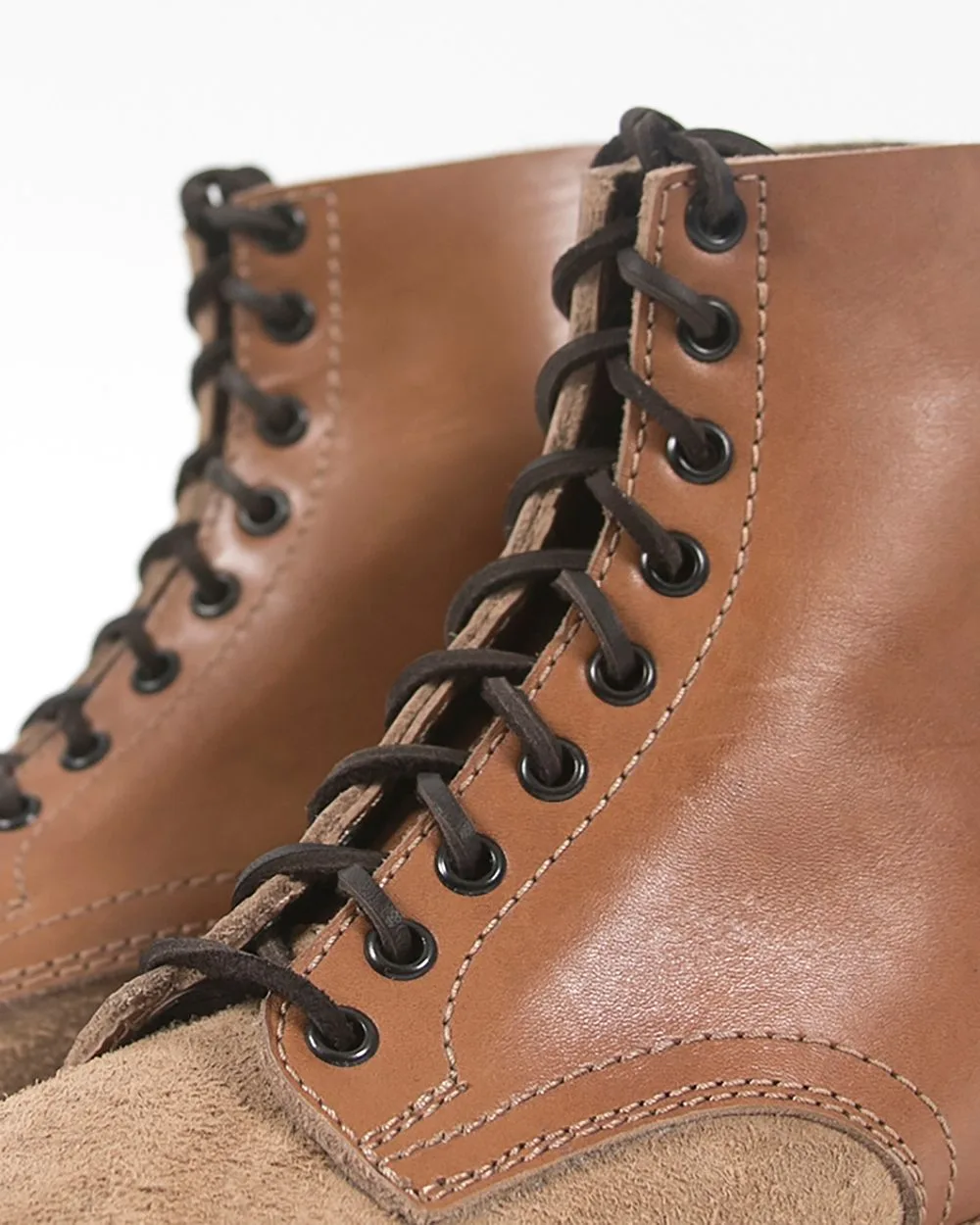
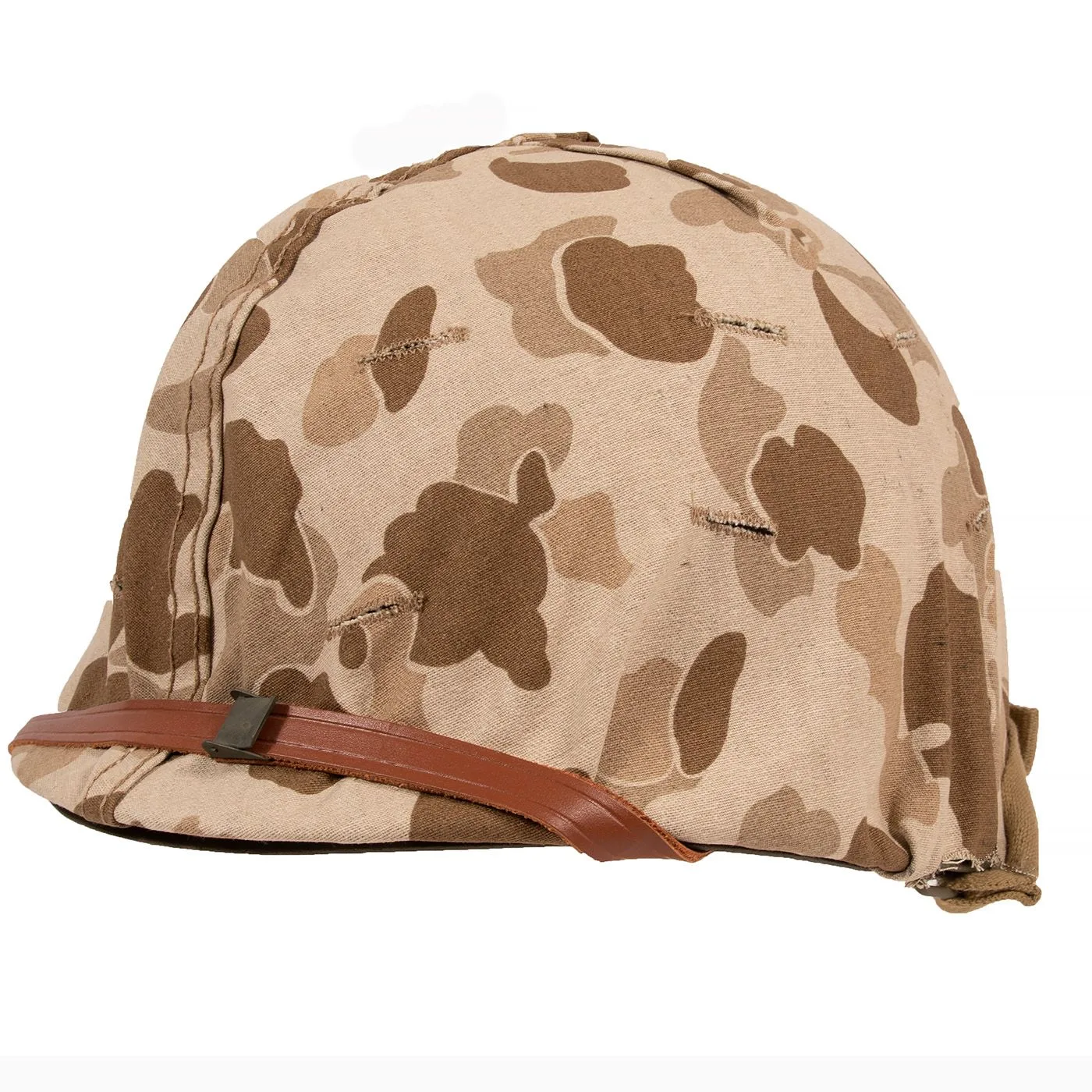
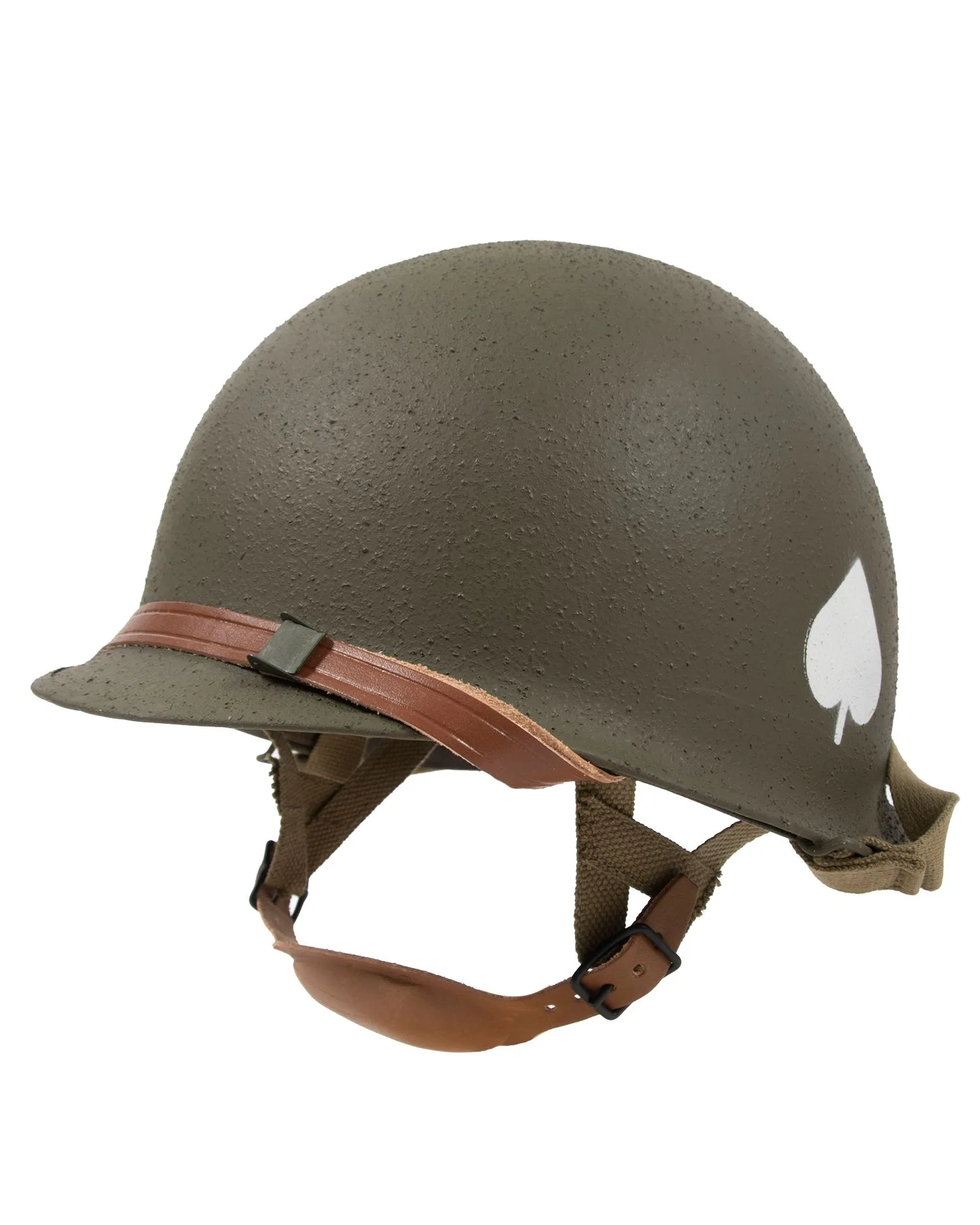
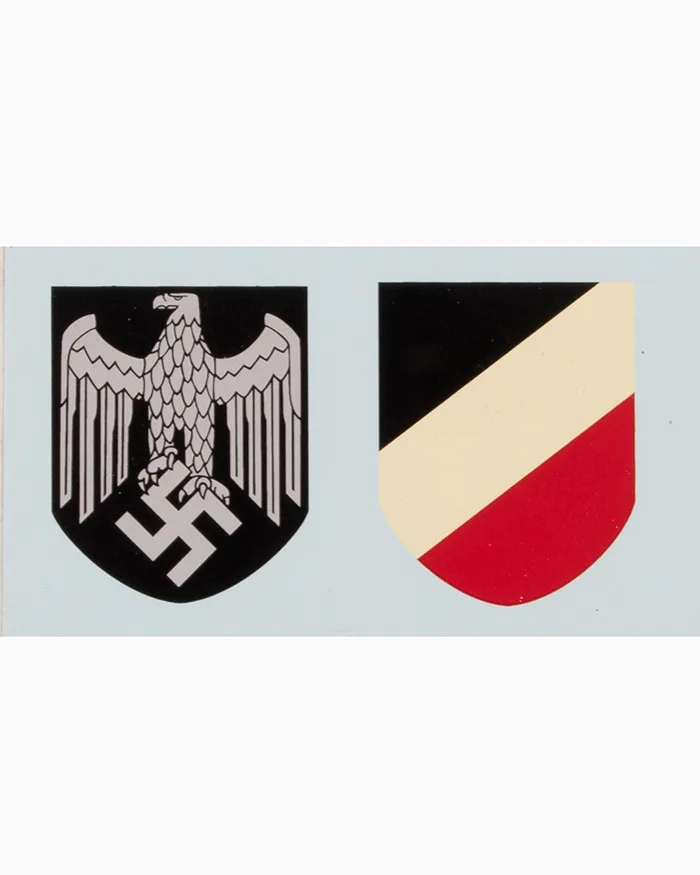
Whether you decide on an original or a reproduction, sourcing from reputable dealers is key to avoiding fakes or poor-quality items. At The Front offers a curated selection of WWII-era gear and accessories that can complement your bayonet purchase. For example, pairing your bayonet with a proper https://wildernessworks.shop/products/m1-helmet-wwii-parts-99258https://wildernessworks.shop/products/m1-helmet-wwii-parts-99285M1 Helmet WWII Parts set or a pair of Low Quarter Shoes can complete your impression. If you are outfitting a full kit, consider adding a M1936 Suspender, Made in USA for authentic web gear support.
Additionally, maintaining your bayonet and other leather or metal gear is essential. A product like Griffin Shoe Polish, Brown can be used to condition leather scabbards and straps, while also protecting the finish of your bayonet's scabbard. For collectors, storing the bayonet in a dry environment with a light coat of oil will prevent rust and preserve its value.
- Look for bayonets with matching scabbards to ensure proper fit and authenticity.
- If you are a reenactor, check event regulations—some may require bayonets to be dull or have a blunted tip.
Choosing between an original and reproduction M1905 bayonet ultimately depends on your goals: authenticity for collectors, or affordability and durability for reenactors. Whichever you pick, make sure it fits your rifle and complements your kit. Explore our selection of WWII gear, including the M1 Helmet WWII Parts and other essential items, to build a complete impression that honors the past.