Two Breeds, Two Different Buying Stories
The Orlov Trotter and Friesian Gelding figures both represent real horse breeds, but the catalog tells very different stories about each. One is a Russian trotter valued for toughness and endurance; the other is a Dutch breed known for graceful movement despite a draft-like build. Knowing which story fits your shelf or play scene is the first step.
This comparison sticks to what the supplied product records confirm. Where the catalog is silent—such as exact dimensions, paint details, or pose—we say so rather than guess. That way you can weigh the evidence you actually have.
What the Catalog Confirms About the Orlov Trotter
-
Orlov Trotter: Orlov trotter is the oldest and most popular "stud" breed in Russia. If you want a figure with a clear historical breed identity, the Orlov carries a strong Russian heritage story.
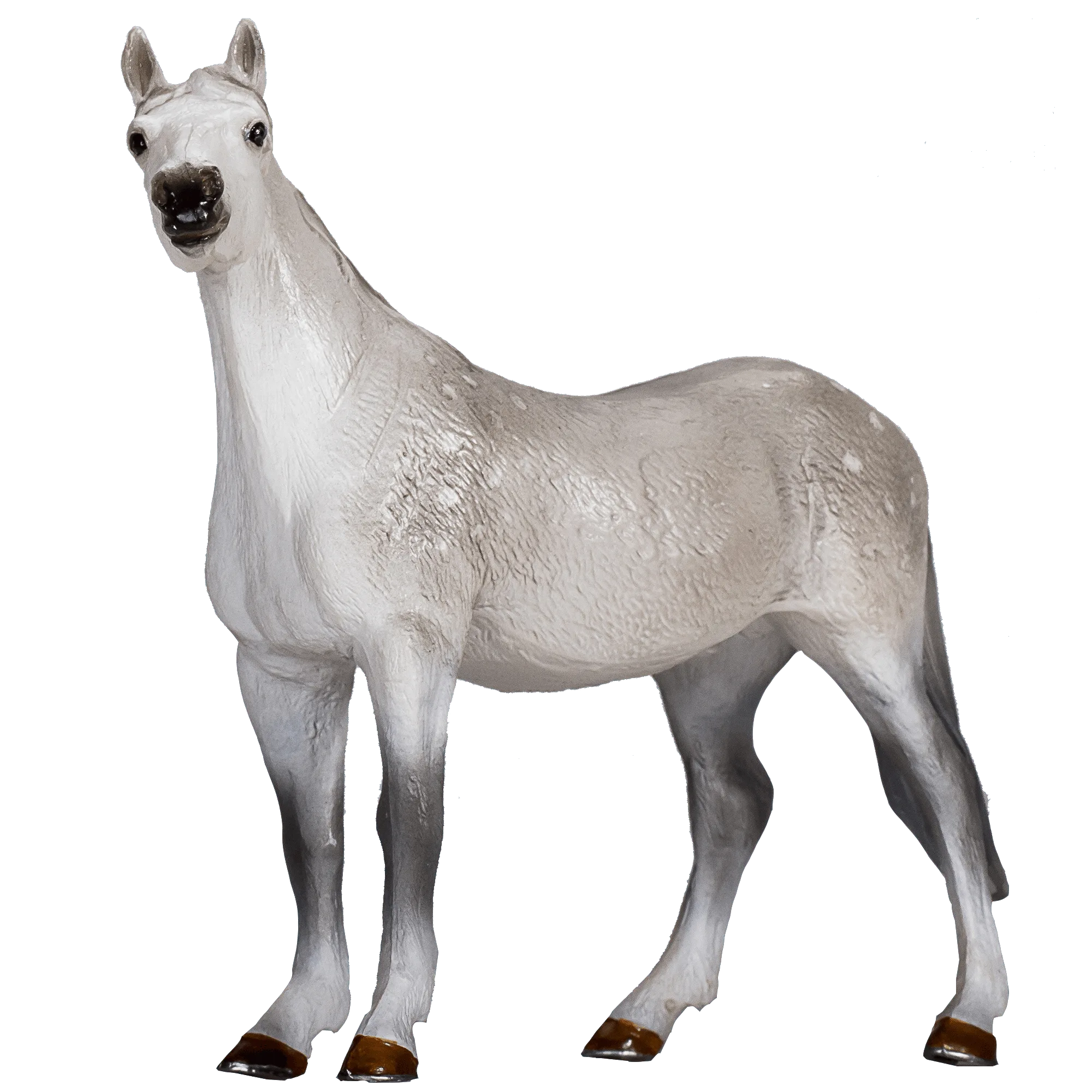
Orlov Trotter
-
Orlov Trotter: Orlovs are not as fast as the Standardbred and French trotters, but are more robust, massive, endurable, sure footed, strong, and tough. This tells you the breed is built for durability rather than pure speed—useful if you prefer a sturdy, workmanlike horse in your collection.
-
Orlov Trotter: Their trotting action is more impressive. The breed is known for a showy trot, which may appeal if you display figures in a dynamic or performance-themed scene.
What the Catalog Confirms About the Friesian Gelding
-
Friesian Gelding: The Friesian (also Frizian) is a horse breed originating in Friesland, in the Netherlands. The Friesian offers a distinct Dutch origin, giving your collection a different European breed story from the Russian Orlov.
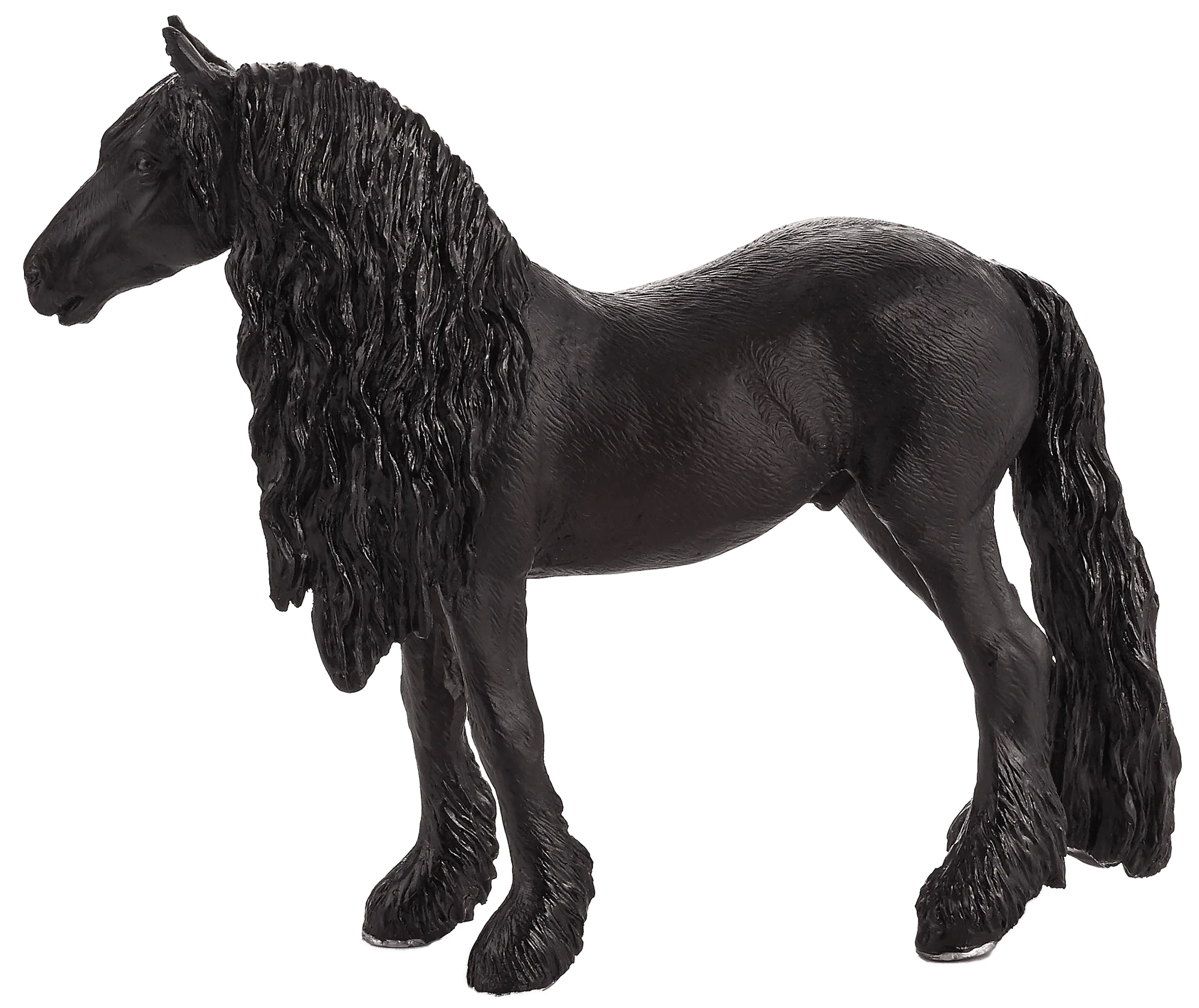
Friesian Gelding
-
Friesian Gelding: Although the conformation of the breed resembles that of a light draught horse, Friesians are graceful and nimble for their size. This combination of draft-like build and surprising agility may suit collectors who want a horse that looks powerful yet elegant.
-
Friesian Gelding: It is believed that during the Middle Ages, ancestors of Friesian horses were in great demand as war horses throughout continental Europe. The historical war-horse connection adds depth if you enjoy figures with a backstory beyond their appearance.
Orlov Trotter vs Friesian Gelding at a Glance
Use this side-by-side to match each breed's confirmed traits to your own display or play priorities.
- Breed origin: Orlov Trotter: Russia's oldest and most popular stud breed. Friesian Gelding: Friesland, Netherlands.
- Build and movement: Orlov: robust, massive, endurable, sure-footed, strong, tough, with an impressive trot. Friesian: draft-like conformation but graceful and nimble for its size.
- Historical note: Orlov: valued in Russia as an improver of local breeds. Friesian: ancestors were sought as war horses in medieval Europe.
- Catalog price: Orlov Trotter: USD 5.75 (comparison price USD 8.45). Friesian Gelding: USD 5.92 (comparison price USD 8.45).
Which Figure Fits Your Shelf or Play Scene?
Choose the Orlov Trotter if you want a figure that embodies toughness and a distinctly Russian breed heritage. Its confirmed traits—robust, massive, sure-footed—suggest a solid, grounded presence that could anchor a farm or working-horse display. The impressive trot also makes it a candidate for a dynamic pose, though the catalog does not specify the figure's actual pose.
Choose the Friesian Gelding if you prefer a horse that looks like a light draft animal but is described as graceful and nimble. That contrast gives it a versatile character for display scenes that mix power and elegance. The medieval war-horse backstory may also appeal if you like talking points with your models.
Both are realistic horse figures at a similar catalog price, so the decision comes down to breed story and the traits you want to highlight—not a major cost difference.
What the Catalog Does Not Tell You
The supplied records do not include dimensions, scale, weight, paint finish, pose, or material details for either figure. They also do not list care instructions or safety age ranges. That means you cannot compare exact size or confirm whether either model is suitable for a particular child's age based on this evidence alone.
If those details matter for your purchase—especially for young children—check the product page or packaging before buying. The absence of this information in the catalog is a limitation of the records, not a statement that the figures lack those features.
A Simple Way to Decide
If you are still torn, run through these three questions in order.
- Do you want a breed with a Russian heritage story?: The Orlov Trotter is the oldest and most popular stud breed in Russia, with a reputation for toughness and an impressive trot.
- Do you prefer a Dutch breed with a draft-like but graceful look?: The Friesian Gelding combines light-draught conformation with confirmed grace and nimbleness, plus a medieval war-horse connection.
- Are you comparing on price alone?: At USD 5.75 vs USD 5.92, the difference is small; let the breed traits and story guide you instead.