When your dog starts slowing down on walks, hesitates before jumping on the couch, or seems stiff after naps, it's a clear sign their joints need extra support. Choosing the right bed can make a world of difference in managing arthritis, hip dysplasia, or general age-related discomfort. Two of the most popular options are orthopedic dog beds and memory foam dog beds, but they are not the same thing.
In this guide, we break down the key differences between orthopedic and memory foam dog beds, explain how each supports joint health, and help you decide which is the best investment for your furry friend. We'll also highlight a few complementary products from Maxbone that can enhance your dog's comfort and well-being.
What Is an Orthopedic Dog Bed?
An orthopedic dog bed is specifically designed to support a dog's joints, bones, and muscles. It typically uses high-density foam that contours to the dog's body while providing firm, even support. The goal is to reduce pressure points, improve circulation, and prevent painful sinking that can aggravate conditions like arthritis or hip dysplasia. Many orthopedic beds also feature a supportive base layer and a softer top layer for comfort.
These beds are ideal for senior dogs, large breeds prone to joint issues, and dogs recovering from surgery or injury. They help maintain proper spinal alignment and can significantly reduce morning stiffness. When shopping, look for beds with CertiPUR-US certified foam and removable, washable covers for hygiene.
- Look for high-density foam that doesn't lose shape quickly.
What Is a Memory Foam Dog Bed?
Memory foam dog beds use viscoelastic foam that responds to heat and pressure, molding precisely to your dog's body shape. This creates a 'hug-like' feel that distributes weight evenly and reduces pressure on sore joints. Memory foam is often used in human mattresses for its ability to relieve pain, and the same principles apply to dogs.
However, not all memory foam is created equal. Some cheaper beds use low-density foam that degrades quickly. Quality memory foam dog beds have a thicker layer (2-3 inches) and are often combined with a supportive base. They are excellent for dogs that like to burrow or curl up, as the foam conforms to their sleeping position. Keep in mind that memory foam can retain heat, so look for gel-infused or cooling options for warmer climates.
- Memory foam beds are great for dogs that sleep in one position for long periods.
Orthopedic vs. Memory Foam: Key Differences for Joint Health
The main difference lies in how each type supports joints. Orthopedic beds provide firm, consistent support that prevents the dog from sinking too deep, which is crucial for maintaining spinal alignment. Memory foam, on the other hand, offers pressure relief by contouring to the body, which can be more comfortable for dogs with localized pain points.
For dogs with severe arthritis or hip dysplasia, an orthopedic bed is often recommended because it offers more structured support. For dogs with general stiffness or mild joint issues, a memory foam bed may be sufficient and more comfortable. Many premium beds combine both technologies: a supportive orthopedic base with a memory foam topper. Ultimately, the best choice depends on your dog's size, age, sleeping style, and specific health needs.
- Consider your dog's weight: heavier dogs often need firmer orthopedic support.
How to Choose the Right Bed for Your Dog
Start by observing your dog's sleeping habits. Do they stretch out, curl up, or lean against something? Stretchers need a larger, flat surface, while curlers prefer bolstered beds. Next, consider their health status. If your dog has been diagnosed with joint issues, consult your veterinarian for a recommendation. Also, factor in your home environment: memory foam can be warmer, so if your dog tends to overheat, choose a bed with cooling properties.
Beyond the bed itself, you can support your dog's joint health with regular gentle exercise, a healthy diet, and supplements like glucosamine. Grooming also plays a role: keeping your dog's coat clean and free of mats reduces skin irritation and allows for better temperature regulation. For example, using a quality brush like the Coat Therapy Brush can help stimulate circulation and keep your dog comfortable.
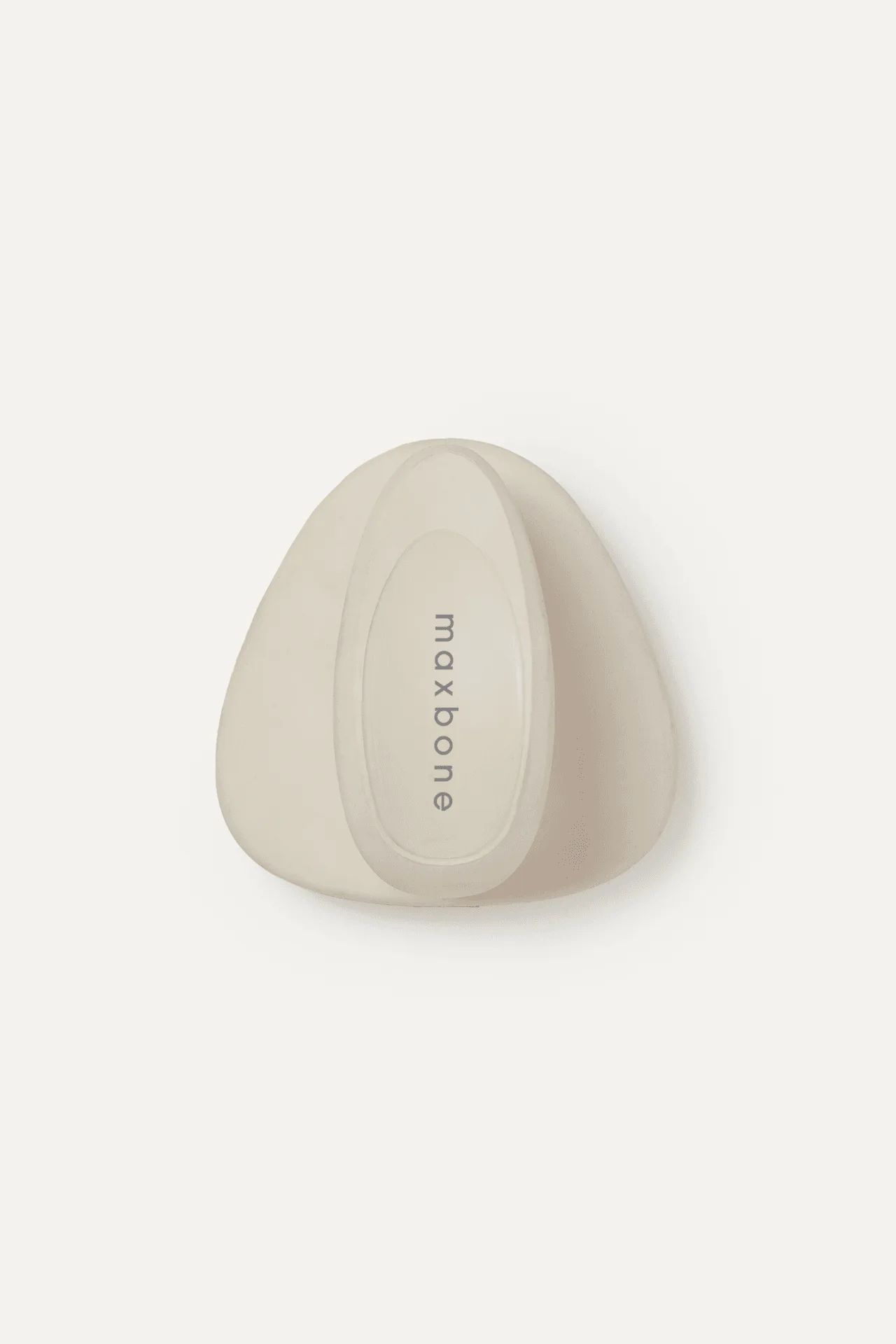
Coat Therapy Brush
- Measure your dog from nose to tail and add 6-12 inches for the ideal bed size.
Complementary Products for Joint Health and Comfort
While a good bed is foundational, other products can enhance your dog's joint health and overall well-being. For instance, regular grooming with a soothing product like Calming Shampoo can relax muscles and reduce stress, which indirectly supports joint comfort. The gentle massage action of a Deep Cleanse Shampoo Dispensing Brush can also improve blood flow to the skin and underlying tissues.
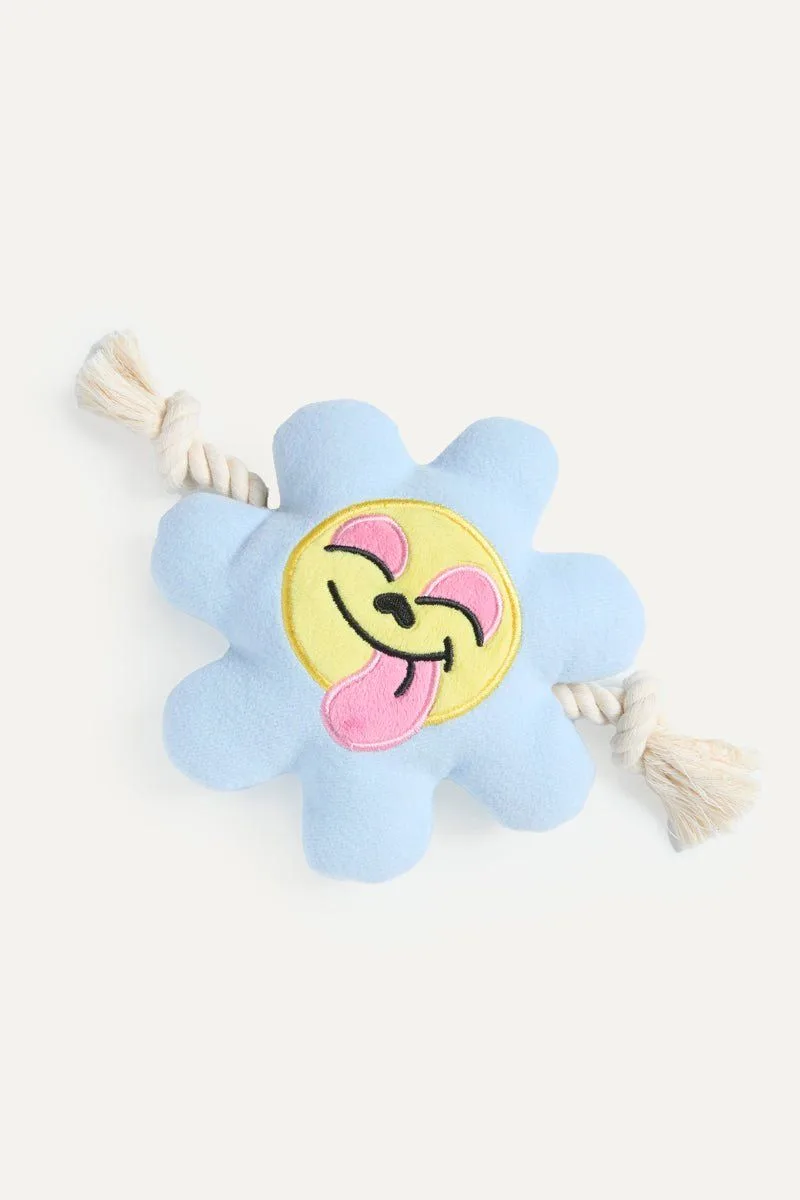
Additionally, interactive toys like the Honeycomb Balance Toy encourage gentle movement and mental stimulation, which is important for dogs with limited mobility. Treats like Harvest Beef Freeze Dried Treats are a healthy, high-protein reward that won't add unnecessary weight to sore joints. Combining these with the right bed creates a holistic approach to your dog's joint health.
- Always consult your vet before starting new supplements or treatments.
Final Verdict: Which Is Better?
There is no one-size-fits-all answer. For most dogs with joint concerns, a high-quality orthopedic dog bed is the safer choice because it offers consistent, firm support. However, if your dog has mild discomfort and loves to sink into a soft surface, a memory foam bed can be equally beneficial. The best approach is to look for a bed that combines both features: a supportive orthopedic base with a memory foam layer.
Remember that a bed is just one piece of the puzzle. Regular vet check-ups, a balanced diet, and appropriate exercise are essential for managing joint health. By investing in the right bed and complementary products, you can help your dog enjoy more comfortable, pain-free days.
Choosing between an orthopedic and memory foam dog bed doesn't have to be overwhelming. Focus on your dog's specific needs, and don't hesitate to invest in quality. To support your dog's joint health even further, explore the Maxbone collection of grooming tools, toys, and treats designed with your pet's comfort in mind. Start by checking out the Honeycomb Balance Toy to add a fun, low-impact activity to your dog's routine.