Quick answer
For thermowood decks, Osmo Thermowood Decking Oil provides superior protection because it is specifically formulated for heat-treated timber, penetrating deep to create a water-repellent barrier. Traditional deck stains may not adhere as well or flex with the wood's natural movement, leading to peeling and cracking. Choose Osmo for long-lasting durability and minimal maintenance.
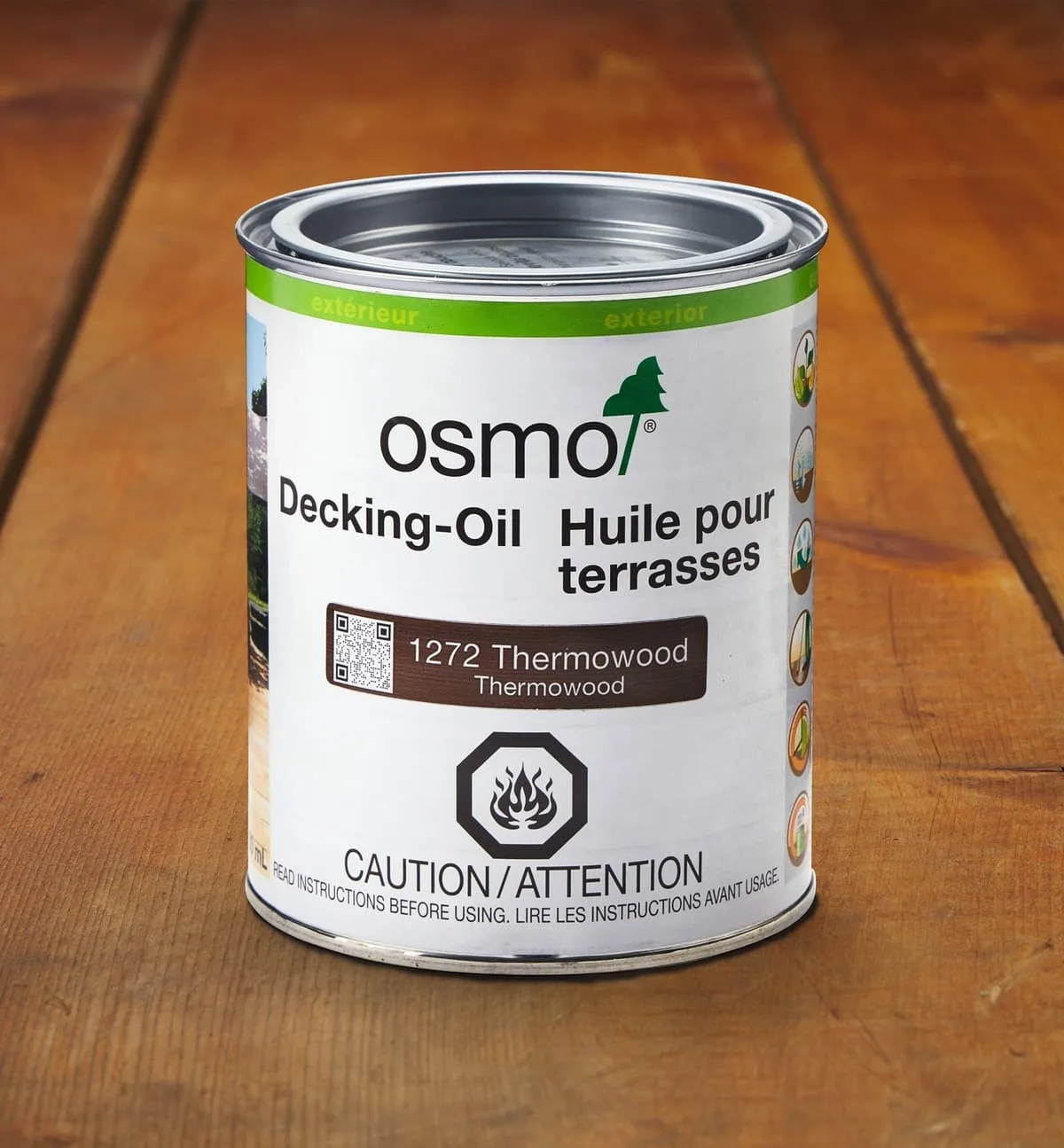
Osmo Thermowood Decking Oil
When it comes to protecting your outdoor deck, the choice between a specialized oil and a traditional stain can be confusing. Thermowood, a heat-treated timber known for its stability and resistance to rot, requires a finish that understands its unique properties. In this comparison, we'll pit Osmo Thermowood Decking Oil against conventional deck stains to see which offers better protection and longevity.
We'll examine key factors like penetration, flexibility, UV resistance, and ease of maintenance, so you can make an informed decision for your deck. Whether you're a homeowner or a professional, understanding these differences is crucial for preserving the beauty and structural integrity of your outdoor space.
Understanding Thermowood and Its Finishing Needs
Thermowood is produced by heating wood to high temperatures (180-215°C) in a controlled process that alters its chemical structure. This treatment enhances dimensional stability, reduces moisture absorption, and increases resistance to decay. However, the heat treatment also makes the wood more porous and prone to UV damage if not properly finished.
Traditional deck stains are typically designed for standard softwoods and hardwoods. They form a film on the surface that can crack and peel as the wood expands and contracts. For thermowood, which still moves with humidity changes, a film-forming stain may not be the best choice. Instead, a penetrating oil that soaks into the wood fibers offers flexible protection that moves with the deck.
- Thermowood's stability reduces warping but doesn't eliminate the need for a breathable finish.
- Look for finishes that offer UV protection to prevent graying and surface degradation.
Osmo Thermowood Decking Oil: A Tailored Solution
Osmo Thermowood Decking Oil is specifically developed for thermowood, making it a standout choice. Its formula penetrates deep into the wood, providing a durable, water-repellent coating that resists weathering and wear. Unlike film-forming stains, this oil allows the wood to breathe, reducing the risk of peeling and cracking.
The oil enhances the natural beauty of thermowood, bringing out its rich, warm tones while offering protection against moisture and UV rays. It's easy to apply with a brush or roller, and maintenance is simple: a light cleaning and re-oiling every 1-2 years keeps the deck in top condition.
- Deep penetration means better protection against moisture ingress.
- Water-repellent properties help prevent mold and mildew growth.
Traditional Deck Stains: Familiar but Flawed for Thermowood
Traditional deck stains, whether oil-based or water-based, are designed to add color and protection to standard wood decks. They often contain pigments that block UV rays and form a protective layer on the surface. However, this film can be brittle, especially on thermowood, which has a different surface texture and porosity.
Over time, exposure to sun and rain can cause the stain to peel, crack, or blister. Reapplication requires stripping the old finish, which is labor-intensive and can damage the wood. While stains offer a wide range of colors, they may not provide the same level of penetration and flexibility that thermowood needs.
- Film-forming stains may not adhere well to thermowood's smooth, heat-treated surface.
- Frequent maintenance and stripping are common drawbacks.
Trade-offs to consider
- Penetration vs. surface coating: Osmo oil penetrates deeply, protecting from within, while traditional stains form a surface film that can peel. For thermowood, deep penetration is key to preventing moisture damage.
- Flexibility vs. rigidity: Oil finishes flex with the wood's natural movement, whereas stains can crack under stress. Choose oil for decks in climates with significant temperature swings.
- Maintenance ease: Re-oiling is simpler than stripping and restaining, saving time and effort. Low maintenance is a major advantage for busy homeowners.
Product facts at a glance
- Osmo Thermowood Decking Oil: Osmo Thermowood Decking Oil is a specially formulated finish designed to protect and enhance the natural beauty of thermowood decking. This oil penetrates deep into the wood, providing a durable, water-repellent coating that helps resist weathering and wear. Deep penetration ensures long-lasting protection against moisture and UV damage, reducing the need for frequent reapplication.
- Allbäck Antique Gold Linseed Oil Paint: Allbäck Antique Gold Linseed Oil Paint offers a rich, antique gold hue for your woodworking and finishing projects. This oil-based paint is designed to provide a durable, traditional finish that enhances the natural beauty of wood. While not a deck oil, this linseed oil paint demonstrates the value of oil-based finishes for wood protection, offering a durable alternative for interior or exterior wood surfaces.
Which should you choose?
Best for
- Homeowners with thermowood decks who want long-lasting, low-maintenance protection.
- Those who prefer a natural, wood-enhancing finish that allows the timber to breathe.
Not for
- Decks made of standard softwoods or hardwoods that require a colored, film-forming stain.
- Projects where a specific color match is needed, as oils offer limited tint options.
In the battle of Osmo Thermowood Decking Oil vs. traditional deck stains, the oil clearly wins for thermowood decks. Its tailored formulation, deep penetration, and flexibility provide superior protection against the elements. If you're ready to give your deck the care it deserves, explore the Osmo Thermowood Decking Oil and see the difference for yourself.