When it comes to keeping your outdoor spaces comfortable, an outdoor ceiling fan is a game-changer. Whether you're relaxing on a screened porch, hosting a barbecue on an open patio, or enjoying a quiet evening on a pergola, the right fan can make all the difference. But with so many options on the market, how do you know which one to choose? This outdoor ceiling fan buying guide will walk you through the essential factors, from weather ratings to size and smart features, so you can make an informed decision.
Choosing an outdoor ceiling fan isn't just about picking a style you like. It's about finding a fan that can withstand the elements, operate efficiently, and provide the comfort you need. In this guide, we'll break down everything you need to consider, including the critical difference between damp-rated and wet-rated fans, how to choose the right size, and what features are worth your investment. By the end, you'll be ready to select the perfect fan for your outdoor oasis.
Understanding Damp vs. Wet Ratings
One of the most important factors in an outdoor ceiling fan buying guide is the fan's location rating. Ceiling fans are classified as either damp-rated or wet-rated, and choosing the wrong type can lead to safety hazards and premature failure. Damp-rated fans are designed for covered outdoor areas where they won't be directly exposed to rain or moisture. They can handle humidity and dampness, making them ideal for screened porches, covered patios, or gazebos. If your fan will be under a solid roof but still open to the elements, a damp-rated fan is a safe choice.
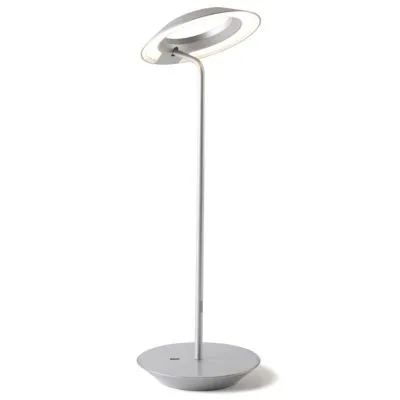
Wet-rated fans, on the other hand, are built to withstand direct exposure to rain, snow, and other weather conditions. They feature sealed motors and corrosion-resistant materials, making them perfect for open patios, pergolas, or any area without a roof. When shopping, always check the manufacturer's rating. For example, the Connery LED Ring Chandelier might be a stunning indoor piece, but for outdoor use, you need a fan explicitly labeled as wet-rated. Don't compromise on this—your fan's longevity and safety depend on it.
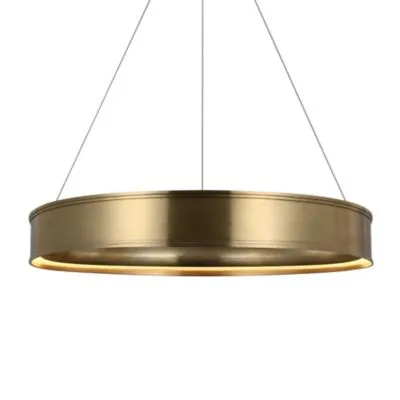
Connery LED Ring Chandelier
- Damp-rated: For covered areas, protects against humidity and moisture.
- Wet-rated: For exposed areas, withstands rain, snow, and direct weather.
- Check the UL rating or product specifications to confirm.
Choosing the Right Size and Height
Size matters when it comes to outdoor ceiling fans. A fan that's too small won't move enough air, while one that's too large can look overwhelming and create excessive wind. As a rule of thumb, for a patio or porch up to 100 square feet, a 42-inch fan works well. For spaces between 100 and 200 square feet, opt for a 52-inch fan. If your outdoor area is larger than 200 square feet, consider multiple fans or a larger 60-inch model. Measure your space carefully before making a purchase.
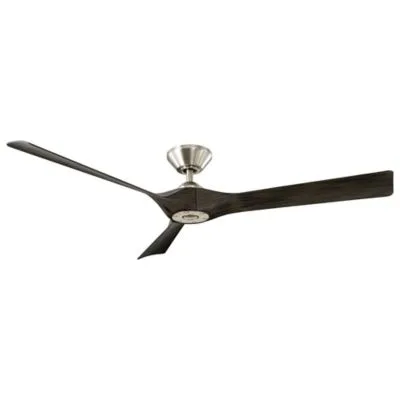
Height is equally important. The fan blades should be at least 7 feet above the floor and ideally 8 to 9 feet for optimal airflow. If your ceiling is high, you may need a downrod to lower the fan to the correct height. Conversely, for low ceilings, a flushmount or low-profile fan is better. While the Vitria LED Flushmount is an excellent indoor option, for outdoor spaces with low ceilings, look for an outdoor-rated flushmount fan that keeps you safe and comfortable without sacrificing style.
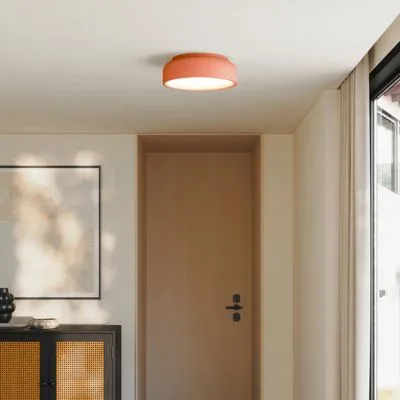
Vitria LED Flushmount
- Measure your outdoor area's square footage to determine blade span.
- Ensure proper clearance: at least 7 feet from floor to blades.
- Use a downrod for high ceilings, or choose a flushmount for low ceilings.
Key Features to Consider
Modern outdoor ceiling fans come with a variety of features that enhance comfort and convenience. Look for a fan with a high CFM (cubic feet per minute) rating, which indicates strong airflow. A reversible motor is also beneficial, allowing you to change the direction of the blades for summer and winter use—yes, outdoor fans can help circulate air in covered spaces during cooler months too. Additionally, consider the fan's motor quality. A durable, energy-efficient DC motor will run quieter and save on electricity.
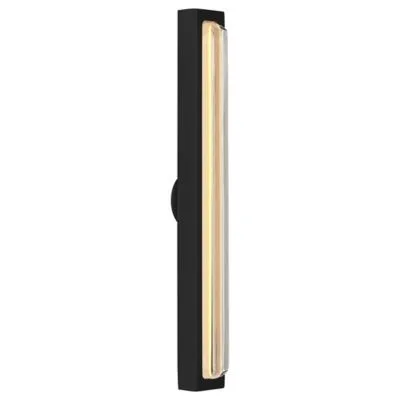
Another feature to consider is the fan's lighting. Many outdoor fans come with integrated LED lights, which can add ambiance to your patio. Some even offer adjustable color temperatures, from warm to cool light. If you want a cohesive look, you might pair your fan with other outdoor fixtures. For example, the Jayna 2 Light Bath Bar could illuminate an adjacent outdoor kitchen or entryway, while your fan provides airflow and light in the main seating area. Think about your overall outdoor lighting plan to create a welcoming environment.
- High CFM for powerful airflow.
- Reversible motor for year-round use.
- Integrated LED lighting for convenience and ambiance.
- Energy-efficient DC motor for savings and quiet operation.
Smart Features and Controls
In 2026, smart home technology is more popular than ever, and outdoor ceiling fans are no exception. Many modern fans come with remote controls, smart home integration, and even voice control compatibility. A smart outdoor fan allows you to adjust speed, lighting, and schedules from your smartphone or via voice assistants like Alexa or Google Assistant. This is especially convenient when you're relaxing on the patio and don't want to get up to change settings.
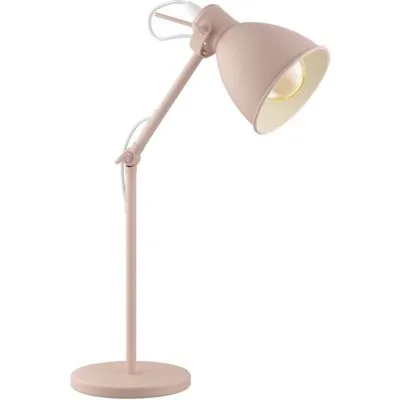
When looking for a smart outdoor fan, ensure it's compatible with your existing smart home ecosystem. Some fans require a separate hub, while others connect directly via Wi-Fi. Also, consider the fan's app and ease of use. For a truly integrated experience, you might choose a fan that works with your other outdoor smart devices. While products like the Daphine LED Table Lamp are great for indoor smart lighting, for outdoor, you want a fan that can withstand the elements while offering smart controls. A smart outdoor fan is a worthy investment for tech-savvy homeowners.
- Remote control for convenience.
- Smart home integration (Wi-Fi, Zigbee, etc.).
- Voice control compatibility.
- Scheduling and automation features.
Durability and Maintenance
Outdoor fans are exposed to harsh conditions, so durability is key. Look for fans made from weather-resistant materials like stainless steel, aluminum, or ABS plastic. The finish should be powder-coated to prevent rust and corrosion. Blades should be made of materials that won't warp, such as composite or treated wood. Sealed motors are a must for wet-rated fans, as they prevent moisture from damaging internal components.
Maintenance is relatively simple but essential. Regularly clean your fan blades and housing to prevent dust and debris buildup, which can affect performance. Check for any loose screws or wobbling. If your fan has a light kit, replace bulbs as needed. For outdoor fans, it's also wise to inspect the fan after severe weather. By choosing a durable fan and performing routine maintenance, you'll enjoy years of reliable service. Remember, a well-maintained fan not only lasts longer but also operates more efficiently.
- Choose weather-resistant materials (stainless steel, aluminum).
- Opt for a sealed motor for wet-rated fans.
- Clean blades and housing regularly.
- Inspect after storms or extreme weather.
Choosing the right outdoor ceiling fan involves careful consideration of ratings, size, features, and durability. By following this outdoor ceiling fan buying guide, you can ensure your investment provides comfort and style for years to come. Whether you need a damp-rated fan for a covered porch or a wet-rated model for an open patio, there's a perfect fan out there. Explore our collection of outdoor-rated fans to find the ideal match for your space, and enjoy the breeze in style.