Quick Answer
Outdoor wall lights are built to withstand weather conditions with higher IP ratings and durable materials, while indoor wall lights prioritize aesthetics and ambient lighting. For covered patios, choose a damp-rated fixture; for fully exposed areas, select a wet-rated one. Always match the fixture's rating to your installation location.
When it comes to illuminating your home's exterior, the choice between outdoor and indoor wall lights isn't just about style—it's about safety, durability, and performance. Many homeowners mistakenly use indoor fixtures outdoors, leading to premature failure or even electrical hazards. This guide will clarify the differences and help you decide which type you need for your specific space.
Outdoor wall lights are engineered to resist moisture, temperature fluctuations, and UV exposure, while indoor fixtures are designed for controlled environments. Understanding ratings like damp and wet locations is crucial. Let's break down the key factors to consider.
Safety Ratings Explained: Damp vs. Wet Locations
The most critical difference between indoor and outdoor wall lights is their safety rating. The National Electrical Code (NEC) classifies locations as dry, damp, or wet. Dry locations are typical indoor areas like living rooms and bedrooms. Damp locations include covered patios, porches, and bathrooms where moisture is present but not directly exposed to rain. Wet locations are fully exposed to weather, such as uncovered exterior walls.
Outdoor wall lights are rated for damp or wet locations. Damp-rated fixtures can handle humidity and light moisture, making them ideal for covered patios. Wet-rated fixtures are sealed to withstand direct rain, snow, and splashing water. Indoor lights are generally only rated for dry locations and should never be used outdoors.
- Always check the fixture's IP rating (Ingress Protection) for outdoor use. A rating of IP44 or higher is suitable for damp locations, while IP65 or higher is required for wet locations.
- If you're unsure about your installation area, consult a licensed electrician to ensure compliance with local codes.
Durability and Materials: Built to Last Outdoors
Outdoor wall lights are constructed with weather-resistant materials like aluminum, stainless steel, and powder-coated finishes to prevent rust and corrosion. They also feature gaskets and seals to keep moisture out of the electrical components. Indoor fixtures, on the other hand, often use less robust materials like plastic or unpainted metal, which would degrade quickly when exposed to the elements.
For example, the Possini Euro Bregman 13 Inchw Brass Ceiling Light W Stone Glass 5705h features a brass finish and stone glass shade, designed for indoor use. Brass can develop a patina outdoors, but it's not sealed for wet conditions. If you love the brass look outdoors, look for a fixture specifically rated for exterior use, like the Levan 24 Inch Wide Vintage Gold Leaf Pendant Light 2978d—though that's a pendant, it illustrates the importance of checking materials for outdoor suitability.
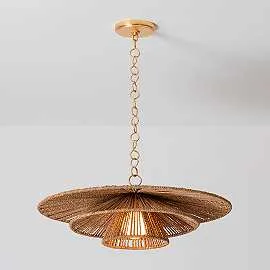
Levan 24 Inch Wide Vintage Gold Leaf Pendant Light 2978d
- For outdoor fixtures, prioritize materials like aluminum or stainless steel that resist corrosion.
- Consider the finish: powder-coated or anodized finishes offer better protection than bare metal.
Design and Light Distribution: Indoor vs. Outdoor
Indoor wall lights are designed to create ambiance, provide task lighting, or highlight architectural features. They often feature decorative shades, diffusers, and lower brightness levels to avoid glare. Outdoor wall lights, meanwhile, are designed for security, visibility, and accent lighting. They typically have higher lumen output and directional beams to illuminate pathways, entrances, and outdoor living areas.
Some fixtures blur the line between indoor and outdoor use. For instance, the Franklin Iron Charleston 13 And One Half Inch Nickel Clear Glass Led Pendant Light 7p203 is a versatile pendant that could work indoors or in a covered outdoor area, but it's not wet-rated. Always verify the rating before installing outdoors.
- Think about the purpose: security lights need bright, wide coverage; accent lights can be softer and more decorative.
- For covered patios, use damp-rated fixtures that can handle humidity but not direct rain.
Installation and Electrical Considerations
Installing outdoor wall lights requires weatherproof electrical boxes and proper sealing to prevent water intrusion. Indoor fixtures can be installed with standard electrical boxes. Additionally, outdoor circuits must have GFCI (Ground Fault Circuit Interrupter) protection to prevent electrical shock in wet conditions. This is a crucial safety measure that indoor circuits may not have.
If you're replacing an existing fixture, check the wiring and box to ensure they meet outdoor requirements. For new installations, hire a professional to ensure code compliance.
- Use silicone caulk around the fixture base to seal out moisture.
- Ensure outdoor outlets and switches are GFCI-protected.
Trade-Offs: Indoor vs. Outdoor Wall Lights
- Safety vs. Style: Outdoor lights prioritize safety with weatherproofing, while indoor lights focus on style. You can find stylish outdoor fixtures, but they may cost more. If you love a specific indoor design, check if a damp-rated version exists.
- Durability vs. Aesthetics: Outdoor fixtures use robust materials that may lack the decorative finesse of indoor lights. Indoor lights offer more variety in shades and finishes. For covered patios, choose a damp-rated fixture that balances durability with design.
- Brightness vs. Ambiance: Outdoor lights are often brighter for security, while indoor lights create softer ambiance. Consider the purpose of the light in each area. Use dimmers or multiple fixtures to achieve both security and ambiance outdoors.
Product Facts: What to Look For
- Possini Euro Bregman 13 Inchw Brass Ceiling Light W Stone Glass 5705h: This fixture features a brass finish and a stone glass shade, combining contemporary style with a touch of natural texture. It's 13 inches wide, ideal for smaller rooms, hallways, or entryways. While designed for indoor use, its brass finish and stone glass could inspire an outdoor aesthetic. However, it is not rated for outdoor installation, so it should only be used in dry or damp indoor spaces.
- Levan 24 Inch Wide Vintage Gold Leaf Pendant Light 2978d: The Levan pendant light features a vintage gold leaf finish and measures 24 inches wide, providing a balanced presence for medium to large rooms. It's ideal for focused lighting over tables or islands. This pendant is designed for indoor use, but its warm gold leaf finish adds elegance to dining areas. If you want a similar look outdoors, look for a damp-rated fixture with a comparable finish.
How to Choose: Best For vs. Not For
Best For
- Homeowners with covered patios, porches, or eaves who want to add lighting without direct rain exposure—choose damp-rated fixtures.
- Those seeking to enhance curb appeal with stylish, weather-resistant outdoor wall lights in fully exposed areas—opt for wet-rated fixtures.
Not For
- Indoor-only spaces like living rooms or bedrooms, where indoor wall lights offer more design flexibility and lower cost.
- Areas with direct rain or snow exposure, where indoor fixtures would fail quickly—always use wet-rated lights outdoors.
Choosing between outdoor and indoor wall lights comes down to understanding your installation location and safety requirements. Always prioritize damp or wet ratings for exterior use, and don't compromise on durability. For a stylish yet functional option for covered areas, consider exploring our collection of damp-rated fixtures like the Possini Euro Bregman Ceiling Light to elevate your outdoor space safely.