Quick answer
If you're struggling with restless nights, a holistic approach that addresses both stress and trauma—like the one in Wake Up to Sleep—can help you fall asleep naturally and sleep better without relying on medication.
Why stress and trauma affect your sleep
Many sleep problems stem from unresolved stress or trauma, which keeps your nervous system on high alert. This makes it hard to wind down and fall asleep naturally.
A holistic approach recognizes that sleep hygiene alone may not be enough if underlying emotional triggers are keeping you awake.
Diagnosis: Identify and fix your sleep problem
- Symptom: You lie in bed for hours, feel anxious at bedtime, or wake up frequently during the night.
- Likely cause: Unresolved stress or trauma keeps your nervous system in a state of hyperarousal, making it hard to transition into sleep.
- Corrective action: Try the holistic techniques in Wake Up to Sleep, such as breathwork, mindfulness, and body-based practices, to calm your nervous system before bed. If after two weeks you see no improvement, consider consulting a sleep specialist or therapist.
- Stop or choose another option: If you have a diagnosed sleep disorder (e.g., sleep apnea) or are taking medications that interfere with sleep, this approach may not be sufficient. In that case, seek medical advice.
Product facts
-
Wake Up to Sleep: From work-related stress to the serious effects of trauma, this book teaches practical techniques to achieve the best possible sleep. It gives you a step-by-step method to address the root causes of insomnia, not just the symptoms.
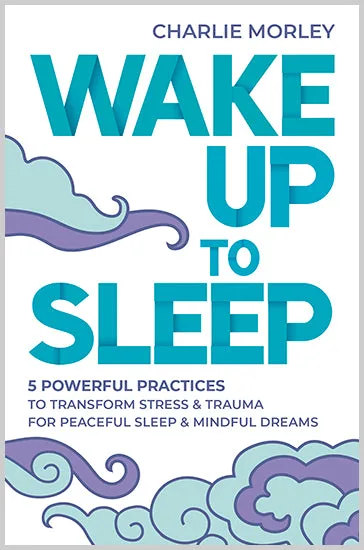
Wake Up to Sleep