Quick answer
Most shedding on oversized plush toys comes from loose surface fibers left during manufacturing, not from the plush falling apart. Vacuum the surface with a brush attachment on low suction, then use a lint roller or damp rubber glove to lift remaining fibers. If shedding continues after two or three gentle cleanings, stop treating it as routine lint and check for seam damage or pile wear.
Symptom: what normal shedding looks like
Normal shedding shows up as a light dusting of short fibers on your hands, clothes, or the shelf beneath the plush. It tends to be worst when the toy is new or right after you unpack it, and it fades with each cleaning. You may also see a few loose tufts along seams or where the pile has been compressed in transit.
This is different from bald patches, exposed backing fabric, or fibers that pull away in clumps. Those point to abrasion or a construction problem, not routine loose lint. Note where the fibers appear: surface-wide dusting is usually harmless, while localized thinning near a seam or a high-friction area deserves a closer look.
Likely cause: loose fibers and friction
New plush fabric is cut and sewn before it ever reaches you, and short fibers that were not fully anchored during production sit on the surface. Static and packaging keep them there until the first few touches release them. Friction from sitting on a shelf, being hugged, or rubbing against other toys then works the remaining loose fibers free.
Dry indoor air makes this worse by encouraging static, which holds fibers against the pile instead of letting them fall away. Oversized plush has more surface area than a small figure, so the same amount of loose fiber per square inch looks like a lot more lint overall. That is why a large plush can seem to shed heavily even when the fabric itself is sound.
Corrective action: gentle removal that does not pull new fibers
Start dry. Use a vacuum with a brush attachment on the lowest suction setting, and work in slow passes over the pile rather than pressing down. A sticky lint roller works well on flat areas, and a slightly damp rubber glove lifted in one direction can gather fibers without abrading the surface. Avoid vigorous rubbing, which creates friction and loosens more fiber than it removes.
For a deeper clean, check the care label first and follow it. If the plush is surface-clean only, spot-clean with a barely damp cloth and let it air-dry fully away from direct heat. Never put an oversized plush in a dryer unless the label explicitly allows it, because heat and tumbling can mat the pile and increase shedding. Brush the pile back into alignment with your fingers once dry.
When to stop treating it as lint
If two or three gentle cleaning sessions do not reduce the shedding, the cause is probably not loose surface fiber. Look for open seams, thinning pile, or fibers that come away with a slight tug. Those are signs of wear or a defect, and more cleaning will not fix them. Stop vacuuming that area and consider a repair or a return rather than continuing to treat it as routine maintenance.
Also stop if the plush has a battery pack, sound module, or glued-on accessories. Wet cleaning and strong suction can damage those parts, and the shedding is better handled by dry surface care only. When in doubt, contact the seller with photos of the affected area before trying anything more aggressive.
Shedding diagnosis by symptom
- Light fiber dusting all over: Loose manufacturing fibers releasing with static and handling. Vacuum on low with a brush attachment, then lint-roll; expect it to fade after two or three sessions.
- Shedding only where the plush is handled: Friction from repeated touching or rubbing against a shelf edge. Reduce contact, rotate the display position, and smooth the pile with your fingers after handling.
- Fibers pull away in clumps or bald spots appear: Pile wear, seam failure, or a construction defect rather than loose lint. Stop cleaning and contact the seller with photos; this is a repair or return issue.
Plush picks and their care notes
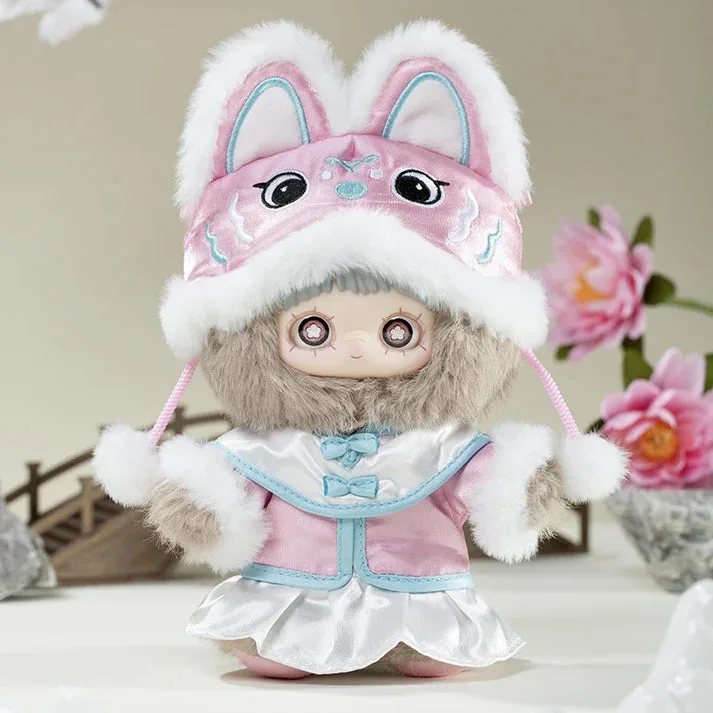
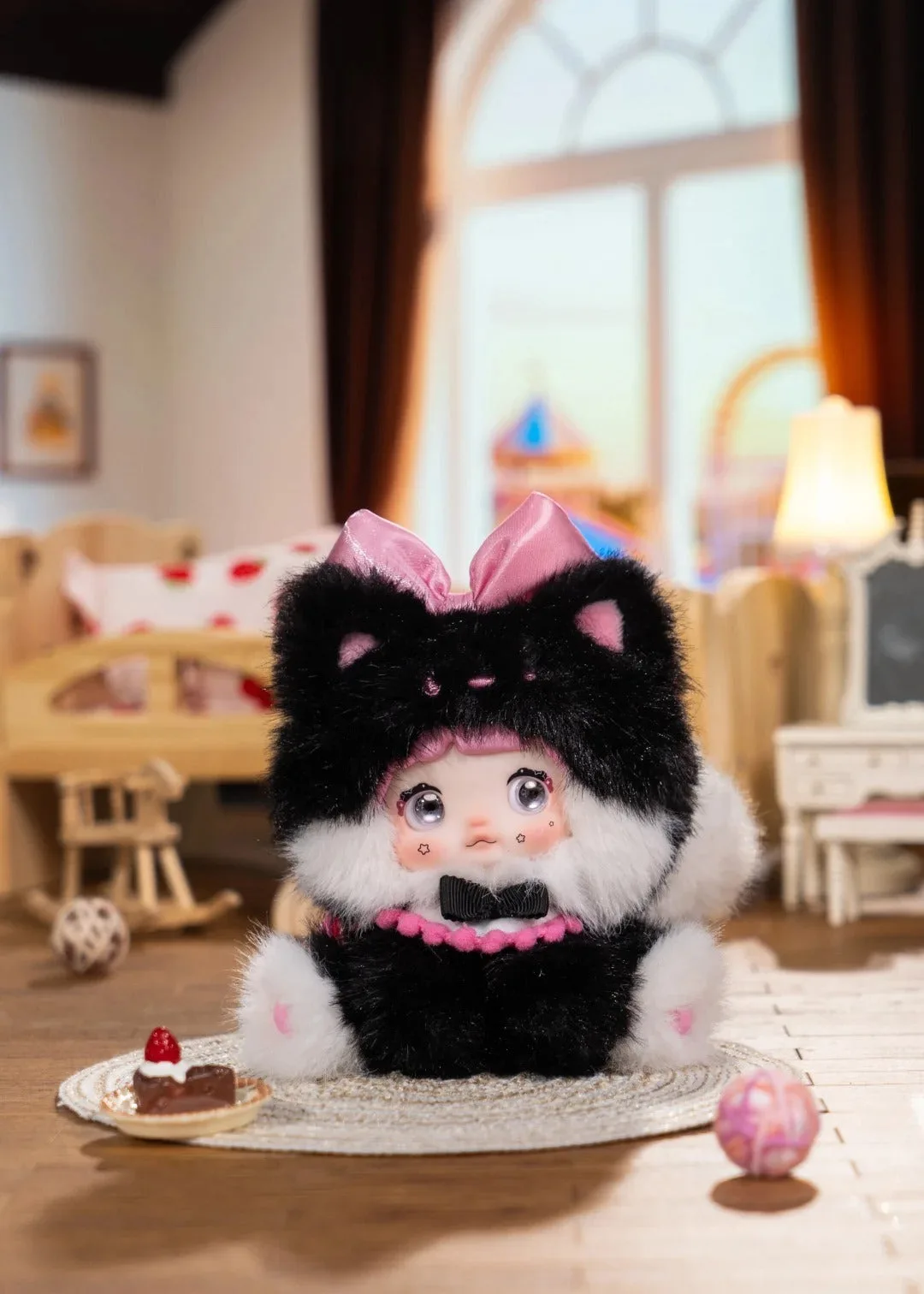
- PPG Call Me Series Plush Blind Box - Soft Stuffed Toy: PPG Call Me Series Plush Blind Box - Soft Stuffed Toy is sold as a single piece or a 4-box set, with a standard plush size suited to desktop displays. Smaller standard-size plush collect less surface lint than oversized pieces, so a quick lint-roller pass is usually enough between displays.
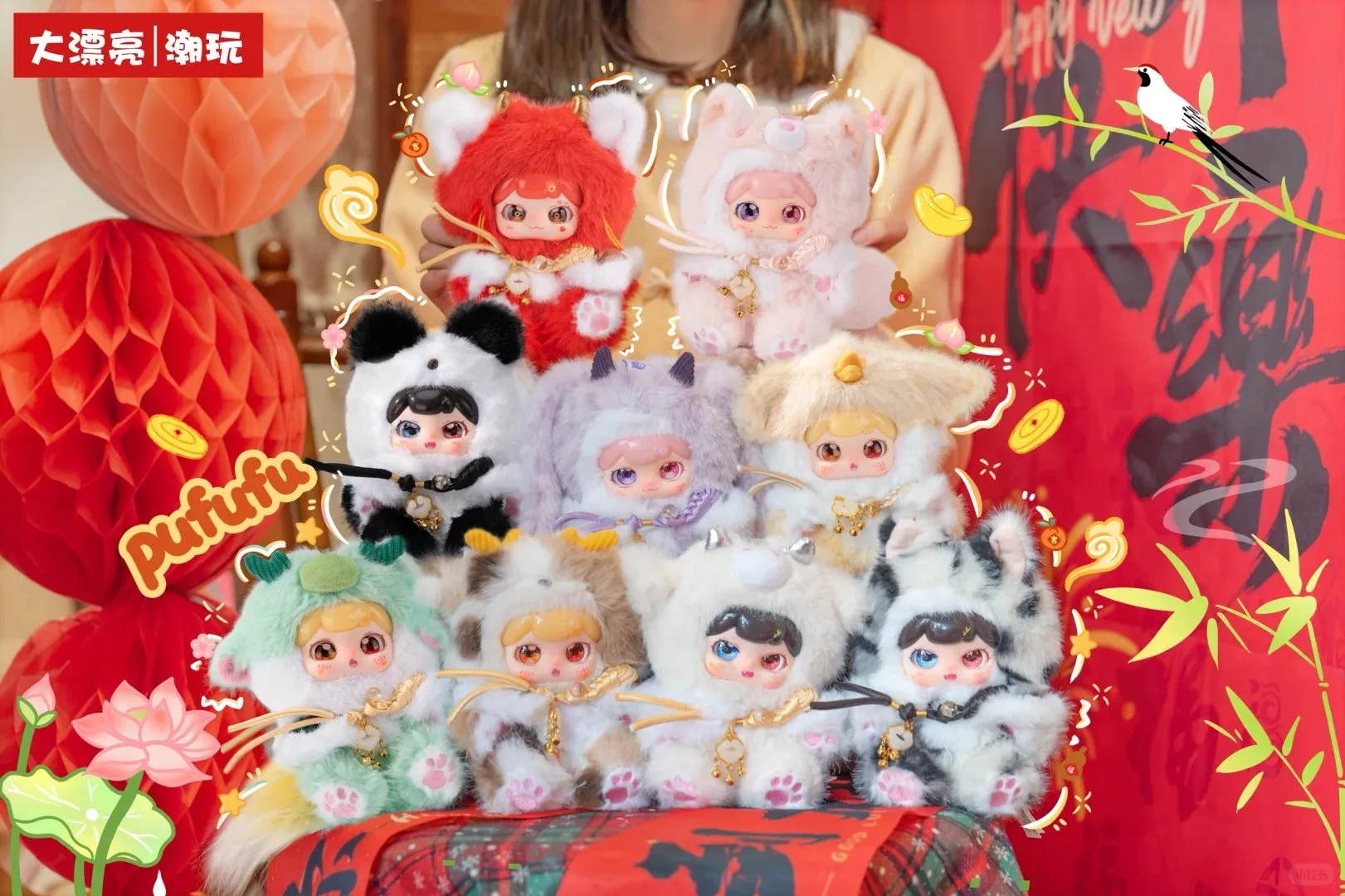
- PuFuFu Auspicious Beasts Ruth To Earth's Spring Plush Series: PuFuFu Auspicious Beasts Ruth To Earth's Spring Plush Series is sold as a single piece or an 8-piece set without box, featuring mythological-creature character work. Sets stored together can transfer fibers between pieces; keep them slightly separated and check the group after any cleaning.
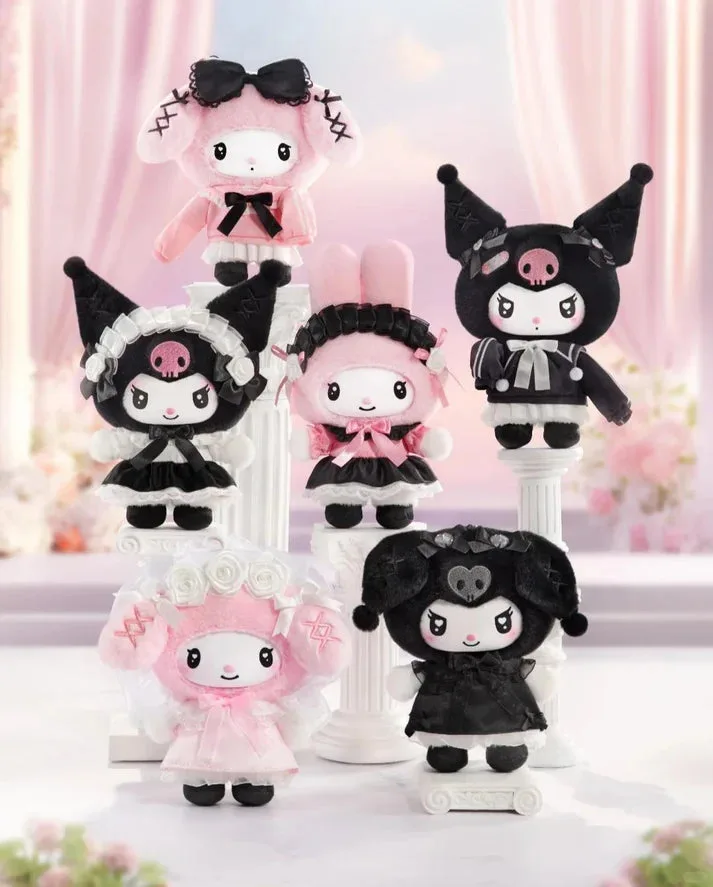
- Q.kid Fairy Tales Plush Series Blind Box: Q.kid Fairy Tales Plush Series Blind Box presents fairy-tale characters in plush form through the brand's visual language. Detailed character plush with small costume elements should be cleaned dry-first so trims and accessories are not disturbed.