Quick answer
For colored clothes, an oxygen whitener is the safer choice. It is chlorine-free and color-safe, so it can brighten fading colors without the fabric damage and color loss that chlorine bleach can cause. Reserve chlorine bleach for white, bleach-safe fabrics only.
How the two actually work
Chlorine bleach is a strong oxidizer that attacks color dyes and fibers. On white cotton it removes stains and whitens, but on colors it can strip dye, cause fading, and weaken fabric over time. It also requires careful dilution and ventilation.
Oxygen whiteners use a gentler oxygen-based chemistry to lift stains and brighten fabrics. They are typically color-safe and work well on dingy lights, greying whites, and fading colors. They need warm or hot water and time to activate, so they are less instant than chlorine bleach but far less risky for colored loads.
What to check on the label before you buy
Look for the words 'color-safe' and 'chlorine-free' on the package. Those two claims tell you the product is designed not to strip dyes. Also check the ingredient list: fewer, simpler ingredients usually mean fewer irritants for sensitive skin.
If you are comparing a dedicated oxygen whitener to a general detergent, remember that a whitener is a booster, not a complete cleaner. You still need a detergent to lift oils and everyday soil.
How to brighten colors without bleach
Start with a detergent that is formulated for the fabric type. For activewear and synthetic blends, use a detergent designed to remove odor-causing bacteria, because oxygen whiteners alone may not fully address sweat residue. For everyday colored cottons, add an oxygen whitener to the wash drum or dispenser according to the package directions.
Use the warmest water the care tag allows. Oxygen whiteners need heat to activate, so cold water will give weaker results. If you must wash cold, expect a milder brightening effect and consider a longer soak cycle.
Trade-offs at a glance
- Color safety: Oxygen whiteners are typically color-safe; chlorine bleach can strip dye and dull colors. Choose oxygen for anything you want to keep colored.
- Speed and water temperature: Chlorine bleach acts quickly in cold or warm water; oxygen whiteners need warm or hot water and time to activate. If you wash cold, expect slower, weaker brightening from oxygen whiteners.
- Fabric wear: Chlorine bleach can weaken fibers over repeated use; oxygen whiteners are gentler on fabric. For items you want to last, oxygen is the lower-risk routine.
Product facts
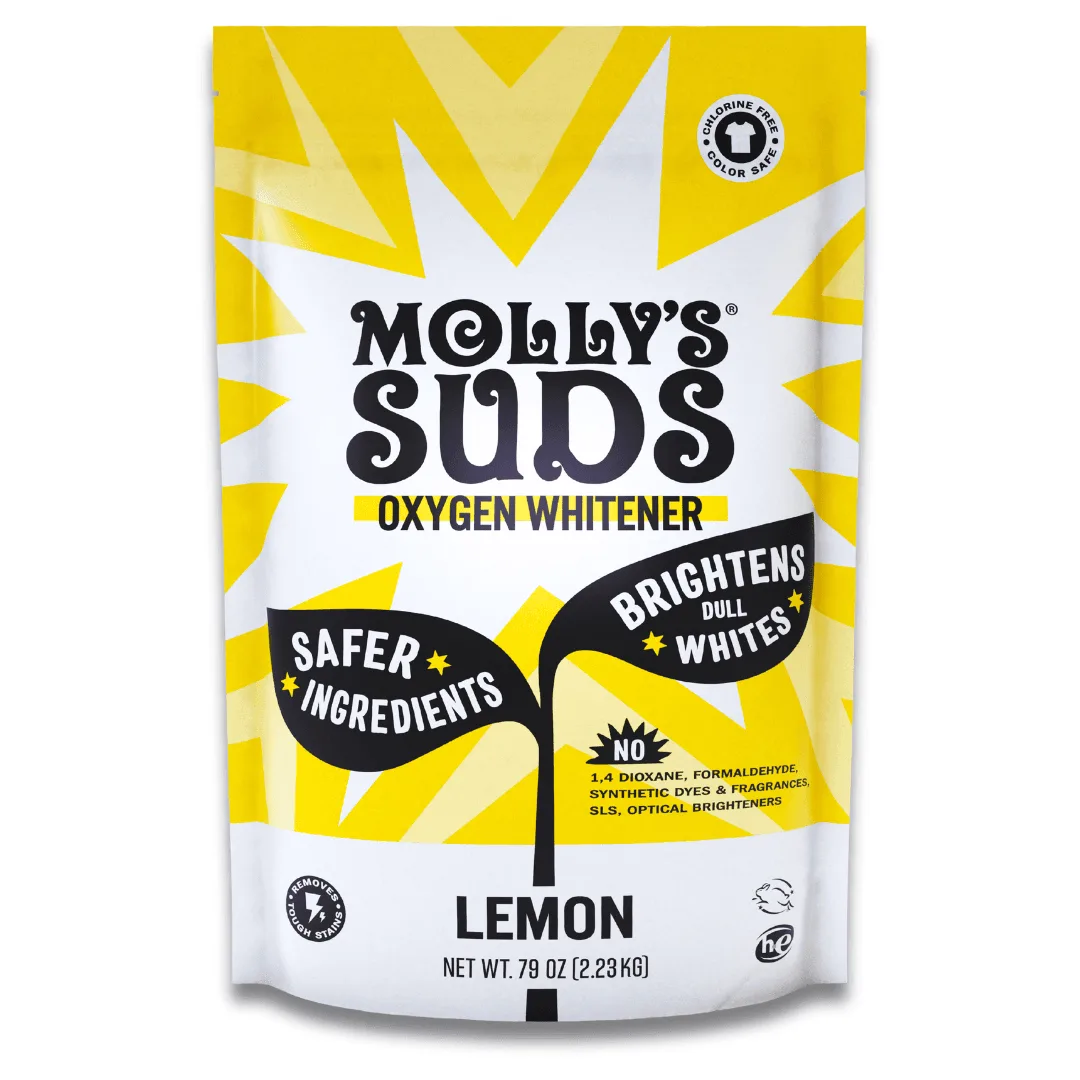
- Oxygen Whitener Bleach Alternative: Chlorine-free and color-safe bleach alternative made with only 4 clean, simple ingredients. You can use it on colored loads without the dye-stripping risk of chlorine bleach, and the short ingredient list is helpful if you have sensitive skin.
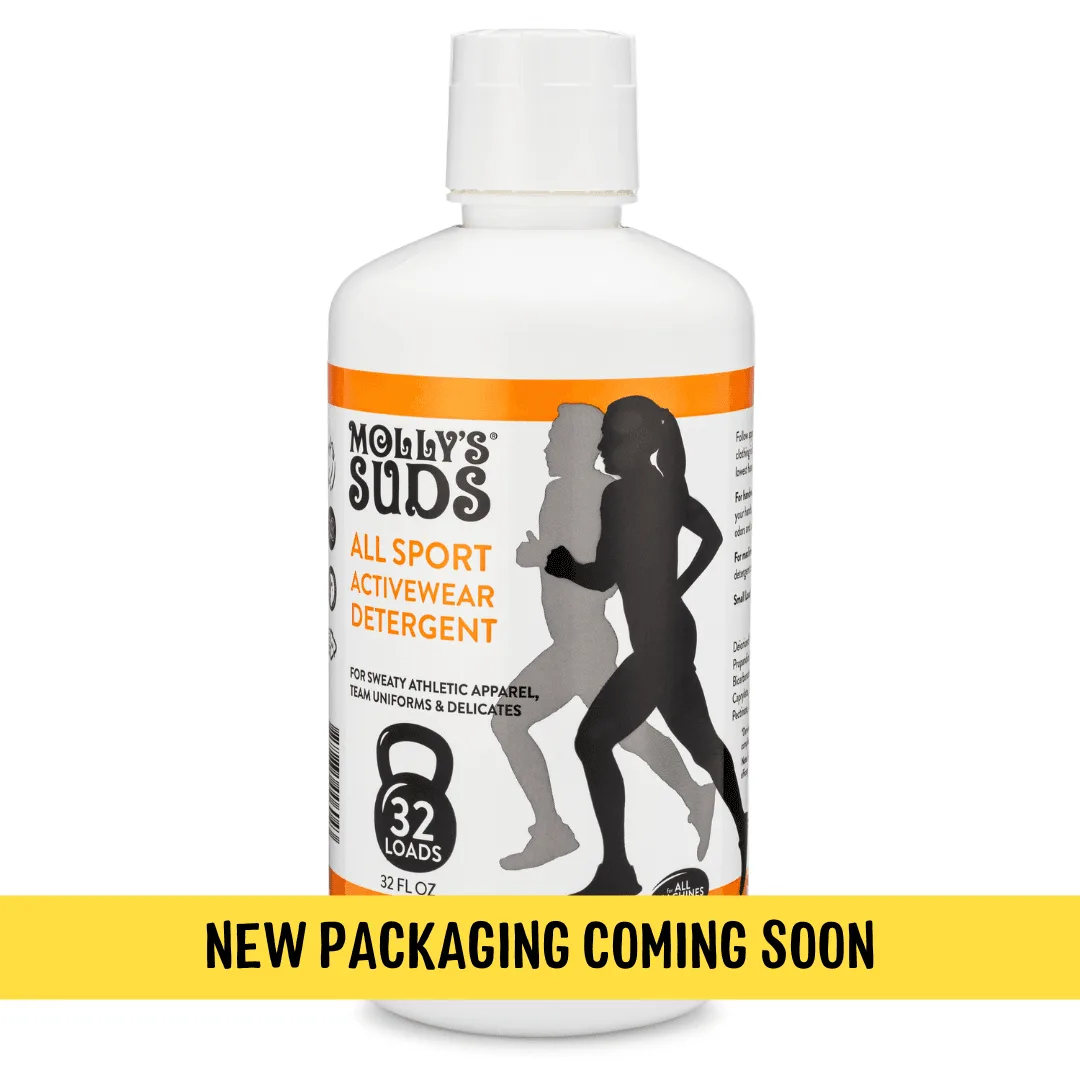
- All Sport Activewear Detergent: Removes tough odor-causing bacteria and is designed for sports apparel, athleisurewear, and delicates. If your colored load is activewear, this addresses the odor source that a whitener alone may not fully resolve.
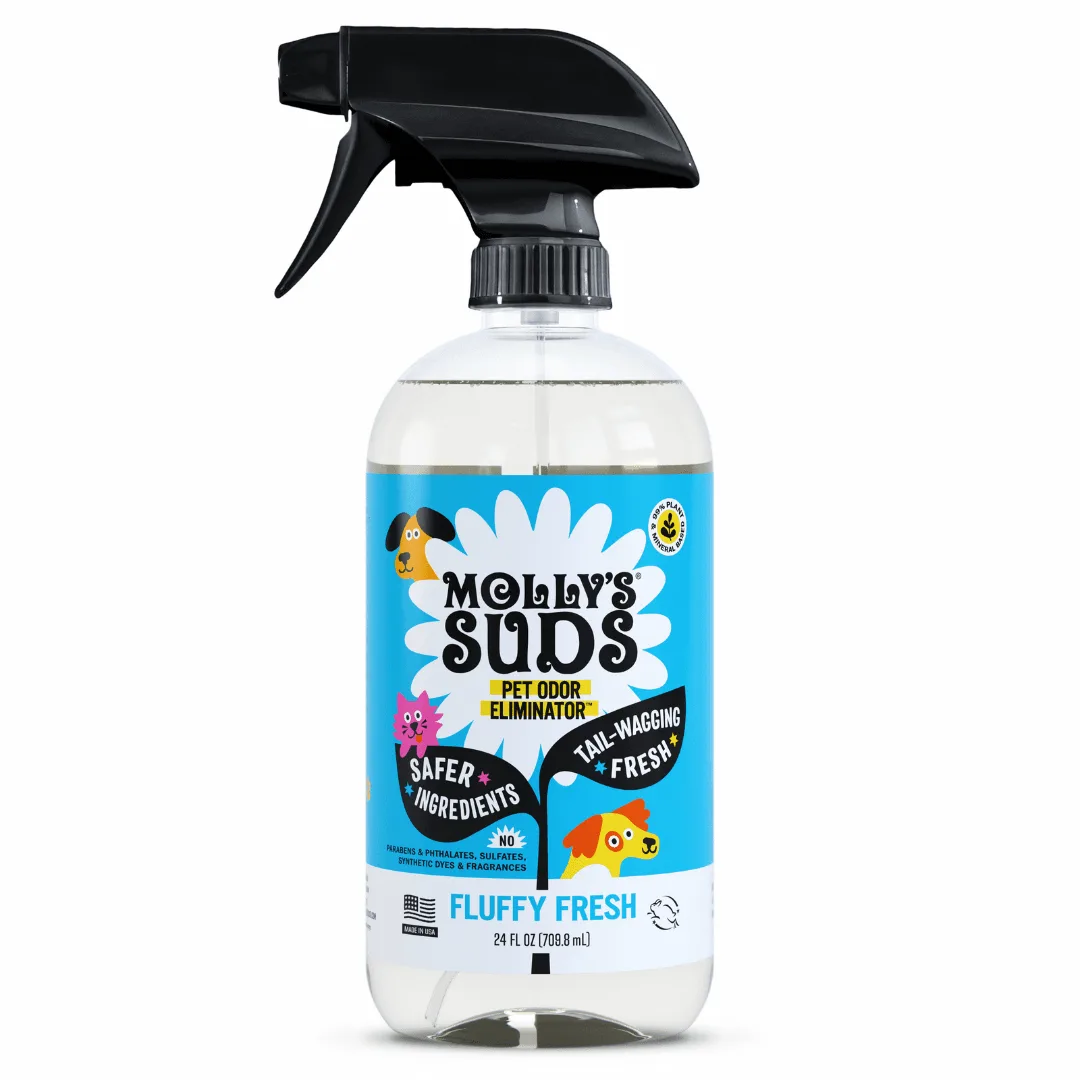
- Pet Odor Eliminator: Breaks down pet odors at the source and leaves a Fluffy Fresh scent with no synthetic fragrances. For colored items that have pet messes, this targets the odor directly instead of relying on bleach or heavy fragrance.
Which should you choose?
Best for
- Colored cottons, linens, and blends that need brightening without dye loss
- Households with sensitive skin that want a short, simple ingredient list
- Anyone who wants a chlorine-free laundry routine
Not for
- White, bleach-safe fabrics that need the strongest possible whitening and disinfection
- Loads that must be washed in cold water only and need fast results
- Activewear with heavy odor where a dedicated odor-removing detergent is the better first step