Quick Answer
Ozonated skin therapy offers a unique approach to skin health by delivering active oxygen topically, which may support the body's natural healing processes. Traditional topicals, on the other hand, often rely on synthetic ingredients to target specific symptoms. Your choice depends on your skin concerns, preference for natural ingredients, and tolerance for potential initial reactions.
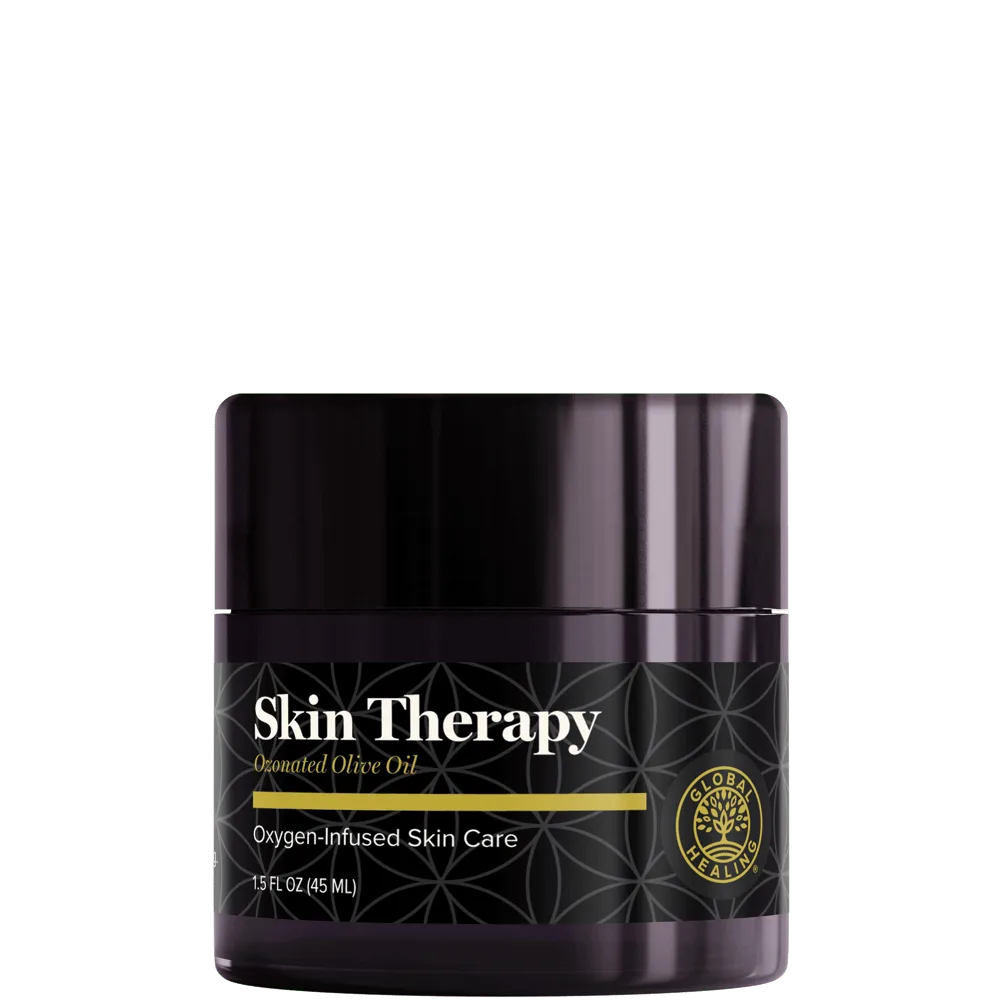
Ozonated skin therapy
When it comes to skincare, the market is flooded with options, but a growing number of people are turning to ozonated skin therapy as an alternative to traditional topicals. Ozone therapy for skin involves applying ozonated oils or creams that release oxygen to the skin, potentially promoting healing and reducing harmful organisms. In contrast, traditional topicals typically contain active ingredients like retinoids, acids, or antibiotics that work in specific ways.
This comparison will help you understand the key differences, benefits, and tradeoffs between these two approaches. We'll look at how they work, what to expect, and how to decide which might be right for your skin.
How Ozonated Skin Therapy Works
Ozonated skin therapy uses ozone, a reactive form of oxygen, which is infused into a carrier like olive oil. When applied to the skin, the ozone is released gradually, creating an oxygen-rich environment. This can support the skin's natural ability to repair itself and may help combat harmful microorganisms. Ozonated olive oil is a popular form, known for its moisturizing and soothing properties.
Ozone therapy for skin is often used for conditions like acne, eczema, or minor wounds. The idea is that by oxygenating the skin, you support cellular turnover and immune function. However, it's important to note that ozone can be irritating if used improperly, and not all products are created equal. Look for high-quality ozonated oils that are properly stabilized.
- Always patch-test ozonated products on a small area first to check for sensitivity.
Traditional Topicals: The Conventional Approach
Traditional topicals include a wide range of over-the-counter and prescription products. They often contain synthetic or naturally derived active ingredients designed to target specific skin issues. For example, benzoyl peroxide for acne, hydrocortisone for inflammation, or hyaluronic acid for hydration. These ingredients have been extensively studied and can provide fast, predictable results.
However, traditional topicals may come with side effects like dryness, peeling, or irritation, especially if you have sensitive skin. They also tend to address symptoms rather than supporting the skin's overall health. Some people find that their skin becomes dependent on these products, and symptoms return when they stop using them.
- Consult a dermatologist before starting any prescription topical to ensure it's right for your skin type.
Comparing Ozonated and Traditional Options
When comparing ozonated skin therapy to traditional topicals, consider the mechanism of action. Ozonated topicals work by creating an oxygen-rich environment that may help the skin heal itself, while traditional topicals often introduce chemicals that directly alter skin function. This difference means that ozonated products may be more holistic but slower to show effects, whereas traditional products can be more targeted and faster-acting.
Another factor is ingredient transparency. Ozonated products like ozonated olive oil often have simple, natural ingredient lists, appealing to those who prefer clean beauty. Traditional topicals may contain preservatives, fragrances, and other additives that can be irritating. On the other hand, traditional products have more clinical evidence supporting their efficacy for specific conditions.
- If you have a chronic skin condition like eczema, talk to a healthcare provider about integrating ozonated topicals into your routine.
Potential Benefits and Risks
Ozonated skin benefits include supporting the skin's natural healing, reducing the presence of harmful organisms, and providing deep moisturization. Ozone therapy for skin is also praised for its ability to stimulate circulation and collagen production, which may improve skin texture and tone. However, risks include potential irritation, especially for those with sensitive skin, and the lack of standardized dosing in some products.
Traditional topicals offer proven benefits for many skin conditions, but they come with risks such as allergic reactions, thinning of the skin with prolonged steroid use, and antibiotic resistance with overuse of antibacterial products. It's essential to weigh these risks against the benefits and consider your personal skin health goals.
- Always use ozonated products as directed and avoid over-application to minimize irritation risk.
Tradeoffs to Keep in Mind
- Speed vs. Holistic Healing: Traditional topicals often yield faster, more targeted results, while ozonated therapy supports gradual skin repair from within. If you need quick symptom relief, traditional may be better; for long-term skin health, consider ozonated.
- Ingredient Simplicity vs. Clinical Evidence: Ozonated products often feature fewer, natural ingredients, but traditional products have more robust clinical backing for specific conditions. Choose based on your comfort with 'clean' beauty versus evidence-based formulations.
- Side Effect Profile: Ozonated oils can cause initial irritation, while traditional topicals may lead to dryness or peeling. Start with patch tests and monitor your skin's response.
Products to Consider
- Organic Vitamin D3 5000 IU: This plant-based vitamin D3 is derived from organic lichen and contains cholecalciferol, the biologically active form your body produces from sunlight. It supports strong bones, immune function, and optimal brain activity. While not a topical, vitamin D plays a role in skin health and immune function, which can complement your skincare routine.
- Tulsi/Holy Basil: Tulsi, or holy basil, has been used in Ayurvedic medicine for centuries to soothe the body and mind, promote mental balance, and support a healthy response to stress. Stress can exacerbate skin conditions; incorporating adaptogens like tulsi may help manage stress levels, indirectly benefiting your skin.
Which Approach Fits You?
Best for
- Individuals seeking natural, holistic skincare options
- Those with mild skin issues looking for moisturizing and soothing benefits
- People who prefer multi-purpose products that support overall skin health
Not for
- Those requiring fast, clinically proven treatment for severe acne or eczema
- Individuals with extremely sensitive skin who cannot tolerate any irritation
Both ozonated skin therapy and traditional topicals have their place in skincare. Ozonated options offer a natural, holistic approach that supports skin health, while traditional topicals provide targeted, evidence-based treatments. By understanding the tradeoffs, you can make an informed decision that aligns with your skin goals and preferences.