Day trips with a baby or toddler are a wonderful way to make memories, but they can quickly turn stressful if your diaper bag is a jumbled mess. A well-organized diaper bag backpack lets you grab what you need without digging through layers of onesies and half-empty snack pouches. With a few smart strategies, you can pack like a pro and spend more time enjoying the outing.
The key is to treat your diaper bag backpack like a mini command center. Think about the order of your day, the items you'll reach for most often, and how to keep everything clean and accessible. Whether you're heading to the zoo, a park, or a family picnic, these tips will help you stay organized and prepared.
Start with the Right Diaper Bag Backpack
Not all diaper bags are created equal, especially for day trips. A backpack style frees your hands and distributes weight evenly, which is a lifesaver when you're also carrying a baby or pushing a stroller. Look for a bag with multiple compartments, insulated bottle pockets, and a wipe-clean interior. The Boss Plus Large Diaper Bag Backpack is a great example: it has plenty of room for a full day out, plus a dedicated changing pad pocket and easy-access front pockets for pacifiers or snacks.
If you prefer a slightly smaller profile, the Itzy Mini Plus Diaper Bag offers similar organization in a compact size. It still fits all the essentials for a day trip, including a few diapers, a change of clothes, and bottles. The key is to choose a bag that matches your typical load—too big and you'll overpack, too small and you'll leave necessities behind.
- Look for at least 6-8 pockets to separate categories like feeding, diapering, and toys.
- Insulated bottle pockets keep milk or water cool for hours.
- A stroller straps or a luggage pass-through adds versatility for longer outings.
Use Packing Cubes for Diaper Bag Organization
Packing cubes aren't just for suitcases—they're a game-changer for diaper bag backpack organization. By grouping similar items into small, zippered cubes, you can pull out exactly what you need without disturbing the rest of the bag. For example, keep one cube for diapers, wipes, and a changing pad, another for a spare outfit and burp cloths, and a third for snacks and bibs.
This system works especially well when you're on the go. If you need to change a diaper, just grab the changing cube and head to the restroom. When it's snack time, the food cube is ready. It also makes it easy to restock between trips—just swap out empty cubes for full ones. You can use any small packing cubes, but even simple mesh pouches or reusable zipper bags do the trick.
- Color-code cubes: blue for diapering, green for feeding, yellow for extra clothes.
- Use a clear pouch for toiletries like diaper cream, hand sanitizer, and sunscreen.
- Keep a small wet bag for dirty clothes or used wipes.
Pack the Essentials, Not the Entire Nursery
It's tempting to bring everything you might possibly need, but overpacking leads to a heavy, disorganized bag. For a day trip, focus on the essentials: 4-6 diapers (depending on your baby's age), a travel pack of wipes, a changing pad, one change of clothes, a lightweight blanket, a few small toys, and enough food for the outing plus one extra serving. If you're breastfeeding, the Breastfeeding Essentials Bundle can simplify nursing on the go with a cover, nipple cream, and milk storage bags in one kit.
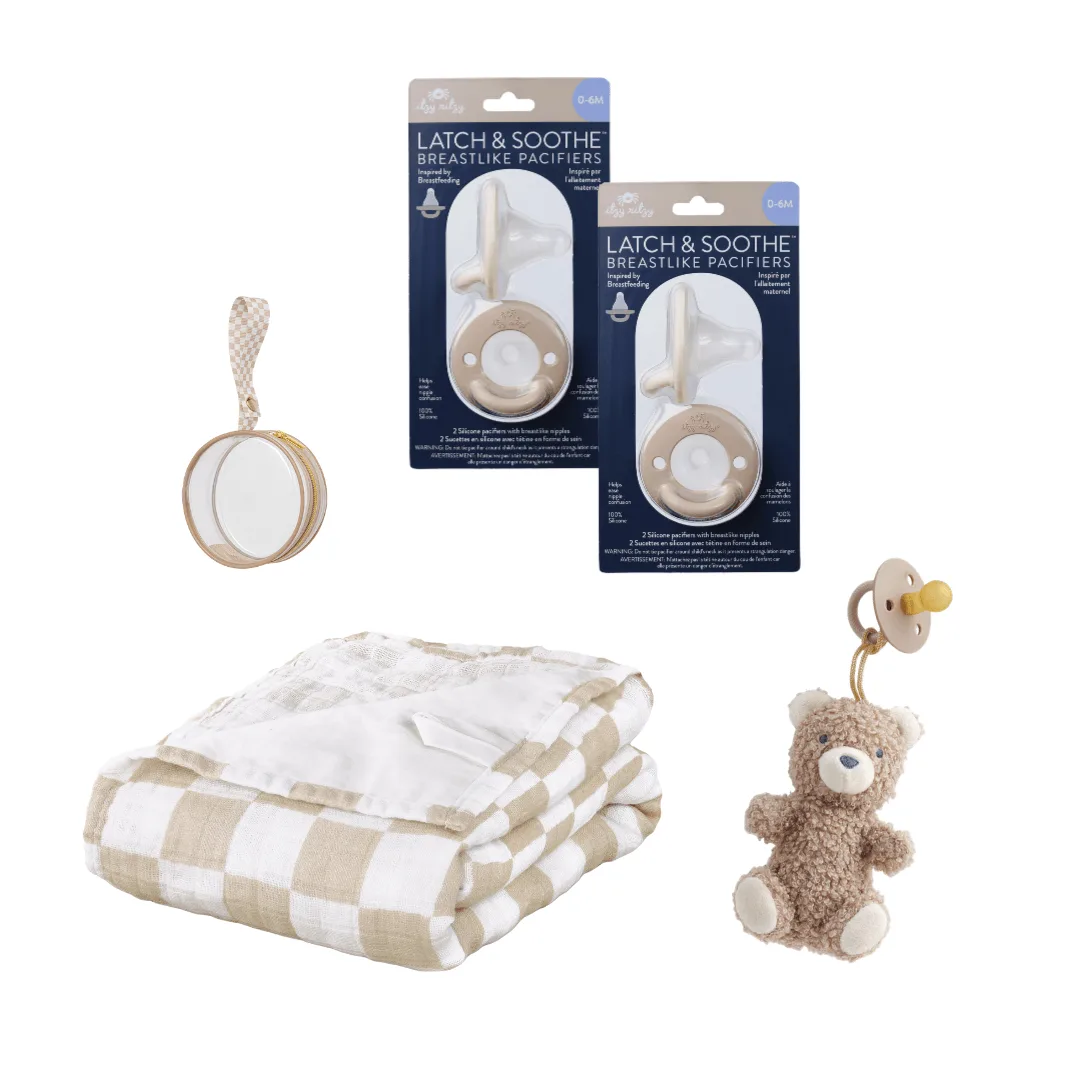
Breastfeeding Essentials Bundle
For older babies or toddlers, add a sippy cup, a small snack cup, and a lovey or pacifier. The Sweetie Snuggles Plush is a compact comfort item that won't take up much space. Remember, you can always buy more wipes or snacks at your destination if needed. Packing light keeps your bag manageable and makes it easier to find what you need.
- Roll clothes instead of folding to save space and reduce wrinkles.
- Keep a small toy like the Bitzy Driver for car rides or waiting times.
- Stash a few extra diapers in the car as a backup, not in the bag.
Organize by Frequency of Use
The most efficient diaper bag backpack organization method is to arrange items by how often you'll need them. Store frequently used items—like wipes, hand sanitizer, and a pacifier—in the top or front pocket. Mid-use items, such as diapers and snacks, go in the main compartment but in easily reachable cubes. Seldom-used items, like a change of clothes or a first-aid kit, can go at the bottom or in a back pocket.
This setup means you rarely have to dig deep. When you're at the zoo and need a wipe, you can grab it without unzipping the whole bag. When you need a new diaper, you open the main compartment and pull the diapering cube. It's a simple principle that saves time and frustration, especially when you're juggling a baby on one arm.
- Use a carabiner to clip a pacifier or small toy to the outside of the bag.
- Keep a spare set of keys or a phone in a zippered pocket so you never lose them.
- Reassess your packing after each trip—remove what you didn't use.
Plan for Messes and Emergencies
Day trips come with unexpected spills, blowouts, and sticky hands. Pack a small wet bag for dirty clothes or used wipes—it keeps the rest of your bag clean. A travel-sized stain remover pen can be a lifesaver for quick cleanups on clothes or the bag itself. Also, include a mini first-aid kit with band-aids, antiseptic wipes, and infant pain reliever (if age-appropriate).
For feeding, bring a couple of disposable bibs or a silicone bib that folds flat. If you're using bottles, pre-portion formula or breast milk into individual containers so you can mix on the go. The Itzy Trio teething toy can soothe a fussy baby during a meal break. Being prepared for common messes means you can handle them quickly and get back to enjoying your day.
- Keep a spare shirt for yourself in the car—you never know when a blowout will target you.
- Use a small spray bottle with water for quick cleanups of hands or faces.
- Pack a few extra plastic bags for trash or wet items.
Packing a diaper bag backpack for day trips doesn't have to be stressful. By choosing the right bag, using packing cubes, sticking to essentials, organizing by frequency, and planning for messes, you'll be ready for anything. The result is a lighter, more organized bag that lets you focus on making memories with your little one. Try these tips on your next outing, and you'll wonder how you ever managed without them.